
Sudan War Moves Closer to Ethiopian Border

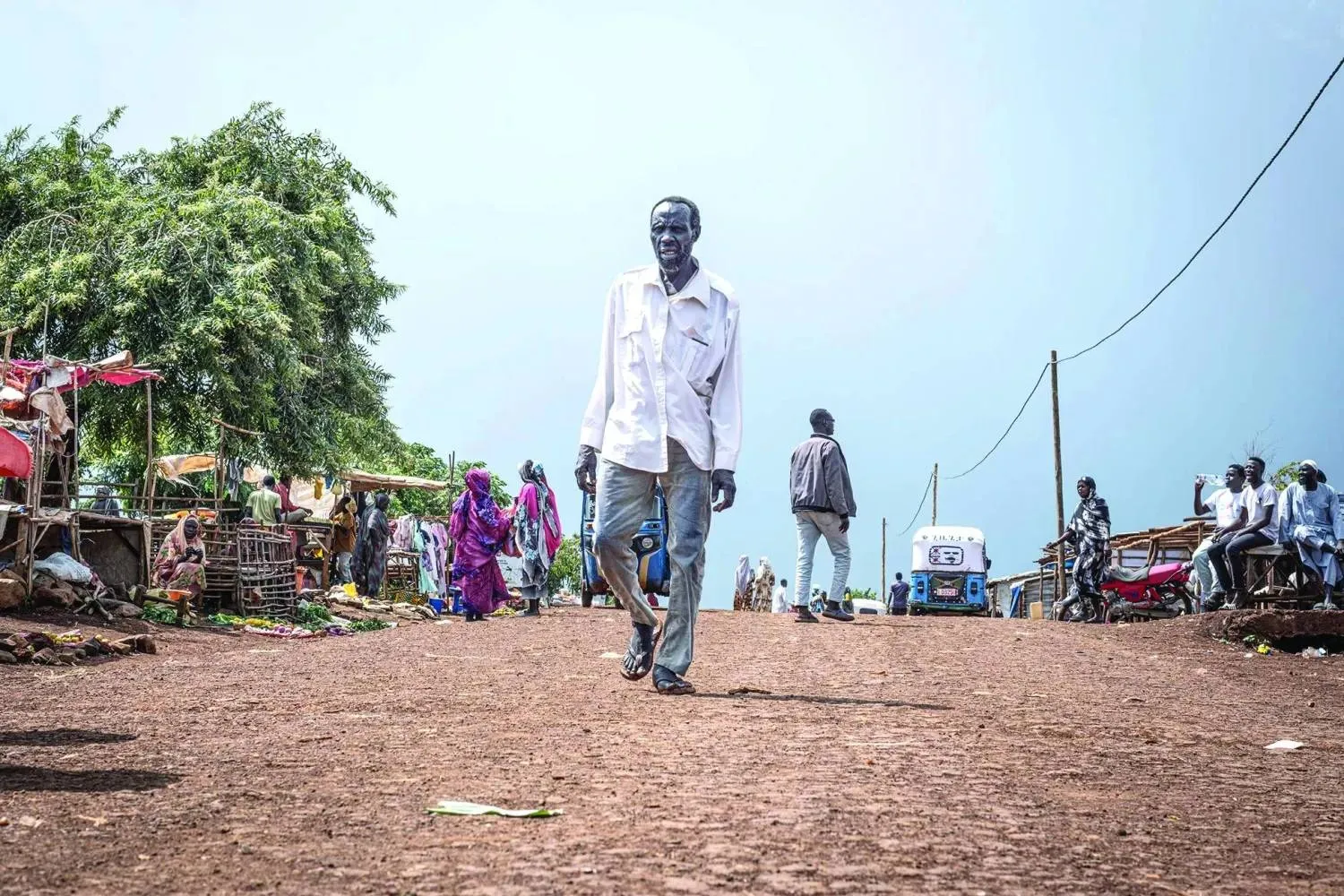
Sudanese refugees at Ura camp in Assosa, Ethiopia’s Benishangul-Gumuz region (AFP)
TT

Sudan War Moves Closer to Ethiopian Border

Sudanese refugees at Ura camp in Assosa, Ethiopia’s Benishangul-Gumuz region (AFP)

Days after tensions rose along Sudan’s western border with Chad, the war’s fallout has edged closer to its eastern frontier with Ethiopia.

Fighting has intensified in Blue Nile state, where the army said it shot down drones that came from the direction of Ethiopian territory. The Rapid Support Forces and its allies also said they had seized strategic positions in the border state.

The developments bring two of Sudan’s neighbors — Chad to the west and Ethiopia to the east — increasingly close to a war now in its fourth year. They have also fueled fears that expanding military operations near the borders could increase the risk of regional spillover.

N’Djamena raised its alert level along the Sudanese border after accusing the Sudanese army of carrying out a strike inside Chad that targeted a vehicle convoy. Khartoum rejected holding the army responsible without an independent investigation.

Advance in Blue Nile

On the eastern front, the RSF and the Sudan People’s Liberation Movement-North, led by Abdelaziz al-Hilu, said they seized the Sirkam and Bakori bases near the Ethiopian border after fierce fighting with the army.

RSF spokesperson al-Fateh Qurashi said forces from the Sudan Founding Alliance, known as Tasis, captured the two bases, inflicted losses on the army and its allied forces, and seized combat vehicles, tanks, weapons and ammunition.

The RSF released videos that it said showed its fighters inside the army’s Sirkam military base. Its full account and the scale of the reported losses could not be independently verified.

Local sources, however, said the army had repelled an attack on Bakori. Control of the area remained disputed, with no detailed army statement clarifying the situation on the ground.

Sirkam and Bakori are militarily important because of their location on routes that could allow attacking forces to push north towards Damazin, the capital and political, military and administrative center of the Blue Nile region.

The escalation came a day after the army said it shot down what it described as a “hostile strategic drone” that entered from the direction of Ethiopian territory. It said the aircraft was the third drone it had downed in less than a week.

No independent investigation has established where the drones were launched or who operated them.

The RSF and its ally, the SPLM-N, seized the strategic areas of Kurmuk and Geissan on the Ethiopian border in early August. The advance triggered large waves of displacement and made the Blue Nile one of the war’s most active fronts.

Drone Strikes Kill Civilians

At least eight people were killed and dozens of civilians wounded in two drone attacks in the Sharu area, north of Sodari locality in North Kordofan state, as fighting continued in Blue Nile.

Emergency Lawyers, a group that documents wartime violations, said a drone targeted civilians before striking again as people tried to help the wounded. Four civilian vehicles were also destroyed.

The group did not identify who was responsible. Neither the army nor the RSF commented.

Emergency Lawyers called for an independent investigation and for those responsible to be held accountable. It said the targeted area was civilian and had no visible military presence.

Drone use in the war has risen sharply in recent months. Strikes have hit military positions, civilian areas, and energy and water facilities, particularly in the Kordofan region.

The shift in fighting between Sudan’s western border with Chad and its southeastern frontier with Ethiopia underscores the war’s widening geographical reach.

It has also raised fears that border areas could turn from routes for supplies and displaced people into battlefields, increasing friction with neighboring countries.


Yemen Bolsters Defenses Against Houthi Threat

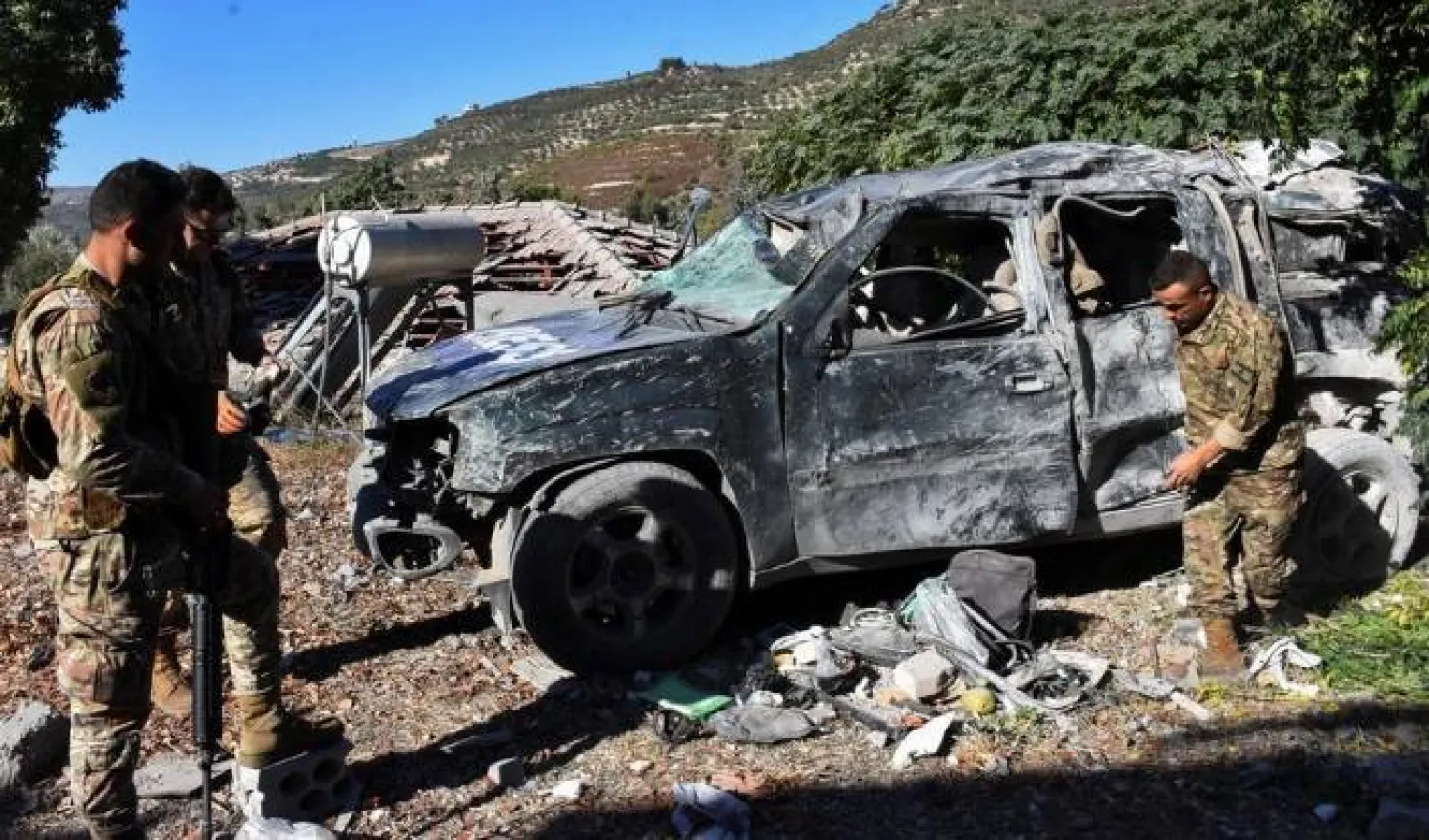
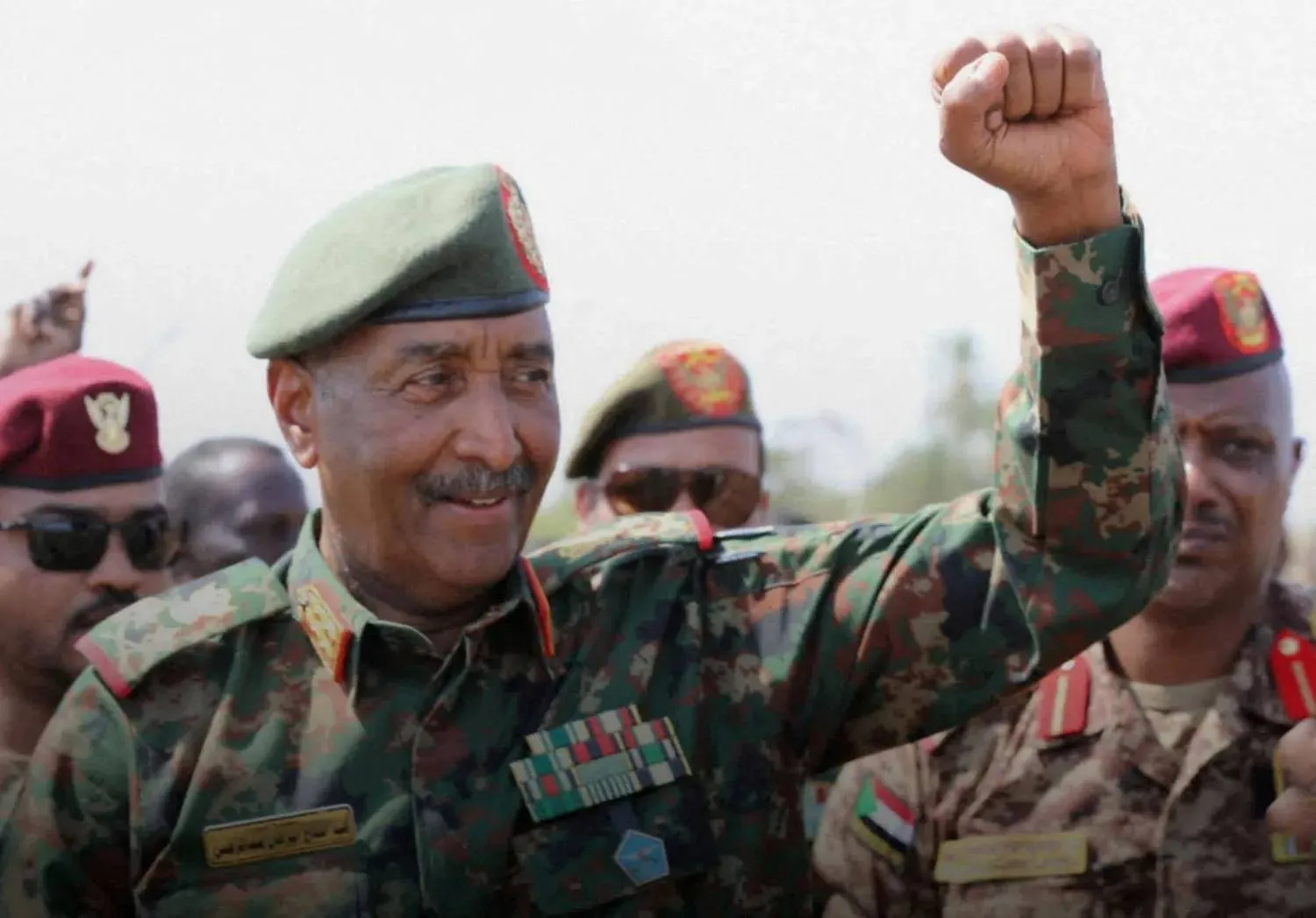
Part of the latest Yemeni government meeting in the interim capital, Aden (Saba)
TT

Yemen Bolsters Defenses Against Houthi Threat

Part of the latest Yemeni government meeting in the interim capital, Aden (Saba)

The escalating Houthi threat is no longer confined to the front lines or direct military attacks.

It is increasingly bearing down on ports, economic facilities and shipping lanes as Yemen’s government reorganizes state resources to confront a threat it says extends beyond the domestic conflict to international navigation and trade.

The government’s push comes amid an escalation along the western coast and in the Red Sea.

In the latest developments, ballistic missiles were fired in recent hours toward government-held islands and areas near international shipping lanes, while an attempted one-way drone attack was also reported, according to military media.

The Yemeni navy also thwarted an attempt by Houthi boats to approach government-held islands, the reports said.

The developments confront the Yemeni government with a complex challenge.

Its institutions must contain military attacks, protect civilian and commercial facilities, secure supply chains and keep the economy functioning in a country battered by years of war sparked by the Houthis and by deep financial and monetary divisions.

At its latest meeting in Aden, Yemen’s cabinet treated the Houthi escalation not as a string of isolated military operations, but as part of a broader campaign targeting the foundations of the state.

The cabinet focused on Houthi attacks against economic infrastructure and civilian and commercial facilities, particularly the port of Mokha, describing them as an attempt to disrupt trade, shipping and supply flows.

Mokha’s importance extends far beyond its immediate surroundings because of its proximity to one of the world’s most important maritime corridors.

Any threat to the port or nearby coastal areas would hit not only Yemen’s economy but also add another layer of risk to shipping in the Red Sea and the Bab al-Mandab Strait.

Broadening the confrontation

The Yemeni government is seeking to show it can manage the confrontation on parallel military, security and economic fronts.

The cabinet ordered authorities to maintain the highest level of readiness, strengthen surveillance, early-warning and response systems, and improve coordination among military, security and civilian agencies.

The measures are intended to ensure a rapid response to threats and protect state institutions, facilities and national interests.

But the government’s response extends beyond security. The cabinet also discussed electricity and gas supplies, supply bottlenecks, market oversight and supply chains.

It called for tighter controls over entry points and government revenue, as well as stronger action against smuggling and the financing of illicit activities.

The measures underscore the government’s effort to tie economic security to military security. It believes the state’s ability to withstand the escalation hinges on preventing disruptions to markets and supplies while cutting off resources the Houthis could use to finance military operations.

They also reflect an official recognition that any prolonged escalation in the Red Sea could pile further pressure on an already fragile economy, particularly if it disrupts ports or affects the movement of food, medicine and other goods.

In that context, Yemen’s cabinet stressed that anti-smuggling measures must not obstruct legitimate trade, as it seeks to cut off illicit funding while keeping essential goods flowing to the population.

International partnership

Alongside the government’s measures, Yemeni officials have called for broader cooperation with the international community, particularly the United States, to address risks that are no longer confined to Yemen’s borders.

In a video call with US Chargé d’Affaires to Yemen, Neil Hop, Presidential Leadership Council member Sultan al-Arada said security in the Red Sea and the Bab al-Mandab Strait was a shared responsibility.

Protecting freedom of navigation and global trade routes required greater political and economic pressure on the Houthis, as well as efforts to cut off their sources of funding and weapons, he said.

The message seeks to shift the debate from the war in Yemen to the wider security of international shipping lanes. Yemen’s leadership argues that continued instability in the country directly affects regional security and global trade.

The US side reaffirmed its support for the Presidential Leadership Council and the government, according to Yemen’s official media.

It also expressed readiness to continue supporting state institutions and strengthening their capacity to address security, economic and humanitarian challenges, with a focus on restricting the Houthis’ sources of funding and weapons.


Barrack Congratulates Syria on Week of ‘Historic Accomplishments’

US Special Envoy for Syria and Iraq Tom Barrack (AP) 
TT

Barrack Congratulates Syria on Week of ‘Historic Accomplishments’

US Special Envoy for Syria and Iraq Tom Barrack (AP) 

US Special Envoy for Syria and Iraq Tom Barrack congratulated Syria on a week of “historic accomplishments” after meeting Syrian Chargé d’Affaires in Washington Mohammad Qanatri.

“Great meeting with Syrian Chargé d’Affaires Mohammad Qanatri,” Barrack said on X Friday, adding: “Congratulations on a week of historic accomplishments for Syria.”

The United States removed Syria from its list of state sponsors of terrorism on Monday.

On Tuesday, Mazloum Abdi announced the dissolution of the Syrian Democratic Forces (SDF) as an independent military force following its integration into Syrian army brigades, describing the move as a transition toward peace, stability and building a new Syria.


Smotrich Announces Plan to 'Judaize the Galilee and Negev'

Far-right Israeli Finance Minister Bezalel Smotrich reviews the 'E1' settlement map in the West Bank (Archival - AFP)
TT

Smotrich Announces Plan to 'Judaize the Galilee and Negev'

Far-right Israeli Finance Minister Bezalel Smotrich reviews the 'E1' settlement map in the West Bank (Archival - AFP)

Israeli Finance Minister Bezalel Smotrich, head of the far-right Religious Zionism party, announced a broad plan to “Judaize” the Galilee and the Negev under the slogan “Yes. We Judaize!”

The plan targets the Arab presence in the north and south, the two regions with large Arab populations. It includes the establishment of dozens of Jewish communities and farms and the expansion of existing settlements.

It also calls for the cancellation of development plans for Arab communities, in what critics describe as an openly discriminatory policy targeting Israel’s Arab citizens.

Speaking at an election rally, Smotrich said that following what he described as initial results showing the success of his “Decisive Plan” for the West Bank, his party would demand, in the next government, control of the Planning Administration and the Israel Land Authority in order to impose sweeping changes on planning policy and land allocation.