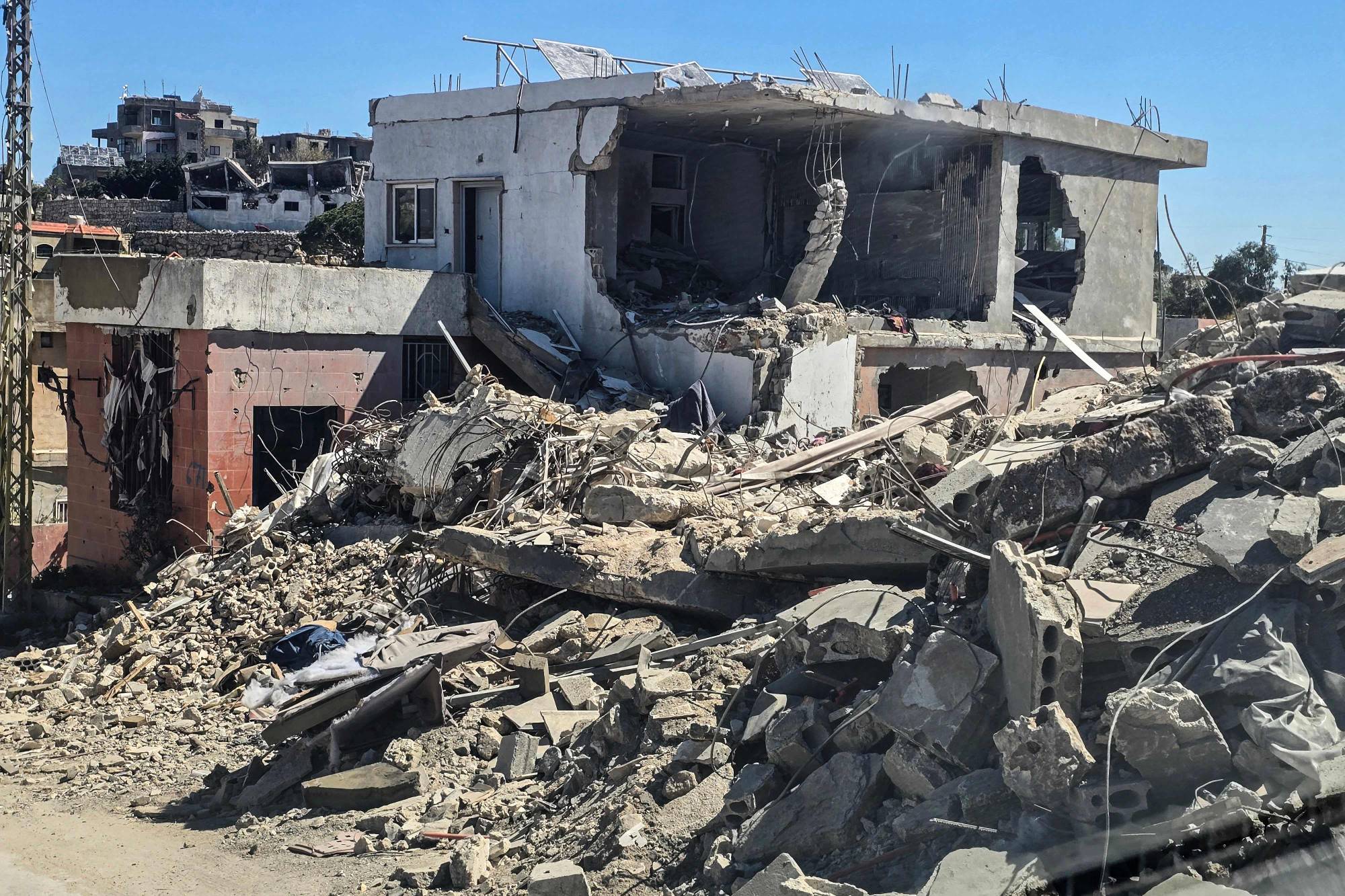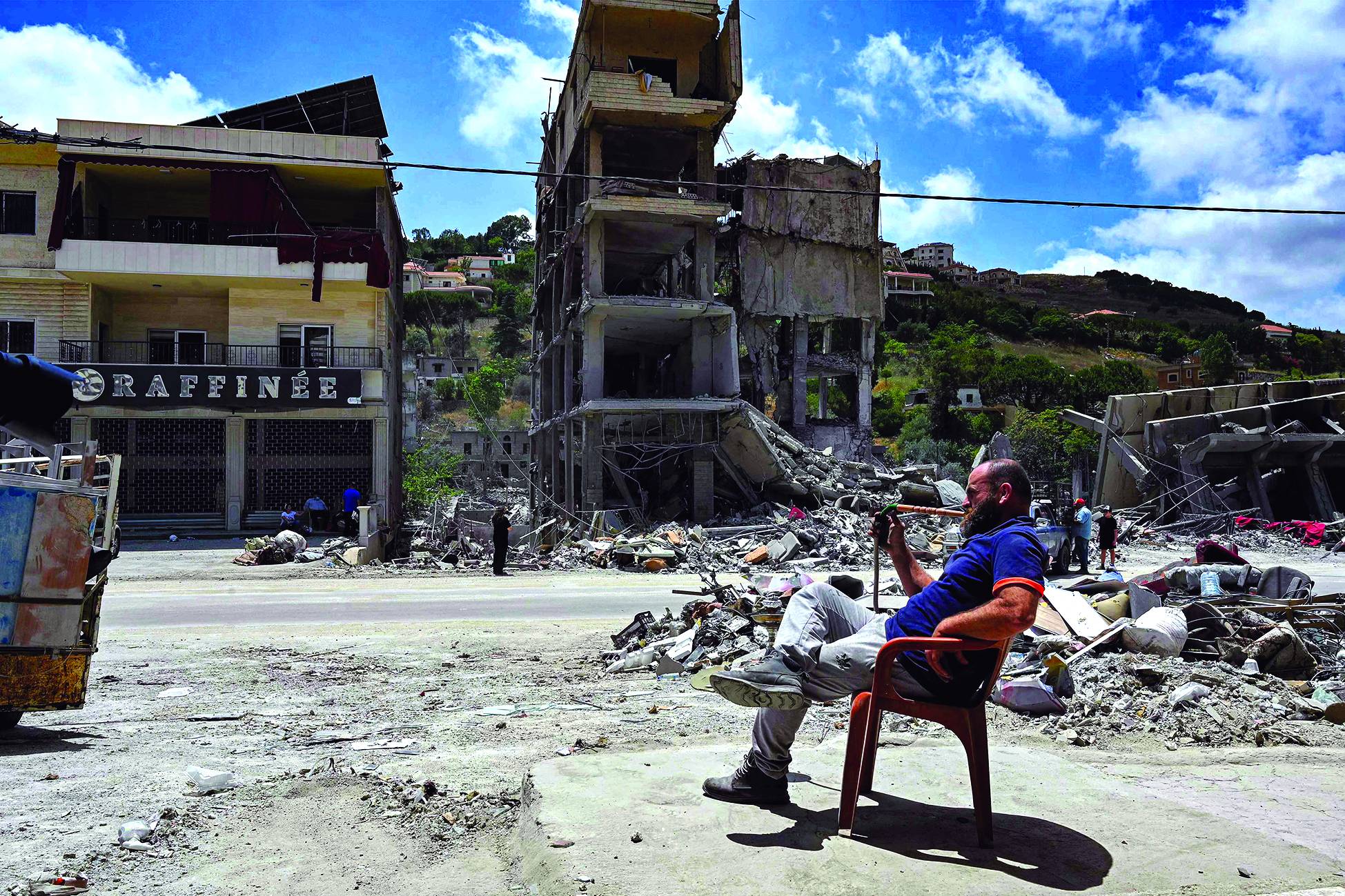

Lebanon has stepped up diplomatic efforts to avoid being drawn into a wider regional conflict, amid fears of fresh Israeli military action and uncertainty over security arrangements in the south.
Lebanese ministerial sources told Asharq Al-Awsat that President Joseph Aoun had intensified contacts with friendly countries in recent days and kept Parliament Speaker Nabih Berri informed of the discussions.
The diplomatic push reflects concerns that Israeli Prime Minister Benjamin Netanyahu could escalate military operations before or after Israel's parliamentary elections later this month.
Berri serves as the main intermediary between the presidency and Hezbollah, while Aoun’s domestic contacts and Foreign Ministry efforts are aimed at keeping Lebanon out of regional hostilities, the sources explained.
They warned that avoiding another confrontation would depend largely on Hezbollah staying out of any escalation involving Iran, citing fears of a forceful Israeli response if the group intervened.
Aoun discussed the situation with US Secretary of State Marco Rubio in a phone call Thursday evening, including continued Israeli attacks on villages in South Lebanon.
According to the Lebanese presidency, Aoun urged Washington to press Israel to halt its attacks, respect the framework agreement, stop land-clearing operations and allow farmers to reach their fields without interference.
Fears of Israeli escalation
Lebanese officials are particularly concerned about Netanyahu’s next move ahead of the Israeli elections, fearing he could order an operation against Iran or Lebanon if he believed it would improve his electoral prospects. Those concerns are believed to have been raised during the call with Rubio.
Sources familiar with the discussions indicated that Washington’s message was that Lebanon should avoid giving Netanyahu a pretext to intensify Israeli strikes, particularly by preventing Hezbollah from joining any confrontation between Iran and Israel.
Hezbollah explosives shipment
The conversation also addressed Lebanon’s efforts to curb illegal weapons and smuggling.
Aoun assured Rubio that the army and security forces were enforcing restrictions on armed displays, confiscating weapons and ammunition, and combating smuggling.
He cited recent security operations, apparently referring to the interception of explosives and weapons being smuggled and transported from Syria into Lebanon.
The president also pledged that judicial authorities would pursue all cases referred to them and that offenders would face legal action without leniency or favoritism.
A US State Department official confirmed that Rubio had raised seizure issue of hundreds of kilograms of explosives belonging to Hezbollah.
Rubio urged Lebanon to hold accountable those who ordered, financed and directed the shipment, stressing that the seized explosives must not be returned to Hezbollah.
Push for direct military contacts
Another key issue was the stalled effort to expand pilot zones in South Lebanon, where disagreements over verification arrangements remain unresolved.
The verification process for southern Lebanon involves a multi-step sequence managed through a trilateral framework to monitor the clearance of non-state armed groups and the redeployment of forces
Israel has rejected the participation of outside parties in the verification process, complicating plans to extend the initiative.
Lebanese sources familiar with the call reported that Rubio had informed Aoun that Washington was continuing efforts to resolve the dispute and identify countries willing to join a verification force.
Some countries had agreed to participate, while others declined, although the sources did not identify them.
According to a State Department official, Rubio also urged direct communication between the Lebanese and Israeli armies to prevent clashes, reduce the risk of miscalculation and advance the phased implementation of the trilateral framework.
Israel has pressed for such contacts for months, but the Lebanese Army has resisted, insisting on coordination through the US-led Military Coordination Group for Lebanon (MCG4L). That mechanism remains the channel for military communication.
Uncertainty over UNIFIL
The US proposal comes amid American and Israeli opposition to extending the mandate of the United Nations Interim Force in Lebanon (UNIFIL), fueling concerns about a security vacuum in the south.
Lebanese Foreign Minister Youssef Rajji discussed the future international presence with UN Under-Secretary-General for Peace Operations Jean-Pierre Lacroix as preparations begin for the end of UNIFIL’s current mission.
Lacroix emphasized the need to prepare for the next phase, with the Security Council expected to begin negotiations soon.
He reaffirmed the UN’s commitment to playing a constructive role while respecting Lebanon’s position.
Both officials agreed to intensify efforts to overcome the remaining obstacles and preserve an international presence under UN auspices in South Lebanon.