Morocco’s King Mohammed VI appointed a new government on Friday, retaining several key ministers while naming the country’s first female head of government and giving women seven positions in the cabinet.
The 32-member government, headed by Fatima Ezzahra El Mansouri, was sworn in at the Royal Palace in Rabat following parliamentary elections held on September 23.
The new administration combines experienced ministers with newcomers from political parties and technocratic backgrounds, reflecting an effort to balance continuity with fresh leadership as it seeks to accelerate reforms and improve public services.
Among the most prominent appointments was Fouzi Lekjaa, who was named minister of economy, finance and public sector performance after serving for years as minister delegate in charge of the budget.
His promotion, widely anticipated by political observers, reflects continued confidence in his ability to manage public finances and oversee major economic reforms.
In his previous role, Lekjaa gained extensive experience preparing annual budgets, monitoring their implementation and managing fiscal reforms.
He now faces the challenge of mobilizing resources, encouraging investment and financing social programs while maintaining macroeconomic stability.
His responsibilities will also include shaping the government’s fiscal policies and ensuring that development priorities remain compatible with sustainable public finances.
Key ministers retain portfolios
Nine ministers retained their positions in the new government, according to the Royal Cabinet’s announcement.
They include Interior Minister Abdelouafi Laftit, Foreign Minister Nasser Bourita, Justice Minister Abdellatif Ouahbi and Minister of Endowments and Islamic Affairs Ahmed Toufiq.
Nizar Baraka also remains minister of equipment and water, with forests added to his portfolio after previously falling under the Agriculture Ministry.
The appointments signal a preference for continuity in key government departments, even as other portfolios have been assigned to new figures.
Seven women in new cabinet
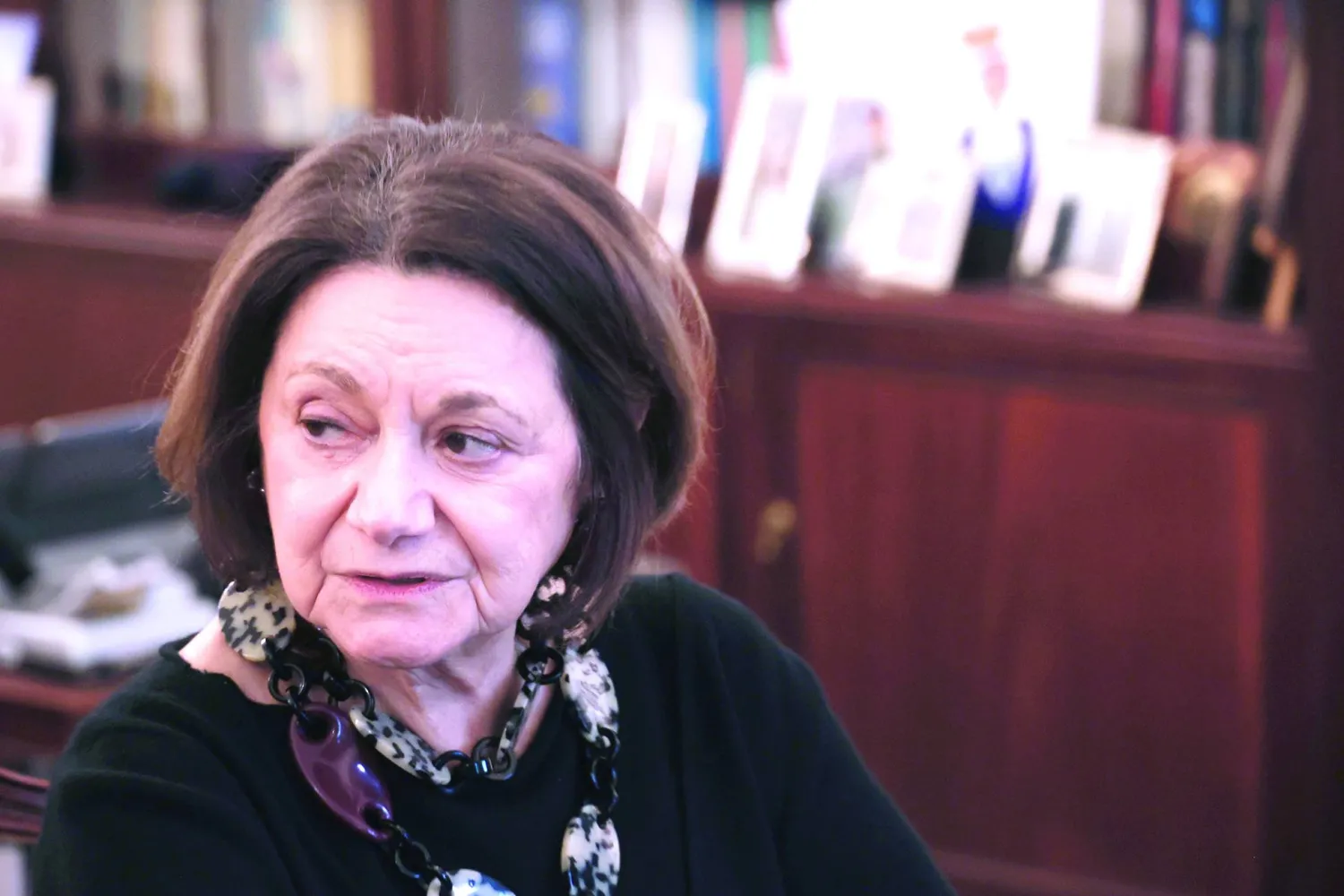
The government includes seven women, among them El Mansouri, who becomes the first woman to lead Morocco’s government.
The other six hold ministerial or minister delegate positions, giving women responsibilities across economic, social and administrative sectors.
Charafat Afailal was appointed minister of energy, mines and sustainable development, while Najwa Koukouss takes charge of family affairs, social development and equality.
Kouloub Faitah was named minister delegate to the head of government in charge of relations with parliament and civil society.
Madiha Khayr becomes minister delegate for vocational training and qualification, working under the minister of national education, preschool education, vocational training and qualification.
Fatima Saadi was appointed minister delegate for housing and urban policy under the minister responsible for national territorial planning, urban development, housing and urban policy.
Aicha Kelaa takes charge of administrative reform as minister delegate under the minister of artificial intelligence, digital transformation and administrative reform.
The appointments place women in positions spanning energy, social policy, parliamentary affairs, vocational training, housing and public administration.
El Mansouri’s historic appointment, alongside the broader female representation in the cabinet, has renewed debate over women’s participation in political leadership and government decision-making in Morocco.