The Houthi militias have escalated their campaigns to recruit students from private schools in Sanaa, exploiting educational institutions to supply its battlefronts with new fighters and offset its ongoing human losses.
The group is reportedly forcing students to attend military training courses while threatening school administrations with closure, fines, and other penalties.
Educational sources in Sanaa told Asharq Al-Awsat that the group's so-called "Jihadist Department," in coordination with the Ministry of Education in its unrecognized government, recently launched a campaign targeting more than 550 private schools in Sanaa and its outskirts.
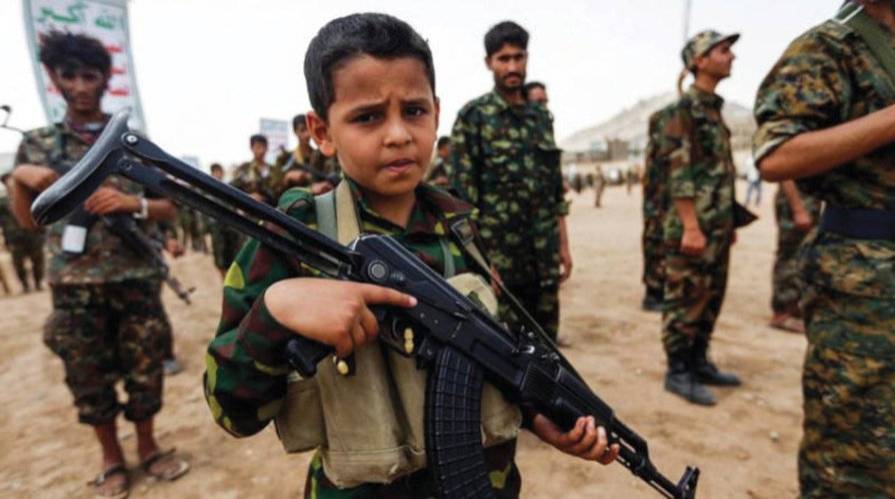
The move marks a new escalation in the group's use of the education sector to advance its military and ideological agenda.
According to the sources, Houthi supervisors have, in recent days, conducted field visits to schools in ten districts across Sanaa, ordering each school administration to select five students to enroll in military training courses.
They warned that institutions refusing to comply could face closure, punitive measures, and financial penalties.
The campaign has sparked widespread anger and concern among teachers, students, and parents, who view it as part of the group's long-standing effort to undermine the educational process. For years, they say, the Houthis have subjected curricula and school activities to ideological indoctrination and turned educational institutions into tools serving their military project.
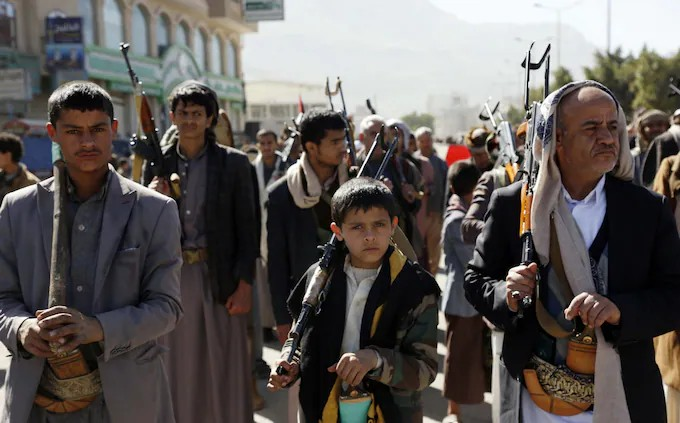
Forced Military Courses
Parents who spoke to Asharq Al-Awsat said their children were taken from classrooms without their families' knowledge and transported to undisclosed locations, where they were subjected to ideological indoctrination and military training.
This has heightened fears that the activities are a prelude to recruiting students and sending them to the front lines.
As a result, some families have stopped sending their children to the targeted schools for fear of forced recruitment.
Several private schools have reported declining attendance, amid growing concerns over continued Houthi pressure and raids on educational institutions, which many believe are being transformed into recruitment channels rather than centers for learning.
Abdullah, the father of four students from the Maeen district in central Sanaa, said he had been forced to keep two of his children, who are in middle and high school, at home out of fear they would be recruited.
He said he no longer trusts the school administration's ability to protect them from Houthi pressure, leaving him with the painful choice of either depriving them of an education or risking their military indoctrination.
He added that most families now fear sending their children to school because educational institutions have, in his words, become recruitment gateways where students are subjected to military indoctrination.
"We sent our children to school to learn and build their future, not to be pushed into military courses and battlefronts," he said.
He noted that the group's actions now go beyond imposing its views on curricula and school activities, extending to pressuring school administrations to hand over students to organizers of combat training programs.
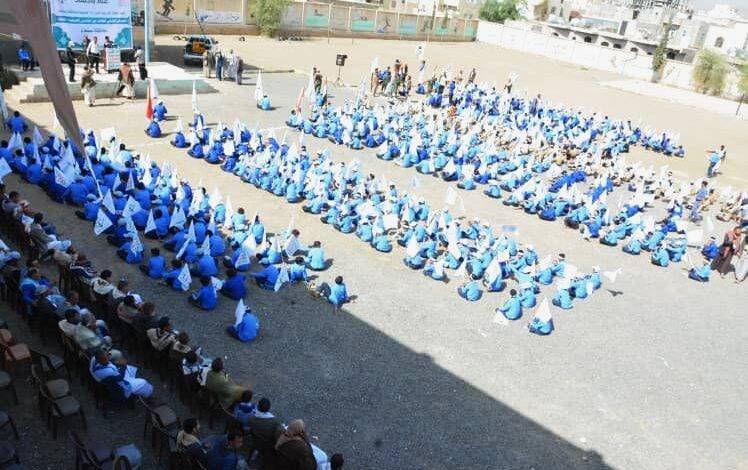
Pressure on Schools
A teacher at a private school in the Al-Sabeen district south of Sanaa, speaking on condition of anonymity, said private school administrations across Sanaa and its suburbs are facing mounting pressure from the group's cultural supervisors to implement directives aimed at recruiting students and sending them to military training courses at the expense of their education.
The teacher stressed that schools, which should provide a safe environment for learning and future-building, are facing growing interference in their internal affairs as pressure increases to pull students out of classrooms and involve them in activities unrelated to education.
These developments come as the education system in Houthi-controlled areas continues to deteriorate.
Tens of thousands of teachers and education workers have gone unpaid for years, while policies pursued by the group have worsened living conditions and weakened schools' ability to fulfil their educational mission.