
Lebanese Foreign Ministry sources told Asharq Al-Awsat that the Lebanese Embassy in Washington had been formally notified by the US State Department that Lebanon’s consul in Detroit, Ibrahim Charara, had been declared persona non grata and must leave the United States within 48 hours.
The decision reportedly followed controversy sparked by US media reports that resurfaced old social media posts attributed to Charara about the 1983 bombing of the US Marine barracks in Beirut, which he had described as “heroic resistance.”
Political Views
In a report published on November 2, the US news website The Washington Free Beacon said Charara had written in a 2021 social media post marking the anniversary of the Marine barracks bombing that “heroic resistance” had ended the “American military occupation of Beirut with a single strike.”
The website also cited another post attributed to Charara that read: “From the Marine barracks in Beirut to the Al-Tanf base ... we will reject the occupier and defeat him,” an apparent reference to the US military presence in Syria.
The report also highlighted other positions attributed to Charara, including his praise for the escape of six Palestinian prisoners from Israel’s Gilboa Prison in 2021. It also pointed to his X account’s cover image, which shows an Israeli flag burning, and a quotation by Palestinian writer and political figure Ghassan Kanafani in his profile bio.
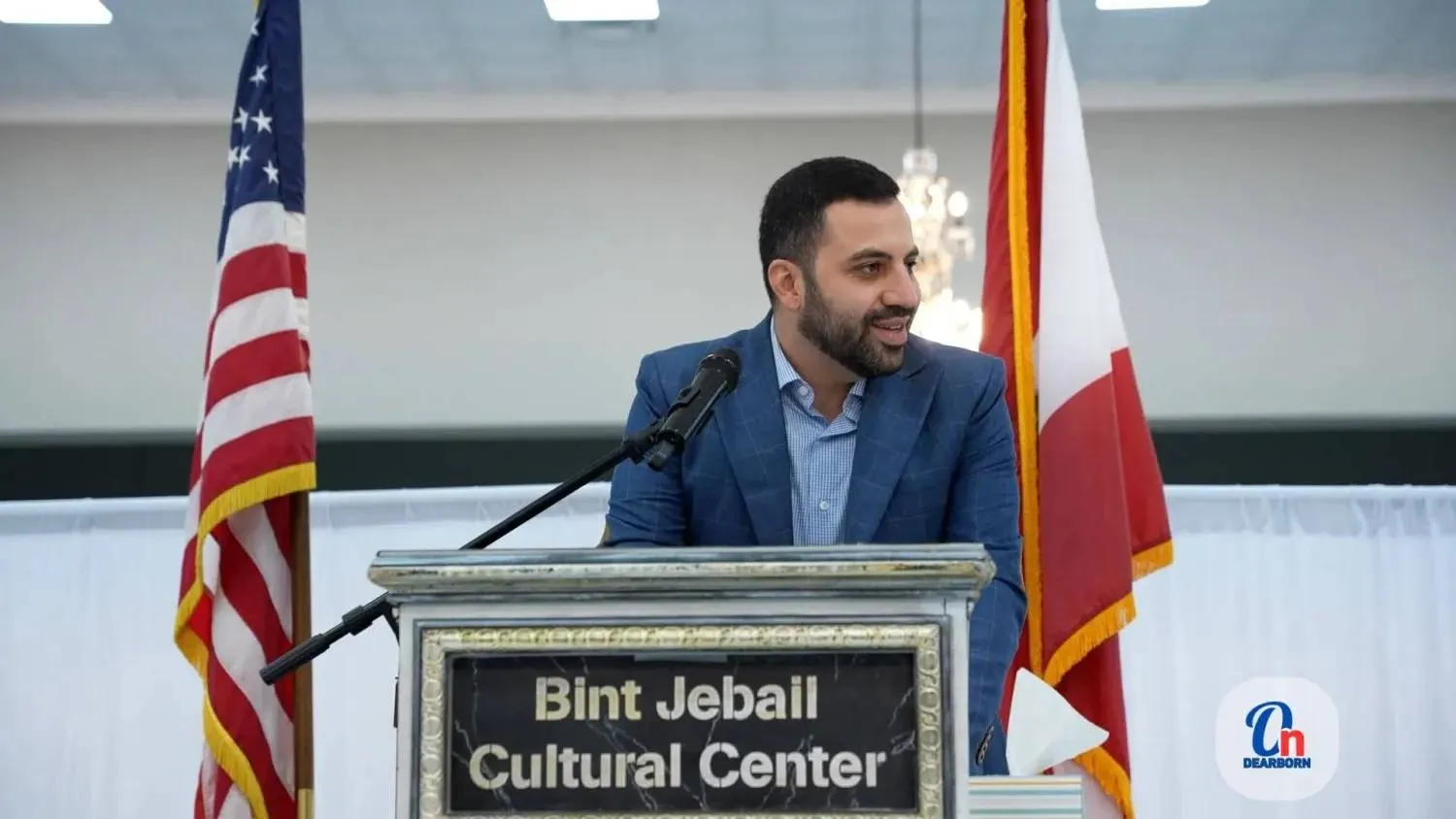
The controversy resurfaced on the eve of the midterm elections, with the Free Beacon highlighting Charara’s attendance at an Arab American political action committee event in Dearborn, attended by Senate candidate Abdulrahman Alsayed (who later won the seat) and other Democratic hopefuls.
The report was published a day before the November 3 vote, fueling speculation about an attempt to influence Michigan voters, though no link between the event and the US decision has been established.
Article 23 of the Vienna Convention on Consular Relations allows a host country to declare a consular officer persona non grata, requiring the sending state to recall the officer or end their duties. If the sending state does not comply within a reasonable time, the host country may stop recognizing the officer’s consular status. This measure does not itself constitute a criminal conviction.
The decision is expected to require Beirut to make arrangements for the consulate’s management and ensure the continued delivery of services to the Lebanese community, while containing the diplomatic fallout. The move against the consul does not in itself mean a rupture in relations or the closure of the mission, but the scope of the fallout will depend on Washington’s explanations and Beirut’s response.