



The 57 member states of the Islamic Development Bank (IsDB) are seeking to preserve the rich Islamic heritage and rely on modern technologies to build a bright future to consolidate their position in education and culture.
The countries are boosting investments in education based on their awareness of the importance of a workforce equipped with relevant skills and education in achieving economic diversification and promoting peace and prosperity within their societies.
Saudi Vision 2030 includes a program dedicated to developing human capital, which focuses on building basic and advanced skills to prepare the young generation and better prepare them for future jobs.
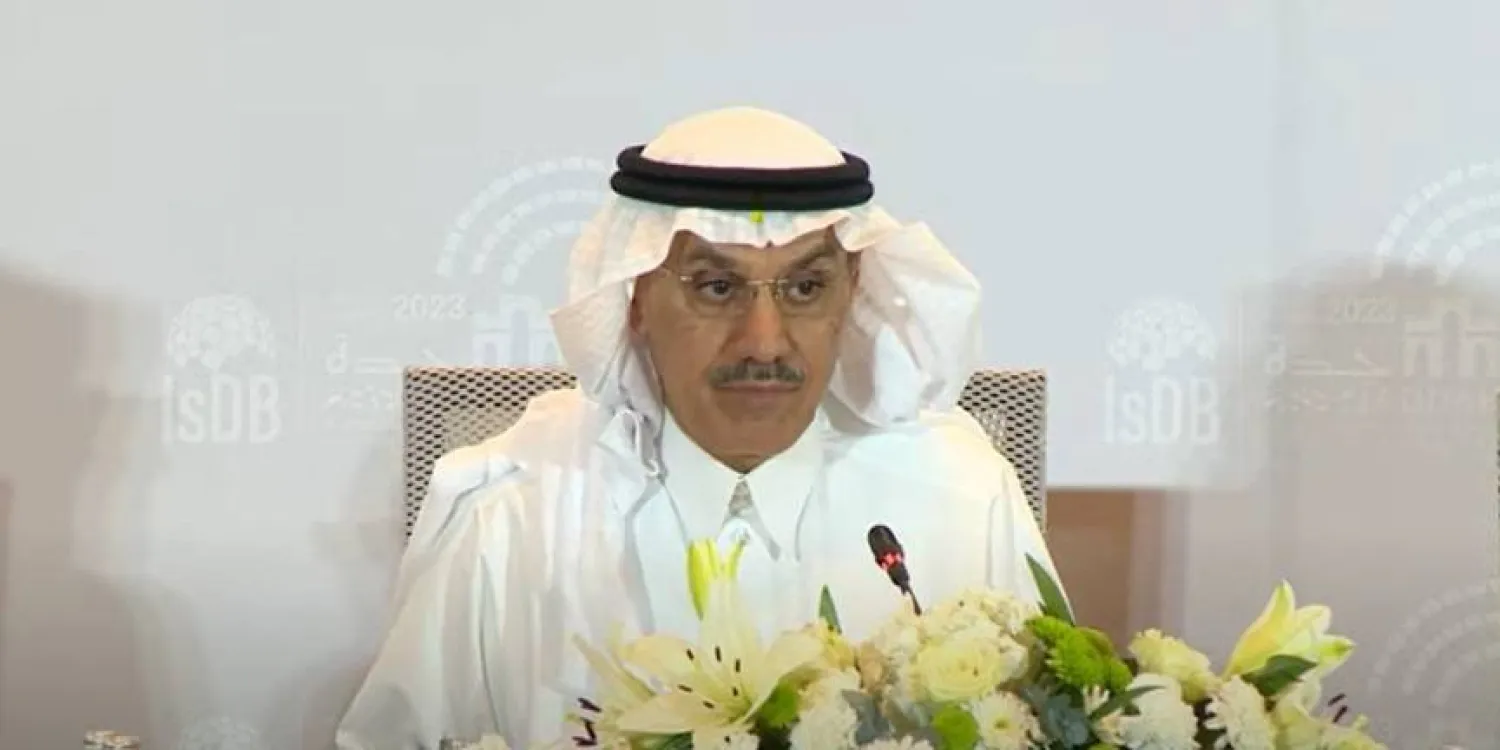
IsDB Chairman of the Board of Directors Mohammed al-Jasser said the Arab Gulf countries are aware of the pivotal role of education and are taking advantage of their financial strength to participate with low-income countries and members of the Bank to increase investment in education.
This helps low-income countries to accelerate development rates and deal better with crises, he remarked.
Jasser added that the need for partnership emerges as low-income member states are facing a severe educational crisis that has been exacerbated by the Covid-19 pandemic.
He noted that before the pandemic, 50 percent of the world's 10-year-olds lacked basic reading skills, while it is estimated that the figure has increased to 70 percent.
The gap between the skills children need to succeed and the skills they develop can widen, cautioned Jasser, warning that it could have dire consequences for global economic growth, human capital development, and political and social stability.
The Chairman predicted that current generations would lose $17 trillion of the financial gains they will achieve for life due to the interruption of the educational process during the pandemic and the economic crises.
Given the high-interest rates and public debt burdens, low-income countries need new financing options for the education sector. Otherwise, they will have to risk reducing education budgets, he said.
Jasser pointed out that the Arab Gulf countries can cooperate with the IsDB and the Global Partnership for Education (GPE) and rely on their innovative capabilities and financial resources to enhance investment in the education sector of low-income countries.
They are also considering merging public and private financing for education when necessary.
The IsDB supports the development of learning outcomes, skills, and educational training, particularly for women and youth in rural areas.
Furthermore, Jasser hoped to see more distinguished partnerships, such as those between the Arab Coordination Group (ACG) and the Global Partnership for Education, to ensure that any country seeking to increase investment in the education sector will have the amount and type of financing it needs.
Education has contributed to the development of societies and the establishment of prosperity and the values of giving in the Arab Gulf countries, which allowed them to support the educational process under challenging times, he said.
Jasser aspires to see other members of the IsDB Group follow the steps of the Arab Gulf countries in increasing investment in the education sector, providing children in all countries with the necessary skills to meet the changing requirements in the future.
The Bank seeks to bring together various international donors, institutions, companies, and agencies to focus their expertise and financial strength on meeting the educational needs of low-income countries.
In 2022, 107 million students benefited from the grants provided by the Bank, which led to the training of 675,000 teachers.
CEO of GPE Laura Frigenti said innovative methodologies, such as the Global Partnership for Education's Multiplier, secured an additional $1 billion in funding from development agencies and charities in 2022, boosting financing for the education sector.
Donor countries and institutions in the Arab Gulf region can join the IsDB and the GPE to strengthen levels of blended financing, allowing low-income countries to develop their education systems fully.
Frigenti said Saudi Arabia and Kuwait had shown their willingness to participate more actively as new donor countries to the GPE, which leads to laying a solid foundation for cooperation and investment in the future.
The Islamic Development Bank is a member of the Arab Coordination Group, which provides $400 million in financial investments alongside $100 million from the GPE Multiplier. It is an innovative financing tool that attracts investments from other donors.
Funds under the initiative are accessible to 37 countries that are members of the Organization of the Islamic Cooperation and are home to nearly 28 million out-of-school children.
Cameroon, the Kyrgyz Republic, and Uzbekistan received the first allocation of $280 million in innovative financing for education.


