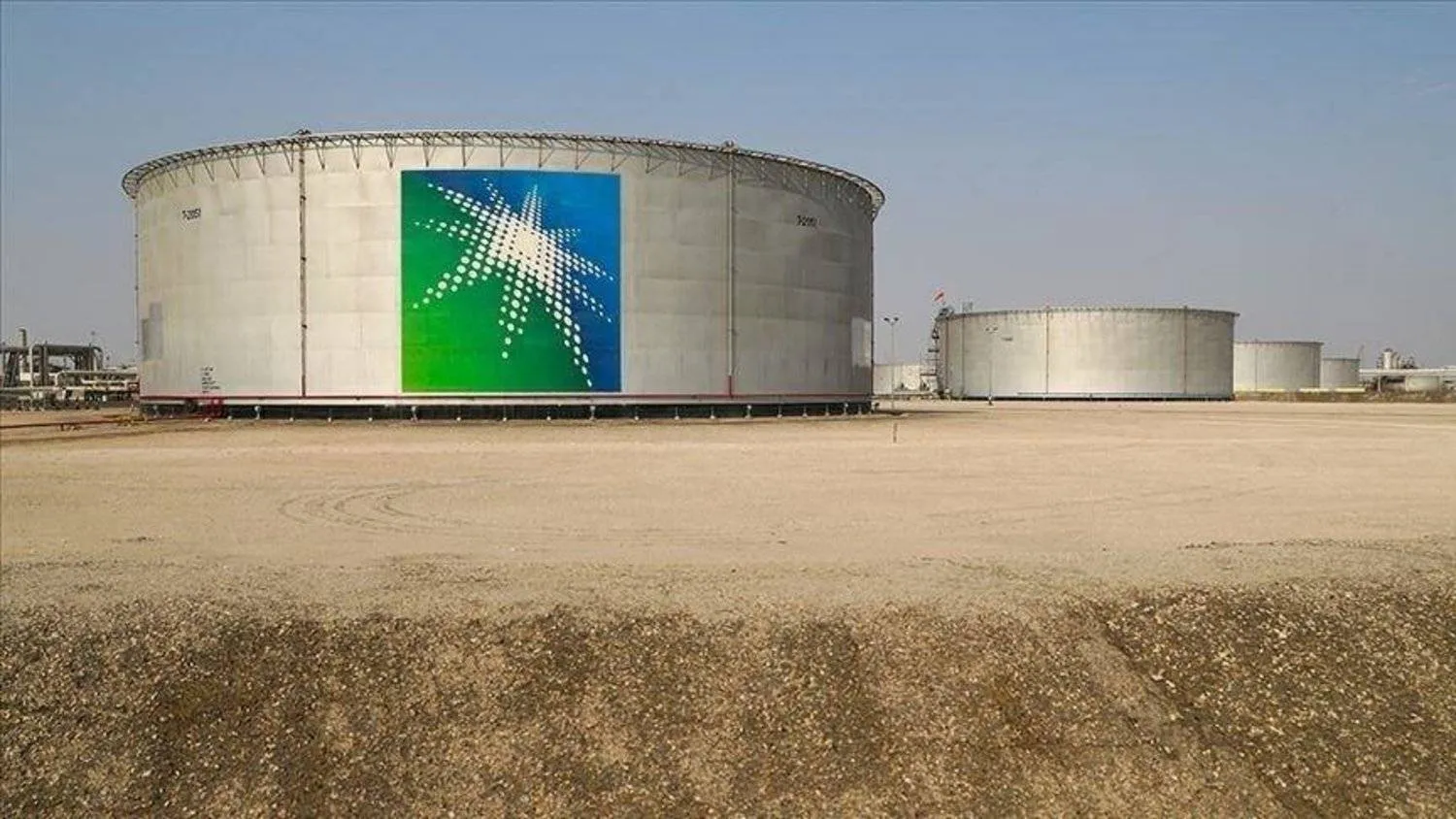

Saudi Arabia's crude oil exports in August hit their lowest level in 28 months as they fell for a fifth straight month, data from the Joint Organizations Data Initiative (JODI) showed on Monday.
Crude exports from the world's largest oil exporter fell to 5.58 million barrels per day (bpd), down 7.1 percent from 6.01 million bpd in July and the lowest since April 2021.
Saudi Arabia and Russia have agreed to combine voluntary oil supply cuts of 1.3 million bpd, or more than 1 percent of global demand, until the end of the year.
Saudi crude output fell to 8.92 million bpd in August, down 95,000 bpd from July, while inventories rose by 4.16 million barrels to 150.89 million.
Domestic refineries processed 2,900 bpd less crude at 2.53 million bpd in August, while direct crude burn rose by 134,000 bpd to 726,000 bpd. The country's oil products exports rose by 182,000 bpd to 1.33 million bpd in August.
Monthly export figures are provided by Riyadh and other members of the Organization of the Petroleum Exporting Countries (OPEC) to JODI, which publishes them on its website.
Saudi Aramco raised the price for its flagship Arab Light crude to Asia for a fifth straight month in November to its highest level this year.
Oil prices eased on Monday, reversing last Friday's rally as investors waited to see if the Israel-Hamas conflict could draw in other countries, which could drive up prices further and deal a fresh blow to the global economy.
Brent futures fell 0.7 percent to $90.22 per barrel, and US West Texas Intermediate (WTI) crude dropped 0.9 percent to $85.53 a barrel.
Both benchmarks rose nearly 6 percent on Friday, posting their highest daily percentage gains since April, as investors priced in the possibility of a wider Middle East conflict.
Brent also recorded a weekly gain of 7.5 percent, its biggest increase since February. WTI climbed 5.9 percent for the week.
The conflict in the Middle East has had little impact on global oil and gas supplies.