



Qatar’s economy is expected to slow down by 2 percent for the remainder of 2023, says S&P Global Ratings. This after it grew by 5 percent in 2022, boosted by the country’s hosting of the World Cup.
Despite the dip this year, Qatar will bounce back in 2023, thanks to a better investment climate. Its growth will also be impacted by increases in hydrocarbon production in line with the North Field Expansion (NFE), according to the Arab World Press.
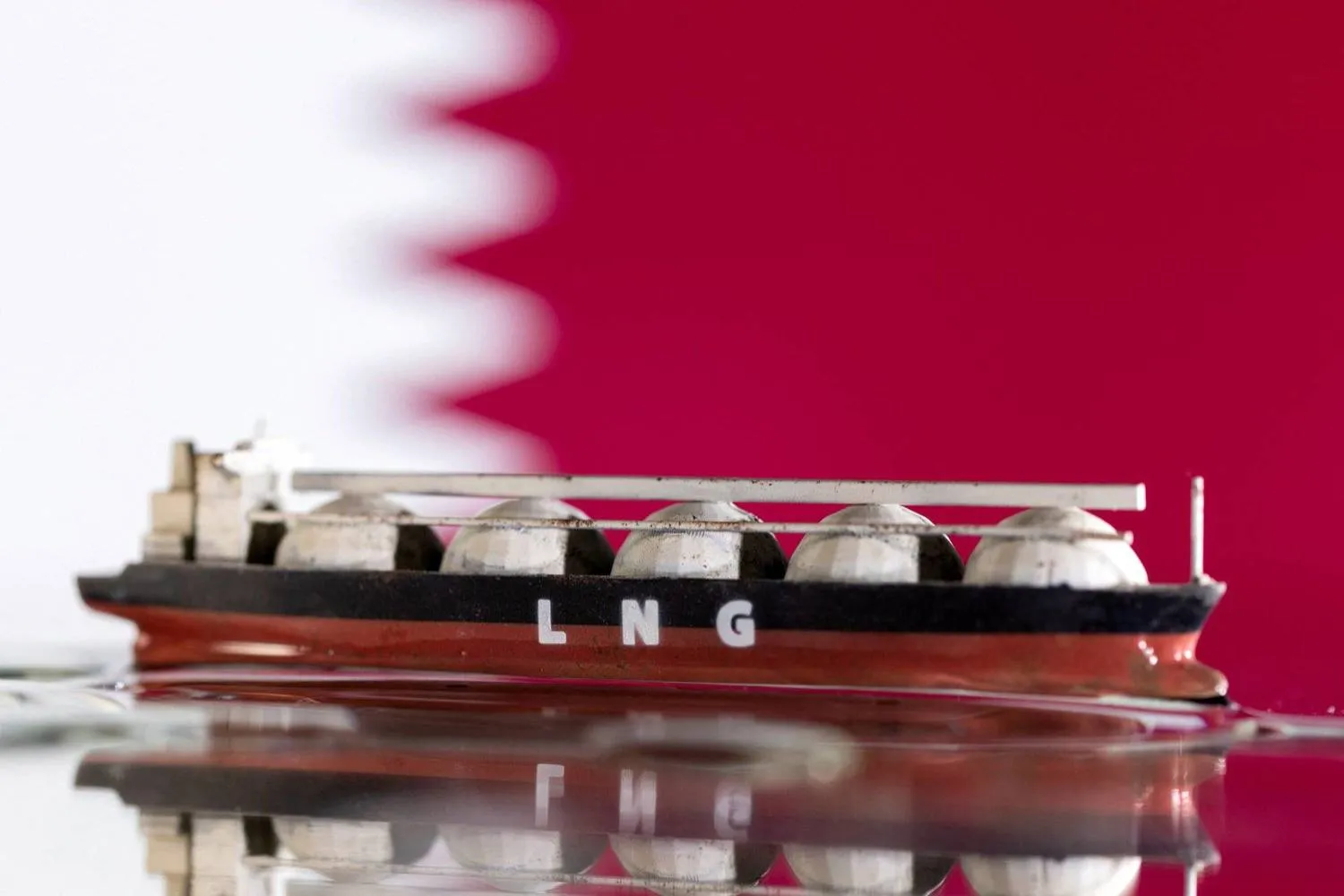
S&P’s ratings report projects Qatar will remain one of the largest exporters of LNG globally. Thanks to plans to increase LNG production capacity by 64 percent, to 126 million tons per year (mtpa) from 77 million, Qatar will continue to be a major player in the LNG industry between 2025 and 2027.
Customers who have shunned Russian-produced gas, particularly those from Europe, will continue to push the demand higher for Qatar’s LNG and will increase by 30 percent by 202-2027.
According to S&P, Qatar derives about 40 percent of its GDP, 80 percent of government revenue, and 90 percent of exports from the hydrocarbon sector. As such, its credit profile is vulnerable to volatility in oil prices, to which most of its gas revenues are linked.
S&P team’s forecasts are based on the expectation that the Brent oil price will average about $82 per barrel (/bbl) in 2023 and $85 bbl thereafter.
“We also project the general government budget will remain in surplus, averaging 4 percent of GDP through 2026”.
Qatar’s current account will have an average surplus of about 20 percent of GDP annually over the next three years.


