Small and Medium Enterprises in Saudi Arabia Grow by 3.5% during 3Q of 2023https://english.aawsat.com/business/4740706-small-and-medium-enterprises-saudi-arabia-grow-35-during-3q-2023
Small and Medium Enterprises in Saudi Arabia Grow by 3.5% during 3Q of 2023
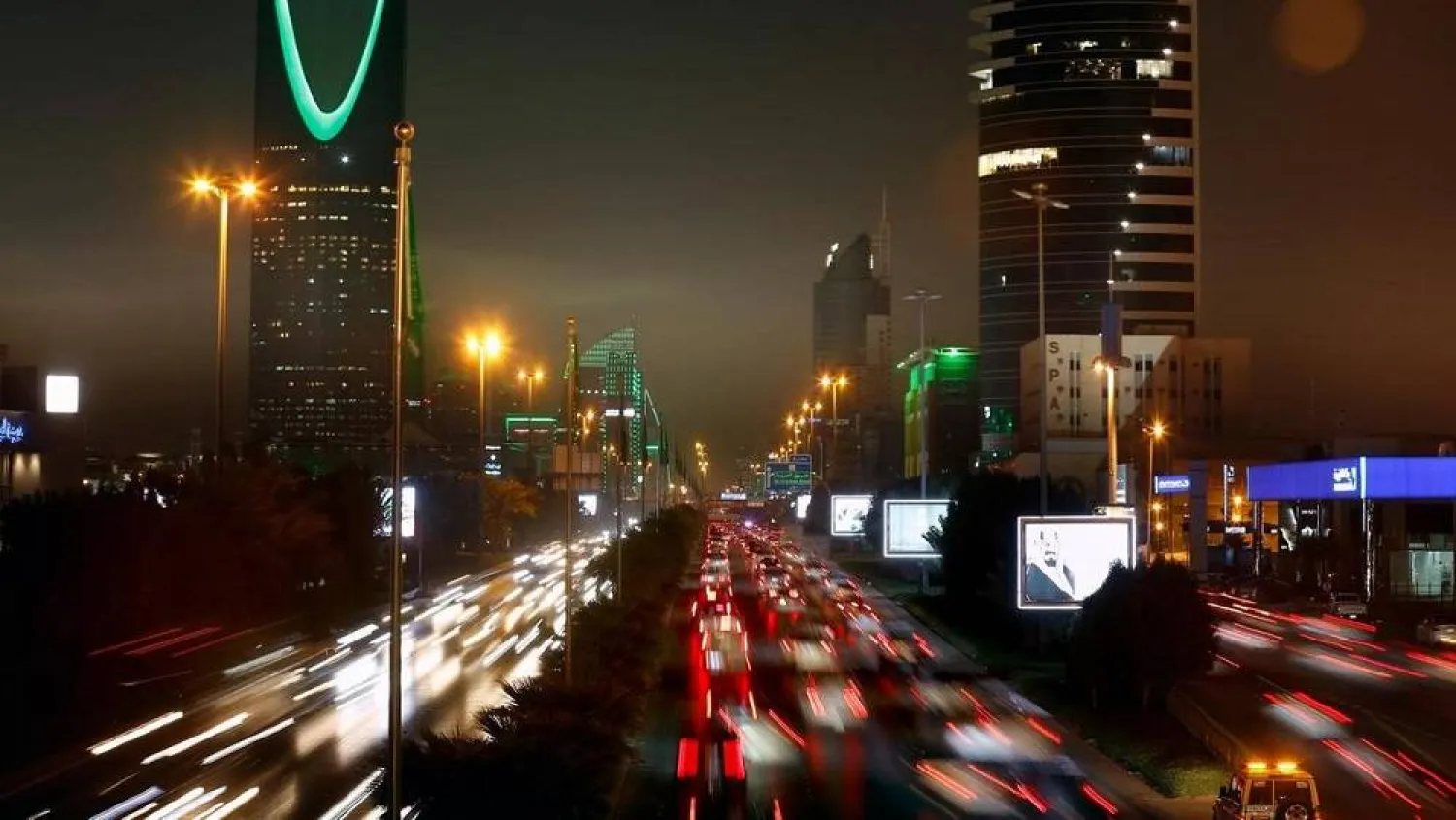
A night view of Riyadh, Saudi Arabia. (AP)
TT
TT
Small and Medium Enterprises in Saudi Arabia Grow by 3.5% during 3Q of 2023
A night view of Riyadh, Saudi Arabia. (AP)
The number of small and medium enterprises (SMEs) in the Kingdom increased by 3.5% quarter-on-quarter in the third quarter of 2023, reaching 1.27 million enterprises.
This growth is attributed to the government's support for the private sector's development and investor confidence in the Saudi economic system, reported the Saudi Press Agency on Wednesday.
The total number of SMEs in the Riyadh region reached 549,346 enterprises, representing 43% of the total small and medium enterprises, while the number of enterprises in the Makkah region reached 232,039, representing 18.3%.
The number of SMEs in the Eastern Region reached 136,689, representing 10.8%, while the total number of SMEs in the rest of the other regions of the Kingdom reached 351,190 enterprises, constituting 27.7%.
The number of micro-enterprises reached 1.1 million, while the number of small enterprises reached 151,170, and the number of medium enterprises reached 18,176.
The success of SMEs boosts Saudi Arabia's position as a regional and industrial hub, diversifies the Saudi economy, and ensures long-term viability, all of which are goals of Saudi Vision 2030.
How Saudi Arabia's Buffers Shielded Its Economy from the Fires of Warhttps://english.aawsat.com/business/5295902-how-saudi-arabias-buffers-shielded-its-economy-fires-war
How Saudi Arabia's Buffers Shielded Its Economy from the Fires of War
Saudi flags fly along a street in the Saudi capital. (Asharq Al-Awsat)
At a time when the conflict between the United States and Iran plunged the region into one of its most severe periods of tension in years, closed the Strait of Hormuz, and drove up oil prices as well as shipping and insurance costs, Fitch Ratings reaffirmed Saudi Arabia's sovereign credit rating at A+ with a Stable outlook. The decision raises a fundamental question: How did the Saudi economy manage to preserve its financial resilience in the midst of the crisis?
The answer extends well beyond higher oil prices. It lies in a comprehensive framework of reforms built up over many years, including the creation of financial and logistical buffers, the diversification of funding sources, the development of energy infrastructure, and the strengthening of the private sector, all of which have made the economy far more capable of absorbing external shocks.
As the international financial and business community awaits the International Monetary Fund Executive Board's comprehensive report on its 2026 Article IV Consultation with Saudi Arabia, due later this month, data released by the Fund's mission, together with figures from the Saudi Central Bank and the Kingdom's balance of payments, reveal how the Saudi economy weathered one of the most challenging geopolitical tests in recent years.
Alternative Arteries
When Tehran announced the closure of the Strait of Hormuz, through which roughly one-fifth of global oil trade passes, many expected Gulf oil exports to face widespread disruption. Saudi Arabia, however, had been preparing for such a scenario for decades by building an integrated system to safeguard its oil exports without relying solely on the Strait.
That strategy included expanding the East-West Pipeline, which transports crude oil to the Red Sea ports of Yanbu, increasing its carrying capacity, establishing strategic storage facilities in key markets around the world, and maintaining the world's largest spare oil production capacity.
When the crisis erupted, this system enabled Saudi Aramco to continue honoring its export commitments. The company increased supplies through the pipeline, drew on its overseas inventories, and utilized part of its spare production capacity, limiting the decline in shipments and mitigating the impact of the Strait's closure on Saudi oil exports.
Why Did Inflation Remain Low?
Although the conflict pushed up global oil prices as well as shipping and marine insurance costs, the transmission of those shocks to the domestic economy remained limited compared with many other economies.
This was largely due to efficient supply chains, the stability of the Saudi riyal's peg to the US dollar, ample strategic reserves of essential goods, and fiscal and monetary policies that helped preserve market stability.
As a result, the International Monetary Fund expects average inflation in Saudi Arabia to reach only about 2.3 percent in 2026, a level that remains low compared with most advanced and emerging economies.
Current Account Surplus
At first glance, the conflict might have been expected to weaken Saudi Arabia's external accounts. Yet first-quarter data told a different story. The Kingdom recorded a $4.1 billion current account surplus, its first in nearly two years following a prolonged period of deficits, compared with a $8.2 billion deficit in the fourth quarter of 2025.
This turnaround resulted from a twofold equation. Although oil export volumes declined because of the disruption, higher prices offset much of the shortfall. At the same time, imports slowed amid shipping disruptions, while the travel balance improved as spending by visitors within the Kingdom increased.
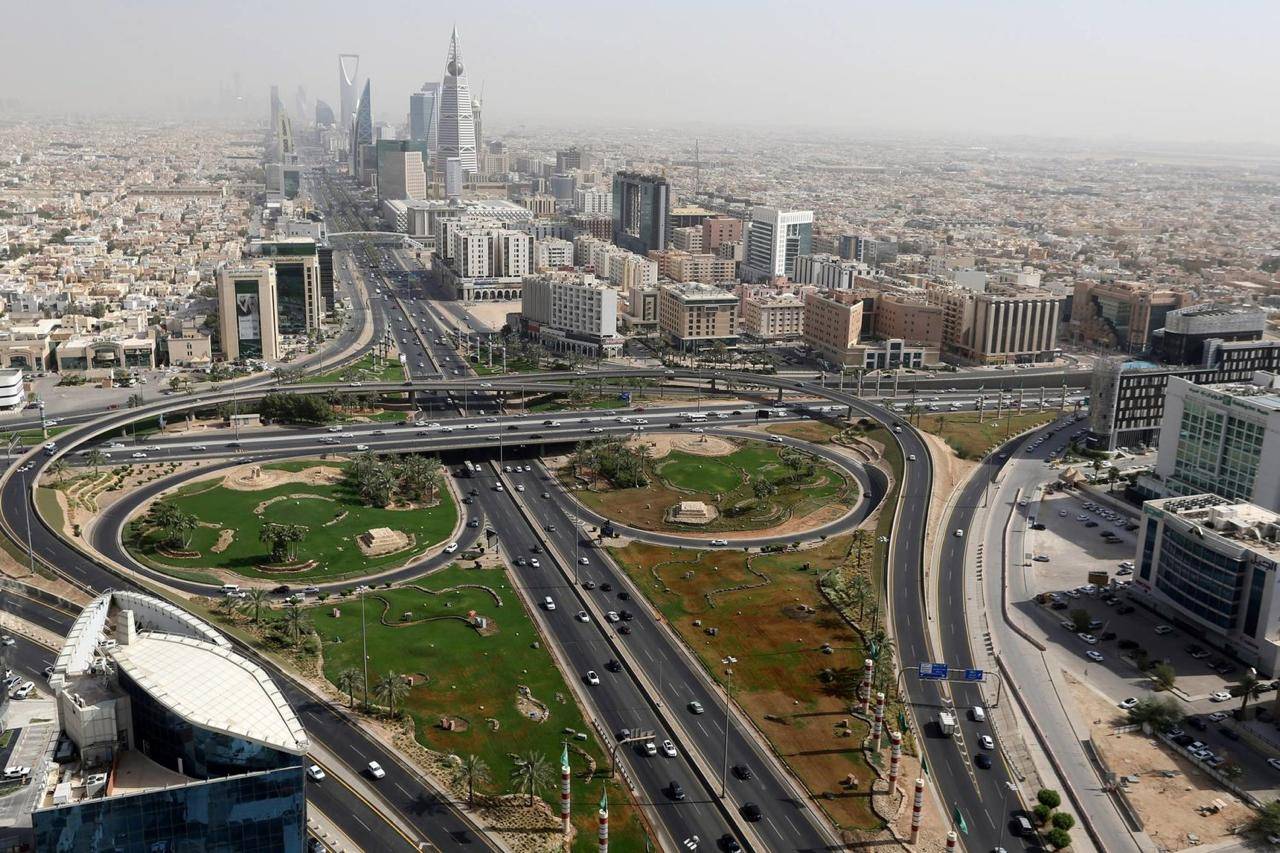
An aerial view of the Saudi capital. (Reuters)
The Tools That Reinforced Stability
The current account surplus was only one factor underpinning the economy's resilience. Saudi Arabia also entered the crisis equipped with a range of financial strengths that helped preserve stability. The data point to several key pillars:
Reallocation of External Assets: Investment operations by government entities and Saudi Arabia's sovereign wealth fund recorded a sharp increase in the liquidation of foreign assets during the first quarter of 2026. Assets sold or repatriated totaled approximately $22.6 billion, up from just $4 billion in the fourth quarter of 2025, an increase of 460 percent. This sharp rise reflects an accelerated redeployment of external liquidity into the domestic economy.
Stable Reserve Assets: While government entities significantly increased the monetization of foreign assets, the Saudi Central Bank's reserve assets remained robust and stable, standing at SAR 1.862 trillion (approximately $496.5 billion) at the end of the first quarter, up 9.32 percent year over year. This illustrates an efficient allocation of financing roles. Rather than drawing directly on the Kingdom's official foreign exchange reserves, government entities chose to rebalance their investment portfolios and monetize part of their overseas assets to finance domestic projects, strengthening Saudi Arabia's financial buffers and reinforcing the foundations of its sovereign creditworthiness.
Sovereign Creditworthiness: These indicators in the balance of payments and the level of reserve assets were directly reflected in the Kingdom's sovereign credit profile. In their 2026 reviews, the major global credit rating agencies reaffirmed the structural strength of the Saudi economy and its high degree of resilience to regional geopolitical shocks. Fitch Ratings and S&P Global Ratings both affirmed Saudi Arabia's A+ rating with a Stable outlook, while Moody's maintained its Aa3 rating.
According to the agencies' reports, these ratings are fundamentally supported by the Kingdom's substantial net foreign sovereign assets and financial reserves, which provide external payment coverage well above that of similarly rated countries. They also reflect the growing resilience of the non-oil economy and Saudi Arabia's ability to secure alternative sources of financing for Vision 2030 projects without drawing down its core monetary reserves.
Proactive Financing: Before the crisis escalated, the government leveraged its strong credit profile and relatively low public debt, equivalent to 34.4 percent of GDP, to secure $13 billion in external financing during the first quarter, according to the National Debt Management Center's announcement in January. An additional $14 billion was raised through international sukuk issuances, commercial loans, and bond offerings by major Saudi banks and corporations, which also benefited from the Kingdom's strong sovereign credit standing. As a result, total external borrowing by Saudi residents reached $27 billion.
Investment Flows: The investment sector likewise reflected the depth of global institutional confidence. Contrary to the capital flight often seen during periods of geopolitical tension, the Saudi stock market experienced no wave of foreign investor withdrawals. Instead, nonresident investors remained net buyers of Saudi equities, recording net purchases of $2.4 billion during the first half of 2026, bringing their total holdings to more than $110 billion. This was accompanied by exceptional resilience in foreign direct investment, which posted $1.8 billion in net inflows during the first quarter alone, supported by growing confidence in the ongoing economic and legislative reforms under Vision 2030.
Banking Sector: The strength of the banking sector also enhanced the economy's ability to weather the period of heightened tensions. Saudi banks maintained high levels of capitalization and liquidity while private sector lending continued to expand, ensuring businesses and projects retained access to financing despite turbulence in global markets. The International Monetary Fund considers the soundness of the financial sector to have been one of the principal pillars supporting economic stability throughout the crisis.
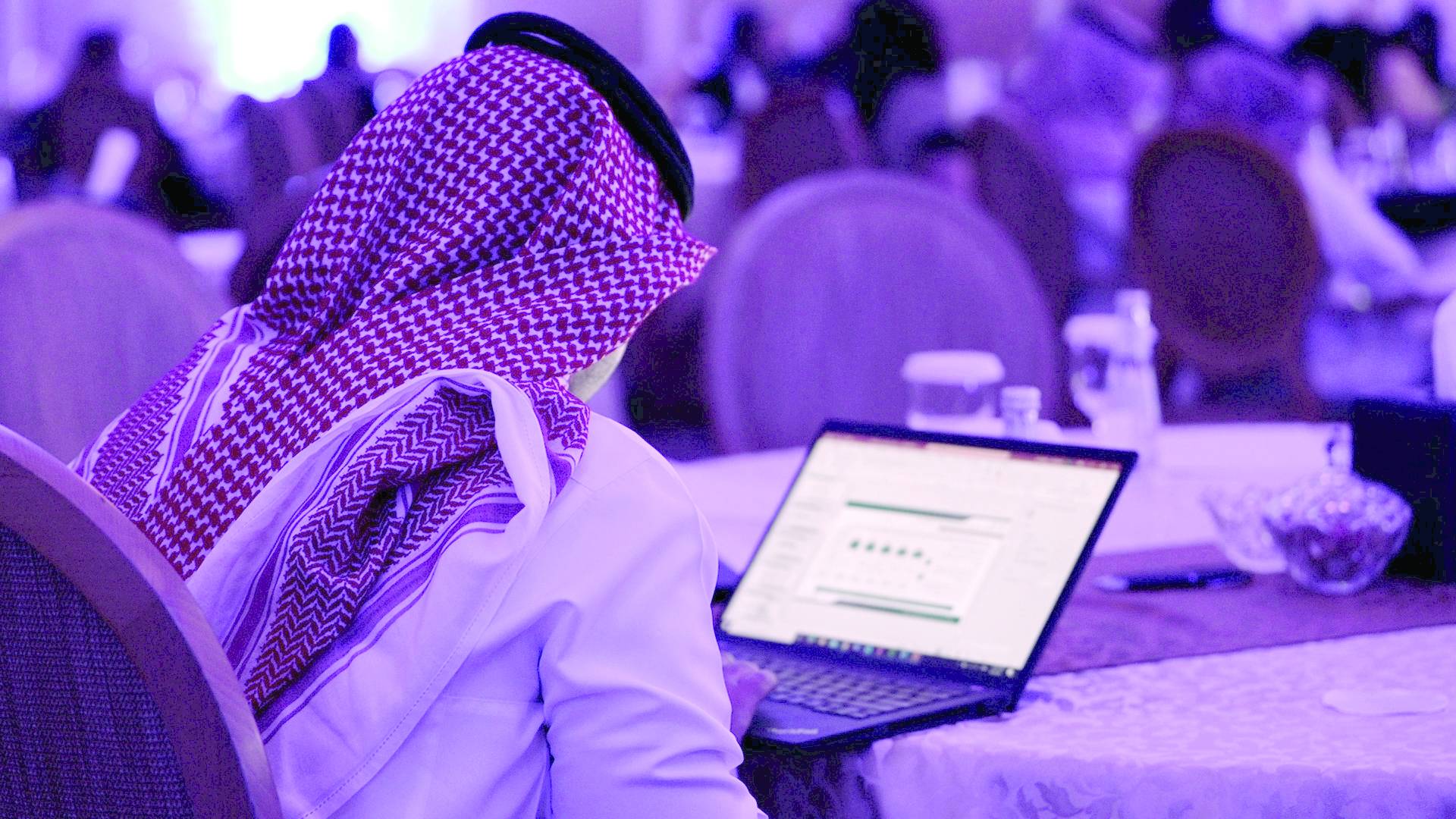
A participant at a conference organized by the International Monetary Fund in cooperation with the Ministry of Finance in Riyadh. (Photo by Turki Al Aqili)
What Has Vision 2030 Changed?
Perhaps the best way to measure the success of Saudi Arabia's reforms is to ask a hypothetical question: What if the current crisis had occurred before the launch of Vision 2030?
At that time, the economy depended far more heavily on oil revenues, while financing tools and liquidity management options were considerably more limited. The contribution of non-oil activities was also substantially smaller than it is today.
Today, however, the economy rests on a far more diversified foundation, encompassing non-oil revenues, domestic and international debt markets, a strong banking sector, the Public Investment Fund, substantial foreign reserves, and advanced logistics infrastructure. Together, these elements have provided the Kingdom with a robust financial safety net, enabling it to absorb the shock without experiencing major disruptions.
The IMF's Assessment
The International Monetary Fund's 2026 mission concluding statement documented the Saudi economy's positive indicators, affirming that the economy has demonstrated a high degree of adaptability and a clear capacity to withstand external shocks. The Fund attributed this resilience to the structural strength of the national economy, the continued development of logistics infrastructure, and the ongoing expansion and diversification of the Kingdom's productive base and non-oil sectors.
At the same time, the IMF lowered its forecast for Saudi Arabia's economic growth in 2026 to 1.7 percent, a reduction of 0.3 percentage points from its previous projection. However, it raised its forecast for 2027 to 5.5 percent.
The downward revision does not reflect underlying weakness in the Saudi economy as much as it reflects the impact of the regional environment. Despite recording growth of approximately 3 percent in the first quarter of 2026, continued geopolitical tensions and higher shipping and insurance costs could weigh on the pace of economic activity during the remainder of the year.
Challenges Remain
Despite the strength of Saudi Arabia's financial and logistical buffers, a prolonged period of regional tensions could pose additional challenges. These include higher transportation and insurance costs, slower global trade, the possible postponement of certain investments, and mounting pressure on major development projects should energy and logistics costs remain elevated. For this reason, the International Monetary Fund emphasizes that continued structural reforms, a greater role for the private sector, and stronger productivity will remain essential to sustaining growth in the years ahead.
Resilience Has Become Economic Policy
The experience of recent months shows that what Saudi Arabia faced was not merely an oil crisis or a passing geopolitical test. Rather, it was a comprehensive test of the economy's ability to absorb and manage shocks. The convergence of a current account surplus, the redeployment of external assets, the preservation of strong foreign reserves, the securing of low-cost financing, and the continued inflow of investment demonstrates that sovereign liquidity management has become an integral part of a comprehensive economic strategy rather than a temporary response to crises.
As the International Monetary Fund's final report is awaited, the message emerging from Saudi Arabia's experience is clear: investment in economic resilience has become one of the Kingdom's most important sovereign assets, and perhaps its most valuable one, in a world increasingly marked by geopolitical and economic shocks.
Türkiye Says Iraq Seeks 750,000 Bpd Capacity on Kirkuk-Ceyhan Oil Pipelinehttps://english.aawsat.com/business/5295804-t%C3%BCrkiye-says-iraq-seeks-750000-bpd-capacity-kirkuk-ceyhan-oil-pipeline
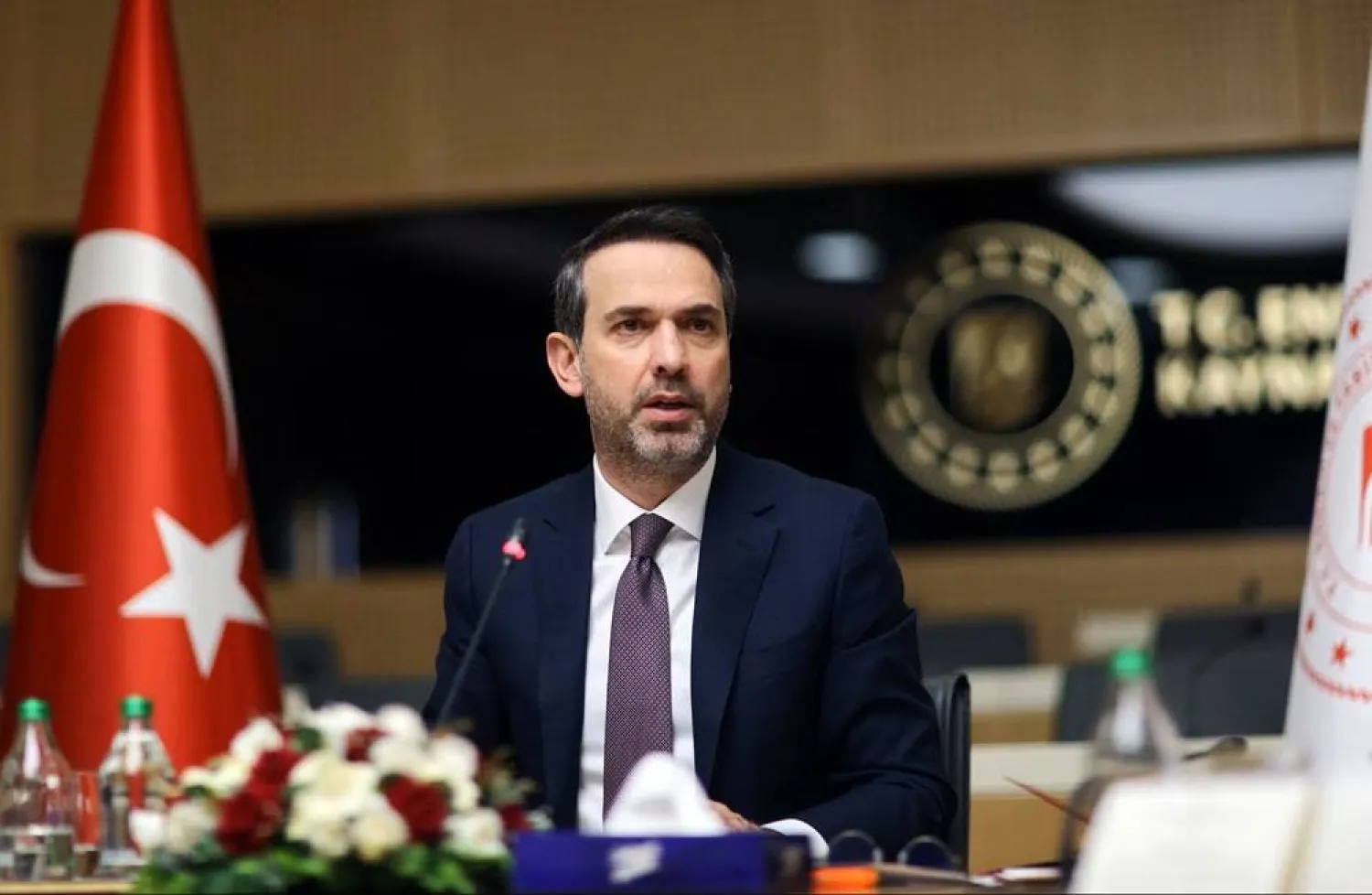
Türkiye’s Energy Minister Alparslan Bayraktar talks during a meeting in Ankara, Türkiye, September 14, 2023. (Turkish Energy Ministry Press Office/PPO/Handout via Reuters/File photo)
TT
TT
Türkiye Says Iraq Seeks 750,000 Bpd Capacity on Kirkuk-Ceyhan Oil Pipeline
Türkiye’s Energy Minister Alparslan Bayraktar talks during a meeting in Ankara, Türkiye, September 14, 2023. (Turkish Energy Ministry Press Office/PPO/Handout via Reuters/File photo)
Turkish Energy Minister Alparslan Bayraktar said Iraq wants to send 750,000 barrels per day of oil through the Kirkuk-Ceyhan pipeline under an arrangement to keep it operating for another year, and that Türkiye has set aside sufficient capacity for it.
The current pipeline agreement between Iraq and Türkiye expires this month. The two countries reached an understanding last week to keep it operating for another year and a deal is expected to be signed in the coming days.
The pipeline has regained importance following Iran's closure of the Strait of Hormuz and the resulting halt in Iraq's seaborne oil exports.
Türkiye informed Iraq last year that it did not want simply to renew the existing agreement and preferred to negotiate a more comprehensive arrangement.
Exports through the line were halted in 2023 after an international arbitration tribunal awarded damages against Türkiye. Oil flows resumed only around two and a half years later, toward the end of last year.
According to BOTAS data, the pipeline, which has a total capacity of 1.4 million bpd and transported roughly 480,000 bpd before the shutdown, has carried only about 190,000 bpd since restarting.
"They told us they would need 750,000 barrels of capacity. Although only 180,000-200,000 barrels are flowing today, we said that's fine - we can allocate 750,000 barrels to you,” Bayraktar told reporters after a cabinet meeting on Monday.
GOAL OF EXTENDING PIPELINE
Bayraktar said Türkiye wanted to sign a new, more comprehensive agreement within one year, reiterating Ankara's goal of extending the pipeline south from Kirkuk to the Basra Gulf region and increasing its capacity to 2.5 million bpd.
"If Kuwait wants to put its oil into this pipeline, let it do so. If others in the Gulf wish to use it, they could as well," he said.
He added that a natural gas pipeline could be built alongside an extended oil line and could transport gas from Qatar or other sources.
Bayraktar also said the $1.5 billion arbitration award against Türkiye forms part of the negotiations over a new pipeline agreement.
In February 2023, an international arbitration tribunal ruled that Türkiye had violated the 1976 pipeline agreement by allowing oil exports from the semi-autonomous Kurdistan region between 2014 and 2018 without the approval of Iraq's central government, ordering Türkiye to pay net compensation of $1.5 billion.
Under the main ruling, Türkiye was ordered to pay Iraq around $2 billion, while Iraq was ordered to pay Türkiye more than $500 million for underpaid transportation fees dating back to the 1990s. Analysts have said Türkiye's net liability could be reduced further once interest calculations are taken into account.
Following the award, Iraq and Türkiye filed cases in Washington, DC relating to enforcement of the ruling and the calculation of interest. Bayraktar said those proceedings remain ongoing.
Gold Recovers from Two-Week Low Ahead of US Inflation Figureshttps://english.aawsat.com/business/5295756-gold-recovers-two-week-low-ahead-us-inflation-figures
A customer holds a gold chain at a jewellery store in Mumbai, India, January 30, 2026. (Reuters)
TT
TT
Gold Recovers from Two-Week Low Ahead of US Inflation Figures
A customer holds a gold chain at a jewellery store in Mumbai, India, January 30, 2026. (Reuters)
Gold rose on Tuesday after hitting a two-week low earlier in the session, as markets awaited key US inflation data, with escalating US-Iran tensions driving oil prices higher and reinforcing expectations of further Federal Reserve rate hikes.
Spot gold was up 0.5% at $4,021.62 per ounce by 0440 GMT, recovering from its lowest level since July 1. US gold futures for August delivery gained 0.6% at $4,028.
Gold shed about 3% in the previous session, its biggest daily percentage decline in more than a month, as continued fighting between the US and Iran drove oil prices to a one-month high.
While gold is often viewed as a hedge against inflation, higher rates tend to weigh on the non-yielding metal by increasing the appeal of interest-bearing assets.
"You have a situation where the markets probably don't want to commit. They have a big batch of event risks in front of them. There's, of course, the Warsh testimony and then the CPI print, so there's a lot for people to look at in addition to the headlines out of the Middle East," said Ilya Spivak, head of global macro at Tastylive.
Investors will closely watch June US CPI data due later in the day for fresh clues on inflation and the Fed's policy path, with PPI data and Fed Chair Kevin Warsh's first semi-annual testimony before Congress this week also in focus.
The US central bank may need to raise interest rates "in the near term" if coming data show inflation continuing well above the 2% target, Fed Governor Christopher Waller said on Monday.
Traders have ramped up bets on a September US interest rate hike, with CME Group's FedWatch Tool showing the probability rising to around 76% from 57% a week ago.
Elsewhere, spot silver inched 0.1% higher to $57.70 per ounce, having earlier touched a two-week low. Platinum fell 0.1% to $1,603.72 and palladium rose 1.4% to $1,264.61.
لم تشترك بعد
انشئ حساباً خاصاً بك لتحصل على أخبار مخصصة لك ولتتمتع بخاصية حفظ المقالات وتتلقى نشراتنا البريدية المتنوعة