


Bitcoin Surges above $106,000 on Strategic Reserve Hopes

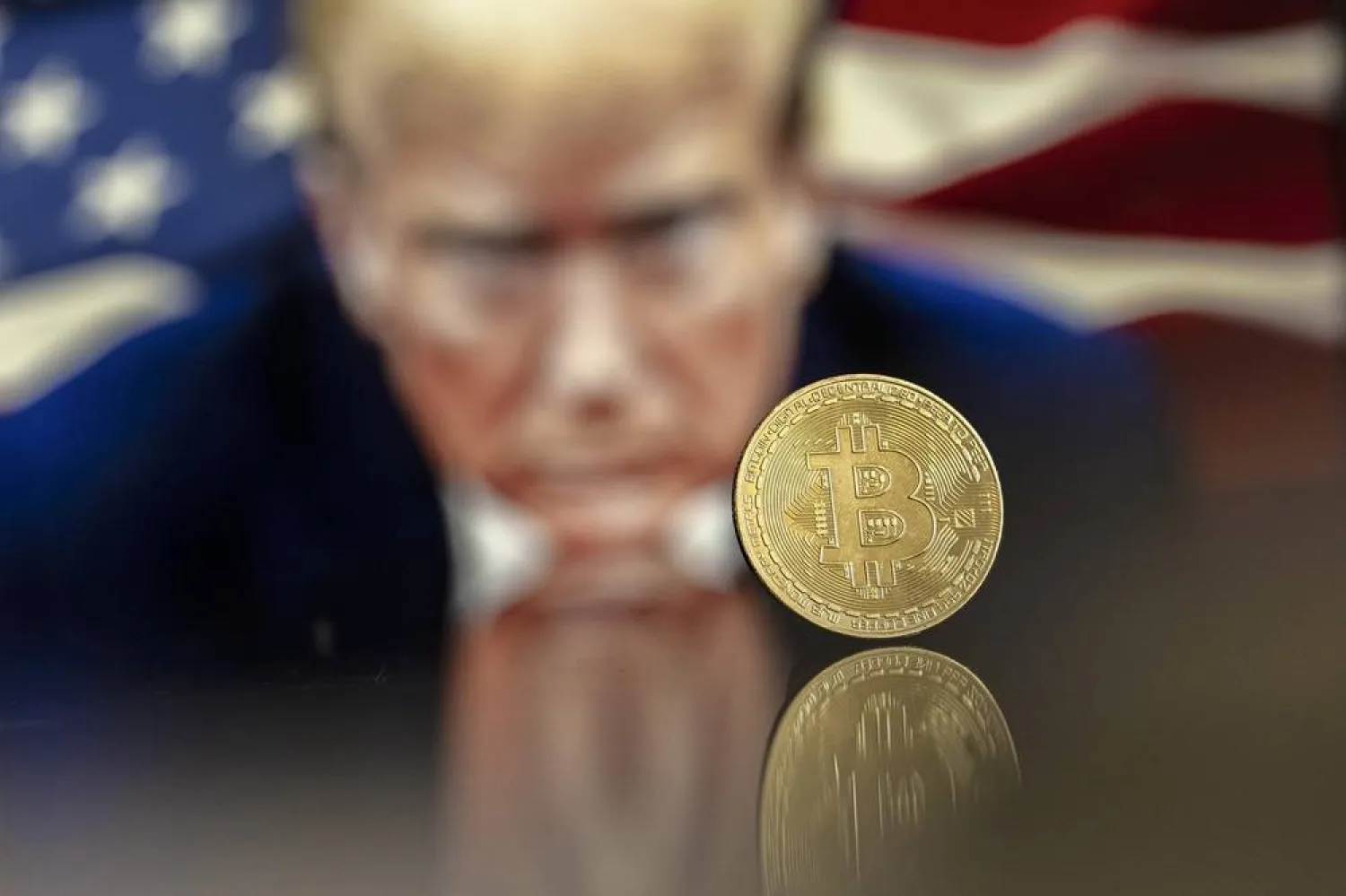
An illustration shows a Bitcoin mockup in front of an image of US President-elect Donald Trump, 22 November 2024 (reissued 16 December 2024). (EPA)
TT

Bitcoin Surges above $106,000 on Strategic Reserve Hopes

An illustration shows a Bitcoin mockup in front of an image of US President-elect Donald Trump, 22 November 2024 (reissued 16 December 2024). (EPA)

Bitcoin surged to a record high above $106,000 on Monday after President-elect Donald Trump suggested he plans to create a US bitcoin strategic reserve similar to its strategic oil reserve, stoking the enthusiasm of crypto bulls.

Bitcoin, the world's biggest and best-known cryptocurrency, hit a high of $106,533 and last traded up 3.2% to $104,462. Smaller crypto ether rose 1.5% to $3,965.

"We're in blue sky territory here," said Tony Sycamore, an analyst at IG. "The next figure the market will be looking for is $110,000. The pullback that a lot of people were waiting for just didn't happen, because now we've got this news."

Investor sentiment also got a lift from the inclusion of MicroStrategy into the tech-heavy Nasdaq 100 index that will likely lead to more inflows for the software firm turned bitcoin buyer.

Bitcoin and crypto have been catapulted into the spotlight as investors wager the incoming Trump administration will usher in a friendlier regulatory environment, boosting sentiment around the alternate currency. Bitcoin is up 192% for the year.

"We're gonna do something great with crypto because we don't want China or anybody else - not just China but others are embracing it - and we want to be the head," Trump told CNBC late last week.

When asked if he plans to build a crypto reserve similar to oil reserves, Trump said: "Yeah, I think so."

Governments around the world held 2.2% of bitcoin's total supply as of July, according to data provider CoinGecko, with the United States possessing nearly 200,000 bitcoins valued at more than $20 billion at current levels.

China, UK, Bhutan and El Salvador are the other countries with significant amounts of bitcoins, data site BitcoinTreasuries showed.

Other countries have also been considering cryptocurrency strategic reserves.

Russian President Vladimir Putin earlier this month said the current US administration was undermining the role of the US dollar as the reserve currency in the global economy by using it for political purposes, forcing many countries to turn to alternative assets, including cryptocurrencies.

"For example, bitcoin, who can prohibit it? No one," Putin said.

There are skeptics though, with Federal Reserve Chair Jerome Powell likening bitcoin to gold earlier this month. Analysts also point out that any such move will take time to implement.

"I think we still need to be cautious on a BTC strategic reserve, and at least consider that this is not likely to happen anytime soon," said Chris Weston, head of research at Pepperstone.

"Of course, any comment from Trump that offers an increased degree of hope that plans for a strategic reserve is evolving are an obvious a tailwind, but this would come with consequences which would need to be carefully considered and well telegraphed to market players."

CRYPTO BOOST

Bitcoin has surged more than 50% since the Nov. 5 election that saw Trump elected along with many other pro-crypto candidates. The total value of the cryptocurrency market has almost doubled over the year so far to hit a record over $3.8 trillion, according to CoinGecko.

Trump - who once labelled crypto a scam - embraced digital assets during his campaign, promising to make the United States the "crypto capital of the planet."

Trump this month named a White House czar for artificial intelligence and cryptocurrencies, former PayPal executive David Sacks, a close friend of Trump adviser and megadonor Elon Musk.

Trump also said he would nominate pro-crypto Washington attorney Paul Atkins to head the Securities and Exchange Commission.

On Friday, exchange operator Nasdaq said MicroStrategy will be added to the Nasdaq-100 Index, with the change coming into effect before the market opens on Dec. 23

MicroStrategy, an aggressive investor in the world's largest crypto asset, has seen its shares soar more than six-fold this year, taking its market value to almost $94 billion. It is now the largest corporate holder of the cryptocurrency.

Pepperstone's Weston said the market was "front running the idea that Michael Saylor (MicroStrategy CEO) will capitalize on the likely rally in the MicroStrategy share price, given the impending passive flows from its inclusion into the NAS100 - where he'll presumably sell shares and purchase more bitcoin."



US Stocks Dip on Mixed Earnings as Markets Monitor Iran

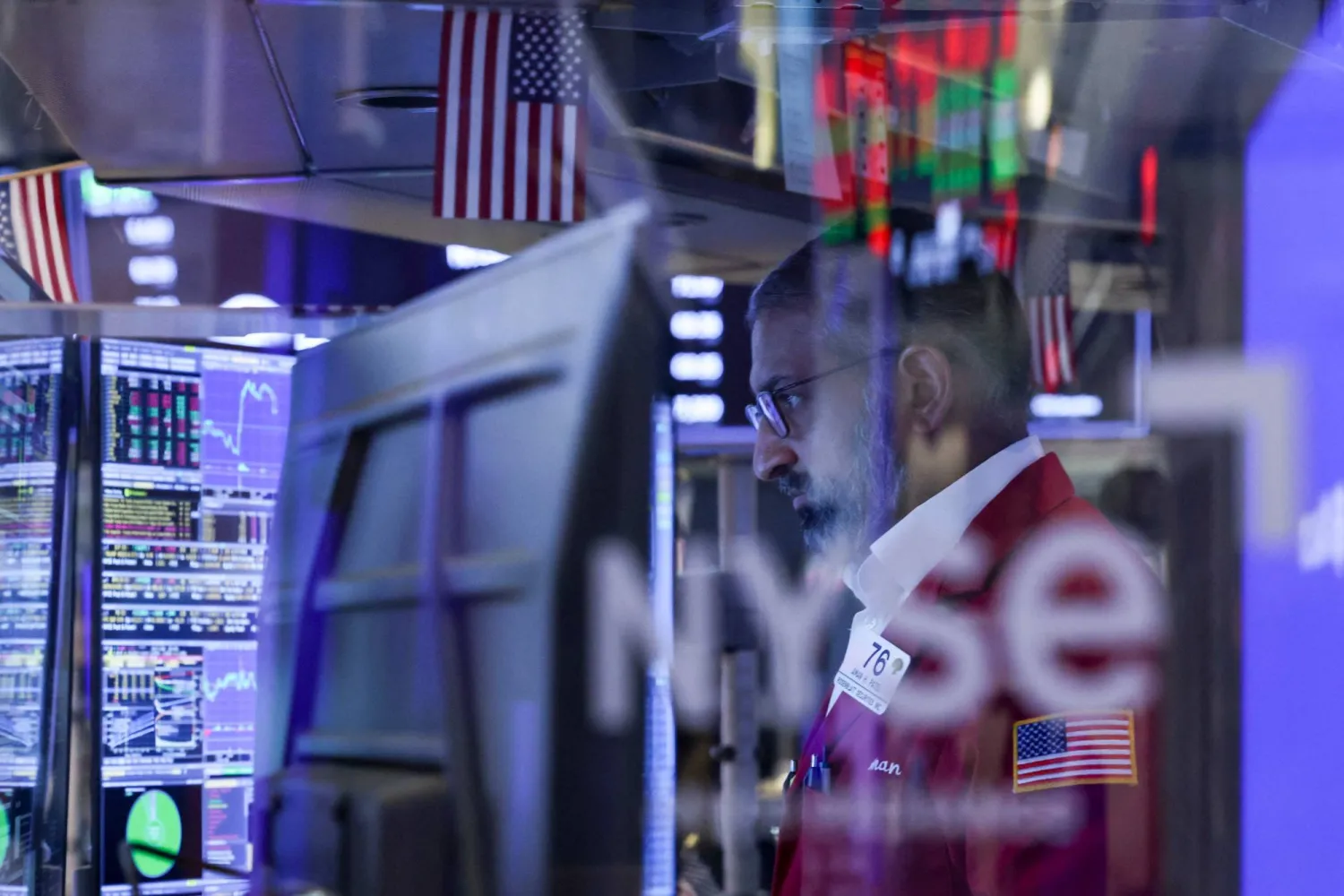
A trader works on the floor of the New York Stock Exchange (NYSE) at the opening bell in New York on March 24, 2026.  (Photo by ANGELA WEISS / AFP)
A trader works on the floor of the New York Stock Exchange (NYSE) at the opening bell in New York on March 24, 2026. (Photo by ANGELA WEISS / AFP)
TT

US Stocks Dip on Mixed Earnings as Markets Monitor Iran

A trader works on the floor of the New York Stock Exchange (NYSE) at the opening bell in New York on March 24, 2026.  (Photo by ANGELA WEISS / AFP)
A trader works on the floor of the New York Stock Exchange (NYSE) at the opening bell in New York on March 24, 2026. (Photo by ANGELA WEISS / AFP)

Wall Street stocks retreated from records early Thursday as markets digested a trove of mixed earnings reports and monitored the latest dynamics between the United States and Iran.

Analysts cited profit-taking after both the S&P 500 and Nasdaq shrugged off a jump in oil prices to finish at records on Wednesday.

About 10 minutes into trading, the Dow Jones Industrial Average was down 0.4 percent at 49,311.39, AFP reported.

The broad-based S&P 500 dipped 0.2 percent to 7,126.19, while the tech-rich Nasdaq Composite Index declined 0.3 percent to 24,588.07.

David Morrison, senior market analyst at FCA, called Thursday's early trading action "a mild bout of profit-taking triggered by some worrying reports of hostile action between the US and Iran," according to a note.

The US Defense Department said its forces boarded a vessel in the Indian Ocean that was transporting oil from Iran, while President Donald Trump announced on social media that he ordered the Navy to "shoot and kill" boats placing mines in the Strait of Hormuz.

Iran vowed it would keep the strait closed to all but a trickle of approved vessels for as long as the United States blockaded its ports.

Among companies reporting results, Tesla fell 1.7 percent and Lockheed Martin dropped 3.7 percent, while American Airlines jumped 4.9 percent.


What Does the Inclusion of Saudi Bonds in the J.P. Morgan Index Mean?

Saudi woman walks at the Saudi stock market in Riyadh - Reuters
TT

What Does the Inclusion of Saudi Bonds in the J.P. Morgan Index Mean?

Saudi woman walks at the Saudi stock market in Riyadh - Reuters

Saudi Arabia’s debt market is set for a strategic shift in early 2027, following J.P. Morgan’s announcement that local-currency bonds will be included in its global emerging markets bond index. The move represents a vote of confidence in the Kingdom’s structural reforms and is expected to open the door to substantial capital inflows that will help finance major economic transformation projects.

In a note, J.P. Morgan said the move follows a series of reforms to improve foreign investor access and enhance local market capabilities.

The bank added that Saudi sukuk, Shariah-compliant debt instruments that function similarly to bonds, with a remaining maturity of up to 15 years, will be eligible for inclusion in the Government Bond Index-Emerging Markets (GBI-EM), the most widely tracked benchmark of its kind, with $233 billion in assets tracking it.

J.P. Morgan said eight sukuk issues would be eligible for inclusion, with a total value of $69 billion.

The Kingdom’s inclusion in the index is expected to boost liquidity and demand for sovereign debt, contributing to lower borrowing costs.

In September, J.P. Morgan had placed Saudi Arabia on “Positive Index Watch,” paving the way for its eventual inclusion in the GBI-EM.

Commenting on the decision, Saudi Finance Minister Mohammed Al-Jadaan told Bloomberg that the move reflects continued confidence in the Kingdom’s economic transformation trajectory. He said the inclusion marks a new milestone in Saudi Arabia’s integration into global financial markets, adding that its immediate impact will be seen in broadening and diversifying the investor base and supporting long-term capital inflows into the domestic debt market, thereby strengthening the resilience and stability of the national economy.

The Significance of the Index

The importance of J.P. Morgan’s index lies in its role as a benchmark guiding major global fund allocations, particularly passive funds that track indices automatically. With an expected weighting of around 2.52 percent, Saudi bonds will become a core component of international investor portfolios, increasing government bond liquidity and reducing borrowing costs over the long term, a critical factor for the Kingdom’s economy.

Passive funds play a key role in ensuring steady inflows. Trillions of dollars globally are managed through such funds. Once Saudi Arabia is included in the index, these funds will purchase Saudi bonds to remain aligned with it. Unlike active investors, they do not rapidly buy or sell based on daily news or market sentiment, but continue to hold bonds as long as they remain in the index, providing significant stability to the Saudi debt market. Their participation also ensures a constant base of large-scale buyers, facilitating bond trading at any time.

Reforms That Paved the Way

This inclusion is the result of a series of regulatory reforms highlighted by the bank in its note. Saudi Arabia has improved international investor access by linking to the global Euroclear system, expanding its network of primary dealers to include international banks, and facilitating cross-border settlement and trading. These measures have enhanced legal certainty and transparency, making the Saudi debt market an attractive and secure destination for foreign capital.

Financial Stability Amid Regional Challenges

Beyond its economic dimensions, the move carries strategic significance amid ongoing geopolitical tensions in the region. Increased inflows into local bonds are expected to strengthen the government’s ability to manage any economic fallout from regional instability. It underscores the resilience and attractiveness of the Saudi economy, demonstrating its capacity to attract quality investment and secure the financing needed for its development plans regardless of external challenges.


S&P Warns African Sovereign Credit Rating Risks Likely to Worsen

Central Bank of Egypt building (A.P.)
TT

S&P Warns African Sovereign Credit Rating Risks Likely to Worsen

Central Bank of Egypt building (A.P.)

S&P Global Ratings warned on Thursday that the risks to African sovereign credit scores were likely to worsen the longer the Middle East war drags on.

The ratings agency said that higher fuel and fertilizer import costs would increase inflation and fiscal strains for countries, "potentially leading to rating pressure".

Egypt, Mozambique and Rwanda are among the "most exposed" the agency said, although Egypt's deep domestic capital markets and Rwanda's high levels of concessional debt provide some offset, according to Reuters.

Less exposed are net-oil exporters Nigeria, Angola and Congo-Brazzaville as well as Morocco, due to stronger foreign-currency reserves.

S&P's "base case" assumed that the conflict will peak and that the Strait of Hormuz will gradually reopen but related disruptions will likely persist for months. A resumption of hostilities and a more prolonged conflict would present a greater threat to many African sovereigns.

The ratings agency said it expected Africa's borrowing costs to increase due to war's impacts and as a result of global risk aversion.

S&P in recent weeks kept Egypt's credit rating on a "stable" outlook and affirmed ratings for Morocco, Ghana and Mozambique.