


Alswaha: Saudi Arabia's Participation at WEF Strengthens Global Efforts in AI Technologies

Saudi Minister of Communications and Information Technology Eng. Abdullah Alswaha. SPA file photo
TT

Alswaha: Saudi Arabia's Participation at WEF Strengthens Global Efforts in AI Technologies

Saudi Minister of Communications and Information Technology Eng. Abdullah Alswaha. SPA file photo

Saudi Minister of Communications and Information Technology Abdullah Alswaha has underlined the Kingdom's pivotal role in driving the global agenda to enhance the digital economy, foster innovation, and leverage artificial intelligence (AI) to serve humanity and protect the planet.

In a statement to the Saudi Press Agency (SPA), he highlighted that the Kingdom's international standing is a result of the support and guidance of the Custodian of the Two Holy Mosques, King Salman bin Abdulaziz Al Saud, and Crown Prince Mohammed bin Salman bin Abdulaziz Al Saud.

The minister explained that Saudi Arabia's participation in the annual meeting of the World Economic Forum (WEF) in Davos, held from January 20 to 24, comes at a time when the world is transitioning from the digital age to the AI age.

This underscores the Kingdom's significant role in leading global efforts to promote innovation and utilize AI for the benefit of humanity.

He noted that the annual high-profile gathering provides a global platform to showcase the Kingdom's developmental, economic, and technological achievements under the framework of Saudi Vision 2030, made possible by the support of the Kingdom's leadership.

Alswaha said that Saudi Arabia is working in partnership with the international community to harness AI as a key tool for advancing sustainable development and achieving global goals, adding that these efforts aim to improve quality of life, support the digital economy, and create new job opportunities across various sectors, contributing to a sustainable and prosperous future for all.


Iraq Elections: Ballot Boxes to Shape the Nation’s Economy, Not Just its Parliament

An Iraqi voter carries her child, who is holding the national flag, at a polling station in the southern city of Basra. (AFP)
TT

Iraq Elections: Ballot Boxes to Shape the Nation’s Economy, Not Just its Parliament

An Iraqi voter carries her child, who is holding the national flag, at a polling station in the southern city of Basra. (AFP)

Iraqis headed to the polls on Tuesday in their sixth parliamentary election since 2005, in a vote seen as pivotal not only for politics but for the country’s economic future. While the political atmosphere is relatively calm, international financial institutions warn that Iraq faces deep structural challenges requiring urgent reform by the next government.

Prime Minister Mohammed Shia al-Sudani, seeking a second term, pledged sweeping financial reforms, describing the next phase as requiring “surgical operations” to reduce the budget deficit and increase non-oil revenues.

He admitted to adding about 700,000 public-sector jobs over the past three years to avert unrest like the anti-government 2019 protests, a move that has swollen the civil service to four million employees. Nearly 90 percent of public spending now goes to salaries, pensions, and subsidies, according to Bloomberg.

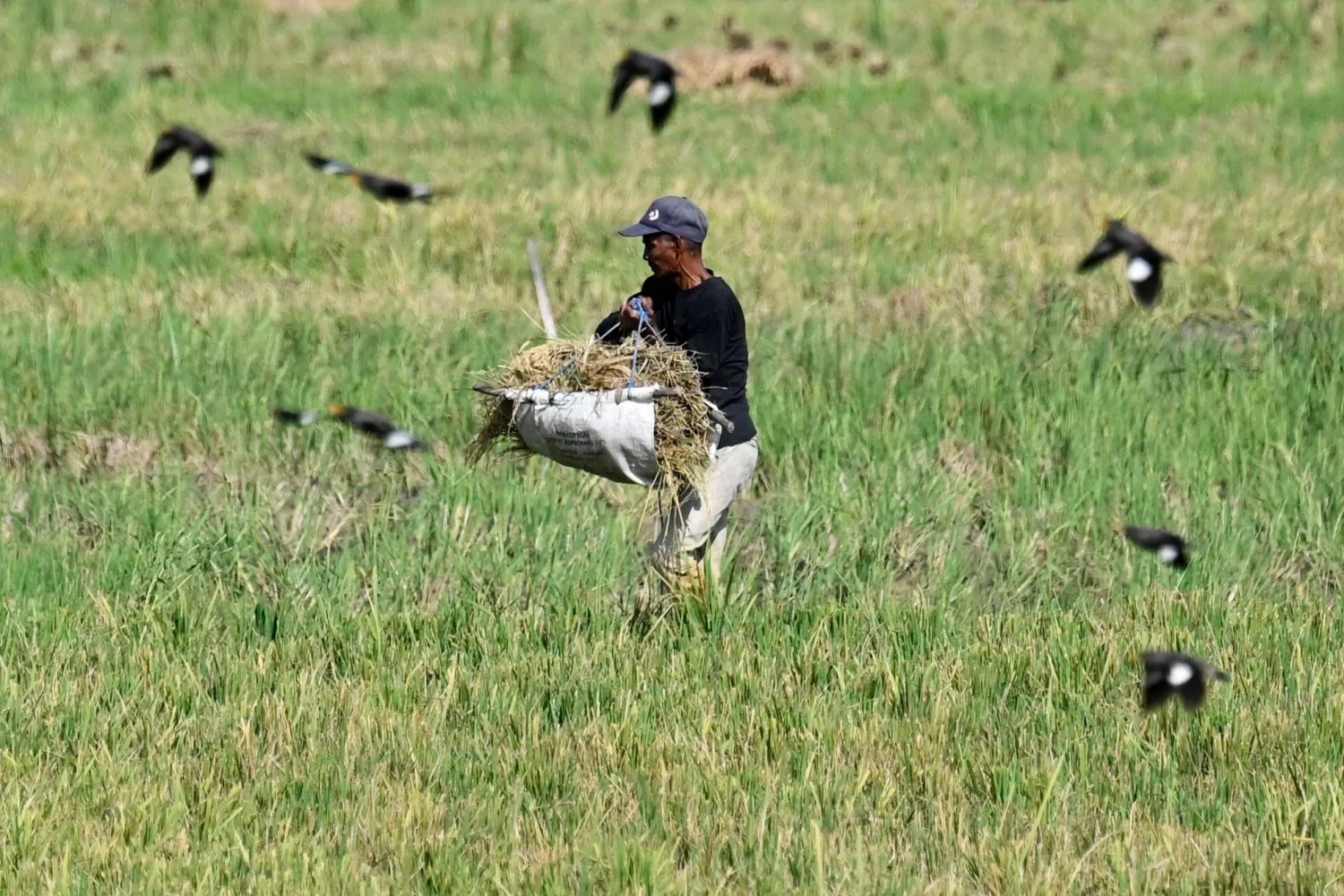
Al-Sudani vowed to redirect Iraq’s youth, who make up around 60 percent of the population, toward private-sector employment by easing regulations and attracting foreign investment in key areas such as industry, tourism, and agriculture. He also signaled “preferential conditions” for US energy firms to develop the hydrocarbons sector.

Iraq’s core challenge remains financial sustainability, undermined by dependence on oil and unsustainable spending. Oil revenues still account for over 90 percent of government income, leaving the country vulnerable to global price fluctuations and OPEC+ decisions.

Public wages and pensions now consume more than 60 percent of the 2024 budget, leaving little room for investment.

The International Monetary Fund (IMF) estimates that Iraq now needs oil prices above $84 a barrel to balance its budget, up from $54 in 2020. With Brent crude expected to average below $70 in 2025, Baghdad faces growing fiscal strain that could threaten salary payments, as occurred in 2020.

Without swift corrective measures, government debt could rise to 62.3 percent of GDP by 2026.

Meanwhile, the non-oil sector - key to diversifying the economy - has sharply slowed, with growth falling from 13.8 percent in 2023 to 2.5 percent in 2024.

Persistent corruption, weak governance, chronic electricity shortages, and a fragile banking system continue to weigh on productivity and private sector growth.

Economists say the next government must act quickly. In the short term, spending plans for 2025 should be reviewed to curb nonessential expenditures and preserve liquidity. Over the medium term, fiscal adjustments of 1 to 1.5 percent of non-oil GDP annually are needed to stabilize debt.

Key reforms include strengthening tax and customs administration, revising income-tax exemptions, introducing a potential sales tax, and rationalizing the wage and pension systems. Protecting capital investment in infrastructure, particularly in transport and energy, is seen as crucial for long-term diversification.

The new government’s first test will be passing the 2026 budget amid falling oil prices. Despite the return of some international players such as ExxonMobil, foreign investment remains cautious due to security concerns and interference by armed groups in projects.

Ultimately, Iraq’s next leadership faces an existential economic challenge: to begin painful reforms that reduce oil dependency and tame the ballooning wage bill, or risk renewed financial and social instability.

Lasting stability, analysts say, will require more than temporary calm; it demands genuine governance reform and the political will to turn promises into action.


Aramco Signs 28 MoUs Worth Over $1 Billion at Middle East Corrosion Conference

Wail Al-Jaafari, Executive Vice President of Technical Services at Saudi Aramco, speaks to the audience (Asharq Al-Awsat).
TT

Aramco Signs 28 MoUs Worth Over $1 Billion at Middle East Corrosion Conference

Wail Al-Jaafari, Executive Vice President of Technical Services at Saudi Aramco, speaks to the audience (Asharq Al-Awsat).

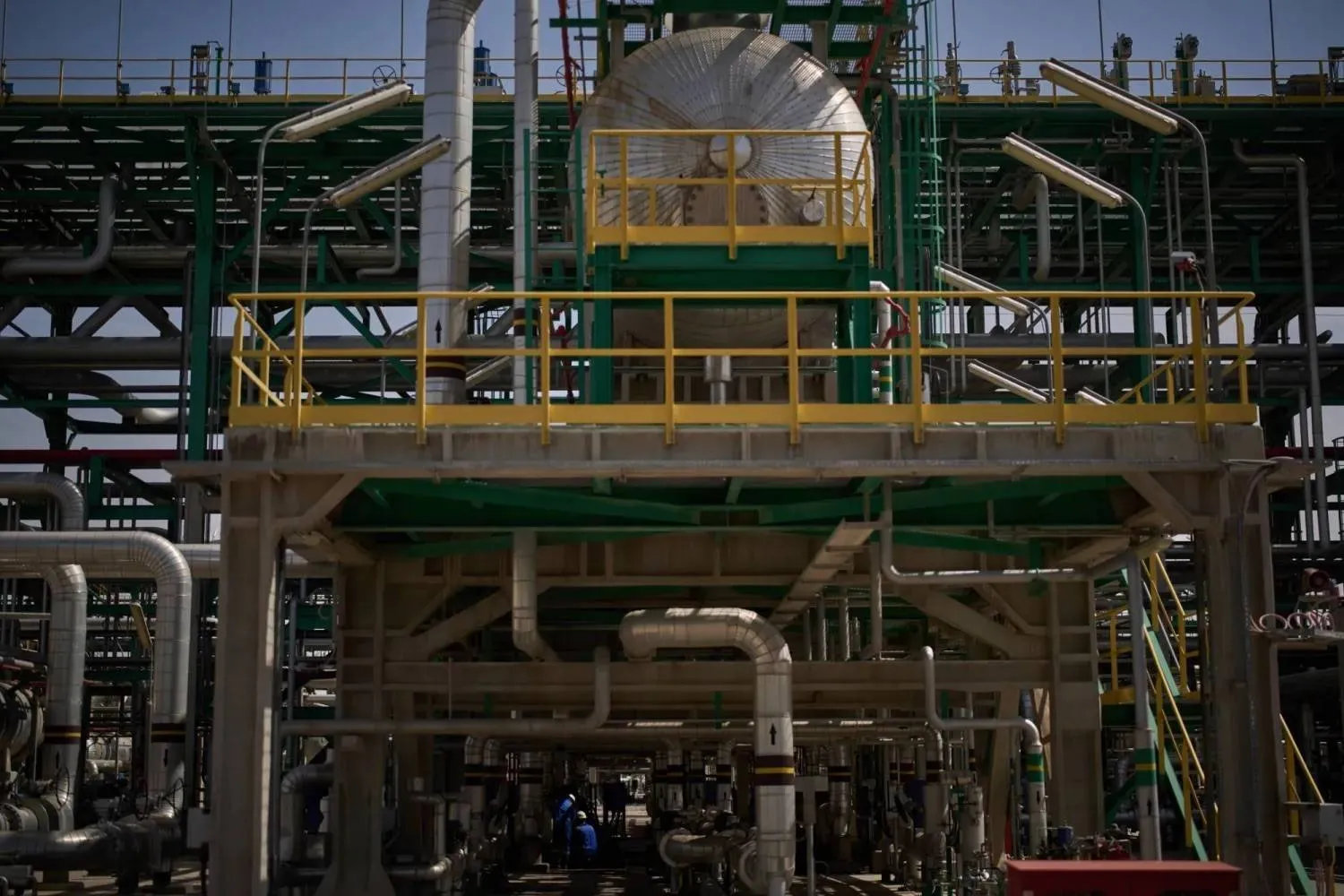
Saudi Aramco announced the signing of 28 memorandums of understanding (MoUs) worth more than $1 billion during the 19th Middle East Corrosion Conference and Exhibition, held in Dhahran, eastern Saudi Arabia.

The agreements cover proposed collaborations in research and development of advanced materials and technologies, the establishment of local manufacturing facilities, and joint training and development initiatives.

The event, hosted in the Kingdom for the first time, brought together thousands of experts to discuss methods to prevent metal corrosion, a global issue that costs an estimated $3 trillion annually.

In his opening remarks, Wail Al-Jaafari, Aramco’s Executive Vice President of Technical Services, described corrosion as “not merely a technical challenge but a strategic priority tied directly to operational reliability, safety, and environmental responsibility.”

Al-Jaafari noted that Aramco has invested more than $70 million over the past three years in corrosion management technologies, resulting in savings exceeding $770 million.

“We now use AI-powered solutions to predict corrosion before it occurs through an extensive network of Internet of Things sensors across our facilities and pipelines,” he said. “This network provides more than ten million readings annually to monitor corrosion at over 40 sites.”

He added that Aramco’s ambitions go beyond its own facilities. “We are combining our expertise, knowledge, and intellectual property with artificial intelligence to develop advanced solutions serving the wider energy and industrial sectors.”

Highlighting the economic potential of AI, Ahmad Al-Khowaiter, Aramco’s Executive Vice President of Technology and Innovation, said global corrosion-related costs amount to nearly 3 percent of global GDP.

“Studies show that applying AI and other advanced technologies could save about $1 trillion annually. Every dollar lost to corrosion increases risks to safety, the environment, and the continuity of energy supplies that billions depend on. AI allows us to anticipate failures, improve maintenance schedules, and extend the lifespan of critical assets.”

Al-Khowaiter stressed that the combination of cutting-edge technologies, skilled talent, and strategic partnerships would enable Aramco to lead the energy sector’s transition and set new global benchmarks for the AI era.

The Middle East Corrosion Conference, first held in 1979, is the region’s oldest and largest event dedicated to corrosion studies. This year’s edition attracted over 5,200 participants from 45 countries, featured more than 300 research papers and 25 workshops, and hosted the first student hackathon on innovation in corrosion science and materials engineering.


China, Spain Signs Agreements to Strengthen Cooperation on Spanish King’s Visit 

Spain's King Felipe VI and Chinese President Xi Jinping, right, shake hands after a signing ceremony at the Great Hall of the People in Beijing, China, Wednesday, Nov. 12, 2025. (Maxim Shemetov/Pool Photo via AP)
TT

China, Spain Signs Agreements to Strengthen Cooperation on Spanish King’s Visit 

Spain's King Felipe VI and Chinese President Xi Jinping, right, shake hands after a signing ceremony at the Great Hall of the People in Beijing, China, Wednesday, Nov. 12, 2025. (Maxim Shemetov/Pool Photo via AP)

Spanish King Felipe VI and Chinese President Xi Jinping signed agreements on language exchanges and other areas Wednesday as both sides vowed to strengthen their cooperation.

The monarch's visit comes as Spain, the eurozone’s fourth-largest economy, continues its courtship of China and Chinese investment while the relationship with the United States is strained under President Donald Trump. In April, Spanish Prime Minister Pedro Sanchez, head of the country's government, made his third visit to China in as many years.

Spain is one of the more friendly countries to China relative to others in the European Union in recent years.

Felipe and Queen Letizia were met by Xi and his wife Peng Liyuan in front of Beijing's Great Hall of the People and were greeted with a performance by the military band and a 21-gun salute. This is the first state visit for the Spanish king to China, and he was also accompanied by Spanish Foreign Minister Jose Manuel Albares.

“China stands ready to work hand in hand with Spain to build a comprehensive strategic partnership that is more strategically steady, more dynamic in development, and more influential internationally,” said Xi in his opening remarks, particularly while the international situation is “complex and volatile.”

He said that China would also import more Spanish products, without specifying, according to a readout of the meeting from the official Xinhua news.

Felipe and Xi signed agreements promoting cooperation in language exchanges, economic issues, and exporting aquatic products to China.

Felipe is also scheduled to meet with Chinese Premier Li Qiang and Zhao Leji, chairman of China’s top legislative body.

The monarch’s first stop in China was the city of Chengdu, where alongside Spain’s foreign minister and economy minister, he attended a Spain-China business forum with several Spanish business leaders.

Spain has taken a less adversarial stance toward China and has sought to reposition trade relations with the country, whose exports to Spain are far greater than those of the Iberian nation of 49.4 million people to China, which has a population of more than 1.4 billion.

After meeting with Xi in April, Sanchez said Spain was in favor of “more balanced relations between the European Union and China.” The EU negotiates trade terms on behalf of all 27 member countries.

The last time a Spanish monarch visited China on an official state trip was in 2007. Xi last visited Spain in 2018.

Spain generated more than half of its electricity last year from renewable sources, and needs Chinese critical raw materials, solar panels and green technologies in its transition away from fossil fuels, similar to other EU countries. Xi said both sides could further explore cooperation in renewable energy and artificial intelligence.

Last year, Chinese electric battery company CATL announced a joint venture with automaker Stellantis to build a battery factory in northern Spain. That followed deals between Spain and Chinese companies Envision and Hygreen Energy to build green hydrogen infrastructure in the country.