
After Three Years of War, Trump Hands Russian Economy a Lifeline 

A pedestrian walks past a puddle near buildings of the Moscow City international business center during sunset in Moscow, Russia, February 23, 2025. (Reuters)
TT

After Three Years of War, Trump Hands Russian Economy a Lifeline 

A pedestrian walks past a puddle near buildings of the Moscow City international business center during sunset in Moscow, Russia, February 23, 2025. (Reuters)

Russia's overheating economy is on the cusp of serious cooling, as huge fiscal stimulus, soaring interest rates, stubbornly high inflation and Western sanctions take their toll, but after three years of war, Washington may just have thrown Moscow a lifeline.

US President Donald Trump is pushing for a quick deal to end the war in Ukraine, alarming Washington's European allies by leaving them and Ukraine out of initial talks with Russia and blaming Ukraine for Russia's 2022 invasion, political gifts for Moscow that could also bring strong economic benefits.

Washington's push comes as Moscow faces two undesirable options, according to Oleg Vyugin, former deputy chairman of Russia's central bank.

Russia can either stop inflating military spending as it presses to gain territory in Ukraine, he said, or maintain it and pay the price with years of slow growth, high inflation and falling living standards, all of which carry political risks.

Though government spending usually stimulates growth, non-regenerative spending on missiles at the expense of civilian sectors has caused overheating to the extent that interest rates at 21% are slowing corporate investment and inflation cannot be tamed.

"For economic reasons, Russia is interested in negotiating a diplomatic end to the conflict," Vyugin said. "(This) will avoid further increasing the redistribution of limited resources for unproductive purposes. It's the only way to avoid stagflation."

While Russia is unlikely to swiftly reduce defense spending, which accounts for about a third of all budget expenditure, the prospect of a deal should ease other economic pressures, could bring sanctions relief and eventually the return of Western firms.

"The Russians will be reluctant to stop spending on arms production overnight, afraid of causing a recession, and because they need to restore the army," said Alexander Kolyandr, researcher at the Center for European Policy Analysis (CEPA). "But by letting some soldiers go, that would take a bit of pressure off the labor market."

War-related recruitment and emigration have caused widespread labor shortages, pushing Russian unemployment to a record low 2.3%.

Inflation pressure could also ease, Kolyandr added, as peace prospects may make Washington less likely to enforce secondary sanctions on companies from countries like China, making imports more straightforward and, therefore, cheaper.

NATURAL SLOWDOWN

Russian markets have already seen a boost. The rouble surged to a near six-month high against the dollar on Friday, buoyed by prospects for sanctions relief.

Russia's economy has grown strongly since a small contraction in 2022, but authorities expect 2024's 4.1% growth to slow to around 1-2% this year and the central bank is not yet seeing sustainable grounds to cut rates.

When holding rates at 21% on February 14, Central Bank Governor Elvira Nabiullina said demand growth has long been faster than production capacity, hence the natural slowdown in growth.

The bank's challenge in finding a balance between growing the economy and lowering inflation is complicated by rampant fiscal stimulus.

Russia's fiscal deficit ballooned to 1.7 trillion roubles ($19.21 billion) in January alone, a 14-fold increase year on year as Moscow frontloads 2025 spending.

"...it is very important for us that the budget deficit...remains as the government is currently planning," Nabiullina said.

The finance ministry, which expects a 1.2-trillion-rouble deficit for 2025 as a whole, rejigged its budget plans three times last year.

CARROT & STICK

The war has brought economic advantages for some Russians, but pain for others.

For workers in sectors linked to the military, fiscal stimulus has sharply raised wages, while others in civilian sectors struggle with soaring prices for basic goods.

Some businesses have seized opportunities presented by huge shifts in trade flows and reduced competition. For example, Melon Fashion Group's revenues have steadily risen as it has ridden the consumer demand wave.

Melon's brands have significantly expanded over the last two years, the company told Reuters, and since 2023, the average size of stores it opens has doubled. But for many others, high rates pose a serious challenge.

"At current lending rates, it is difficult for developments to launch new projects," said Elena Bondarchuk, founder of warehouse developer Orientir. "The once-wide circle of investors has narrowed and those who remain are also dependent on banks' terms."

Lower oil prices, budget constraints and a rise in bad corporate debt are among the top economic risks facing Russia, internal documents seen by Reuters show. And Trump, though dangling the carrot of concessions over Ukraine, has threatened additional sanctions if no deal is forthcoming.

"The United States has significant leverage in terms of the economy and it's why the Russians are happy to meet," Chris Weafer, chief executive of Macro-Advisory Ltd, told Reuters.

"The United States is saying: 'We can ease sanctions if you cooperate, but if you don't, we can make it a hell of a lot worse'."

Saudi Arabia Expands Tourist E-Visa Eligibility to Four More Countries

The tourist visa allows visitors to attend events, perform Umrah, and visit exhibitions and conferences (SPA)
TT

Saudi Arabia Expands Tourist E-Visa Eligibility to Four More Countries

The tourist visa allows visitors to attend events, perform Umrah, and visit exhibitions and conferences (SPA)

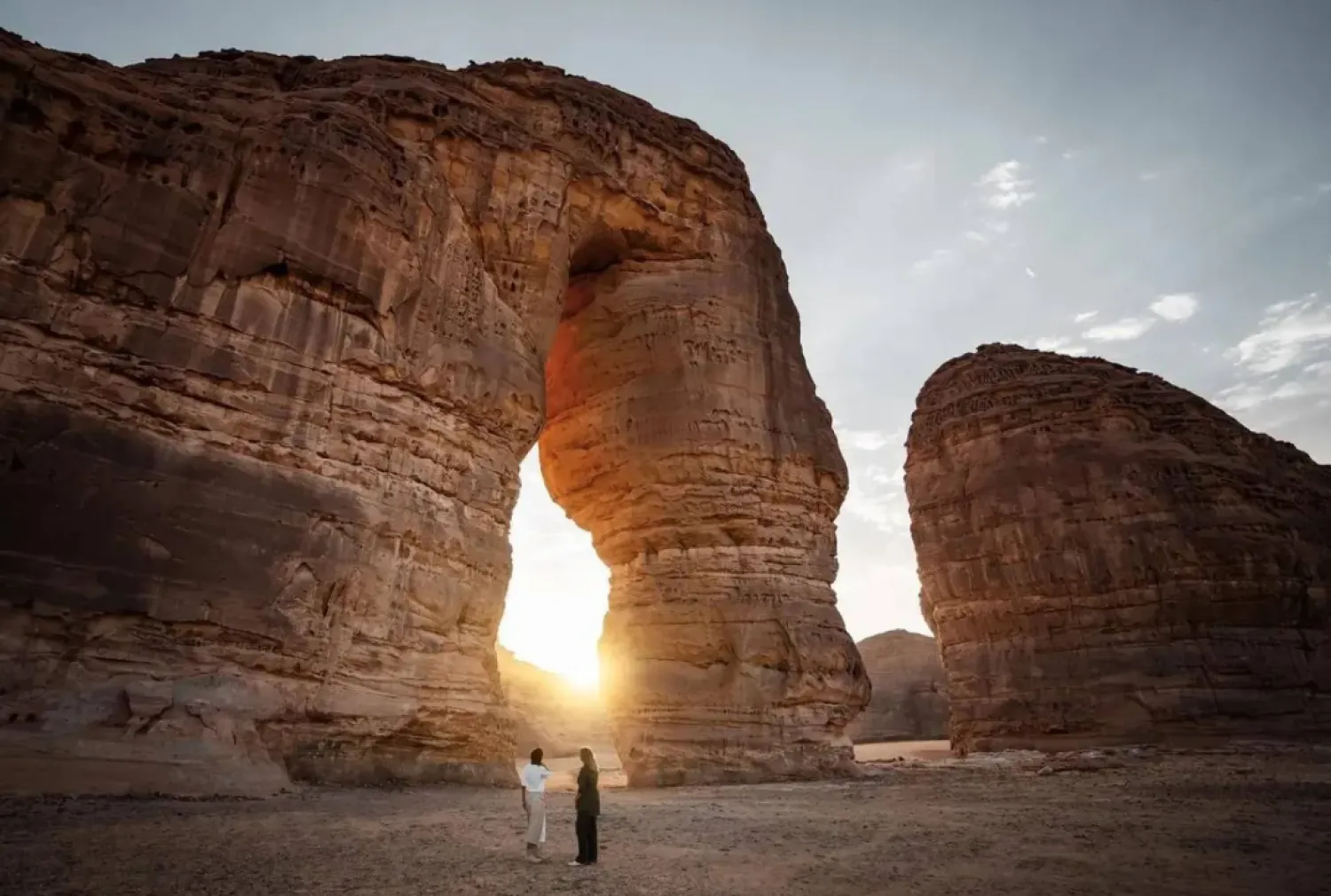
Saudi Arabia has expanded its electronic tourist visa program by adding four countries to the list of eligible nationalities: Mexico, North Macedonia, Serbia, and Bosnia and Herzegovina.

The Ministry of Tourism said the move is part of ongoing efforts to facilitate travel to the Kingdom for visitors from around the world, allowing citizens of the newly added countries to apply electronically for tourist visit visas.

The tourist visa also permits holders to attend events, perform Umrah, visit exhibitions and conferences, and visit relatives and friends, in accordance with applicable regulations and instructions.


50-Year Contracts Open New Horizons for Real Estate Investment in Saudi Arabia

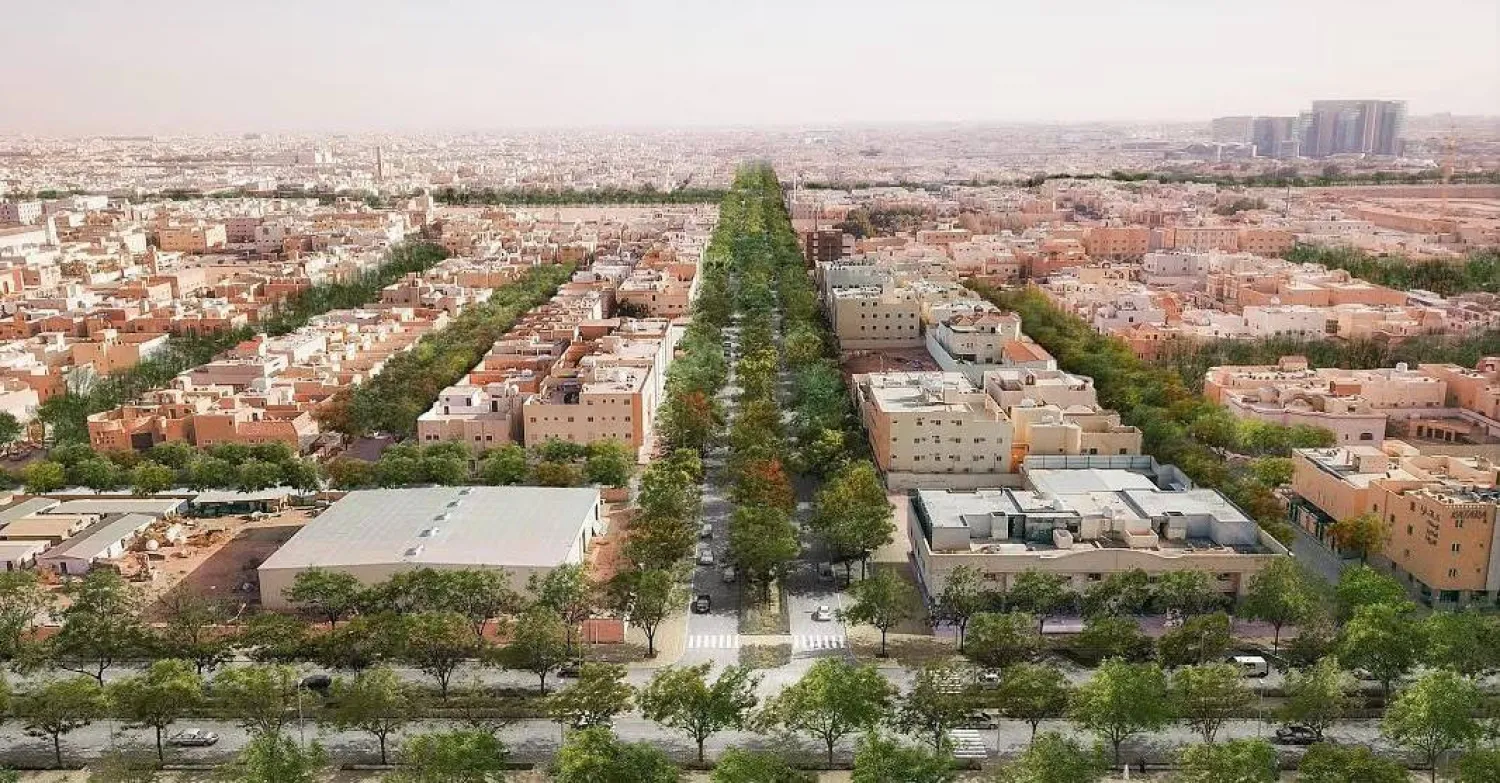
A neighborhood in the Saudi capital, Riyadh (SPA)
TT

50-Year Contracts Open New Horizons for Real Estate Investment in Saudi Arabia

A neighborhood in the Saudi capital, Riyadh (SPA)

Long-term real estate investment models are opening new opportunities for Saudi Arabia's private sector, as the Kingdom seeks to expand partnerships with investors to develop municipal assets and transform them into mixed-use projects.

The approach is expected to enhance the appeal of the real estate market, create investment opportunities spanning decades, and attract domestic and international capital to urban development. It also aims to improve land-use efficiency, maximize the economic value of municipal assets and increase housing supply.

Riyadh Region Municipality, the Ministry of Municipalities and Housing, and the National Center for Privatization & PPP (NCP) announced the launch of the expression of interest, prequalification and proposal submission phases for a joint land investment project in northern Riyadh.

The project involves developing a plot of municipal land under a 50-year partnership with the private sector, marking the municipality's first initiative under this joint investment model.

The private-sector partner will be responsible for designing, constructing, operating and maintaining all project facilities.

Located on Zaid bin Asim Street, the strategically positioned 30,015-square-meter site benefits from flexible urban planning regulations that allow for mixed-use development, including residential, commercial, office and recreational facilities.

The project aims to deliver high-quality developments that meet growing demand, serve local residents and community needs, and strengthen Riyadh's urban infrastructure.

Long-Term Investment Strategies

Offering investment opportunities through contracts extending up to 50 years represents a shift in how Saudi Arabia develops government-owned real estate assets.

The model gives private-sector investors a longer timeframe to develop projects and implement long-term investment strategies, overcoming some of the limitations associated with short- and medium-term contracts.

It also strengthens investors' ability to undertake financial and operational planning, allowing them to recover development costs and generate investment returns over a longer period.

This could make such opportunities more attractive to real estate companies and institutional investors.

The project forms part of Riyadh Region Municipality's strategy to improve the efficiency of municipal asset management, expand private-sector participation in urban development and attract high-value investments.

These efforts are intended to promote sustainable urban development, keep pace with the capital's rapid growth and advance Saudi Vision 2030 objectives, in line with the municipality's ambition to help create a prosperous, sustainable Riyadh with a higher quality of life.

Project Sustainability

Real estate expert Khaled al-Mobid said the launch of a 50-year investment project in Riyadh's Al-Narjis district represents an important step toward enabling the private sector to develop real estate assets and transform them into sustainable projects with substantial economic value.

Speaking to Asharq Al-Awsat, he explained that the extended investment period encourages developers to improve construction quality and services while enhancing the financial viability of projects.

He added that the model could help diversify real estate offerings and increase supply in one of the capital's most expensive neighborhoods.

Al-Mobid said the project's significance lies less in its immediate impact on property prices than in its potential to establish a replicable investment model.

Such a model, he noted, could gradually increase supply, strengthen competition and contribute to greater price stability across Riyadh's real estate market.

Diversifying Real Estate Supply

Real estate developer Ahmed Omar Basoudan said the importance of these contracts extends beyond simply making land available to investors.

They also create opportunities to develop integrated real estate assets combining residential, commercial, office and recreational uses, increasing the economic value of land and improving its utilization.

Speaking to Asharq Al-Awsat, Basoudan explained that bringing design, construction, operation and maintenance together under a single investment framework allows for more integrated developments.

It also creates a stronger link between construction quality, operational efficiency and long-term sustainability.

At the broader market level, he said, the model could help diversify real estate offerings, particularly in major cities experiencing rapid urban expansion and rising demand for residential, commercial and office space.

The participation of new developers and operators could also strengthen competition and improve the quality of projects and services.

Moreover, the approach could create integrated mixed-use urban destinations that meet residents' needs and support economic activity, rather than relying solely on conventional real estate development.


Replicating the Model


According to Basoudan, the success of this investment model will depend on how effectively contracts are structured, how risks are allocated between government entities and investors, and how clearly development, operation and maintenance obligations are defined.

Equally important, he said, is striking an appropriate balance between investment returns and the public interest.

Basoudan believes extending the model to other municipalities and regions could create an additional channel for attracting domestic and international investment.

It could also strengthen private-sector participation in urban development, in line with Saudi Vision 2030 objectives to diversify the economy and improve the efficiency of government asset management.


Gold Rallies as Dollar, Treasury Yields Soften after US Midterm Results

Gold chips displayed at a state-owned gold retail store in Surabaya, East Java (AFP)
TT

Gold Rallies as Dollar, Treasury Yields Soften after US Midterm Results

Gold chips displayed at a state-owned gold retail store in Surabaya, East Java (AFP)

Gold climbed to its highest level in over two weeks on Thursday as the fallout from the US midterm election results rippled through the global financial and oil markets.

Spot gold rose 1.6% to $4,124.89 per ounce by 0752 GMT. It touched $4,146.63 per ounce, its highest level since October 20, earlier in ‌the session.

Bullion ‌climbed about 3.4% on Wednesday, its biggest ‌daily gain ⁠since August 19.

US ⁠gold futures for December delivery climbed 1.5% to $4,135.40, Reuters said.

A weaker dollar and lower Treasury yields have helped gold recover above the key $4,000 level, though holding above that threshold remains crucial for the recovery outlook, said Linh Tran, market analyst at XS.com.

"If investment flows and yield movements continue to provide support, gold could stabilize ⁠above $4,000, also opening up an opportunity for a ‌recovery toward $4,200, followed by $4,400."

Oil prices ‌were slightly higher after earlier falling for a fourth day on ‌expectations that the losses US President Donald Trump's Republican Party ‌suffered in congressional elections this week may reduce the risk of further escalation of the US-Israeli war with Iran.

Lower energy prices ease inflationary pressures, reducing expectations that the central bank will keep interest rates higher ‌for longer, supporting the appeal of non-yielding bullion.

The dollar slid to its lowest in more ⁠than a ⁠month, and 10-year US Treasury yield fell to its lowest since September 10.

A weaker dollar makes greenback-priced bullion more affordable for holders of other currencies.

Market participants now await the US non-farm payrolls report on Friday to further gauge the Federal Reserve's monetary policy outlook.

Meanwhile, Citi has a 0-3 month price target of $4,500 per ounce for gold, the brokerage said on Wednesday, as it sees substantial upside potential if the Strait of Hormuz reopens and the Yemen/Saudi conflict de-escalates.

Among other metals, spot silver rose 0.8% to $52.63 per ounce, platinum gained 1.2% to $1,514.20 and palladium climbed 2.2% to $1,026.83.