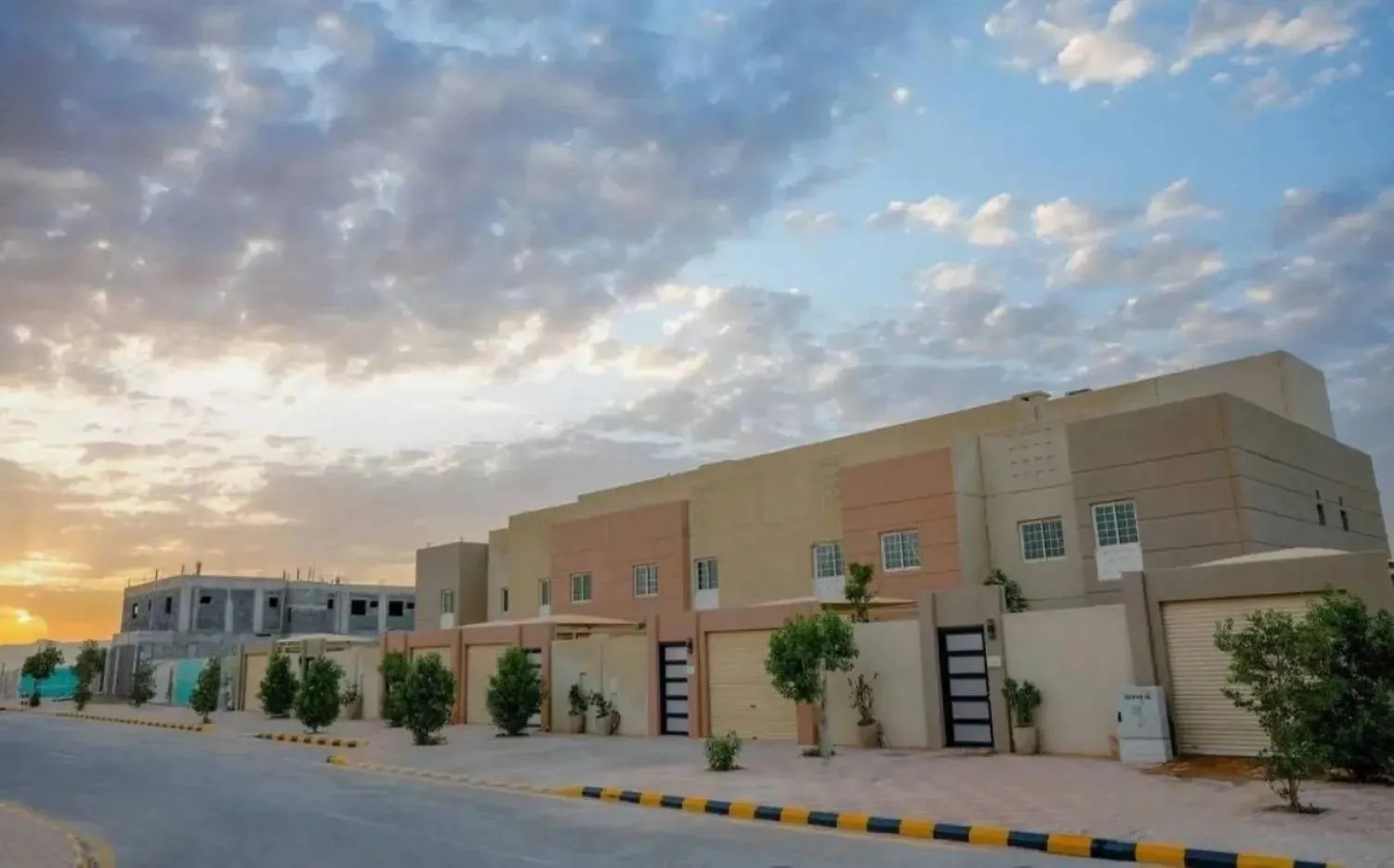

Saudi Arabia’s real estate sector, particularly in Riyadh, is undergoing a new phase of regulation and reform designed to bring long-term stability, enhance transparency, and protect the rights of all stakeholders. The measures reflect the government’s continued commitment to building a sustainable and diversified economy under Vision 2030, expanding homeownership, and attracting both domestic and foreign investment.
Officials expect the market to experience a clear rebalancing over the next five years, with the focus shifting from quantity to quality. This new phase focuses on affordable homeownership programs, institutional leasing, and the growing role of digital platforms in improving market regulation and transparency.
In March, Prince Mohammed bin Salman, Crown Prince and Prime Minister, directed the implementation of additional measures to restore balance in Riyadh’s real estate sector, addressing surging land and rental prices and ensuring market stability. The directive included initiatives to safeguard tenant and investor rights, strengthen transparency, and improve residential and commercial environments, advancing Vision 2030’s sustainable development goals.
In August, Minister of Municipal, Rural Affairs and Housing Majed Al-Hogail launched the geographical expansion of the White Land Fees Program in Riyadh, following the Crown Prince’s directives. The program aims to curb speculative land hoarding within urban zones, increase the supply of developed plots, and stimulate buying and selling activity.
The amended law and its new executive bylaws are expected to help rebalance the market and encourage development inside city limits.
On September 25, the government also introduced new rental-market regulations, freezing rent increases on existing and new contracts for five years. The measures mandate automatic lease renewals as the nationwide default, restrict non-renewal cases by landlords in Riyadh, and require all rental contracts to be documented through the Ejar platform to strengthen transparency and legal enforcement.
A detailed Housing Support Regulation has also come into force, defining eligibility for state housing assistance. The framework establishes a comprehensive points-based system for assessing applications, prioritizing families according to residency, financial capacity, and absence of homeownership.
Meanwhile, the Royal Commission for Riyadh City recently lifted a development freeze on 33.24 square kilometers of land west of the capital, allowing landowners to sell, develop, and obtain building permits under the updated Wadi Hanifah urban code.
Khaled Al-Mobid, CEO of Menassat Real Estate, told Asharq Al-Awsat that recent housing policies mark “a qualitative transformation,” evolving from traditional mortgage support to a comprehensive system that caps monthly payments at 33 percent of income.
These reforms are gradually narrowing the homeownership gap, but still require an expanded supply of affordable units to achieve lasting market balance, he added.
Al-Mobid noted that real estate has become a direct driver of sustainable development in its economic, social, and environmental dimensions, aligning with smart-city initiatives and Vision 2030 objectives.
Dr. Hussein Al-Attas, a financial and economic consultant, added that current housing-support policies have raised ownership rates to record levels. The next challenge, he said, is stabilizing rents and diversifying housing products to suit middle-income families.
Al-Attas said real estate now forms a core pillar of sustainable urban development, improving quality of life, resource efficiency, and infrastructure. He predicted a maturing and stabilizing housing market as new cities, suburban projects, and modern construction technologies reduce costs and boost efficiency.
He remarked that while local investors remain the main growth engine, opening the market to foreign investors will introduce advanced technologies and innovative financing tools, boosting competitiveness.
The rise of real-estate investment funds and institutional capital, he added, will elevate project quality, diversify opportunities, and advance Saudi Arabia’s long-term urban development goals.