



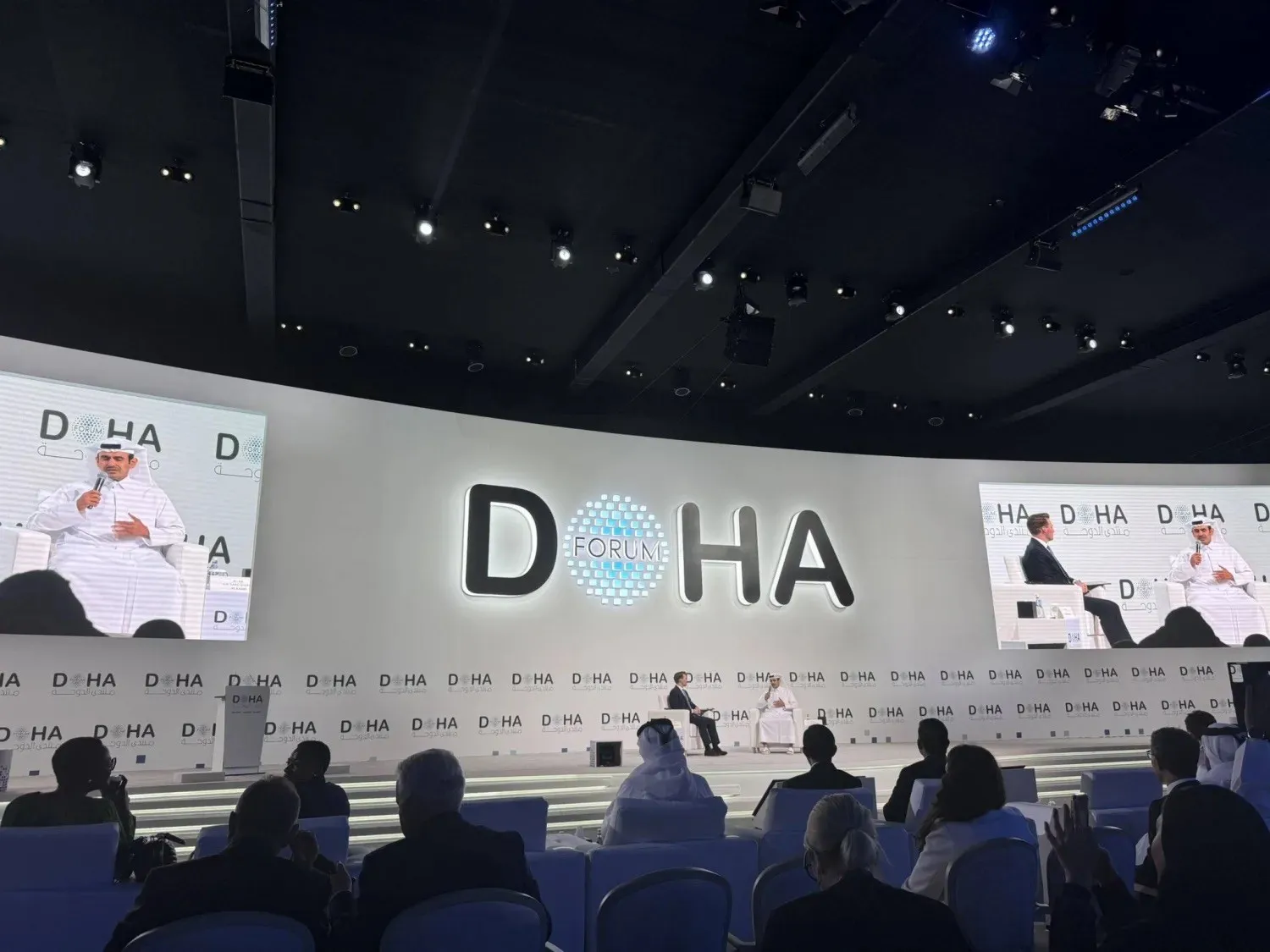

Statements by Qatar’s Minister of State for Energy Affairs Saad Al-Kaabi became a focal point at the Doha Forum 2025, opened by Emir Sheikh Tamim bin Hamad Al Thani under the theme “Anchoring Justice: From Promises to Tangible Reality.”
Al-Kaabi delivered an upbeat assessment of the gas sector’s future, insisting he has “no concern whatsoever” about long-term demand thanks to the soaring power needs of artificial intelligence data centers.
Al-Kaabi said global demand for natural gas will remain robust as AI-driven energy consumption accelerates, forecasting that liquefied natural gas (LNG) demand will reach 600–700 million tons annually by 2035. He warned, however, that insufficient investment could constrain future LNG and gas supplies.
“I have absolutely no worries about future gas demand,” he said, adding that AI-related power consumption will be a key driver.
Once fully operational, Qatar’s North Field expansion is expected to produce 126 million metric tons of LNG a year by 2027 - an 85 percent increase from today’s 77 million tons.
He also noted that the first train of the Golden Pass LNG project, a joint venture with ExxonMobil in Texas, is scheduled to begin operations in the first quarter of 2026.
Al-Kaabi argued that oil prices between $70 and $80 per barrel would generate sufficient revenue for companies to invest in future energy needs, while prices above $90 would be “too high.”
He separately cautioned that the Gulf region is witnessing an “excess of real-estate construction,” raising the risk of a property bubble.
The minister hoped that the European Union will address corporate concerns over new sustainability regulations by the end of December.
Gulf Cooperation Council states voiced deep concern on Friday about two proposed EU directives, which tackle corporate sustainability due diligence and sustainability reporting, recently amended by the European Parliament for trilogue negotiations.
The GCC warned that the measures would effectively compel major European and international companies to adopt the EU’s sustainability model, comply with additional human rights and environmental obligations, submit climate-transition plans beyond existing global accords, file detailed sustainability reports, and face penalties for non-compliance.
Qatar has also criticized the due-diligence directive and has threatened to halt gas supplies. The dispute centers on potential fines of up to 5 percent of a company’s global revenue.
Al-Kaabi has repeatedly stated that Qatar will not meet net-zero emissions targets under such conditions.


