



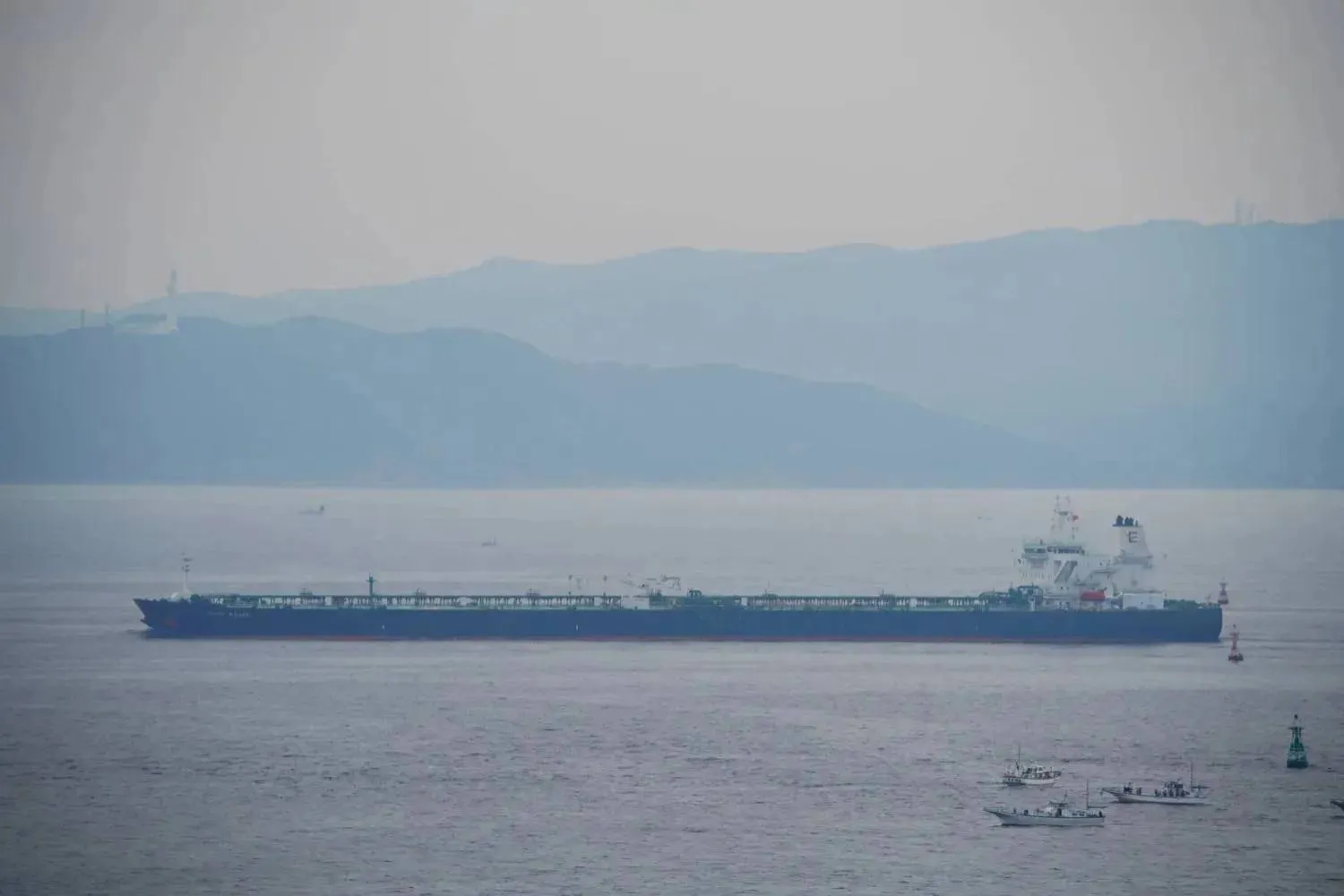

As geopolitical tensions escalate around the Strait of Hormuz, Iran has floated a proposal to link the passage of energy shipments to payments in currencies other than the US dollar.
The move appears designed to pressure global power centers. While it stops short of a declared currency war, it highlights growing international efforts to reduce dependence on the dollar in energy markets.
This comes as US President Donald Trump calls for an international coalition to secure the strait, casting doubt on Iran’s willingness to negotiate. Diplomacy remains stalled as the conflict involving Israel, the United States, and Iran enters its seventeenth day.
Iranian Foreign Minister Abbas Araghchi has denied any moves toward negotiations or a ceasefire. Trump has also warned that NATO could face a “very bad” future if US allies fail to act to reopen the waterway, even as Israeli strikes on Iranian military infrastructure continue.
Dr. Abdulaziz bin Sager, Chairman of the Gulf Research Center, said shifts in energy markets reflect a broader global trend toward currency diversification in international transactions. He argued that Iran’s proposal signals a growing willingness to explore alternatives amid geopolitical change, accelerating debate over the stability of currencies used in energy trade.
According to bin Sager, this is part of a gradual restructuring of the global financial system, particularly as major economies such as China and Russia expand the use of their national currencies in bilateral trade. He pointed to the decline in the dollar’s share of global reserves—from 65.3 percent in 2016 to 59.3 percent in 2024—as evidence of a steady shift.
He noted that countries are seeking to manage geopolitical risk and adopt more flexible economic strategies, reflecting a broader move toward a multipolar monetary system. China promotes the yuan through the Belt and Road Initiative, while Russia advances its currency through bilateral agreements.
Dr. Saeed Sallam, Director of the Vision International Center for Strategic Studies, said that Iran’s demand as limited in immediate practical impact but significant in long-term symbolic terms. He warned that it could increase volatility and uncertainty in energy markets, complicate transactions due to limited yuan liquidity, and drive up maritime insurance and transport costs by 20 to 30 percent along alternative routes.
Rather than stabilizing markets, Sallam argued, the move could fragment oil trade. Limited volumes might be settled in yuan and routed through Hormuz to China, while the rest are diverted via more expensive routes. The result could be sharp increases in gas, fertilizer, and food prices, raising the risk of recession in Asian and European economies.
He continued that China is pursuing a strategy of careful balance. While it may accept limited yuan-based transactions to secure oil imports, it is unlikely to support escalation that threatens stability in the strait, through which roughly 40 percent of its imports pass. Russia, meanwhile, uses the proposal symbolically within the BRICS framework to challenge Washington, though stable energy markets remain essential to its export revenues.
Sallam concluded that Iran’s proposal may accelerate the rhetoric of de-dollarization and contribute to price shocks, but its real impact remains constrained by diplomatic and practical limits. The core issue, he stressed, is not the currency used but whether the Strait of Hormuz remains open.
For now, the dollar retains its dominant position in global energy trade, though that status could be tested by rapidly evolving military and diplomatic developments.


