



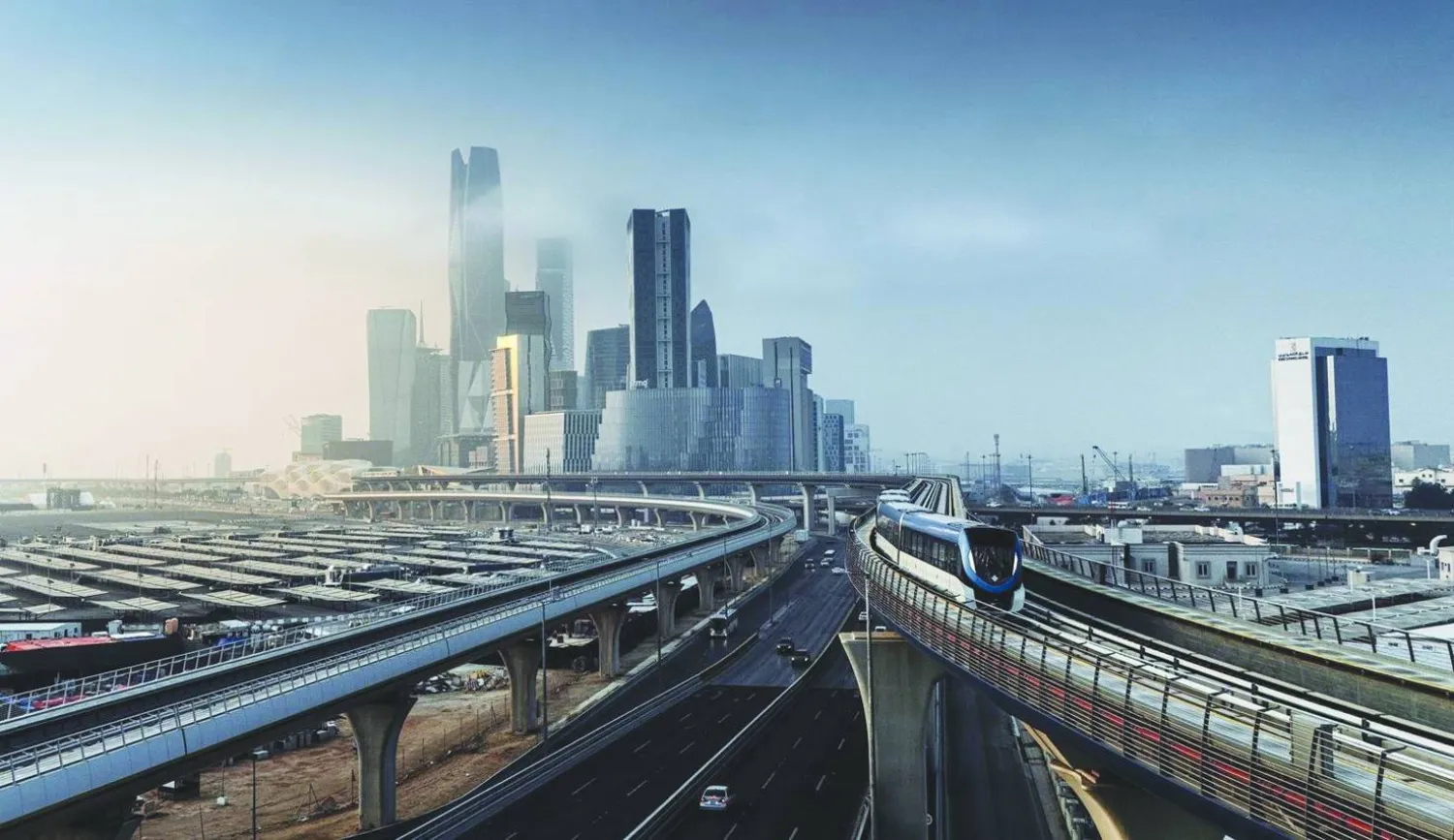

As the world grapples with unprecedented turbulence fueled by the US-Israeli-Iranian confrontation, and as global supply chains reel from the closure of the Strait of Hormuz, the Saudi economy has emerged as an exceptional model of resilience. This stability is no coincidence; rather, it is the fruit of proactive policies and early investments in diversifying transport arteries and logistics. This strategic integration has allowed the Kingdom to transform its geography from a point of dependency on threatened waterways into an impregnable economic fortress. Through land, sea, and air routes that have become "alternative lifelines," the Kingdom has not only ensured the flow of energy but also secured the region’s needs for food and medicine, cementing its status as a vital logistical hub amidst the surging waves of conflict.
Economic experts believe that the efficacy of Saudi economic policies, coupled with the cultivation of inherent strengths and diverse transport and export options, has contributed significantly to the economy's ability to withstand the repercussions of the ongoing regional conflict.
Policy Efficacy and Strategic Strength
In this context, Fadl bin Saad Al-Buainain, a member of the Shura Council and economic consultant, affirmed that the Saudi economy is characterized by strength, durability, and sustainability. He noted its capacity to adapt to emergency shifts by leveraging its fundamental assets, thereby mitigating the impact of the current crisis despite its high risks.
Al-Buainain emphasized that the sheer depth and scale of the Saudi economy allow it to absorb sudden shocks and even convert them into opportunities to address any emerging shortages. He pointed out that the strategic vision for the oil sector and "qualitative hedging" to ensure supply security have created critical alternatives for oil exports following the closure of the Strait of Hormuz.
According to Al-Buainain, the sustainability of exports has bolstered the reliability of Saudi Aramco and maintained government revenues, while maximizing gains from high oil prices to compensate for any reduction in exported volumes.
The Pivotal Role of "Vision 2030"
Al-Buainain underscored the fundamental role of reforms stemming from Saudi Vision 2030 in enhancing economic diversification and strategic hedging across financial and oil sectors. He noted that prudent management, directly overseen by Crown Prince Mohammed bin Salman, served as the first line of defense against the crisis.
He cited S&P Global Ratings' affirmation of the Kingdom’s "A+" credit rating with a "Stable" outlook as the "strongest neutral evidence of economic durability and efficiency." He also highlighted the defensive aspect, stating: "The readiness of the military sectors was the most critical factor in protecting oil installations and achieving economic security," noting that the Kingdom’s Red Sea coastline has been vital in sustaining trade lines and protecting regional commerce.
A Logistical Platform and Humanitarian Responsibility
According to Al-Buainain, the Kingdom has transformed into a global logistics platform, opening its airports and ports as alternatives for neighboring countries. This has guaranteed the sustainability of food and medicine supply chains, providing much-needed stability to Gulf markets. In the energy sector, Saudi Arabia continued to meet customer demands and even offered additional barrels on the spot market, utilizing the East-West Pipeline and overseas storage reserves.
"In the transport and logistics sector, the Kingdom successfully managed the situation of stranded individuals, returning them to their home countries and ensuring the operation of Gulf airlines by opening alternative airports," Al-Buainain added.
He further revealed a massive humanitarian and logistical role played by Saudi ports in the Eastern Province, which provided food, medicine, and fuel to approximately 3,200 stranded ships and 40,000 sailors in the Arabian Gulf following Iranian threats to maritime safety. He stressed that "the Kingdom's humanitarian efforts do not waver, even under the darkest circumstances and in the face of barbaric acts that violate international law."
Stability in the Face of Crisis
For his part, Engineer Abdullah Al-Mobty, Chairman of the Abha Chamber and former Head of the Federation of Saudi Chambers, told Asharq Al-Awsat that the nature of the Saudi economy has made it resilient against the fallout of the US-Israeli-Iranian confrontation. He noted that the Kingdom has shown remarkable stability throughout historical crises thanks to a "clear vision set by the leadership to strengthen the economy through wise methodologies and plans."
Al-Mobty attributed this resilience to Riyadh’s role as a "reliable strategic depth," maintaining the best possible economic position even during a war of this magnitude. He noted that Saudi Arabia views proactive planning and foresight as an integral part of its commitment to the nation and its citizens' interests.
Land Transport Solutions
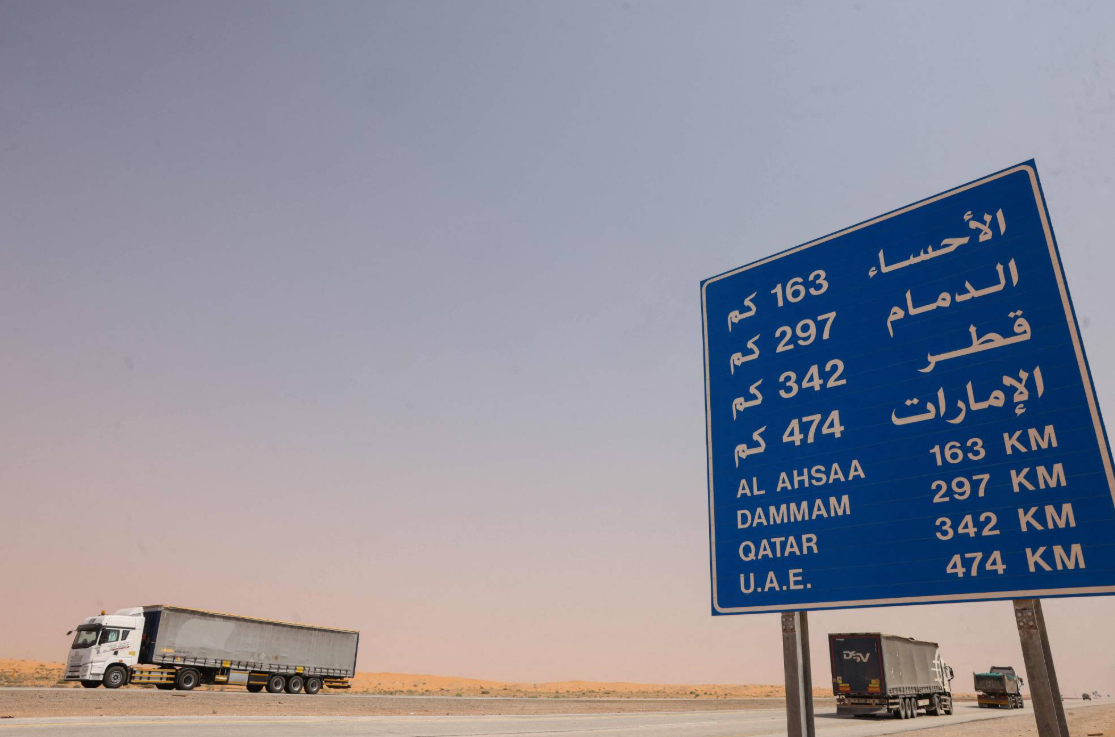
Al-Mobty emphasized that the Kingdom has never been an advocate of war; instead, its vision focused on creating strategic alternatives. He pointed to the Kingdom's ability to bypass the Strait of Hormuz by pumping crude via the Red Sea and securing the delivery of essential supplies to Gulf states through existing infrastructure.
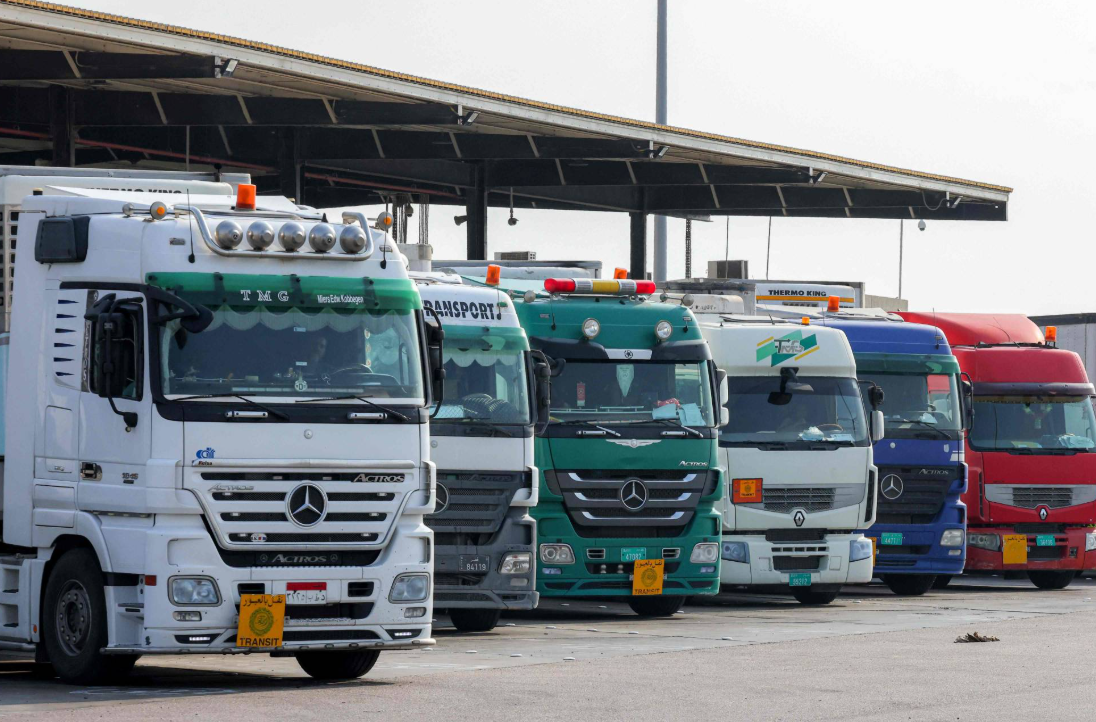
"One of the immediate results we witnessed was the efficiency of the Saudi land transport sector," Al-Mobty stated. "It responded instantly and with massive capacity to cover the needs of the UAE and neighboring countries, both in passenger transport and securing supply chains. This proved the Kingdom’s success in turning its geographical location into an economic fortress for the region."
The Capacity to Absorb Shocks
Abdullah bin Zaid Al-Mulihi, CEO of Saudi Techno Excellence Company, stressed that the effectiveness of the Kingdom's plans in managing economic, trade, and investment sectors has granted it an exceptional ability to face the massive challenges currently paralyzing global and regional economies.
Al-Mulihi explained to Asharq Al-Awsat that Saudi economic policies are designed with high flexibility to absorb crises, citing the Kingdom's historical resilience during the 2008 global financial crisis. He noted that policies promoting diversification and advanced infrastructure, including land and sea ports, have optimized the Kingdom's unique geography.
"The multiplicity of transport and export options is what achieved this strategic resilience," Al-Mulihi said. He added that the Saudi land transport sector has become the "driving engine" of the region's economy, experiencing a strong boom as it secures the movement of goods and people, particularly to the UAE, reinforcing the sector as a primary pillar in confronting the current crisis.


