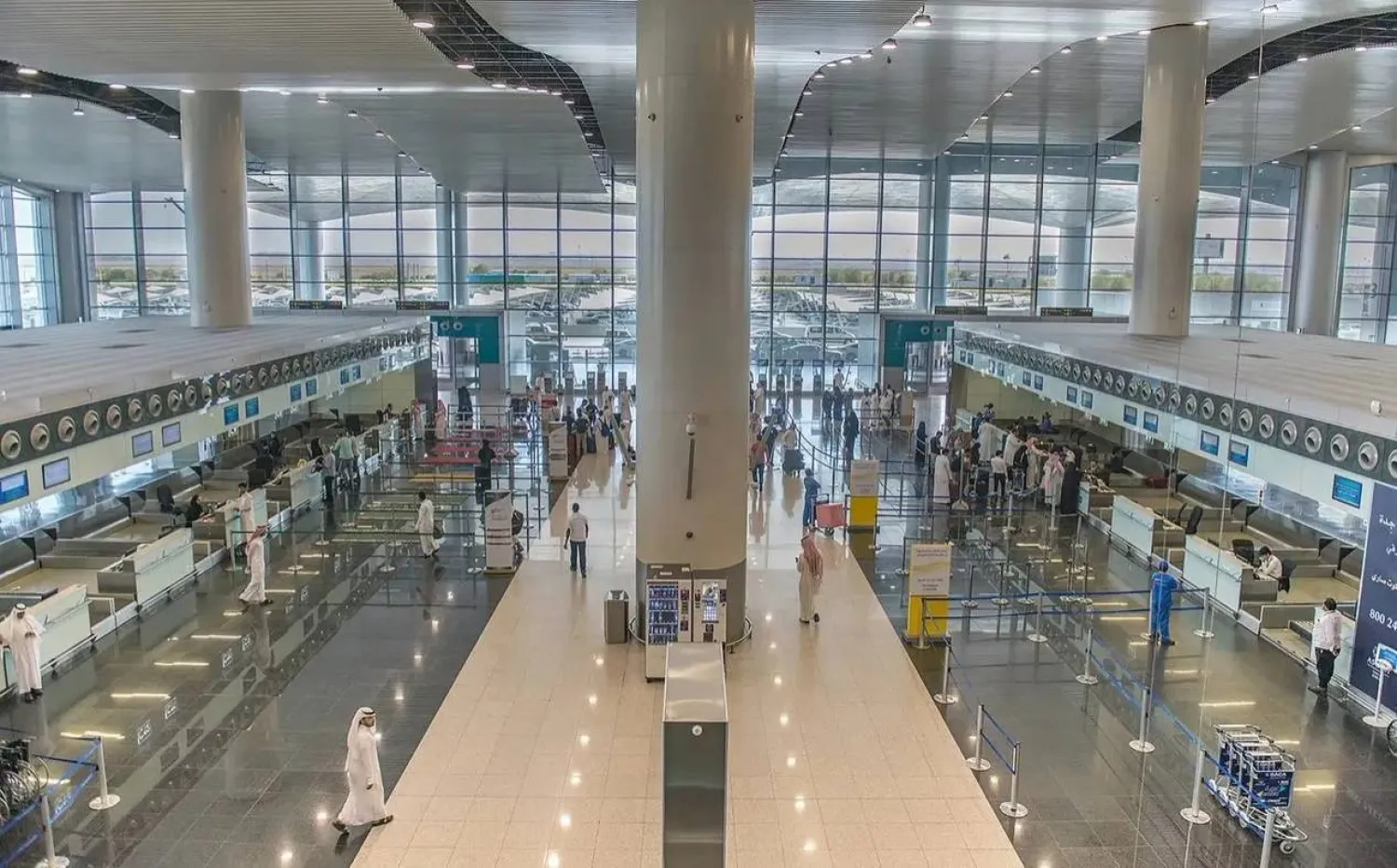

Conflicts in the region are no longer confined to the geography of battlefields; their fallout has reached one of the world’s most vital and sensitive industries: aviation. Today, travelers and airlines alike face a harsh reality driven by record surges in jet fuel prices and a steep spike in insurance costs, pressures that have pushed ticket prices higher, threatening a severe economic squeeze that could derail global tourism plans and reshape travel patterns long taken for granted.
The surge in aviation costs cannot be separated from the turmoil in global energy markets. The link between crude oil and jet fuel prices peaked in early April 2026. As market confidence wavered amid US military threats, crude prices jumped to record levels due to the direct risk to supplies through the Strait of Hormuz, setting off an immediate spike in jet fuel prices. Given that jet fuel is among the most valuable refined products from a barrel of oil, these unprecedented crude levels pushed aviation fuel to nearly double its 2025 levels.
Compound pressures and a tourism slowdown
In remarks to Asharq Al-Awsat, aviation and airport management expert AlMotaz Al-Mirah said the current tensions, in an industry already operating on thin margins, are quickly reflected in both pricing and demand across the tourism sector.
“The rise in ticket prices today is not driven by a single factor,” he said, “but by a combination of pressures: higher fuel consumption, longer routes, elevated insurance costs, and reduced operational efficiency.”
The World Travel & Tourism Council confirmed that “the escalating conflict in Iran is already impacting travel and tourism across the Middle East by no less than $600 million per day in international visitor spending, as disruptions to air travel, traveler confidence, and regional connectivity weigh on demand.”
According to council data released in March, the Middle East plays a critical role in global travel, accounting for 5 percent of international arrivals and 14 percent of global transit traffic. Any disruption reverberates worldwide, affecting airports, airlines, hotels, car rental firms, and cruise lines.
The family travel bill
On leisure travel, Al-Mirah said fare increases have ranged from 15 percent to 70 percent across many routes- higher still on long-haul flights.
“A ticket that used to cost $500 now ranges between $800 and $1,000,” he noted, “meaning an increase of up to $2,000 for a family of four.” This is forcing many travelers to delay trips or opt for closer destinations, reshaping demand across regional markets.
He detailed the price surge since the crisis began in late February: jet fuel rose from around $85–90 per barrel to between $150 and $200. This has driven the cost per flight hour for long-haul aircraft from an average of $10,000 to more than $18,000 in some cases. A flight carrying 180 passengers could see total additional costs of about $15,000, forcing airlines to add roughly $80 per ticket just to break even.
Globally, Brazil’s Petrobras raised jet fuel prices by about 55 percent in early April, while the Philippines warned that some aircraft could be grounded due to fuel shortages, and Taiwanese carriers are preparing to increase international fuel surcharges by 157 percent.
Longer routes, heavier maintenance burdens
Al-Mirah explained that longer flight times to avoid unstable airspace carry steep financial costs, with each additional hour adding between $5,000 and $7,500. Route changes extending flight durations by one to two hours have increased fuel consumption by up to 30 percent. More time in the air also accelerates engine wear.
The strain goes beyond fuel. Increased flight hours speed up the deterioration of engines and components, bringing forward maintenance schedules and raising annual servicing costs- ultimately reducing fleet efficiency.
Airlines are also grappling with sharply higher war-risk insurance premiums. While such costs typically account for no more than 1 percent of total operating expenses, they have surged by between 50 percent and 500 percent in the current crisis, according to a March 2026 report by Lockton.
This buildup of fuel and insurance costs threatens to turn profitable routes into loss-making ones, potentially forcing cash-strapped or low-cost carriers to suspend some routes temporarily to preserve financial stability.
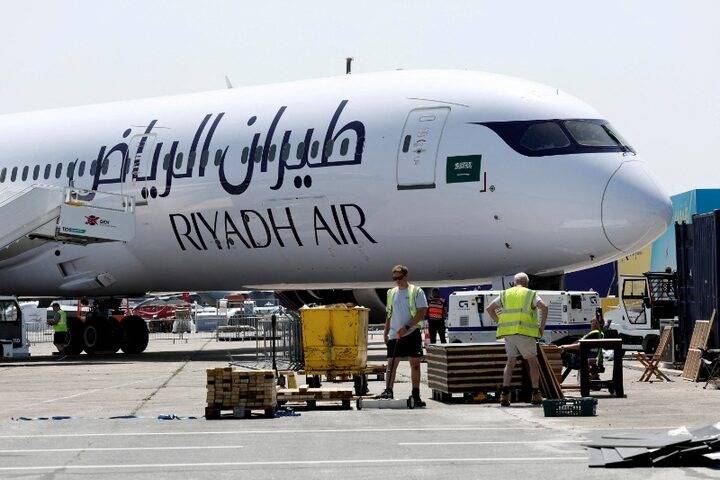
Saudi airports support regional air traffic
Amid these complexities, Saudi Arabia’s General Authority of Civil Aviation has deployed its capabilities to activate regional support protocols. Gulf airlines have shifted logistical operations to Saudi airports to keep regional air traffic safe and moving.
The authority announced that the Kingdom received more than 120 flights from neighboring countries’ carriers between February 28 and March 16, including Qatar Airways, Iraqi Airways, Kuwait Airways, Jazeera Airways, and Gulf Air.