


Lucid Group to Asharq Al-Awsat: Saudi EV Market Gaining Strong Momentum

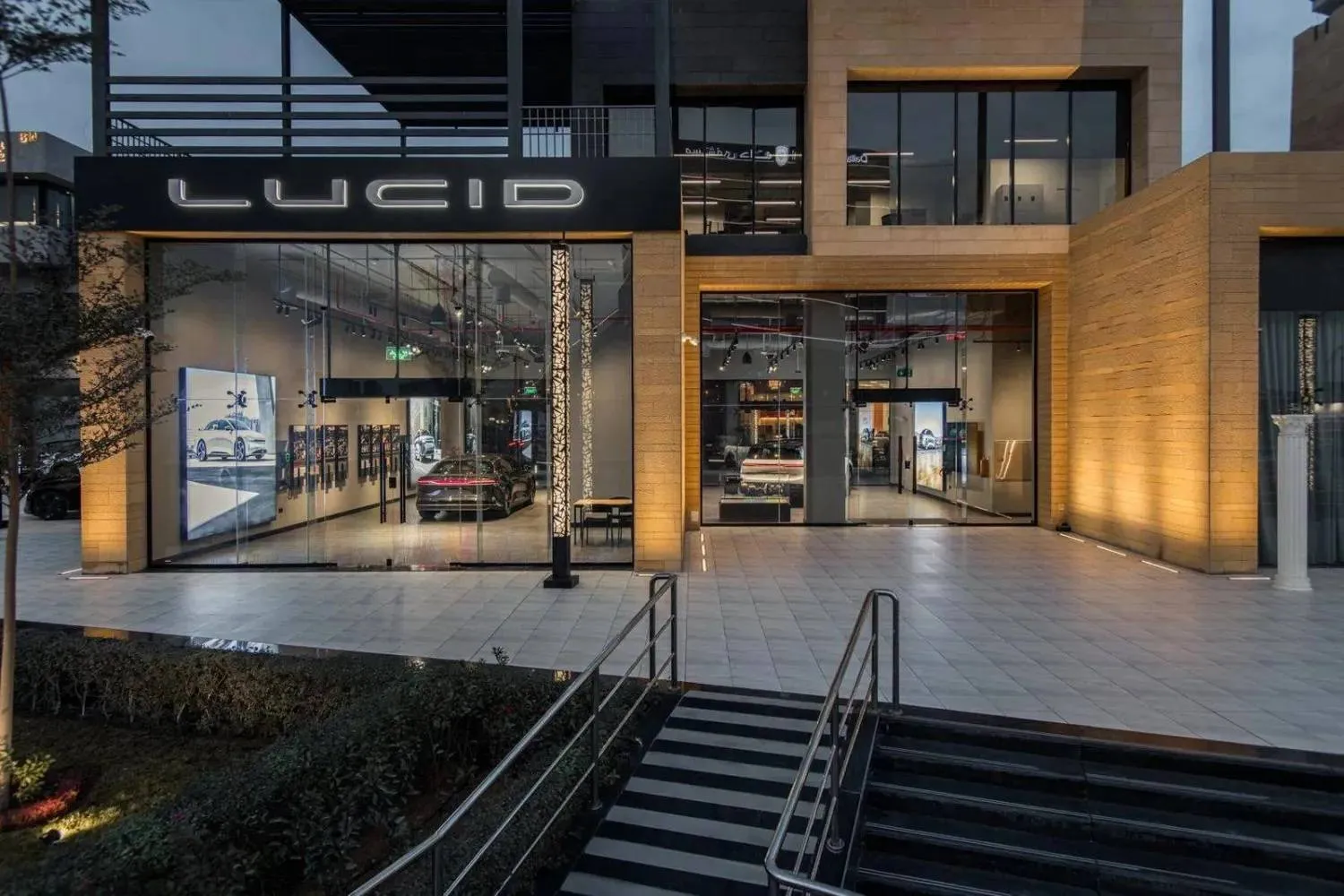
Lucid studio in Al Khobar city. (Lucid)
TT

Lucid Group to Asharq Al-Awsat: Saudi EV Market Gaining Strong Momentum

Lucid studio in Al Khobar city. (Lucid)

Current geopolitical tensions and disruptions in global oil markets are driving a sharp rise in electric vehicle sales across much of the world.

Brent crude’s rise above $120 a barrel has prompted consumers to rethink their purchasing habits, turning to electric vehicles as a more stable and efficient alternative to fuel price volatility.

In March, during the first four weeks since the start of the war on Iran, major European markets, France, Germany, and the United Kingdom, saw purchases of about 206,200 electric vehicles, up 44% year on year. Sales doubled in South Korea, while Italy recorded 67% growth, according to Bloomberg data.

President of Lucid Motors in the Middle East Faisal Sultan told Asharq Al-Awsat that Saudi Arabia’s electric vehicle market, “although still in its early stages, is witnessing strong and accelerating momentum.”

He said Lucid continues to expand its presence in the Kingdom, alongside gradual growth plans in other Gulf Cooperation Council countries, as the market takes shape quickly, driven by government support, expanding charging infrastructure and growing consumer awareness of the importance of shifting toward sustainable transport.

Sultan said EV adoption continues to rise globally and regionally, including in Saudi Arabia, where the sector’s operating foundations are being strengthened. Structural drivers supporting the shift include Vision 2030 and the Saudi Green Initiative.

This path is backed by a clear national commitment to building an integrated mobility ecosystem, including major investments in local manufacturing and the expansion of charging infrastructure, providing a solid base for long-term demand, he remarked.

The shift toward electric vehicles is not only tied to demand dynamics, but also to changing consumer awareness of “the long-term value of owning these vehicles, including total cost of ownership and the ease of home charging,” he added.

Lucid has installed more than 100 AC chargers across the Kingdom, available free of charge, and continues to expand fast-charging services, he revealed.

Strategic investments

Against this backdrop, Lucid raised its total liquidity to about $4.7 billion, giving it financial runway into the second half of 2027, according to financial results announced on Monday.

The company said the capital raise included $550 million in convertible preferred stock from Ayar Third Investment Company, a Saudi Public Investment Fund affiliate, and a $200 million equity investment from Uber, increasing Uber’s total investment in Lucid to $500 million.

The sovereign-backed support comes as Lucid reported quarterly revenue of $282.5 million, below analysts’ estimates, due to an unexpected supplier-related technical issue involving seats in the Gravity model.

The issue temporarily disrupted deliveries before momentum resumed in March, while net losses stood at about $1.13 billion.

Production growth in Saudi Arabia

Operationally in Saudi Arabia, Lucid’s first-quarter 2025 results showed production of 2,212 vehicles across its plants in the Kingdom, in addition to more than 600 vehicles in transit. The company delivered 3,109 vehicles during the same period, up 58.1% from the corresponding period in 2024.

Revenue reached $235 million, while GAAP net loss stood at about $0.20 per share, compared with an adjusted loss of $0.24 per share. The company ended the first quarter with total liquidity of $5.76 billion.

Operational challenges

On deliveries, Lucid recorded about 3,093 vehicle deliveries as of March 31, compared with production of nearly 5,500 units, reflecting a temporary operational gap between production and deliveries.

Lucid said Gravity deliveries were disrupted for 29 days because of a supplier quality issue with second-row seats, which has since been addressed.

Sultan attributed the gap to a temporary disruption in one of the supply lines for the Lucid Gravity, caused by the second-row seat quality issue, and stressed that the problem had been fully contained and that operations had resumed normally.

He told Asharq Al-Awsat that supply chains remain dynamic, and that dealing with such challenges has become an essential part of developing the automotive business.

He added that Lucid’s strategy is based on strengthening resilience and adaptability by diversifying global supply sources, reducing costs and relying on a flexible, vertically integrated platform capable of responding to supply chain fluctuations.

He said the company faced three consecutive industry-wide crises last year involving magnetic materials, aluminum and semiconductors, and handled them quickly thanks to the flexibility of its engineering teams and manufacturing capabilities.

Sultan stressed that these challenges were operational and supply-chain related, and did not reflect weaker demand. Rather, they came within a framework of proactive management aimed at strengthening operational stability and ensuring continuity in production and deliveries.


Saudi Stock Market Edges Lower in First Session of the Week

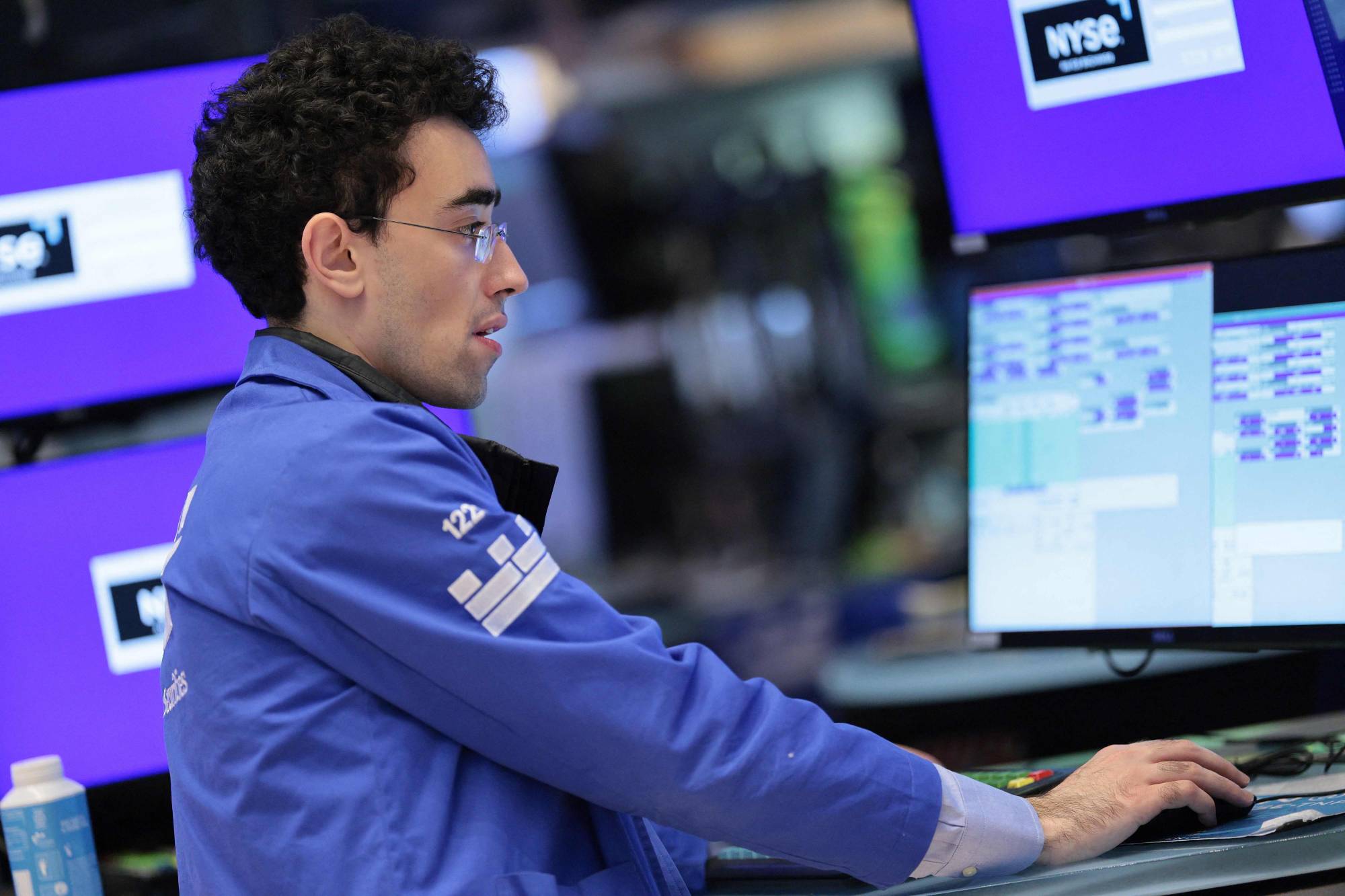
An investor monitors a stock screen at the Saudi financial market in Riyadh (AFP)
TT

Saudi Stock Market Edges Lower in First Session of the Week

An investor monitors a stock screen at the Saudi financial market in Riyadh (AFP)

Saudi Arabia’s stock market index ended trading slightly lower, falling 0.25 percent to close at 10,968 points, amid trading turnover of around SAR2.9 billion, the lowest level since January 2026.

Mining giant Maaden fell 2 percent to close at SAR62.7, while SABIC declined by the same percentage to SAR59.4. Arabian Drilling slipped 1 percent to SAR86.6.

In the banking sector, Saudi National Bank shares fell 0.26 percent to SAR38.5.

Meanwhile, Saudi Aramco, the index’s heaviest-weighted stock, rose 0.3 percent to close at SAR27.78.

ACWA Power also gained 2 percent to SAR181.10.

Kingdom Holding rose 6 percent to SAR11.01, while Solutions climbed 4 percent to close at SAR229.6.


Oman Inflation Rises 3.2% in April

Shoppers at a food and beverage store in Oman. (Reuters)
TT

Oman Inflation Rises 3.2% in April

Shoppers at a food and beverage store in Oman. (Reuters)

Oman’s consumer price index (CPI) rose 3.2 percent in April compared with the same month in 2025, based on 2018 as the reference year.

The National Center for Statistics and Information said in data carried by the Oman News Agency on Sunday that average inflation during the period from January through April increased by 2.6 percent.

The data showed that the miscellaneous personal goods and services group recorded the highest increase at 9.2 percent, followed by food and non-alcoholic beverages at 6.2 percent, and transport at 6 percent.

The food and non-alcoholic beverages group recorded increases across most categories in April compared with the same month last year, led by vegetables at 25 percent, followed by fruits at 11.6 percent, and fish and seafood at 6.1 percent.

The data also showed varying inflation rates across Oman’s governorates at the end of April compared with the corresponding period last year. Al Dhahirah Governorate recorded the highest increase at 4.4 percent, followed by Al Dakhiliyah and Muscat governorates at 3.7 percent, and Al Buraimi Governorate at 3.5 percent.


Gulf, International Initiative to Assess War’s Impact on Private Sector

A previous meeting of the Federation of GCC Chambers in Riyadh. (SPA)
TT

Gulf, International Initiative to Assess War’s Impact on Private Sector

A previous meeting of the Federation of GCC Chambers in Riyadh. (SPA)

Asharq Al-Awsat has learned of a joint initiative by the Federation of GCC Chambers and the International Labor Organization to conduct a rapid assessment of the impact of the war on the private sector and labor markets across Gulf Cooperation Council countries.

The initiative is expected to contribute directly to the formulation of actionable recommendations aimed at preserving labor market stability and supporting business continuity.

The initiative seeks to assess the impact of the current crisis and conflict on private sector institutions, with particular focus on small and medium-sized enterprises, as well as on labor markets across GCC states.

According to the information obtained, the Federation of GCC Chambers has asked private sector companies and institutions across member states to document the impact of the war, whether they market their products domestically or in regional and international markets.

The federation is also seeking to determine the effects of the current regional crisis on supply chains and private sector operations, including delays in receiving imported inputs, shortages of critical materials affecting operations, higher transportation and logistics costs, and disruptions in the distribution of goods and services to markets and customers.

It is also examining the direct impact of disruptions to maritime trade routes, including the Strait of Hormuz, on businesses, particularly in terms of rerouting shipments through alternative routes or transport methods, difficulties shipping or receiving goods by sea, increased shipping and insurance costs, declining import and export volumes, and shipment or order delays and cancellations.

The federation has further requested information on the extent to which the crisis has affected overall operating expenses, whether significantly, moderately or not at all, as well as its impact on companies’ investment plans, including whether firms intend to cancel, reduce or indefinitely postpone investments, or instead increase spending to adapt, restructure or respond to new conditions.

Among the challenges the federation is seeking to assess are companies’ ability to cover operating and fixed costs, revenue conditions, and the immediate measures taken regarding their workforce in response to the crisis, including reducing working hours, shifting employees to part-time arrangements, freezing recruitment and hiring, cutting wages and benefits, or reallocating staff to different roles and functions.

Secretary-General of the Gulf Cooperation Council Jasem Albudaiwi recently said that a series of Gulf economic and financial achievements had strengthened regional integration and reinforced financial stability in the face of evolving challenges.

Speaking during the 125th meeting of the GCC Financial and Economic Cooperation Committee in mid-May, Albudaiwi said the current war crisis requires Gulf states to move beyond traditional coordination toward a higher level of practical integration and effective response.

He said the accelerating crises and growing economic challenges facing the region underscore the urgent need for a conscious response and measures capable of mitigating their impact on GCC economies, which have long been characterized by openness and deep engagement with the global economy.

Albudaiwi also stressed the need to expedite the completion of key joint Gulf projects, including transportation and logistics initiatives, while accelerating implementation of the GCC railway project and strengthening the regional electricity interconnection network.

He further called for studying the establishment of oil and gas pipeline networks, a GCC water interconnection project, strategic Gulf stockpile zones, and measures to ensure adequate liquidity reserves at central banks.
