





Despite Gulf airlines incurring billions of dollars in losses due to recent geopolitical tensions, Saudi carriers have demonstrated exceptional resilience and an impressive ability to absorb shocks quickly. This comes amid optimistic forecasts for long-term growth in air travel across the Middle East and Africa, projected to reach 3.9% annually through 2050.
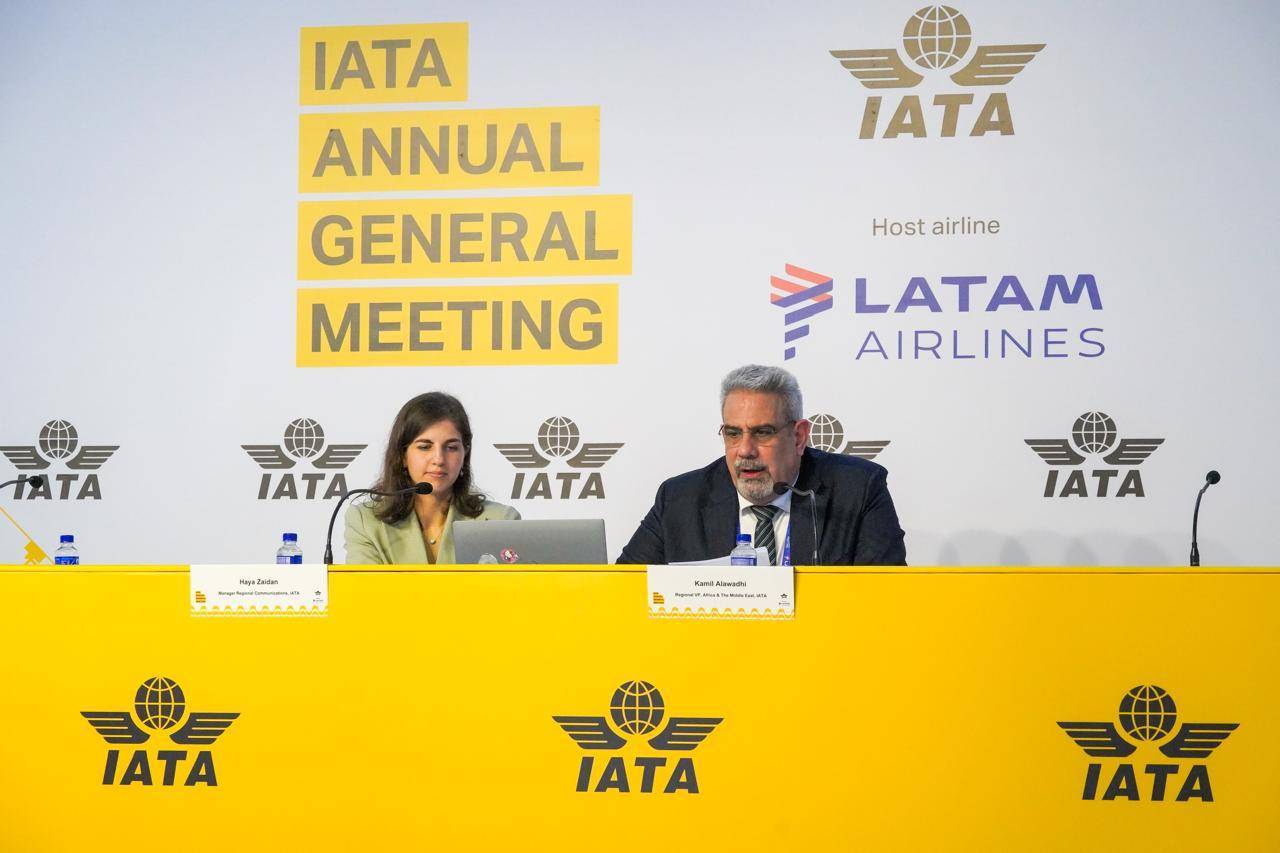
This was stated by Kamil Al-Awadhi, Regional Vice President of the International Air Transport Association (IATA) for Africa and the Middle East, in exclusive remarks to Asharq Al-Awsat.
He explained that geopolitical developments and repeated airspace closures have had a direct impact on the profitability of regional airlines, with passenger traffic among Gulf carriers declining by approximately 50% in March and 47% in April.
Nevertheless, during a media briefing held on the sidelines of IATA’s Annual General Meeting in Rio de Janeiro, Al-Awadhi stressed that Saudi Arabia’s aviation sector moved at remarkable speed to restructure its operations and adapt to changing conditions.
He projected growth for the Kingdom’s aviation sector of between 3% and 5%, describing this as a positive indicator given the challenges currently facing the global airline industry.
This encouraging performance comes at a time when Al-Awadhi warned of the continuing global problem of blocked airline funds, with the Middle East and Africa accounting for the largest share of such trapped funds, estimated at nearly $740 million.

Rio de Janeiro meeting
Al-Awadhi's remarks were made on the sidelines of IATA's 82nd Annual General Meeting and the accompanying World Air Transport Summit, which is being hosted in the Brazilian city of Rio de Janeiro.
This event is the most prominent fixture on the global civil aviation industry's annual calendar. It brings together leaders and representatives from more than 330 member airlines of the IATA, which account for approximately 80 percent of global air traffic, alongside monetary and political decision-makers, suppliers, and airport and air navigation regulators from around the world.
Critical timing and key issues
The Rio de Janeiro meeting is being held at a time when the global aviation industry is facing an exceptionally complex operating environment.
Key items on the agenda include the impact of geopolitical conflicts on international air corridors, the resilience of global supply chains for aircraft and spare parts, as well as sustainability initiatives and the transition to sustainable aviation fuel (SAF) in pursuit of net-zero carbon emissions by 2050.
The gathering also traditionally features the release of IATA’s updated economic outlook, including its projections for the global airline industry's profits or losses.
Investors closely monitor the report as a key indicator of regional market performance, particularly in the Middle East, which serves as a vital aviation hub connecting East and West.
Impact of geopolitical tensions on the sector
Al-Awadhi told Asharq Al-Awsat that the repercussions of the recent crisis have led to repeated airspace closures, higher fuel costs, and weaker travel demand in certain markets.
Around 10 countries were forced to close their airspace, some for periods of up to 70 days, causing widespread disruption to air traffic across the region, he revealed.
Gulf airlines were particularly affected due to the suspension of certain flight routes and disruptions to transit traffic through major aviation hubs. As a result, they have yet to return to the operating levels seen before last February, he added.
Despite these challenges, Al-Awadhi stressed that the long-term outlook remains positive for both Africa and the Middle East.
He explained that passenger traffic in the Middle East is projected to grow by 3.5 percent annually under the high-growth scenario through 2050, and by 3.1 percent under the baseline scenario. Africa, meanwhile, is expected to record annual growth of between 3.2 percent and 3.9 percent over the same period.
“The Middle East represents a success story in resilience and recovery, while Africa remains a major growth opportunity that has yet to be fully realized,” he remarked.
Blocked funds
On another issue, Al-Awadhi warned that the crisis of blocked airline funds remains unresolved, noting that Africa and the Middle East account for approximately 98 percent of all blocked airline funds worldwide.
He said that the total value of trapped funds in the two regions stands at about $740 million out of a global total of $756 million. Algeria tops the list with around $160 million in blocked funds, followed by Lebanon with approximately $139 million, and Mozambique with about $87 million.
The biggest challenge lies in the depreciation of local currencies, coupled with the fact that airlines are unable to freely repatriate substantial amounts of their revenues, he added.
The situation in Lebanon is somewhat different, as the Lebanese currency has lost a significant portion of its value as a result of the country's economic collapse, he noted.
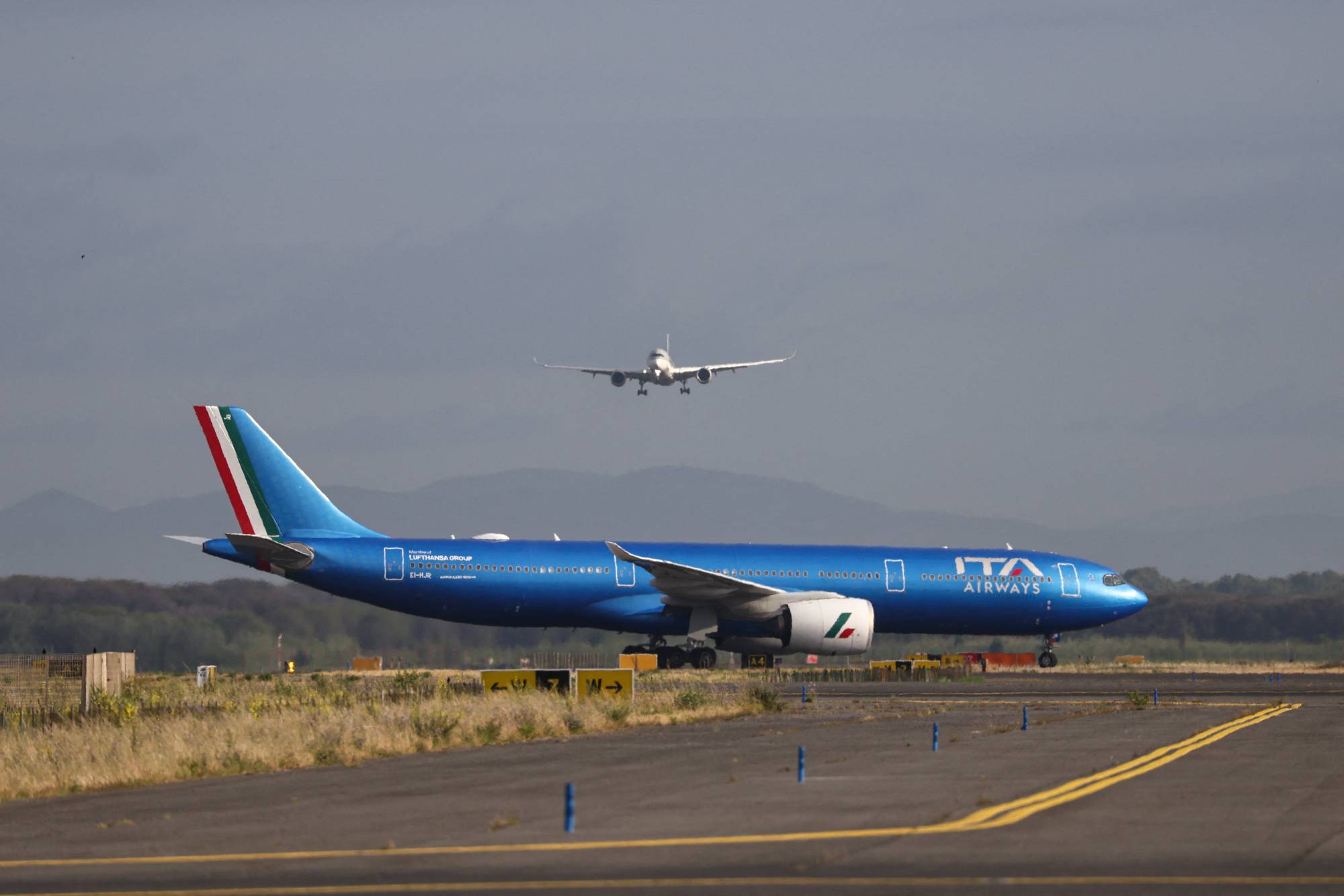
In Algeria, large sums remain trapped in the banking system, and airlines may have to wait up to a year before they can access those funds. During that period, the local currency may depreciate against the US dollar, eroding part of the airlines’ revenues and profits when the funds are eventually converted, Al-Awadhi said.
He added that airlines have already incurred expenses for fuel, maintenance, airport charges, and air navigation fees long before they are able to recover their revenues, placing additional financial pressure on carriers operating in those markets.
Challenges facing African airlines
Al-Awadhi pointed out that African airlines continue to face challenges related to weak profitability and high operating costs, including expenses for fuel, taxes, infrastructure charges, and aircraft financing and leasing.
The aviation environment across the continent is gradually improving, but that the pace of reform remains slower than required, he noted.
He called on governments to adopt more supportive policies for the sector and to recognize its role in stimulating economic growth and creating jobs.


