



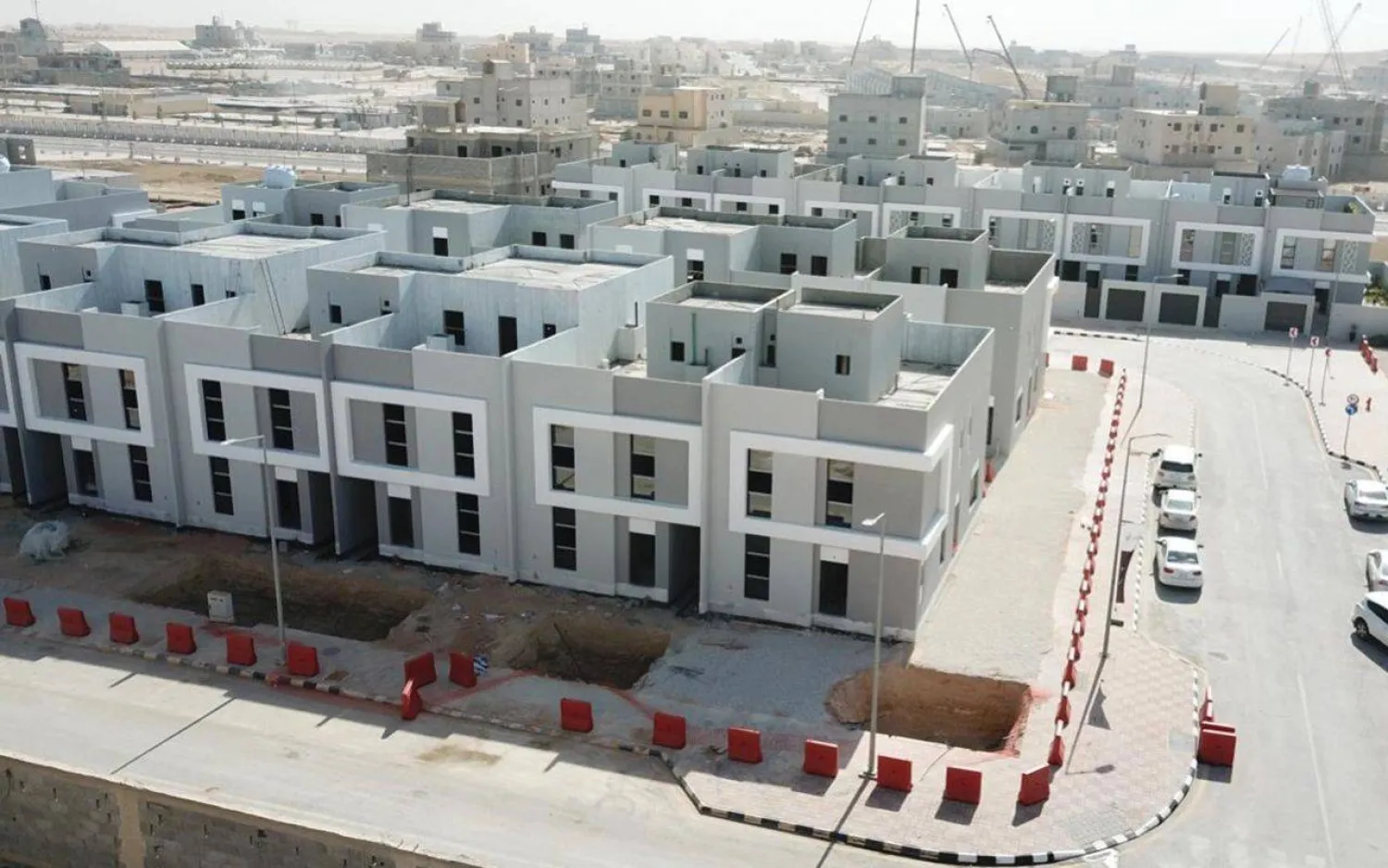

Saudi Arabia continues to reshape its real estate sector at a rapid pace, achieving structural advances that have placed quality of life at the heart of urban development. The enabling of nearly 33,000 Saudi families to obtain their first home during the first quarter of 2026 underscores the efficiency of the regulatory framework in advancing the goals of Vision 2030 and moving toward its target of raising homeownership to 70 percent.
This momentum, which lifted the homeownership rate to 66.24 percent by the end of 2025, coincides with the Real Estate Development Fund and the Sakani program surpassing the milestone of one million subsidized contracts, reflecting a profound transformation in the structure of the market and greater integration across its financing and regulatory components.
Integrated Regulatory Environment
In an analysis of first-quarter 2026 figures, Mohammed Al-Rassasmah, spokesperson for the Ministry of Municipalities and Housing, told Asharq Al-Awsat that enabling 32,983 Saudi families to own their first home in just three months reflects the integration of the housing ecosystem across its various components, from developing the regulatory and legislative environment to expanding housing options and providing financing solutions and partnerships with the private sector.
Al-Rassasmah explained that the carefully planned expansion of housing projects and the diversification of real estate products have helped meet the needs of different segments of Saudi families. He pointed to the decisive role played by digital transformation in improving procedural efficiency and accelerating access to suitable housing solutions for beneficiaries.
He noted that this achievement builds on what Minister of Municipalities and Housing Majed Al-Hogail announced at the beginning of this year regarding the homeownership rate among Saudi families exceeding 66.24 percent by the end of 2025, demonstrating the success of the housing system in expanding ownership opportunities across the Kingdom.
Partnership With the Private Sector
Within this development path, Al-Rassasmah said partnerships with the private sector represent one of the key enablers of growth in the housing sector, contributing directly to increased real estate supply and faster development.
He added that real estate developers now offer a diverse range of housing products that meet families' aspirations, while the ministry continues to improve the investment environment and promote competitiveness.
He noted that the sector's transformation is no longer limited to developing individual housing units but now extends to creating integrated urban communities that provide services, facilities, infrastructure, and quality-of-life opportunities. This, he said, enhances the attractiveness of cities and improves the efficiency of long-term economic development.
Off-Plan Sales Projects
Regarding off-plan sales projects, Al-Rassasmah said they have become one of the most important tools supporting increased housing supply and accelerating real estate development in recent years.
He explained that these projects have enabled the implementation of larger and more diverse developments, providing broader opportunities for ownership.
He stressed that the strict regulatory and oversight framework imposed by the ministry has enhanced the credibility of such projects and protected buyers' rights, increasing confidence in the market and significantly boosting demand. As a result, they have become one of the most reliable pathways supporting first-home ownership.
Long-Term Strategic Vision
The ministry's spokesperson also stressed that the ministry approaches housing demand from a long-term strategic perspective focused on increasing supply and improving the efficiency of the real estate market through empowering developers, developing land and master plans, stimulating investment flows, and expanding housing projects in areas experiencing high demand.
He explained that increasing supply and diversifying housing options contribute positively to market balance and help provide more suitable solutions for beneficiaries, alongside the ministry's ongoing efforts to enhance transparency, develop real estate indicators, and improve market efficiency to ensure it remains attractive and stable.
Al-Rassasmah concluded by describing mortgage finance as one of the key pillars behind the rise in homeownership rates in recent years through the provision of diverse and accessible financing solutions that have strengthened the purchasing power of Saudi families.
He noted that 23,222 families benefited from housing support services during the first quarter of this year alone, and added that cooperation among the housing ecosystem, financing institutions, and the Real Estate Development Fund helped push the number of subsidized contracts beyond 1.02 million by the end of last March.
According to Al-Rassasmah, the transformation currently taking place in the sector reflects a comprehensive structural shift that supports the sustainability of the real estate market and enhances citizens' quality of life in line with national ambitions.


