


Saudi Arabia Showcases Tourism Success at FII Europe Summit

The minister's participation in the leading global forum aims to underline the global success story of Saudi Arabia's tourism sector - SPA
TT

Saudi Arabia Showcases Tourism Success at FII Europe Summit

The minister's participation in the leading global forum aims to underline the global success story of Saudi Arabia's tourism sector - SPA

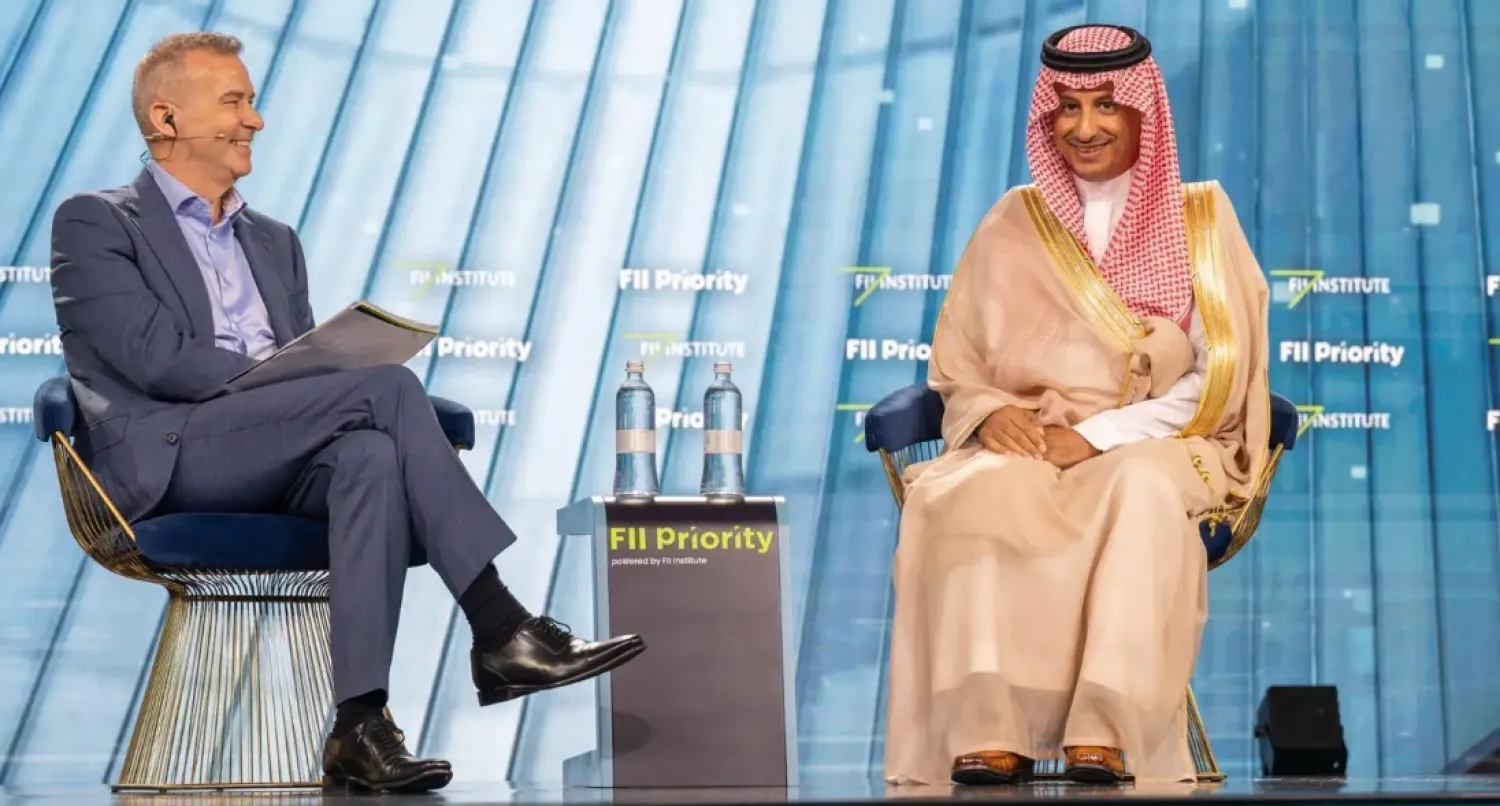
Minister of Tourism Ahmed Al-Khateeb participated in the FII PRIORITY Europe Summit, held in Rome from June 17 to 19, 2026, where he showcased Saudi Arabia's remarkable transformation of its tourism sector in line with the ambitious goals of Saudi Vision 2030.

As part of the summit's official program, the minister participated in a fireside chat titled "Resilient by Design: Vision 2030 and the Architecture of Enduring Value." During the session, he shared insights into the evolution of Saudi Arabia's tourism sector, highlighting its robust performance amid regional challenges over the past six months and emphasizing the sector's resilience, its ability to recover quickly, and its continued momentum toward sustained growth, SPA reported.

Al-Khateeb also underscored the Kingdom's significant investments in developing world-class tourism destinations, noting the tangible economic and social impact these investments are generating, including the creation of employment opportunities for Saudi nationals.
Addressing the role of emerging technologies, Al-Khateeb spoke about the integration of artificial intelligence (AI) in the tourism sector: "In Saudi Arabia, we are using AI, and we will continue to use AI, because we are very advanced when it comes to technology.

At the same time, we are committed to preserving the human element in the sector. We want AI to empower people, support them, and help them in welcoming our guests and sharing our culture and hospitality".

The minister's participation in the leading global forum aims to underline the global success story of Saudi Arabia's tourism sector, which in less than a decade has evolved into a dynamic, integrated ecosystem, offering a wide range of investment opportunities across destinations, hospitality, infrastructure, digital services, and human capital development.

The participation also served as a platform to highlight what the Kingdom's tourism sector offers European partners: a fast-growing and stable market, positioned as a global gateway for collaboration in investment, artificial intelligence, and innovation.

On the sidelines of FII PRIORITY Europe, Al-Khateeb held a series of bilateral meetings with international investors and industry leaders, focused on strengthening strategic partnerships and unlocking new opportunities for investment and tourism experience development in the Kingdom.

Coinciding with the summit, the Ministry of Tourism released its annual statistical report 2025, showing how Saudi Arabia's tourism sector moved from ambition to scale, emerging as one of the Kingdom's strongest growth drivers in non-oil sectors.

According to the report, Saudi Arabia recorded historic results in 2025 with around 123 million inbound and domestic tourists, representing growth of approximately 6% compared to 2024. This included 29.3 million inbound tourists and 93.3 million domestic tourists. Total tourism spending reached approximately SAR304 billion, reflecting growth of 7% compared to 2024, with inbound tourism contributing SAR176.6 billion and domestic tourism contributing SAR127.1 billion.



Shipping Traffic Via Strait of Hormuz Stays Below 10-day Average, Data Shows

Vessels transit the Hormuz Strait off the coast of Iran's southern port city of Bandar Abbas on September 7, 2026. (Photo by ATTA KENARE / AFP) /
TT

Shipping Traffic Via Strait of Hormuz Stays Below 10-day Average, Data Shows

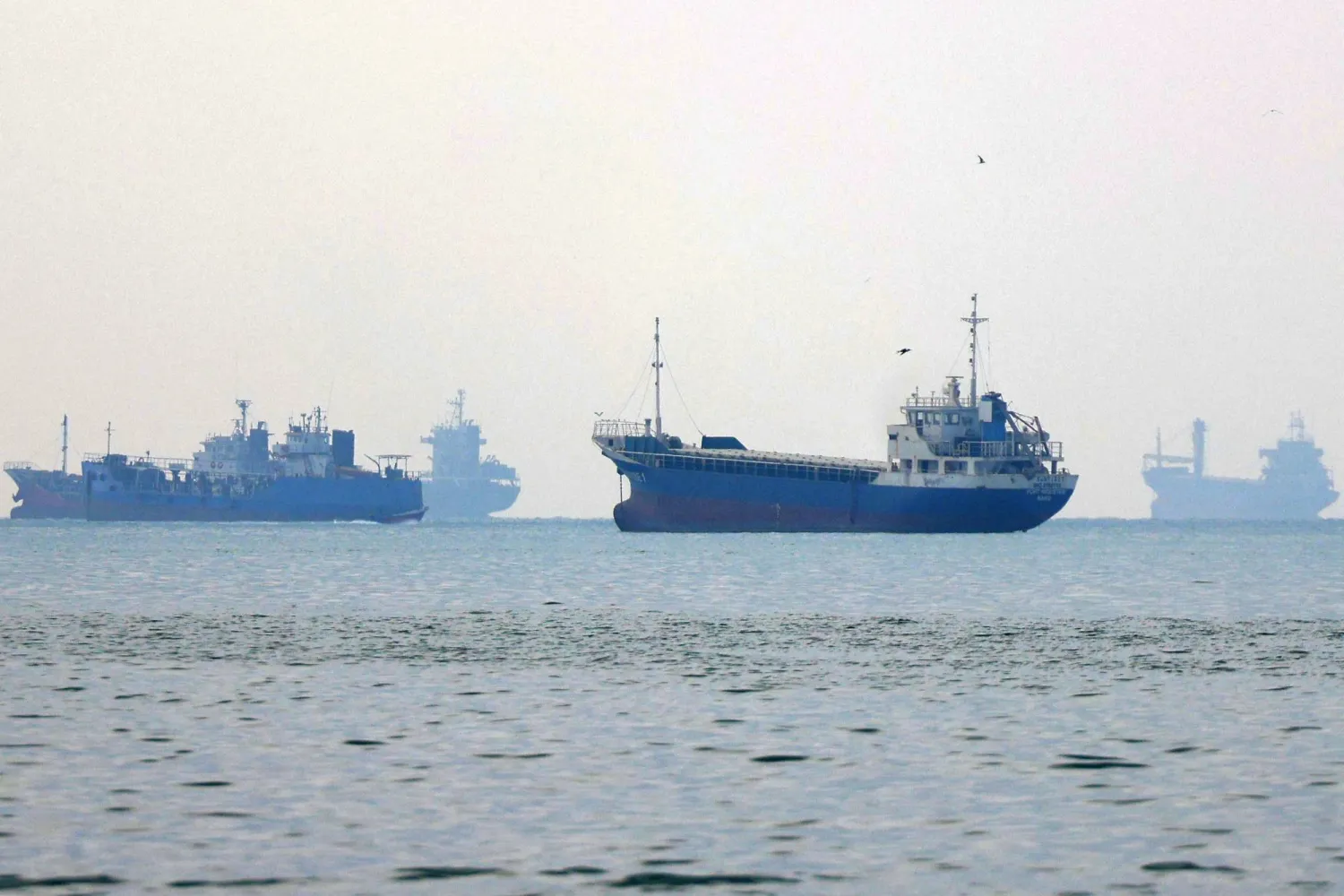
Vessels transit the Hormuz Strait off the coast of Iran's southern port city of Bandar Abbas on September 7, 2026. (Photo by ATTA KENARE / AFP) /

Four commodity vessels transited the Strait of Hormuz in the Gulf on Thursday, down from six a day earlier and below the 10-day average of about 16, preliminary shipping data showed on Friday.

The figures could change as some ships typically switch off their transponders during the voyage to avoid the risk of detection in the conflict zone, said Reuters.

Of the four vessels, three were entering ‌the strait ‌heading into the Gulf and one ‌was ⁠exiting, the data ⁠from shiptracker Kpler showed at 0200 GMT.

The vessels included two Panamax tankers, one Supramax ship and one Kamsarmax vessel. The waterway carried a fifth of the world's oil and gas before the Iran conflict.

Meanwhile, 23 commodity vessels transited ⁠the Bab el-Mandeb Strait on Thursday, another ‌maritime chokepoint on ‌the southwest tip of Yemen and a vital trade route ‌for oil between the Red Sea and ‌the Gulf of Aden.

The data showed 13 vessels heading towards the Red Sea and 10 towards the Gulf of Aden. They included a Panamax and ‌a Suezmax tanker, four Supramax vessels and six Aframax tankers.

The number compares with ⁠an ⁠average of around 26 ships using the strait in the past 10 days.


Gulf Markets Hold Firm Despite Tensions, US Rate Hike

A man watches stocks fall in the Kuwaiti market (AFP)
TT

Gulf Markets Hold Firm Despite Tensions, US Rate Hike

A man watches stocks fall in the Kuwaiti market (AFP)

Most Gulf stock markets advanced on Thursday despite mounting geopolitical tensions, as investors weighed the fallout from the US Federal Reserve’s first interest-rate hike in more than three years.

Most Gulf Cooperation Council central banks raised their key rates after the Fed lifted rates by 25 basis points on Wednesday.

Most Gulf currencies are pegged to the US dollar, except the Kuwaiti dinar, which is tied to a dollar-dominated currency basket. Gulf monetary policy therefore tends to track the Fed’s moves.

The Saudi Central Bank, known as SAMA, raised its repo and reverse repo rates by 25 basis points to 4.50% and 4.00%, respectively.

The Central Bank of the United Arab Emirates lifted the base rate on its overnight deposit facility by 25 basis points to 3.90%, while the Central Bank of Oman raised its repo rate by the same amount to 4.50%. Qatar Central Bank also increased its key rates by 25 basis points.

Subdued shipping through the Strait of Hormuz continued to weigh on investor sentiment, with attention turning to US President Donald Trump’s expected meeting with Gulf leaders next week.

Strong domestic fundamentals could continue to support the markets despite geopolitical pressures, said Milad Azar, a market analyst at XTB MENA.

Hopes that the Fed’s move would begin to rein in inflation helped calm a global bond selloff and curb a sharp recent rise in yields.

Mixed market performance

Saudi Arabia’s benchmark index surrendered early gains to close flat. Saudi National Bank fell 1.3%, while Saudi Aramco lost 0.5%.

Dubai’s main index gained 0.3%, helped by a 0.5% rise in Emaar Properties.

Abu Dhabi climbed 0.5%, while Qatar added 0.2%.

Bahrain fell 0.3% and Kuwait lost 0.4%, while Oman advanced 0.7%.

Outside the Gulf, Egypt’s blue-chip index rose 1.2%, supported by a 0.6% gain in Commercial International Bank.

Market closings:

Saudi Arabia: Flat at 10,778 points.

Abu Dhabi: Up 0.5% at 10,161 points.

Dubai: Up 0.3% at 5,987 points.

Qatar: Up 0.2% at 9,659 points.

Egypt: Up 1.2% at 55,499 points.

Bahrain: Down 0.3% at 1,924 points.

Oman: Up 0.7% at 7,603 points.

Kuwait: Down 0.4% at 9,244 points.


Syrian Energy Minister Revises Fuel Prices, Announces Subsidized Diesel

A fuel station in Damascus displays prices following a recent increase that sparked protests in several Syrian cities. (Reuters)
TT

Syrian Energy Minister Revises Fuel Prices, Announces Subsidized Diesel

A fuel station in Damascus displays prices following a recent increase that sparked protests in several Syrian cities. (Reuters)

Syrian Energy Minister Mohammed al-Bashir announced on Thursday that subsidized diesel would be sold at 115 Syrian pounds per liter, saying the ministry had approved practical measures to ease the burden on citizens while maintaining supplies.

Speaking at a news conference with Syrian Petroleum Company Chief Executive Youssef Qablawi on developments in the oil sector, Bashir said several grades of diesel would be offered at different prices and specifications to reduce living costs.

He also said several small local refineries would be restarted under the management and supervision of the Syrian Petroleum Company, with a combined capacity of up to 35,000 barrels of crude oil per day.

The Permanent Committee for Pricing Petroleum Products and Mineral Resources issued a temporary price list for petroleum products on Sunday. Syrians were caught off guard by the decision, which raised prices by between 25% and 40%, reflecting regional and global developments.

The decision triggered widespread public anger, particularly in eastern and northern Syria, where residents face complex economic, administrative, security and living conditions. Concerns have mounted that higher fuel prices will further increase already steep everyday expenses.

Bashir said at the news conference, carried by the state news agency SANA, that he met President Ahmed al-Sharaa on Wednesday to discuss practical alternatives.

They approved a proposal to offer several grades of diesel at different prices and specifications according to their intended use, rather than limiting the market to a single, high-grade and costly product, he said.

“We recognize that higher energy prices have a direct impact on people’s livelihoods and on the agricultural, production and service sectors,” Bashir said.

“Our responsibility is not limited to securing petroleum products. It also includes seeking solutions that ease the burden while maintaining continuity of supply.”

Bashir said subsidized diesel priced at 115 Syrian pounds per liter would be allocated primarily for heating, agriculture and groups eligible for government support.

Diesel meeting specifications suitable for transportation and for production and service-sector uses would be offered at 150 pounds per liter, he added.

The minister said crude petroleum products cost less than finished products. Syria spends about $140 million a month purchasing gas for power generation to meet the needs of its electricity plants, he said.

Syria imports 5.3 million cubic meters of gas per day from several countries, Bashir said, adding that the state treasury could not bear additional costs.

He said accumulated electricity-sector debt and losses from petroleum products had affected investment projects and capital spending. Unpaid electricity bills and illegal connections to the power grid had also increased losses at the Syrian Electricity Company.

“The state has adopted a policy of moving from a socialist economy to a free-market system, and we recognize the difficulties that this entails,” Bashir said.

“The return of the Baniyas refinery to operation and an increase in domestic production will have a positive effect on petroleum product prices.”

Qablawi said the Syrian Petroleum Company had begun preparing an implementation plan for the measures after discussing the relevant mechanisms with the Energy Ministry.

The company had spent the previous period studying the technical and operational details and working to remove potential obstacles to ensure smooth implementation, he said, according to Syria’s state-run Al-Ikhbariya television.

Qablawi said he hoped implementation would begin in the coming days, depending on technical and administrative readiness, adding that further details would be announced gradually.

Only designated fuel stations in the provinces would sell products processed by the small local refineries, he said.

The pricing committee issued its new temporary price list on Sept. 13.

The Energy Ministry later said the increase in Syrian petroleum product prices resulted from an exceptional rise in global procurement costs coinciding with a comprehensive overhaul of the Baniyas refinery.

It said the adjustment was temporary and intended to maintain supplies and ensure that petroleum products remained available on the domestic market.

Syria has been affected by higher global procurement costs for gasoline, diesel and fuel oil at a time when the Baniyas refinery is undergoing an overhaul expected to last about two months, temporarily increasing the country’s reliance on imported finished products.