


Saudi Arabia Rises to 13th Globally in Foreign Direct Investment Rankings

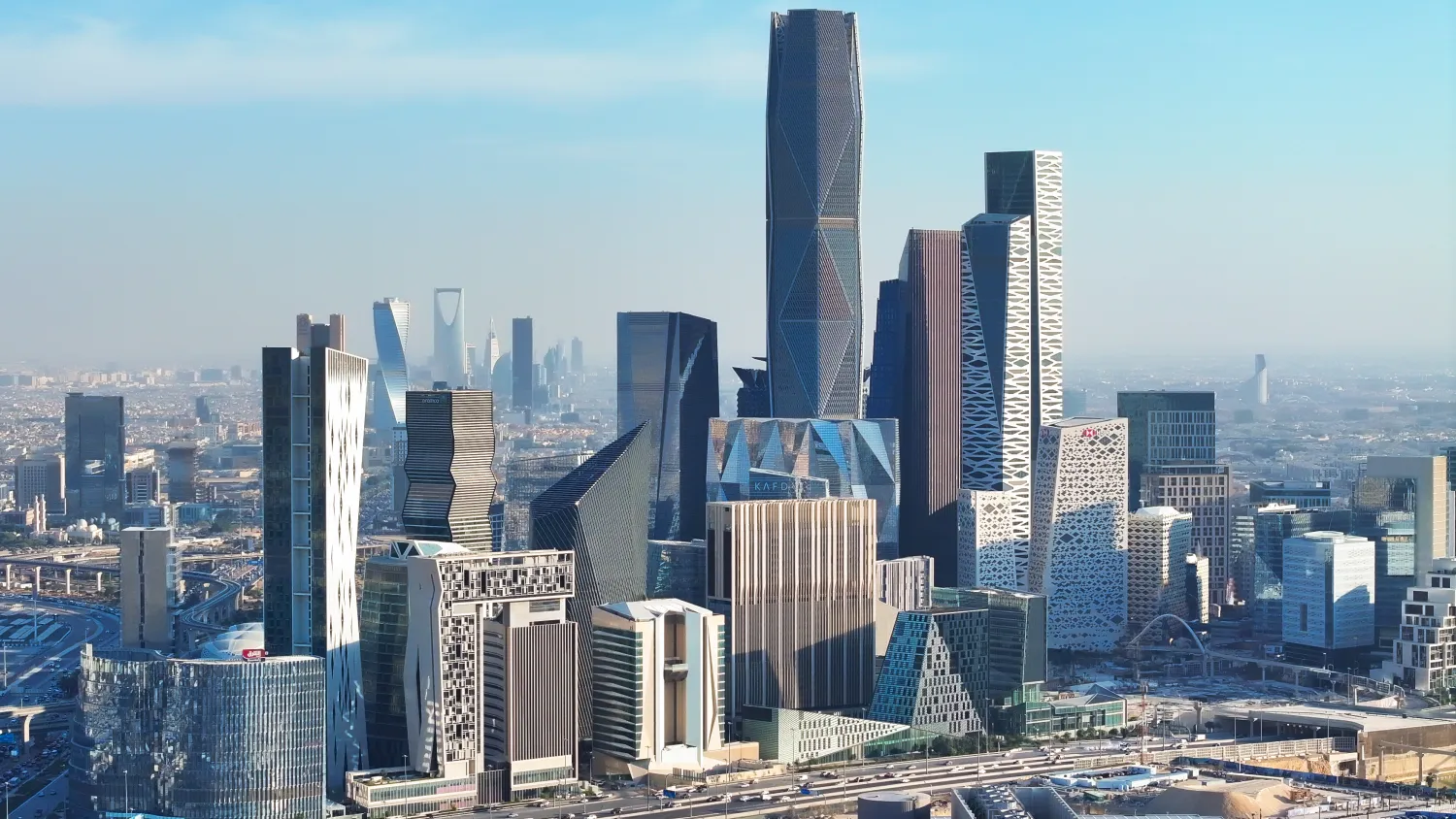
King Abdullah Financial District (KAFD) in Riyadh
TT

Saudi Arabia Rises to 13th Globally in Foreign Direct Investment Rankings

King Abdullah Financial District (KAFD) in Riyadh

Saudi Arabia has strengthened its position on the global investment map, advancing to 13th place worldwide in attracting foreign direct investment (FDI) last year, up from 17th place in 2024, according to the World Investment Report 2026 issued by the United Nations Conference on Trade and Development (UNCTAD). The improvement was driven by a 53 percent increase in net FDI inflows, which reached $32.6 billion.

The continued progress reflects the success of the country's economic reforms and Vision 2030 in transforming Saudi Arabia into a more competitive destination for global capital at a time when the international economy is slowing and competition to attract investment is intensifying.

The Kingdom's investment surge comes as the global economy faces heightened uncertainty and tighter monetary policies, leading to slower foreign investment flows across many emerging and advanced markets. Under its National Investment Strategy, Saudi Arabia aims to attract more than $100 billion in annual foreign direct investment by 2030. This goal is supported by a package of reforms that includes the introduction of a new investment law, the expansion of special economic zones, and streamlined regulatory procedures for foreign ownership.

The World Investment Report also highlights the growing investment opportunities Saudi Arabia offers in the technology and artificial intelligence sectors, supported by its advanced digital infrastructure and an environment that is well suited for future industries. At the same time, the country continues to build an integrated industrial and mining ecosystem that creates promising investment opportunities across future value chains.
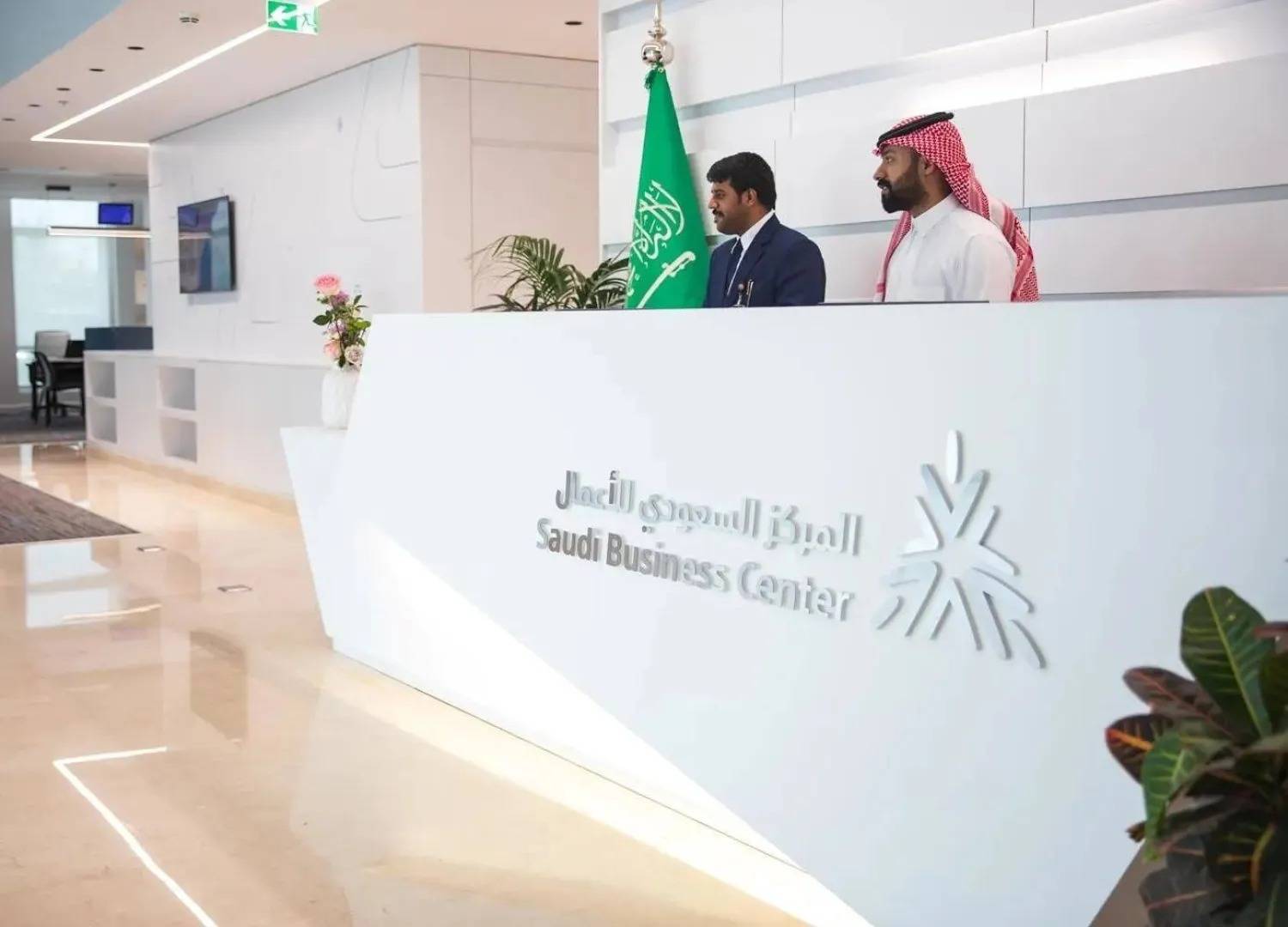
Reception staff at the Saudi Business Center, which specializes in facilitating business operations in the Kingdom.- Asharq Al-Awsat

Investor Confidence

In this context, former Shura Council member and economic specialist Dr. Fahad bin Juma said that the progress made in attracting foreign investment over recent years was not solely the result of financial incentives, but stemmed from a fundamental shift in the philosophy of managing the Saudi economy. He emphasized that foreign investors first look for an efficient regulatory and legislative environment with fast and effective procedures that match the size of the market, an area in which Saudi Arabia has made rapid progress.

Bin Juma told Asharq Al-Awsat that the sharp increase in investment inflows reflects growing confidence in Saudi Arabia's investment environment as much as it reflects the strength of the economy itself.

He added that regulatory reforms, including updates to the investment law, easier business procedures, stronger investor protections, expanded partnerships with the private sector, and linking investment to promising sectors such as industry, mining, technology, tourism, and logistics, have transformed Saudi Arabia from a market that attracted capital for limited opportunities into a long term investment platform.

He added that the challenge in the next phase is no longer limited to attracting new investments. It also lies in retaining existing investors and encouraging them to expand their operations, further strengthening Saudi Arabia's position among the world's leading investment destinations.

Diversifying Sources of Income

For his part, legal consultant and professor of commercial law Dr. Osama bin Ghanem Al Obeidi told Asharq Al-Awsat that Saudi Arabia's rise in the global investment rankings demonstrates the success of the Kingdom's investment policy under Vision 2030, which aims to diversify sources of income and reduce reliance on oil.

According to Al Obeidi, the Kingdom seeks to attract foreign capital and has introduced numerous legislative reforms that support greater foreign investment inflows. These measures encourage international investors to enter the Saudi market by allowing foreign ownership of up to 100 percent in many sectors.

Al Obeidi added that the new Investment Law has played a major role in attracting foreign investment by ensuring equal treatment for investors, whether Saudi nationals or foreigners, while also protecting property rights and providing mechanisms for dispute resolution through courts and arbitration bodies.

He continued that, under the new framework, the Kingdom offers foreign investors a range of incentives through specialized programs, including the Regional Headquarters Program, which grants global companies relocating their regional headquarters to Riyadh incentives such as income tax and withholding tax exemptions for up to 30 years. In addition, the Premium Residency Program provides, subject to specific conditions, benefits related to residency, mobility, and real estate ownership in the Kingdom.

Technology, Industry, and Mining

Saudi Arabia continues to develop advanced digital infrastructure that supports investment growth in technology and artificial intelligence while strengthening the market's readiness for high growth sectors. Clear policies, a more developed regulatory environment, and integrated enablers all contribute to attracting capital into the technology sector.

The Kingdom is reinforcing its position as an investment platform that supports innovation, enables companies to expand, and connects them with future markets and opportunities. At the same time, Riyadh continues to build an integrated industrial ecosystem that links mineral resources with advanced manufacturing, enhancing value creation and supporting economic diversification. Investment incentives, infrastructure, and the continued improvement of the investment environment are also increasing the Kingdom's appeal to investors in industry and mining.

Investment opportunities extend from resource extraction and processing to manufacturing industries, components production, and final manufacturing. The industrial and mining sectors strengthen Saudi Arabia's position in strategic industries while creating opportunities for long term growth driven by production and innovation.



Riyadh to Host Global Logistics, Supply Chain Forums in November

A view of Riyadh, Saudi Arabia. (SPA)
TT

Riyadh to Host Global Logistics, Supply Chain Forums in November

A view of Riyadh, Saudi Arabia. (SPA)

Under the patronage of Custodian of the Two Holy Mosques King Salman bin Abdulaziz Al Saud, Saudi Arabia will host the second editions of the Global Logistics Forum (GLF) and the UNCTAD Global Supply Chain Forum (GSCF) in Riyadh from November 29 to December 1, reported the Saudi Press Agency on Tuesday.

The GLF, organized by the Saudi Ministry of Transport and Logistic Services, and the GSCF, hosted in partnership with the United Nations and the Saudi Ports Authority, form a pivotal international platform bringing together global leaders, decision-makers, and experts in transport, supply chains, and international trade.

Aligning with Saudi Vision 2030, the GLF aims to solidify the Kingdom's position as a global logistics hub connecting continents while driving innovation, global connectivity, and sustainable supply chains.

The Ministry of Transport and Logistic Services stressed that the co-located forums will serve as a premier launchpad for strategic initiatives and international partnerships, inviting global specialists to participate.

The inaugural 2024 GLF in Riyadh drew over 13,000 attendees, 140 speakers, and 80 exhibitors from more than 30 countries, resulting in 67 agreements valued at over SAR16 billion ($4.3 billion).


Saudi Arabia Tightens Auto Dealer Obligations to Protect Consumers, Improve Ownership Experience

People are seen at the Riyadh Motor Show. (Riyadh Season)
TT

Saudi Arabia Tightens Auto Dealer Obligations to Protect Consumers, Improve Ownership Experience

People are seen at the Riyadh Motor Show. (Riyadh Season)

Saudi Arabia’s auto market is moving toward greater discipline and competition as the Ministry of Commerce steps up oversight of dealers, seeking to strengthen consumer protection and improve compliance with after-sales service requirements.

The ministry announced it had suspended an auto dealership, barred it from importing vehicles and fined it SAR 8.12 million ($2.1 million) after recording 175 violations. These included failure to provide spare parts and replacement vehicles to customers during maintenance, as well as other breaches involving consumer rights, the Commercial Agencies Law and its implementing regulations.

The ministry investigated the violations, contacted affected consumers and followed up to ensure they received their rights and due compensation, including replacement vehicles.

It also summoned the manufacturer, oversaw corrective measures and recall campaigns, and began transferring the brand to another dealer after verifying its readiness and ability to provide the necessary services.

Mohammed Al-Farraj, chief asset management officer at Arbah Capital, told Asharq Al-Awsat that Saudi Arabia’s large auto market and sustained demand make it one of the region’s most attractive, supported by population and economic growth, expansion of the non-oil economy and mega-projects, and growth in tourism and logistics.

The availability and variety of financing options play a key role in supporting demand, particularly because cars are a necessity for a large segment of the population rather than a luxury, Al-Farraj noted.

Market performance is influenced by vehicle prices, financing costs, income levels and supply, as well as competition among brands and the quality of after-sales services.

Al-Farraj described the ministry’s tougher oversight as a positive step toward protecting consumers and improving market discipline, stressing that a dealer’s obligations do not end with a sale but extend to warranties, maintenance, spare parts and replacement vehicles when needed.

Stronger after-sales compliance should bolster market confidence and gradually shift competition toward quality and reliability rather than price alone.

Al-Farraj expects intensifying competition to push dealers to focus more on the value offered throughout vehicle ownership, including total cost of ownership and customer service.


Mega-Projects, Investment Flows Draw Bank of Jordan to Saudi Arabia

A group photo of Bank of Jordan officials following the inauguration ceremony for the bank’s first branch in Riyadh. (Asharq Al-Awsat)
TT

Mega-Projects, Investment Flows Draw Bank of Jordan to Saudi Arabia

A group photo of Bank of Jordan officials following the inauguration ceremony for the bank’s first branch in Riyadh. (Asharq Al-Awsat)

Saudi Arabia’s appeal extends beyond rising foreign investment and expanding mega-projects to the banking sector, where institutions see the economic transformation driven by Vision 2030 as an opportunity to establish a long-term presence in one of the region’s fastest-growing markets.

Bank of Jordan Group’s entry into the Kingdom reflects growing interest among regional financial institutions in tapping the country’s expanding investment cycle.

The group opened its first branch in Riyadh on Monday, launching its financial and banking operations in Saudi Arabia. The move underscores the Kingdom’s ability to attract not only capital, but also financial institutions seeking to finance the next phase of investment.

Mega-projects, private sector expansion and growing foreign and domestic investment are creating significant opportunities for banks to provide financing solutions and services to companies and investors. At the same time, Saudi Arabia is seeking to deepen the financial sector’s role as a driver of growth and economic diversification.

Saleh Hammad, general manager of Bank of Jordan Group, told Asharq Al-Awsat that the bank’s strategy is based on a clear view of the economic transformations reshaping Saudi Arabia and the wider region.

The group has pursued carefully considered regional expansion, focusing on markets with sustainable economic fundamentals and strategic importance, with Saudi Arabia at the forefront.

Hammad said the Kingdom is undergoing an unprecedented economic transformation under Vision 2030, fueled by investment growth, private-sector expansion and the development of its financial and banking environment.

Establishing a presence in one of the region’s leading financial and economic hubs strengthens Bank of Jordan’s position as a regional institution capable of supporting trade, development and investment opportunities, he noted.

Hammad also highlighted Saudi Arabia’s strong banking system and evolving regulatory environment, supported by the Saudi Central Bank, as key advantages that enhance the group’s position while creating added value for clients and investors.