




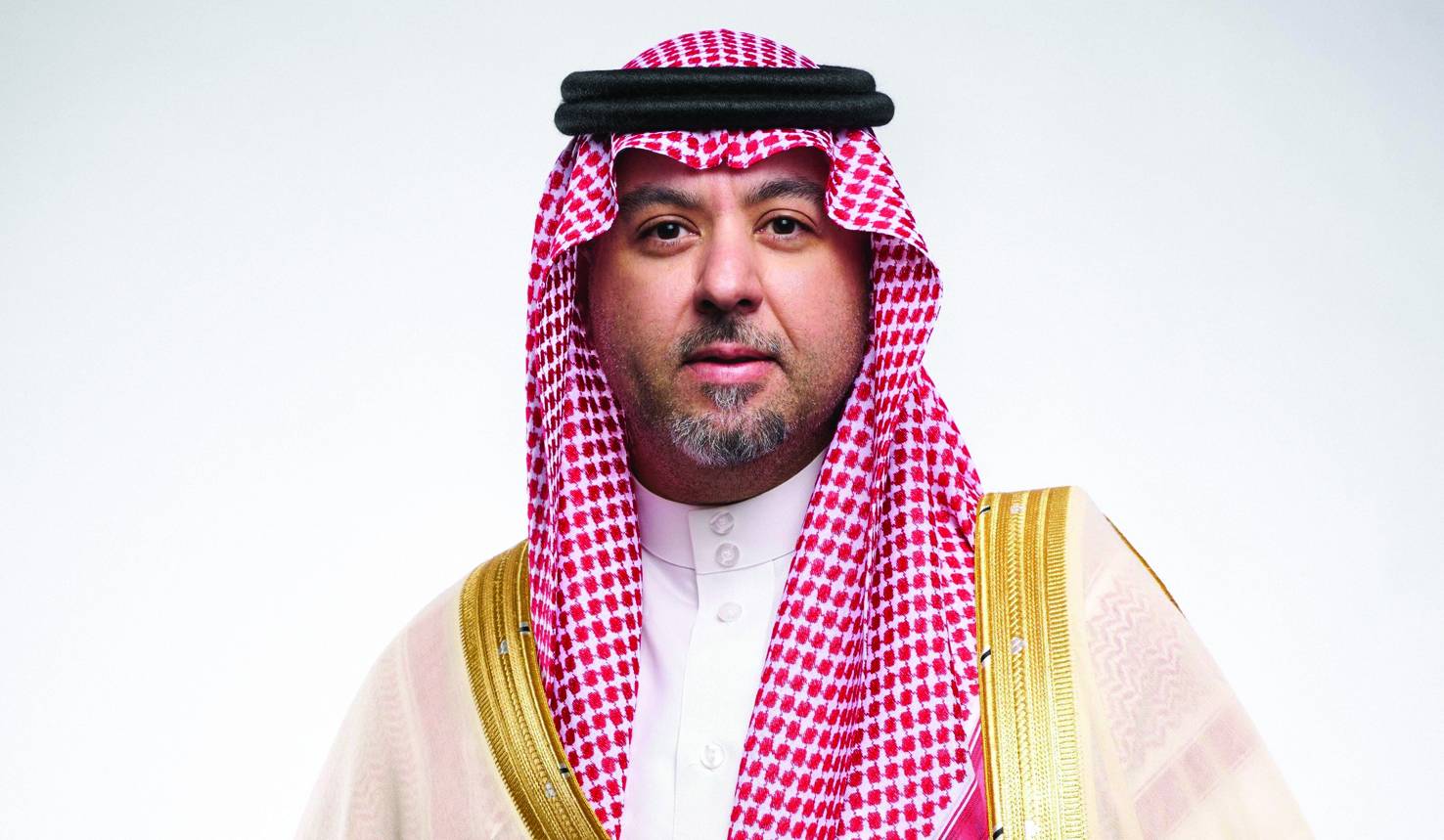
Omar Hariri, CEO of SAL Saudi Logistics Services, said the company is moving ahead with an expansion strategy aimed at transforming it into an integrated logistics platform with an international presence. The strategy is centered on developing its businesses in cargo ground handling, logistics services and SAL Logistics Zones, while expanding beyond the Kingdom through carefully considered investments and acquisitions that support trade corridors linked to Saudi Arabia.
In an interview with Asharq Al-Awsat, Hariri said cargo ground handling will remain the main pillar of the company’s revenues in the coming years, but he expects the contribution of the logistics business to increase gradually, alongside the development of the SAL Logistics Zone into an additional long-term growth engine.
Growing Volumes
He explained that the company continues to expand its airline customer base, increase handling volumes and improve its cargo mix, while maintaining pricing discipline and enhancing operational efficiency. SAL is also studying growth opportunities through targeted acquisitions, the latest being its acquisition of Aviapartner Liège SA in Belgium.
He added that the logistics business represents one of the most prominent future growth drivers, supported by higher occupancy rates at storage centers, expansion in contract logistics and growth in road feeder services. The sector has continued to achieve double-digit revenue growth, alongside a continued improvement in operating profitability.
Financial Results
Regarding financial results, Hariri said SAL recorded its best quarterly performance in its history during the second quarter of 2026, after revenue rose 30 percent to SAR 512 million ($136.5 million). Operating profit grew 24 percent to SAR 213 million ($56.8 million), while net profit increased 18 percent to SAR 191 million ($50.9 million), with an operating profit margin of 41.6 percent.
Hariri explained that revenue growing at a faster pace than profit was due to the expansion of logistics activities, which naturally require higher operating costs, in addition to continued investment in infrastructure and operational capabilities in preparation for the next stages of growth.
He noted that the company’s performance during the second half of the year would be affected by several factors, including developments in the region’s operating environment, demand for imports, handling volumes and cargo mix, as well as progress on logistics projects and the SAL Logistics Zone and international expansion plans.
Hariri stressed that the company does not view logistics and cargo ground handling as two competing sectors, but rather as complementary parts of a single system. He explained that the objective is to provide integrated logistics solutions extending from cargo handling to warehousing and distribution, contract logistics and road feeder services, thereby diversifying revenue sources without compromising the central role of the cargo ground handling business.
Geopolitical Tensions
Speaking about the impact of geopolitical tensions in the region, he explained that their effects on SAL’s operations had been limited and temporary, consisting mainly of rerouting some cargo routes and managing capacity as a result of restrictions faced by some airlines in using airspace.
He added that the company’s extensive operational network at airports across the Kingdom, together with the flexibility of its teams, contributed to maintaining service continuity and efficiently redirecting cargo flows. Activity began to regain momentum at the beginning of the second quarter, with airlines gradually returning to their normal operations.
Hariri believes these developments highlighted the importance of Saudi Arabia as a highly reliable logistics hub, benefiting from its strategic location linking East and West and from major investments in logistics infrastructure.
International Expansion
As part of its international expansion plans, the CEO revealed that SAL established SAL International Ground Handling B.V. during the second quarter, headquartered in the Netherlands, to serve as a holding platform managing the company’s international investments. He stressed that the expansion strategy is based on serving trade corridors linked to the Kingdom, rather than merely pursuing geographic expansion.
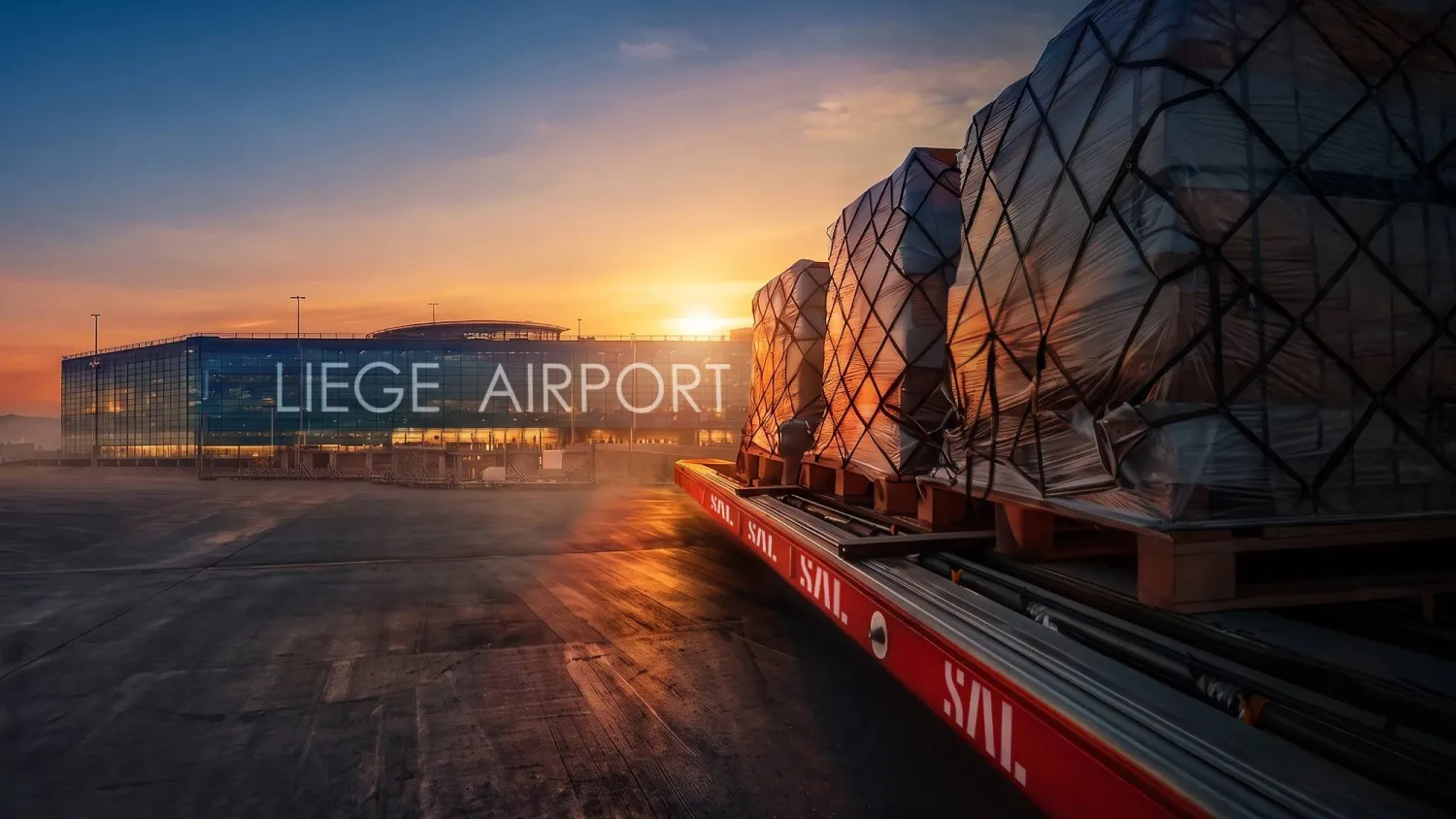
He explained that the company’s acquisition of Aviapartner Liège gives it its first operational platform outside the Kingdom in one of Europe’s most important air cargo hubs. Liège Airport is Belgium’s largest cargo airport and Europe’s fifth-largest cargo airport, strengthening the Kingdom’s links to global trade corridors while expanding the company’s customer base and relationships with international airlines.
He noted that the company is currently focused on integrating the acquisition and achieving its operational and strategic objectives, while retaining the option of carrying out further acquisitions in the future as part of a measured and disciplined approach.
Aviation Sector
Regarding Saudi Arabia’s aviation sector, the CEO of SAL Saudi Logistics Services said the sector’s significant expansion represents a direct opportunity for the growth of SAL’s business, with new airlines entering the market and the number of flights and international destinations increasing.
He explained that the company signed new agreements during the second quarter with Singapore Airlines and China’s SF Airlines, as well as with Uzbekistan’s Fly Khiva Group and Centrum Air, which will increase handling volumes and diversify the customer base.
He added that SAL continues to invest in increasing its operational capacity at airports across the Kingdom, alongside developing the SAL Logistics Zone and adopting advanced digital solutions to increase efficiency and productivity. He noted that the board of directors had approved dedicated investments to ensure the company’s readiness to accommodate the expected growth in the aviation and logistics sectors.
SAL’s 2030 Vision
Regarding the company’s vision for 2030, Hariri said SAL aims to become a leading national logistics company offering an integrated platform for cargo ground handling and logistics services, while building an international operational presence that serves trade flows linked to the Kingdom.
He stressed that the company is not seeking geographic expansion simply to increase its size, but rather to build an operational network originating in Saudi Arabia and extending to locations that serve the Kingdom’s trade corridors, while maintaining service quality and financial discipline. This supports the objectives of Saudi Vision 2030 in cementing the Kingdom’s position as a global logistics hub.


