


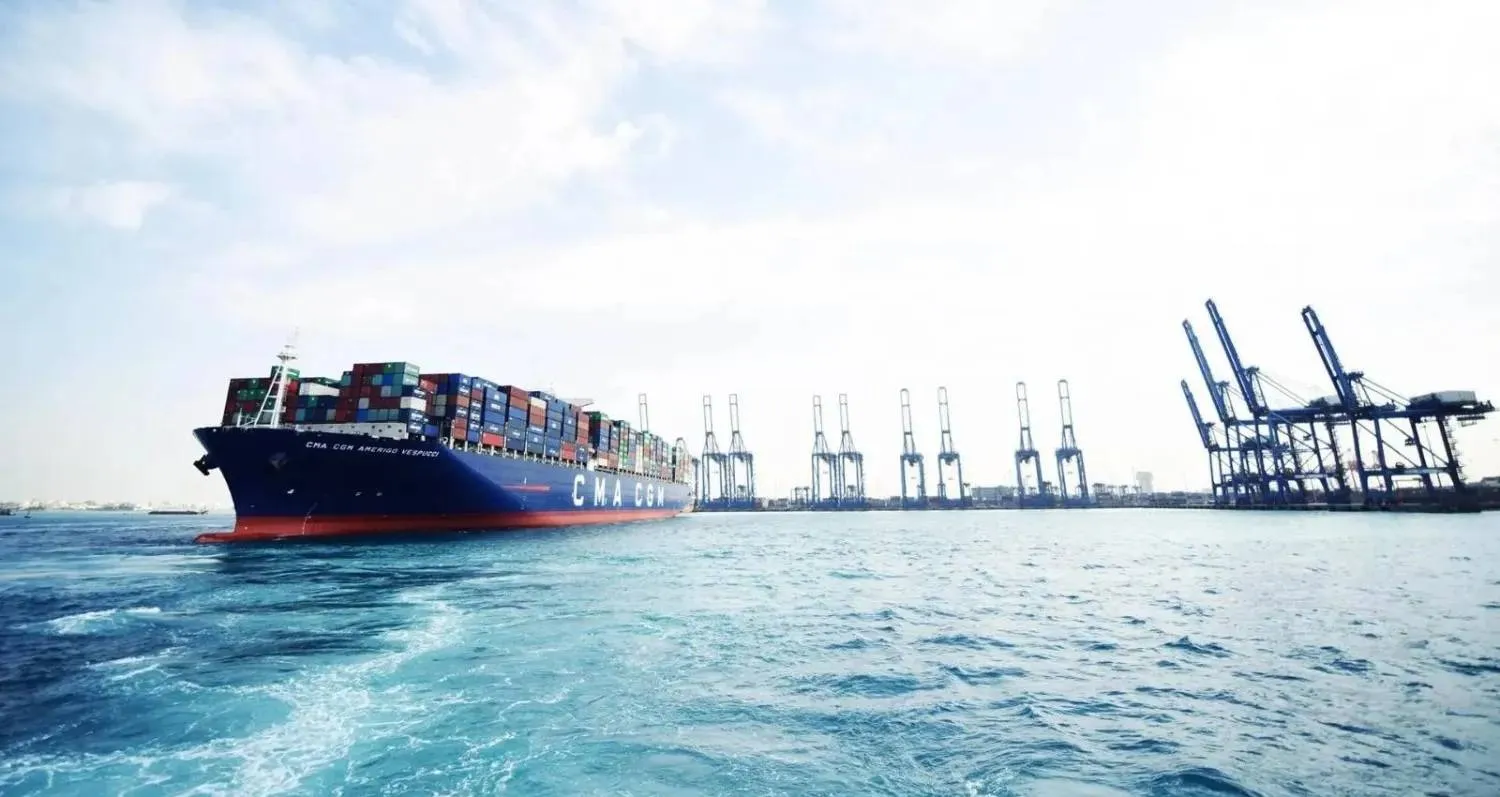

Trade can grind to a halt before ports close or shipping lanes are blocked. Disruption can begin elsewhere, when cargo or vessels become too costly or difficult to insure, or when markets are unable to provide adequate coverage for war-related risks.
Against a backdrop of rising geopolitical risks in the region and their spillover into maritime traffic, insurance and reinsurance markets, Saudi Arabia is moving to establish a national framework to help keep trade flowing even in a highly volatile maritime environment.
In response, the Cabinet approved the establishment of the “Saudi War Risks Insurance Pool for Cargo and Vessels,” a step aimed at building domestic insurance capacity to address risks that could drive up transportation and trade costs or constrain global insurers’ ability to provide coverage.
The initiative is also intended to help ensure the continuity of goods flows and support businesses involved in transportation and logistics.
The move is particularly significant for Saudi Arabia as it expands its role as a trade and logistics hub. The competitiveness of ports and distribution centers depends not only on cargo-handling speed and transport costs, but also on companies’ ability to price and manage risks when geopolitical conditions change abruptly.
Saudi Finance Minister Mohammed al-Jadaan said after the Cabinet approved the mechanism that the Saudi marine insurance pool was a specialized national mechanism designed to support the continuity of trade and supply chains through a public-private partnership.
He said the pool would directly enhance the technical preparedness of the domestic insurance market and expand its capacity to provide the necessary coverage under rules and frameworks set by the Insurance Authority.
He added that the initiative would strengthen the resilience of the national economy and help safeguard its stability amid regional and international crises and challenges.
Industry specialists who spoke to Asharq Al-Awsat said the pool’s economic value would be most evident during crises, when insurance premiums surge or insurers and reinsurers tighten their acceptance of risks associated with particular regions.
They said a stable insurance safety net could give transport companies, importers and exporters greater room to plan and continue operating.
A stable insurance environment
Logistics specialist Nashmi al-Harbi said rising shipping risks in the Red Sea and the Gulf had prompted some insurers to tighten their conditions for covering vessels linked to the region.
That makes the establishment of the Saudi pool particularly timely for domestic transport and logistics companies, he said, as it would help reduce one of the main sources of uncertainty affecting international shipping contracts.
Al-Harbi told Asharq Al-Awsat that international companies doing business with Saudi Arabia, or whose cargo passes through its ports, would also benefit from greater clarity and stability in the insurance environment.
He said the pool’s scope would not be limited to vessels based in the kingdom but would extend to activities and companies with Saudi interests, subject to approved eligibility and coverage requirements.
Al-Harbi said providing stable war-risk coverage would make Saudi Arabia more attractive as a regional hub for storage, distribution and re-exporting.
Logistics companies do not consider only port, transport and cargo-handling costs when selecting destinations, he said. They also take into account the costs of risks to goods and vessels throughout their journeys.
The cost of risk
Supply chain and logistics expert Khalid al-Ghamdi said the importance of the Saudi war-risk insurance pool went beyond providing coverage for vessels and cargo.
It also addressed a deeper challenge facing businesses: the difficulty of predicting risk costs when geopolitical conditions change suddenly.
Al-Ghamdi said a national war-risk safety net would give Saudi logistics companies greater stability when planning voyages, signing contracts and setting prices.
Companies managing thousands of containers need to know more than the cost of fuel, transport and cargo handling, he said. They also need greater certainty about insurance costs so that insurance risks do not suddenly become a heavy financial burden or an obstacle to keeping voyages in operation.
The decision sends a message to international logistics companies that Saudi Arabia is continuing to build a business environment capable of operating even when shipping is disrupted, he said.
That could become an additional factor in decisions by global companies when choosing ports and distribution and re-export centers.
Al-Ghamdi added that the selection of a logistics hub was based not only on location and transport costs, but also on its ability to absorb shocks and manage risks associated with trade flows.
Strengthening that capacity could improve supply-chain resilience, bolster international companies’ confidence and create opportunities for more effective risk-management partnerships, he said.
Insurance pool arrangements
The initiative establishes a national insurance mechanism bringing together the public and private sectors under the supervision of the Insurance Authority.
It is intended to strengthen the domestic insurance market’s ability to handle war risks associated with maritime transport and mitigate the effects of volatility and rising reinsurance costs in global markets.
The initiative also aims to enhance Saudi Arabia’s competitiveness as a logistics hub at a time when more flexible tools are needed to manage the risks facing trade and transport.
As part of its implementation, the Saudi Reinsurance Company, known as Saudi Re, said that the Insurance Authority had selected it to lead and structure the pool’s arrangements, with participation from insurers operating in the domestic market.
Saudi Re will manage the pool’s technical operations and reinsurance arrangements. Beneficiaries will be able to obtain coverage through participating insurers under approved terms and conditions.
Initiative’s objectives
The Insurance Authority has identified four main objectives for the pool: enhancing the insurance market’s preparedness and capacity to absorb marine insurance risks; supporting the continuity of trade and supply chains; limiting the effects of sharp volatility and higher reinsurance costs in global markets; and strengthening Saudi Arabia’s competitiveness as a major logistics hub.
The pool will cover cargo transported by land, sea and air, as well as marine hull insurance against covered damage and risks.
It will also cover charterers’ liability and provide protection and indemnity coverage, offering broader protection to parties involved in transport and trade.
Eligible beneficiaries include exporters and importers; vessel owners and operators; shipping, freight and maritime transport companies; businesses involved in cargo movements, logistics and supply chains; and Saudi insurers participating in the pool.
International models
Saudi Arabia is not alone in adopting such a mechanism. Other countries have established national pools to address rising war risks and difficulties in obtaining coverage from traditional insurance markets.
India offers a recent example. This year, it launched a marine insurance pool with a total capacity of $1.5 billion, including a $1.4 billion sovereign guarantee, to cover war risks affecting vessels and cargo linked to Indian interests.
India’s experience demonstrated the scale of demand for such coverage. The scheme issued more than 1,600 policies within weeks of beginning operations, while war-risk insurance premiums fell by about 35% to 40% from the peaks recorded during the escalation of regional tensions.
The trend reflects a shift in how countries manage maritime war risks—from relying entirely on global insurance and reinsurance markets to developing domestic capacity that can help keep trade moving when coverage becomes more expensive or private insurers’ appetite for risk declines.


