


Saudi Sukuk, Bonds Gain New Route to Liquidity

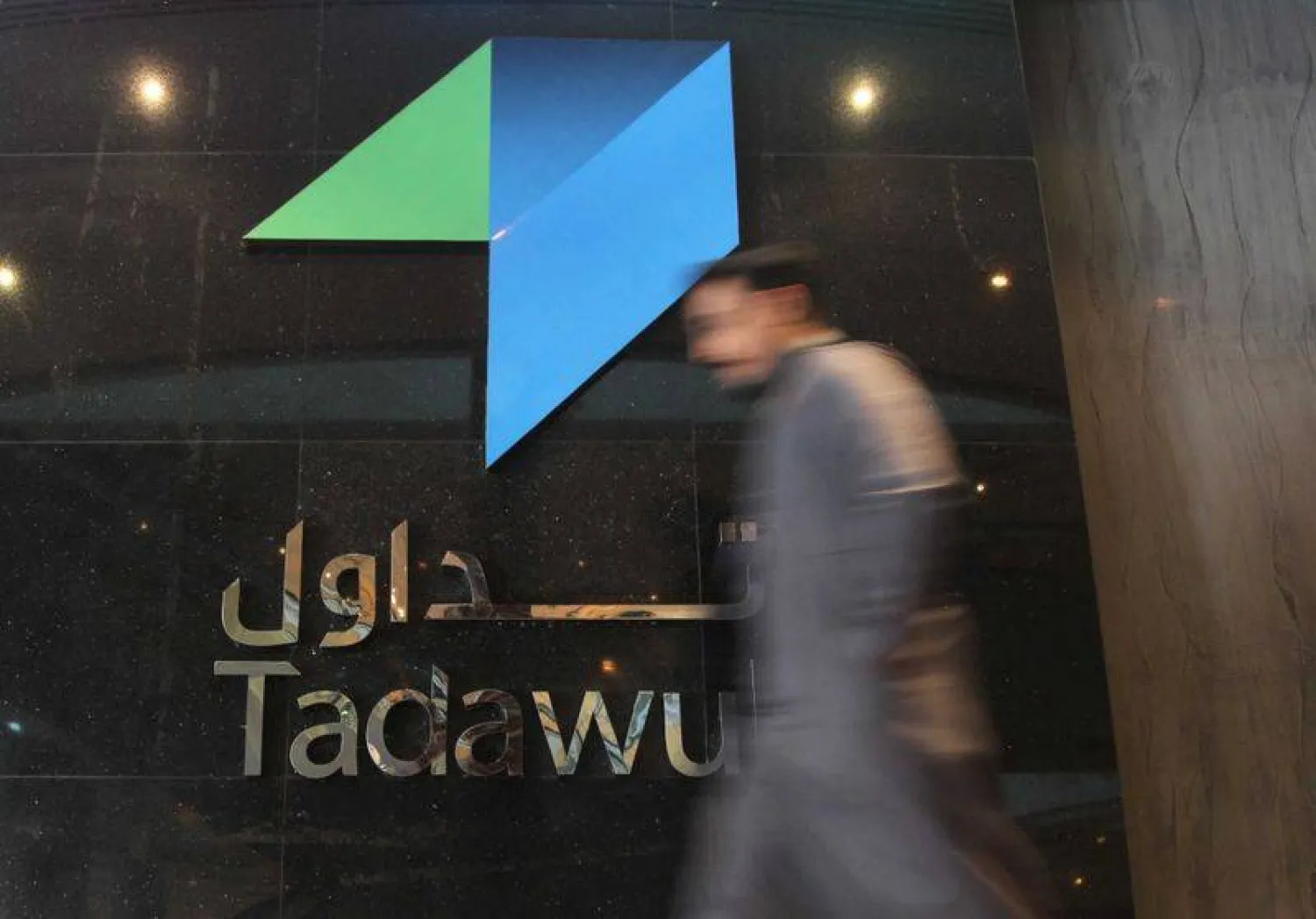
An investor walks past the Tadawul logo at the Saudi stock exchange. (Reuters)
TT

Saudi Sukuk, Bonds Gain New Route to Liquidity

An investor walks past the Tadawul logo at the Saudi stock exchange. (Reuters)

Saudi Arabia is bringing trade execution, clearing and settlement into a connected electronic workflow for its riyal-denominated sukuk and bond market, a step aimed at making secondary trading more efficient.

The change could make existing liquidity easier to find, improve price discovery and cut manual processing. It follows an approach seen in international markets, where electronic trading has developed alongside integrated local post-trade systems.

Tradeweb’s alternative trading system, previously available to international investors in Saudi Arabia, now also offers an electronic route for domestic investors and dealers.

The US-based company said GIB Capital and Saudi Awwal Bank executed the first domestic trade on the system.

Trade details were sent to the Securities Clearing Center Company, known as Muqassa, for post-trade processing and then to the Securities Depository Center Company, known as Edaa, for settlement.

Tradeweb is licensed by Saudi Arabia’s Capital Market Authority to operate the system for sukuk and debt instruments.

Under the new process, a domestic investor can request and compare quotes electronically from eligible dealers. Once a trade is executed, its details go to Muqassa, which sends settlement instructions to Edaa. Participation is limited to professional investors and domestic dealers who meet the relevant registration and account requirements.

Previously, domestic execution and settlement followed separate processes, which could require trade details to be transferred or entered into different systems.

The connected electronic record should reduce repeated data entry and manual intervention, while making trades easier to trace and audit. The trades remain bilateral, and existing local settlement arrangements still apply.

Electronic trading does not create liquidity in itself, Enrico Bruni, Tradeweb’s Managing Director and Co-head of Global Markets, told Asharq Al-Awsat. It does, he said, make existing liquidity easier to find and access.

A standardized, traceable request-for-quote process lets investors compare prices from eligible dealers. Bruni said wider use among clients and dealers could, over time, improve price discovery and deepen the secondary market.
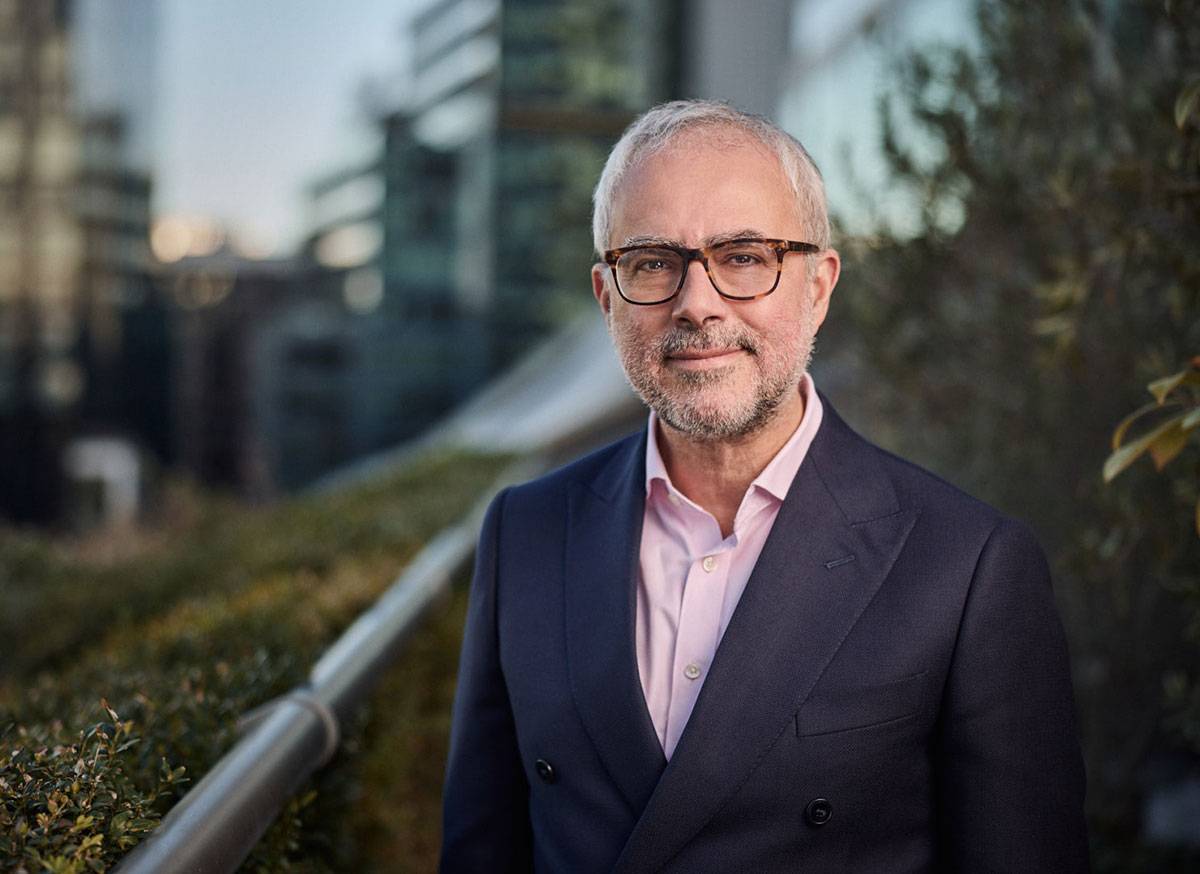
Enrico Bruni, Tradeweb’s Managing Director and Co-head of Global Markets. (Tradeweb)

From international to domestic trading

Tradeweb launched the alternative trading system in Saudi Arabia in October 2025, initially allowing international investors to trade riyal-denominated sukuk and debt instruments electronically. Early trades involved international institutions, including BlackRock, BNP Paribas and Goldman Sachs.

The domestic route gives institutions and dealers in Saudi Arabia an electronic trading channel while keeping post-trade processing and settlement within local infrastructure. A transaction can now start with an electronic request for quotes and proceed through local clearing and settlement.

The platform is still at an early stage. Bruni did not provide specific trading-volume figures since its launch, saying activity first focused on access for international investors before trading between domestic participants was added.

A growing need for price discovery

The process arrives as Saudi Arabia’s riyal debt market expands and international participation increases.

Saudi government debt instruments are expected to enter J.P. Morgan’s emerging-market government bond index in stages from January 2027, widening the pool of investors who track the index or invest in its securities.

That broader international investor base, alongside growing domestic participation, could increase demand for efficient access to dealer liquidity and clearer price discovery as the secondary market develops.

Scope for expansion

Bruni said electronic trading could eventually extend beyond government sukuk and riyal-denominated debt instruments to corporate bonds, repurchase agreements and derivatives. Any addition would depend on client demand, available liquidity and regulatory approval.

Tradeweb said the current infrastructure could support other products and trading methods while preserving Saudi market account structures, settlement arrangements and trading practices.

Over the next two to three years, Bruni said, success would be measured less by a particular trading volume than by regular use among more domestic and international investors, a larger network of liquidity providers and a wider range of traded instruments.

For now, the change is chiefly operational: it connects execution with local clearing and settlement and makes dealer liquidity easier to access.

As participation grows, that could help develop secondary trading in riyal-denominated sukuk and bonds.



Turkish Cenbank Says to Maintain Tight Monetary Stance Till Price Stability

Turkish Central Bank Governor Fatih Karahan speaks during a press conference in Istanbul, Türkiye, February 7, 2025. REUTERS/Dilara Senkaya
TT

Turkish Cenbank Says to Maintain Tight Monetary Stance Till Price Stability

Turkish Central Bank Governor Fatih Karahan speaks during a press conference in Istanbul, Türkiye, February 7, 2025. REUTERS/Dilara Senkaya

Turkish Central Bank Governor Fatih Karahan on Wednesday said the bank would maintain its tight monetary policy until price stability is achieved.

According to Reuters, He was speaking about Türkiye's monetary policy and macroeconomic outlook during a visit to Bangkok for a meeting of the World Bank.

Here are some details from the governor's presentation:

* Underlying inflation ⁠is moderating despite ⁠elevated energy prices
* Soft demand dampens inflationary impulses from supply shocks
* Proactive measures limit the possible contagion from trade-restricted funds
* Turkish lira preference remains strong under tight monetary policy
* The ⁠tight monetary policy stance, which will be maintained until price stability is achieved, will strengthen the disinflation process through demand, exchange rate, and expectation channels
* The Monetary Policy Committee (MPC) will determine the policy rate by taking into account realized and expected inflation and its underlying trend in a way to ensure ⁠the tightness ⁠required by the projected disinflation path in line with the interim targets
* Monetary policy decisions are made prudently on a meeting-by-meeting basis with a focus on the inflation outlook
* Monetary policy stance will be tightened in case of a significant deviation in inflation outlook from the interim targets


Lebanon’s Deepening Cost-of-Living Crisis Raises Fears of Unrest

A woman carries grocery bags in Beirut amid continued price increases (Reuters)
TT

Lebanon’s Deepening Cost-of-Living Crisis Raises Fears of Unrest

A woman carries grocery bags in Beirut amid continued price increases (Reuters)

Lebanon’s worsening cost-of-living crisis and widening poverty are threatening to erase the country’s fragile economic recovery, raising fears of social unrest as inflation accelerates and the fallout from successive wars deepens.

Two major rounds of fighting over the past two years have wiped out much of the progress made in restoring economic growth, undermining efforts by the country’s political leadership and government to overcome the financial collapse and revive support from regional and international partners.

Food inflation has reached an average of 20% this year, with monthly increases of around 2%, while a recent World Bank report on Lebanon’s poverty outlook highlighted a sharp deterioration in food security.

The number of people facing crisis or emergency levels of food insecurity rose to approximately 1.24 million in 2026, up from 874,000 in 2025, with South Lebanon and Nabatieh among the hardest-hit regions.

Business and labor union sources warned that worsening living conditions could spark a wave of protests, confronting the government with challenges extending beyond its ongoing disputes with public sector employees and retirees.

Low incomes and soaring prices have already prompted intermittent strikes, partially disrupting ministries and public institutions and affecting Treasury revenues from vital services.

According to employer and labor representatives, more than a quarter of Lebanon’s residents now face severe poverty or acute economic hardship.

Based on the World Bank’s figures and an average household size of five, this represents roughly 250,000 families.

The sources estimated that broader financial hardship affects nearly 80% of residents, as cumulative price increases have pushed the inflation index close to 9,000 percentage points, largely reflecting successive surges since the financial and monetary crisis erupted in 2019.

The World Bank highlighted the deterioration in household living conditions following the escalation of hostilities in spring 2026.

Displaced families have become increasingly dependent on informal support networks and dwindling financial resources after losing income and productive assets.

Meanwhile, reduced electricity generation at Lebanon’s fuel-powered state plants has forced households to shoulder steep increases in private generator subscription fees, further eroding purchasing power. The crisis is compounded by the government’s strained finances and concerns over a further decline in Treasury revenues.

Lebanon’s financial collapse has left an estimated loss gap exceeding $70 billion, while successive rounds of fighting since autumn 2023 have caused more than $27 billion in direct and indirect economic and reconstruction-related losses, according to official estimates.

The World Bank forecasts a 6.4% contraction in gross domestic product in 2026, reversing the fragile 4.2% recovery recorded the previous year. Annual inflation rose to 17.3% in the first half of 2026, compared with 14.6% in 2025.

Despite conflict-related pressures, the World Bank reported that Lebanon’s public finances maintained a surplus of $1 billion, equivalent to 2.5% of GDP, through the end of May.

The surplus represented a 32% year-on-year increase, supported by a 26.6% rise in government revenues, particularly receipts from fuel excise taxes.

Public spending climbed 23.7%, driven by higher public sector salaries, capital expenditure, hospitalization costs and conflict-related Treasury advances.

Meanwhile, prices for water, electricity, gas and other fuels rose 25.3% year-on-year, while transportation costs increased 29.5% by midyear.

On the monetary front, the World Bank linked the Lebanese pound’s stable exchange rate against the US dollar to tight liquidity in local currency.

However, foreign currency reserves at Banque du Liban fell to $11.6 billion in mid-August, enough to cover approximately 6.6 months of imports, compared with $12.1 billion in mid-February.

The decline reflected the central bank’s need to draw on its reserves to meet foreign currency obligations amid reduced dollar availability in the market.

Lebanon’s trade deficit widened 8.8% year-on-year to $10.2 billion by the end of July, as exports fell 16.6% and imports rose 4.2%.

The report attributed the deterioration to conflict-related disruptions affecting exports, alongside higher oil prices and insurance premiums.

Energy imports rose 9% in value to approximately $3 billion during the first seven months of the year, despite a 31% decline in imported volumes.

The imbalance placed additional pressure on Lebanon’s current account, further straining foreign currency inflows and reserves.


IMF: Saudi Attacks Could Have Negative Spillover 'Everywhere'

IMF Managing Director Kristalina Georgieva gestures during the Managing Director briefing on the Global Policy Agenda during the 2026 IMF-World Bank Group Annual Meetings at the Queen Sirikit National Convention Center (QSNCC) in Bangkok on October 14, 2026. (Photo by ANTHONY WALLACE / AFP)
TT

IMF: Saudi Attacks Could Have Negative Spillover 'Everywhere'

IMF Managing Director Kristalina Georgieva gestures during the Managing Director briefing on the Global Policy Agenda during the 2026 IMF-World Bank Group Annual Meetings at the Queen Sirikit National Convention Center (QSNCC) in Bangkok on October 14, 2026. (Photo by ANTHONY WALLACE / AFP)

International Monetary Fund head Kristalina Georgieva said Wednesday that recent attacks on Saudi Arabia could impact people "everywhere” as "the Saudi economy is important for the region and the world."

Given the Saudi economy’s importance, “these developments have potentially negative spillovers for everybody, everywhere," IMF managing director Georgieva said at a news conference during the Annual Meetings of the Fund and World Bank in Bangkok.

The warning comes at a time when energy flows and shipping activity in the region are under pressure, with supply disruptions potentially affecting energy and trade costs as well as economic activity, particularly in economies dependent on oil and gas imports.

The IMF’s forecasts, released on Tuesday, highlight the scale of the expected impact of the disruptions on the region’s economies. The IMF expects the economies of the Middle East and Central Asia to contract by 0.3 percent in 2026, followed by growth of 6.3 percent in 2027, a trajectory that reflects the pressures of the current crisis as well as the anticipated recovery as the disruptions ease and energy and trade flows are restored.

The expected repercussions vary across regional economies depending on their exposure to shipping disruptions and their ability to maintain exports. In its outlook for Saudi Arabia, the IMF raised its 2027 growth forecast to 7.9 percent, from 2.4 percent in July and 3.4 percent in April.

Meanwhile, it lowered its estimate for the economy’s contraction in 2026 to 3.3 percent, compared with 5 percent in its July update and 6.4 percent in April.

This trajectory reflects expectations that production and exports will regain momentum as shipping disruptions subside, although the speed and scale of the recovery will remain tied to developments in the security situation and the normalization of energy and trade flows.

The Saudi Ministry of Finance has projected stronger growth of 12.8 percent in 2027, according to the pre-budget statement.