



Saudi Arabia’s Agricultural Development Fund (ADF) is playing a central role in national efforts to bolster food security, allocating SAR 3 billion ($798 million) to finance imports of strategic commodities through direct lending and partnerships with banks.
The funding is designed to cushion the impact of supply-chain disruptions and difficulties in getting goods into the Kingdom, with disbursements to beneficiaries continuing through the end of this year.
Saudi Arabia no longer views food security solely through the lens of increasing domestic production. Its approach has evolved into an integrated system encompassing stronger production, secure supply chains, strategic reserves, the localization of modern technologies and more efficient use of water and other resources.
By the end of the third quarter, the ADF had extended more than SAR 600 million ($159.6 million) in loans and credit facilities across several regions of the Kingdom. The financing covers projects in red meat, supply chains and processing industries, with the goal of increasing domestic production and sustaining food security.
Development loans
Since the beginning of the year, the fund has also extended more than SAR 150 million ($40 million) in development loans.
A total of 737 loans were issued, including 412 for rain-fed crops, around 236 for fruit production, processing and marketing, and about 56 for field crops and vegetables. Coffee production and processing accounted for around 14 loans, while four covered operating costs for date purchases.
Habib Al-Shammari, spokesman for the ADF, told Asharq Al-Awsat that development loans allow individuals to finance a range of agricultural activities, enabling them to contribute to economic and social development while helping strengthen food security.
They also allow farmers to capitalize on available opportunities and resources and the comparative advantages of different regions, while improving efficiency and promoting the optimal, sustainable use of agricultural and renewable water resources.
Among the programs backed by the fund is the Basic Commodities Import Initiative, carried out in coordination with the National Development Fund and the General Food Security Authority. It seeks to bolster strategic reserves of essential commodities and maintain stable food supply chains.
The ADF said the initiative reflects efforts by the Saudi leadership to address the repercussions of current conditions in the region by ensuring adequate supplies of essential food products, strengthening strategic stocks and maintaining the flow of goods to the domestic market.
The fund operates under an integrated strategy aligned with the National Agriculture Strategy, the Food Security Strategy and the National Development Fund Strategy, making it one of the key enablers of the Kingdom’s food security and environmental sustainability goals.
Al-Shammari said the ADF’s role extends beyond financing farmers and investors. Its range of financial products helps the agricultural sector adopt and localize modern technologies, increase productivity and become more sustainable, while taking water-security requirements into account.
Water at the heart of financing
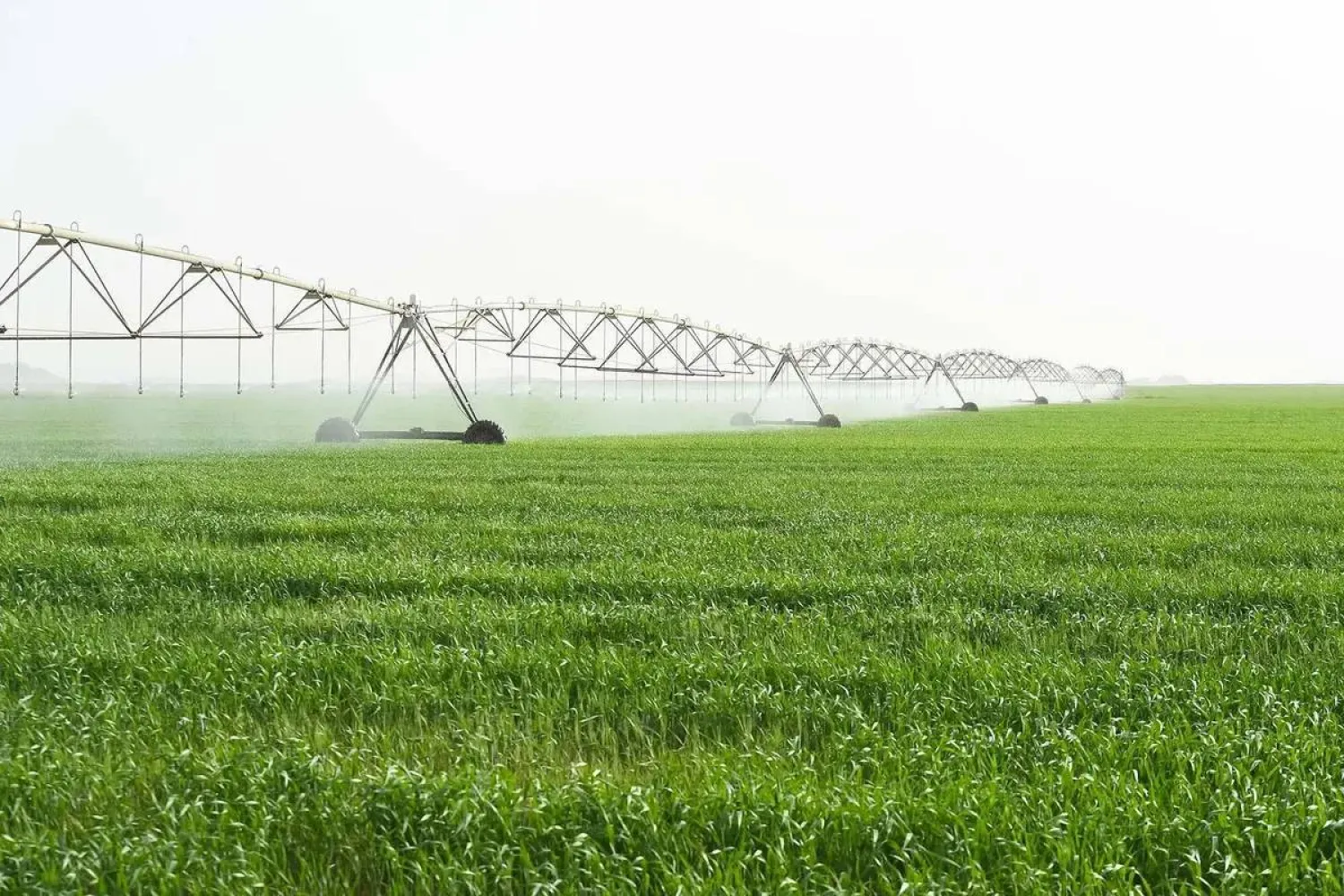
The fund encourages agricultural projects to embrace technologies that reduce water and energy consumption while improving production efficiency.
Particular attention is given to projects that reuse treated water, alongside efforts to incorporate environmental, social and governance (ESG) standards throughout the financing process.
Backing also extends to innovative startups developing solutions in smart and vertical farming, water and energy technologies, agricultural production and food.
The approach reflects a broader shift in agricultural finance, from funding conventional production to investing in technologies capable of raising output while conserving natural resources, particularly water and energy, among the main challenges facing the sector’s long-term sustainability.
Research partnerships
In parallel, the ADF continues to forge strategic partnerships with government agencies, the private sector and research institutions to develop and apply modern agricultural practices and advance the technologies it finances.
Its partners include King Saud University, King Faisal University, King Abdullah University of Science and Technology (KAUST), and the National Center for Sustainable Agriculture Research and Development (Estidamah). The partnerships examine agricultural methods that can promote the adoption of modern technologies and improve efficiency across the sector.
Through this framework, the fund seeks to generate lasting economic and environmental benefits by increasing agricultural output, improving resource efficiency and reducing risks associated with water scarcity, in support of the Kingdom’s food-security and water-sustainability goals.
Against this backdrop, agricultural financing is expanding into investment across the entire food-security system, from meat and agricultural production to storage, refrigeration and processing, through to agricultural technologies, water and energy.
Ultimately, the approach is aimed at ensuring stable supplies and building strategic reserves capable of weathering changing conditions. Saudi food security is therefore based not simply on having food available in the market, but on the national system’s capacity to produce, store and transport it, secure its supply and efficiently manage the resources needed for production, ensuring its sustainability for future generations.


