




Global electricity demand is rising as artificial intelligence applications and data centers expand and industrial activity grows, increasing the need for additional power generation capacity and more efficient, reliable electricity transmission and distribution networks.
To meet this demand, GE Vernova plans to invest about $11 billion in manufacturing and research and development through 2028, as part of a plan to increase its annual gas turbine production capacity to 30 gigawatts by 2030.
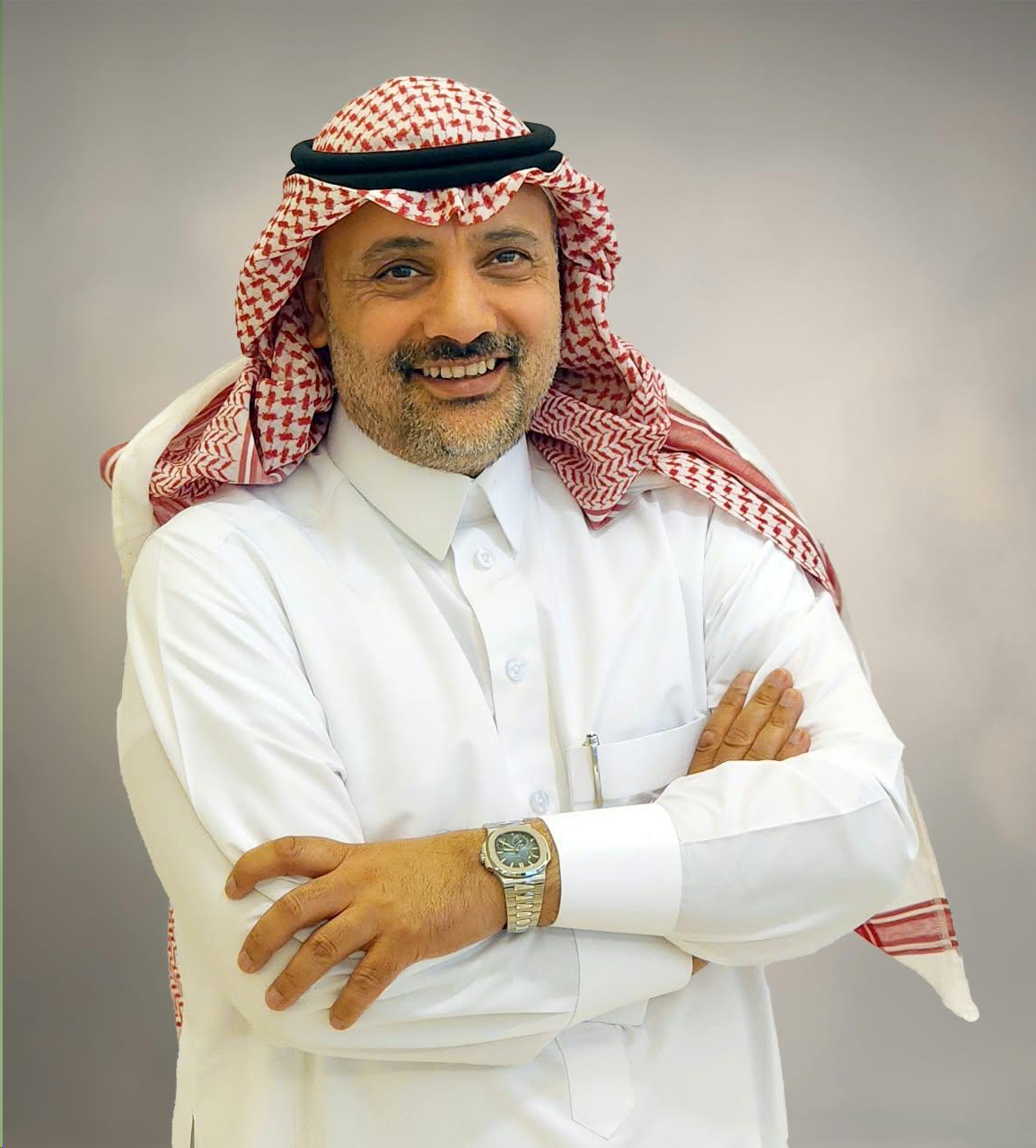
Hisham Al-Bahkali, President of GE Vernova Saudi Arabia, told Asharq Al-Awsat that accelerating electricity demand, driven by AI, data centers and industrial expansion, underscores the importance of securing additional energy sources to ensure supply security.
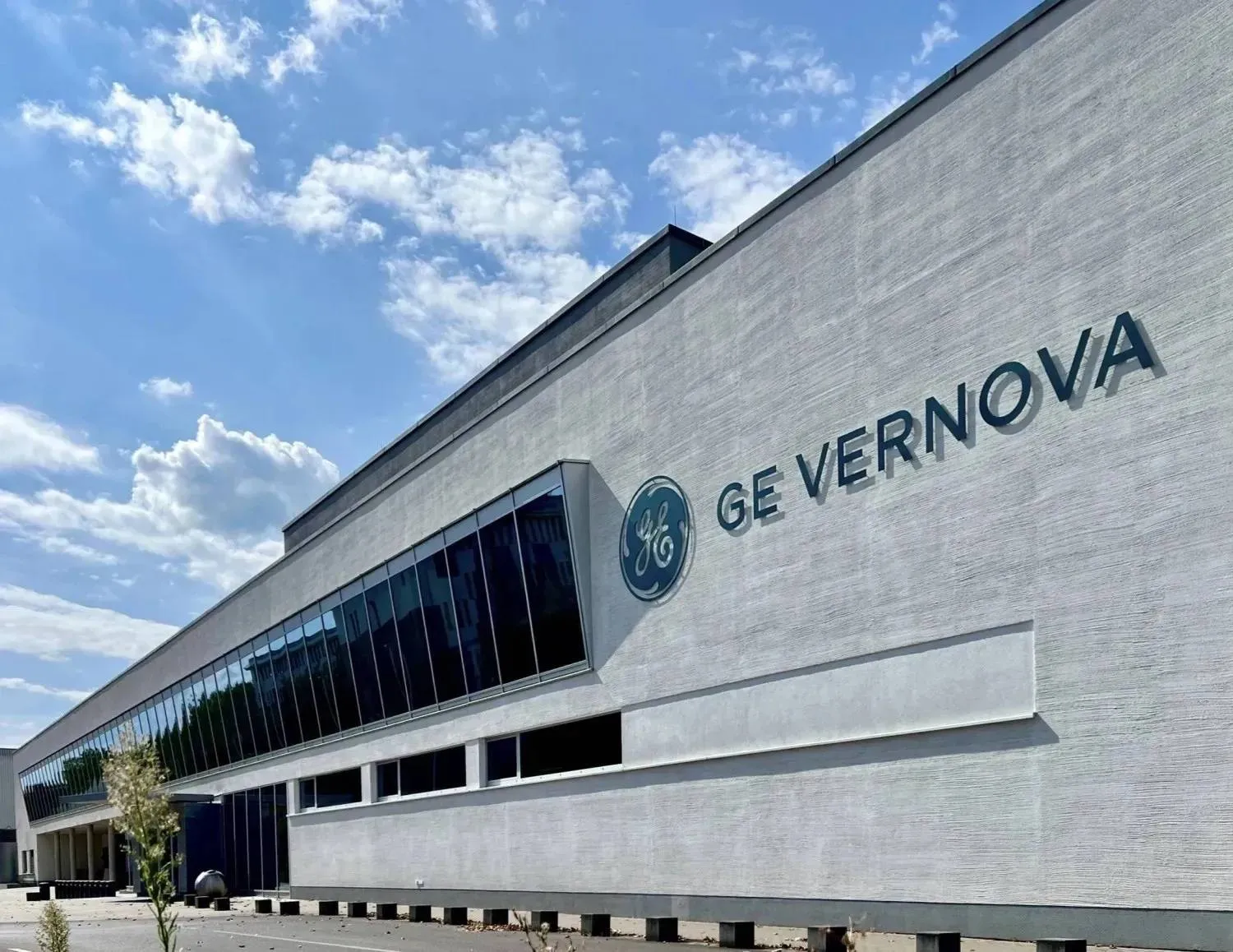
GE Vernova is a global US company specializing in energy technology, power generation and grid solutions, operating in approximately 100 countries worldwide.
The company has maintained a presence in Saudi Arabia for more than 90 years, with manufacturing, maintenance and research and development operations through its GE Manufacturing and Technology Center (GEMTEC) in Dammam and a grid solutions facility in Al-Khobar. Its exports from the Kingdom reach more than 40 countries worldwide.
Al-Bahkali said it was "unrealistic to talk about completely abandoning conventional fuels in favor of clean energy," adding that the practical solution lies in combining conventional and renewable energy sources while leveraging modern technologies to increase electricity generation and reduce emissions.
Natural gas helps meet rising demand
Al-Bahkali said the digital revolution had not diminished the importance of natural gas but instead reinforced its necessity, as data centers and large industrial facilities require continuous, reliable electricity around the clock, even as solar and wind energy projects expand.
He said modern gas-fired power plants were no longer limited to providing baseload electricity but had become an essential component in balancing power systems, allowing countries to expand renewable energy projects while ensuring stable electricity supplies to support economic and industrial growth and digital development.
Meeting the energy sector's needs requires a diversified mix of natural gas, renewable energy and nuclear power, alongside grid development, rather than relying on a single solution, he added.
Regarding data centers, Al-Bahkali explained that GE Vernova's role goes beyond supplying equipment to helping develop their infrastructure through heavy-duty gas turbines that provide stable baseload power and electrification solutions, including transformers, switchgear and software used to manage power transmission.
He said the company uses AI-powered diagnostic solutions and digital integration to help operators extend the operational life of assets, improve efficiency and prepare equipment for the future use of hydrogen blends.
Grid equipment shortages pose biggest obstacle to project expansion
Al-Bahkali said the energy sector should be viewed as an integrated, interconnected system because adding new power generation capacity would be of little value if electricity could not be transmitted and distributed to consumers efficiently and reliably.
"The pace of power plant construction and transmission and distribution grid upgrades is slower than the sharp increase in electricity consumption," he went on to say.
Developers face delays in connecting projects to the grid, mounting connection backlogs and aging networks in need of modernization, he added. These challenges are particularly evident in data center and AI projects, which cannot begin operating without a guaranteed power supply.
"Shortages of essential grid equipment, such as transformers and electricity transmission and distribution equipment, have become the biggest obstacle to project expansion," he stressed.
To address the problem, Al-Bahkali called for a two-track approach: accelerating the construction of new power lines while using digital software and smart systems to maximize the capacity of existing networks, making them more intelligent, flexible and efficient.
Saudi Arabia balances natural gas and renewable energy
Turning to the Saudi market, Al-Bahkali said the Kingdom was leading an energy sector transformation program under Vision 2030, alongside efforts to diversify and digitalize its economy, generating additional electricity demand while continuing to pursue carbon emissions reduction targets.
He said Saudi Arabia aims to achieve a power generation mix of 50% renewable energy and 50% natural gas by 2030.
Al-Bahkali expects greater integration between large-scale renewable energy projects, highly flexible gas-fired power plants, grid modernization projects and advanced energy management solutions.
He said GE Vernova was proud of its presence in the Kingdom for more than 90 years and continued to support efforts to modernize power plants, improve grid flexibility and expand local industrial capabilities.
The company's initiatives with Saudi partners include high-efficiency gas technologies, grid stability solutions and localization efforts aligned with Saudi Vision 2030 objectives.
Company expands annual turbine manufacturing capacity
On supply chains, Al-Bahkali said rising electricity demand, together with grid modernization and energy transition projects, had increased pressure on manufacturers and suppliers worldwide.
Delays in delivering essential equipment, including gas turbines, transformers and control systems, have become among the most significant challenges facing power companies, affecting project implementation schedules.
Addressing these challenges requires expanding manufacturing capacity, strengthening supplier partnerships and planning projects earlier, he said, noting that building new factories and increasing production capacity take time and require close cooperation among technology companies, governments and customers.
Against this backdrop, GE Vernova has allocated approximately $11 billion for capital expenditure and research and development through 2028 to expand its manufacturing capabilities and accelerate innovation.
The company is working to increase its annual gas turbine manufacturing capacity to 20 gigawatts, followed by 24 gigawatts by 2028 and 30 gigawatts by 2030, responding to growing demand for dispatchable power sources, driven largely by AI data centers and utilities.
Al-Bahkali said GE Vernova was increasing production at its existing facilities by applying lean manufacturing methods, gradually investing in equipment and expanding the use of automation and robotics, rather than building entirely new factories.
He also stressed the importance of localizing manufacturing, developing national talent and establishing domestic supply chains to strengthen resilience and create economic value.
Manufacturing and maintenance capabilities in Saudi Arabia
Al-Bahkali said GE Vernova has manufacturing, maintenance and research and development capabilities in Saudi Arabia, including its GE Manufacturing and Technology Center (GEMTEC) and an integration facility in Al-Khobar, both in the Eastern Region.
GEMTEC houses one of the company's largest gas turbine maintenance centers worldwide, alongside the GE Saudi Advanced Turbines (GESAT) facility, which specializes in manufacturing heavy-duty gas turbines, their auxiliary units and components.
The complex also includes a regional decarbonization center of excellence for the Middle East and North Africa, designed to help develop low-carbon solutions for the Kingdom's energy system.
According to Al-Bahkali, the complex's services have reached more than 40 countries worldwide.
The Al-Khobar facility provides power plant control and grid management technologies, helping ensure reliable integration of the Kingdom's grid infrastructure while supporting the modernization and expansion of its energy system.
Al-Bahkali said this local presence helps transform customer relationships from commercial transactions into long-term strategic partnerships, reducing delays, improving project planning visibility and accelerating implementation.


