
Saudi Arabia accounts for around 54 percent of the total assets under management within the investments and partnerships sector of The Arab Energy Fund, which is studying new investment opportunities in the Kingdom and the region. These opportunities include data centers and their associated infrastructure, oil and gas field services, and fuel and petroleum product storage facilities.
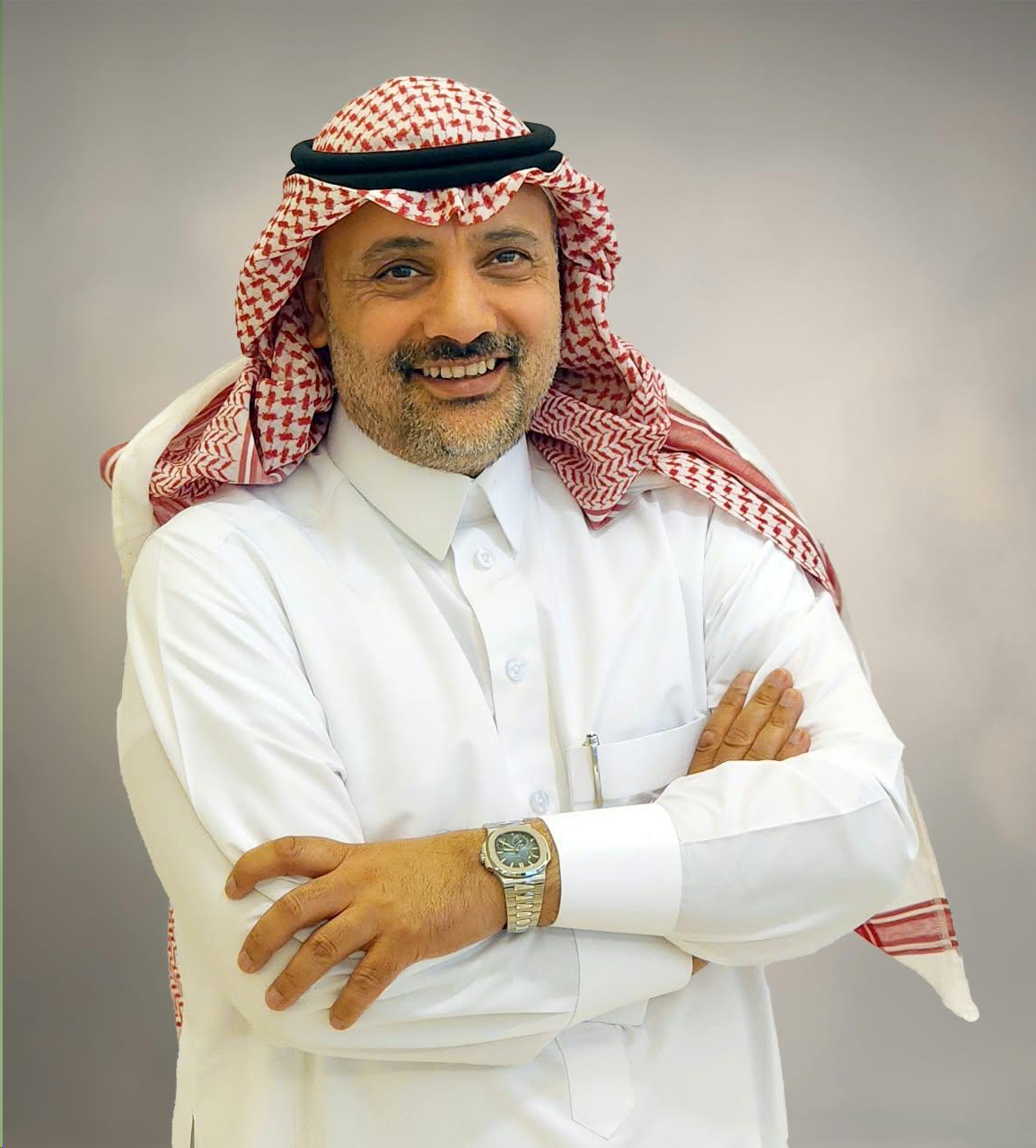
Speaking to Asharq Al-Awsat on the sidelines of the World Petroleum Congress in Riyadh, Maheur Mourali, the Chief Investment Officer of The Arab Energy Fund (TAEF), said the Saudi energy sector is one of the most attractive markets in the region.
This attractiveness is due not only to the size of the market but also to the structural transformations it is undergoing under Vision 2030, alongside the expansion of industrial and infrastructure investments and the diversification of energy sources, he added.
The fund sees promising opportunities in a number of sectors, foremost among which are oil and gas services, petrochemical industries, energy infrastructure, logistics and storage services, alongside sectors related to the energy transition, including renewable energy, district cooling, water management, and energy efficiency solutions, he said.
Mourali explained that the fund focuses on investing in operational companies and platforms capable of scaling, whether through organic growth or acquisitions, in a way that supports building regional entities originating from the Saudi market.
He noted that the upcoming phase will provide significant opportunities for institutional investors capable of providing long-term capital, alongside sector expertise and strategic partnerships that support corporate growth and boost competitiveness.
The fund's total assets reached around 14 billion dollars by the end of the first half of 2026, recording a 16 percent annual growth, according to Mourali, who pointed out that this growth reflects the strength of the fund's financial position and its ability to continue expanding its financing and investment activities.
Data centers
Regarding investment opportunities associated with the expansion of artificial intelligence and data centers, Mourali said that the rapid growth in these applications will be one of the primary drivers for increased electricity demand in the coming years. This is due to data centers requiring substantial electrical capacity and reliable, continuous supplies, as well as advanced cooling and energy consumption management solutions.
He explained that this trend is gaining particular importance in Saudi Arabia with growing investments in digital infrastructure, artificial intelligence, and cloud computing.
Investment opportunities are not limited to the data centers themselves, but encompass their entire associated value chain, including power generation, renewable energy, energy storage systems, cooling, electrical infrastructure, and water management, he stressed.
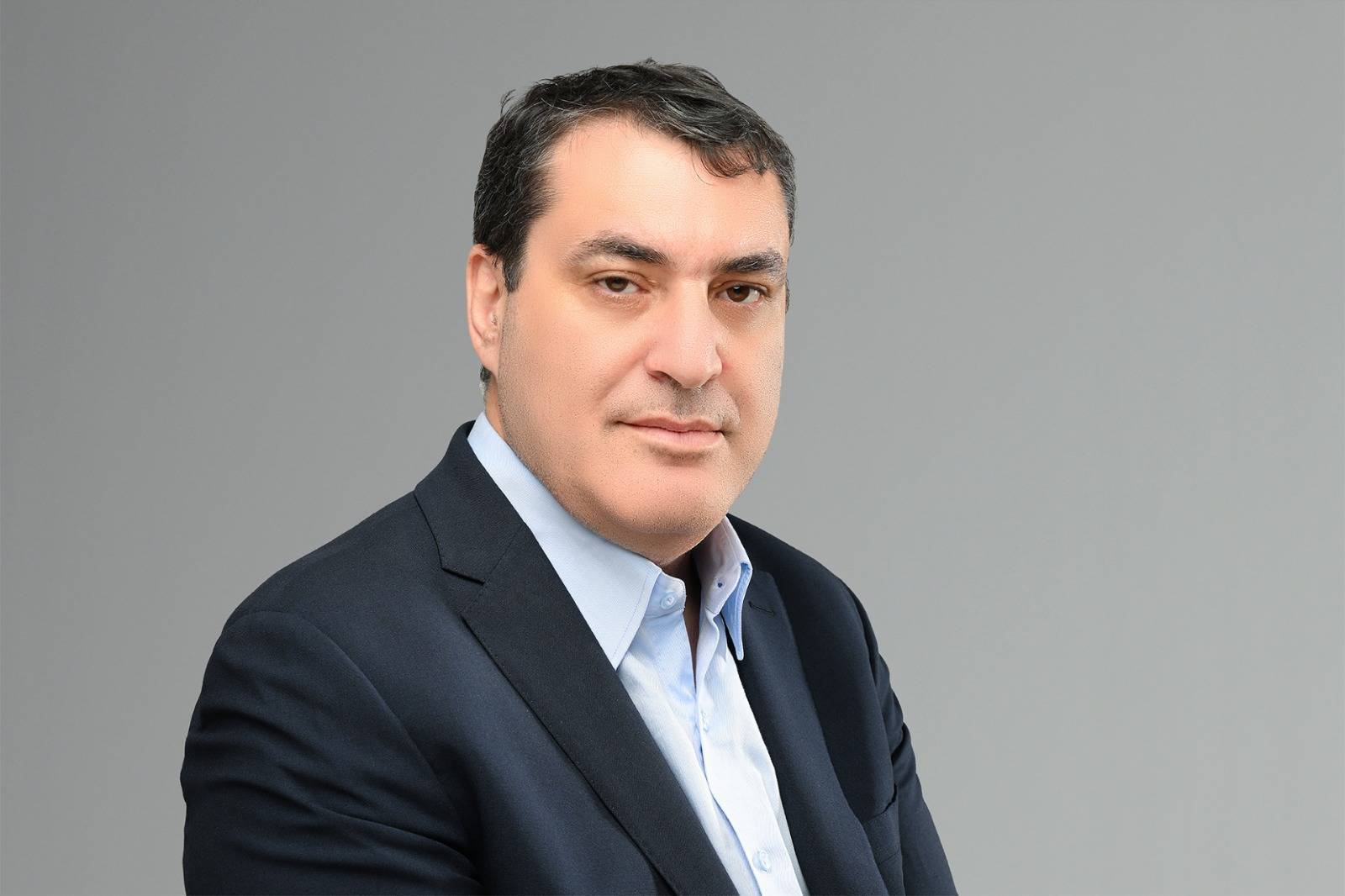
He added that investing in data centers and their related infrastructure represents one of the fund's strategic focuses in Saudi Arabia and the region, noting that the fund is currently studying and developing a number of opportunities in this field, which will be announced upon the completion of the necessary procedures and approvals.
New investments
On the level of existing investments and potential deals, Mourali explained that the fund continues to strengthen its presence in Saudi Arabia and the region through investments aimed at supporting the growth of companies operating in the energy sector and related fields, developing infrastructure, and bolstering energy security.
He noted that the fund announced in early 2026 a major investment in "APSCO," a company operating in aviation refueling and lubricants distribution, saying that the transaction reflects the fund's direction toward companies that enjoy a strong market position and potential for growth and expansion.
The fund's strategy relies on acquiring influential minority stakes in companies, in partnership with global infrastructure funds, international strategic partners, or local business groups, while focusing on companies that possess strong management teams and distinguished operational expertise, he went on to say.
The fund's role is not limited to providing capital, but extends to supporting the operational capabilities of companies and assisting them in geographic expansion and the development of their activities, he stressed.
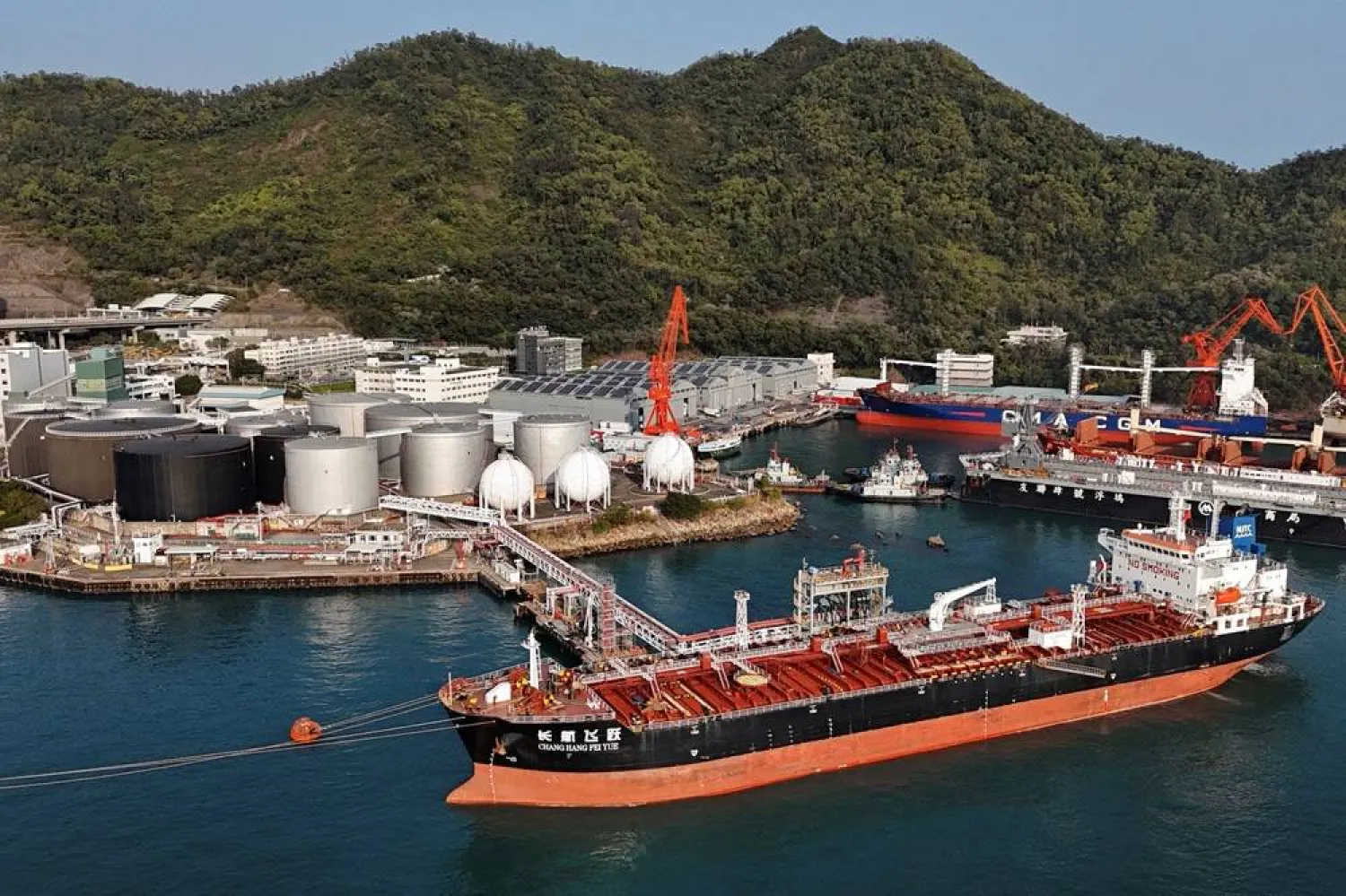
Mourali mentioned that the opportunities being studied by the fund include infrastructure supporting the flexibility and continuity of energy exports, oil and gas field services, fuel and petroleum product storage facilities, alongside energy services in their broadest sense.
These opportunities are in varying stages of study, evaluation, and negotiation, he revealed, pointing out that the fund is looking forward to announcing new investments after completing procedures and obtaining the necessary approvals, in accordance with a selective investment approach that focuses on asset quality and achieving sustainable, long-term value.
The Arab Energy Fund, a multilateral developmental financial institution, was established in 1974 with the participation of 10 Arab oil-exporting countries. It started its operations in 1975 and is headquartered in Riyadh. The fund works to finance energy sector projects in the Middle East and North Africa region by providing debt financing solutions and equity investments, alongside advisory services.
The fund was previously known as the Arab Petroleum Investments Corporation (APICORP) before changing its name and corporate identity to The Arab Energy Fund in 2023.