


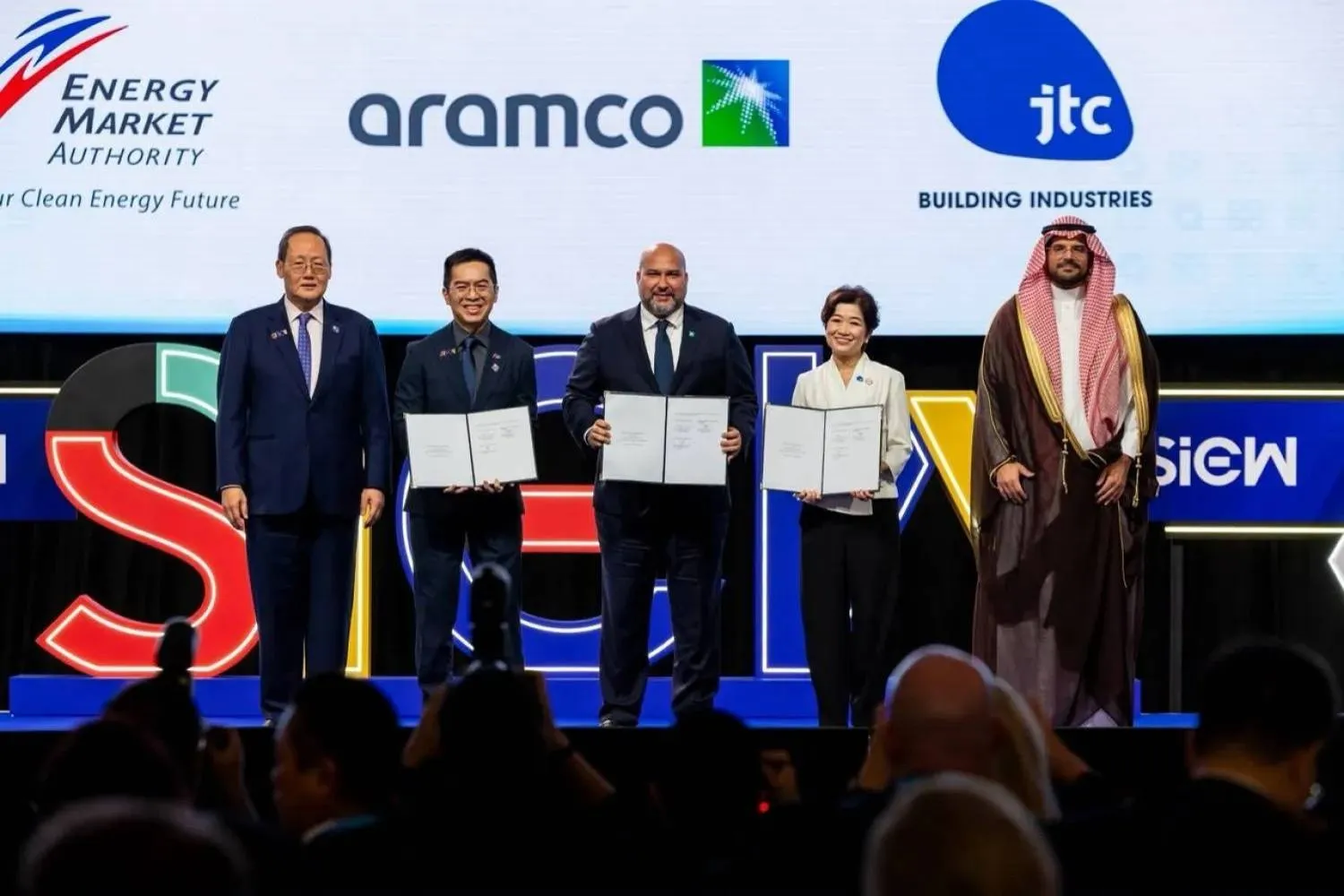

Saudi Arabia is moving to strengthen its grip on Asian energy markets by storing crude oil in Singapore from the second half of 2027, according to Energy Minister and Minister of Industry and Mineral Resources Prince Abdulaziz bin Salman.
The move is about more than bringing Saudi oil closer to buyers. Experts told Asharq Al-Awsat it would help safeguard supplies against geopolitical shocks and shipping disruptions, boost flexibility and reinforce confidence in the Kingdom as a reliable supplier, particularly in Asia.
Saudi Arabia's Ministry of Energy and Singapore's Ministry of Energy, Trade and Industry announced plans on Monday to store Saudi crude at the Jurong Rock Caverns on Singapore's Jurong Island, with operations scheduled to begin in the second half of 2027.
As a first step, representatives of Singapore's Energy Market Authority and JTC Corporation exchanged memorandums of understanding with Saudi Aramco during Singapore International Energy Week.
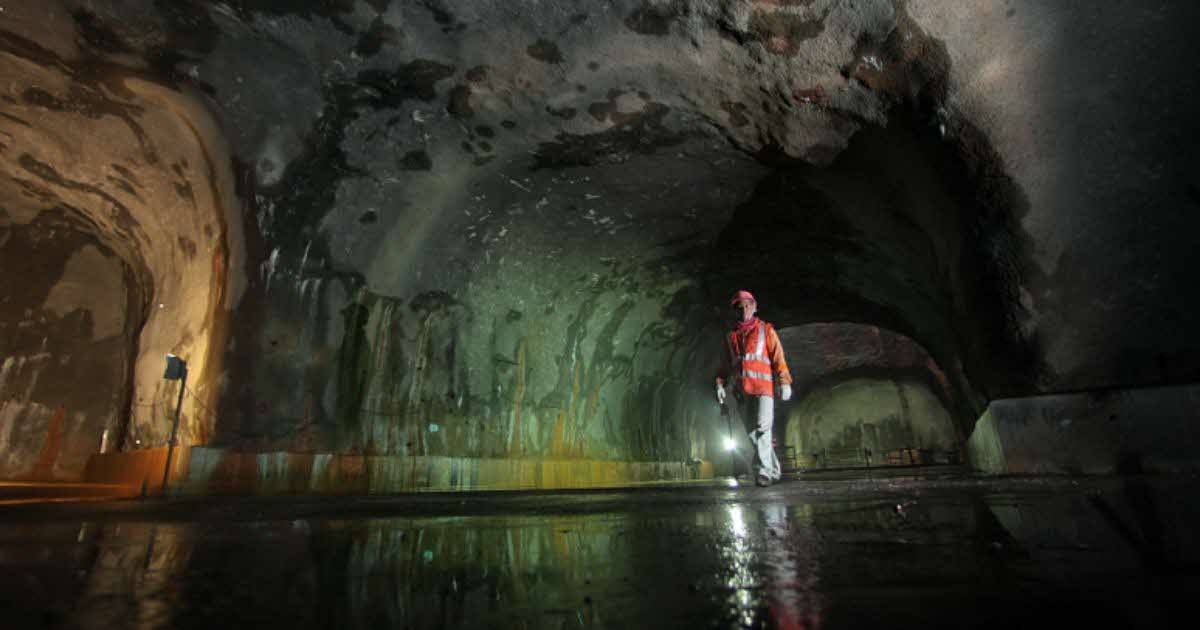
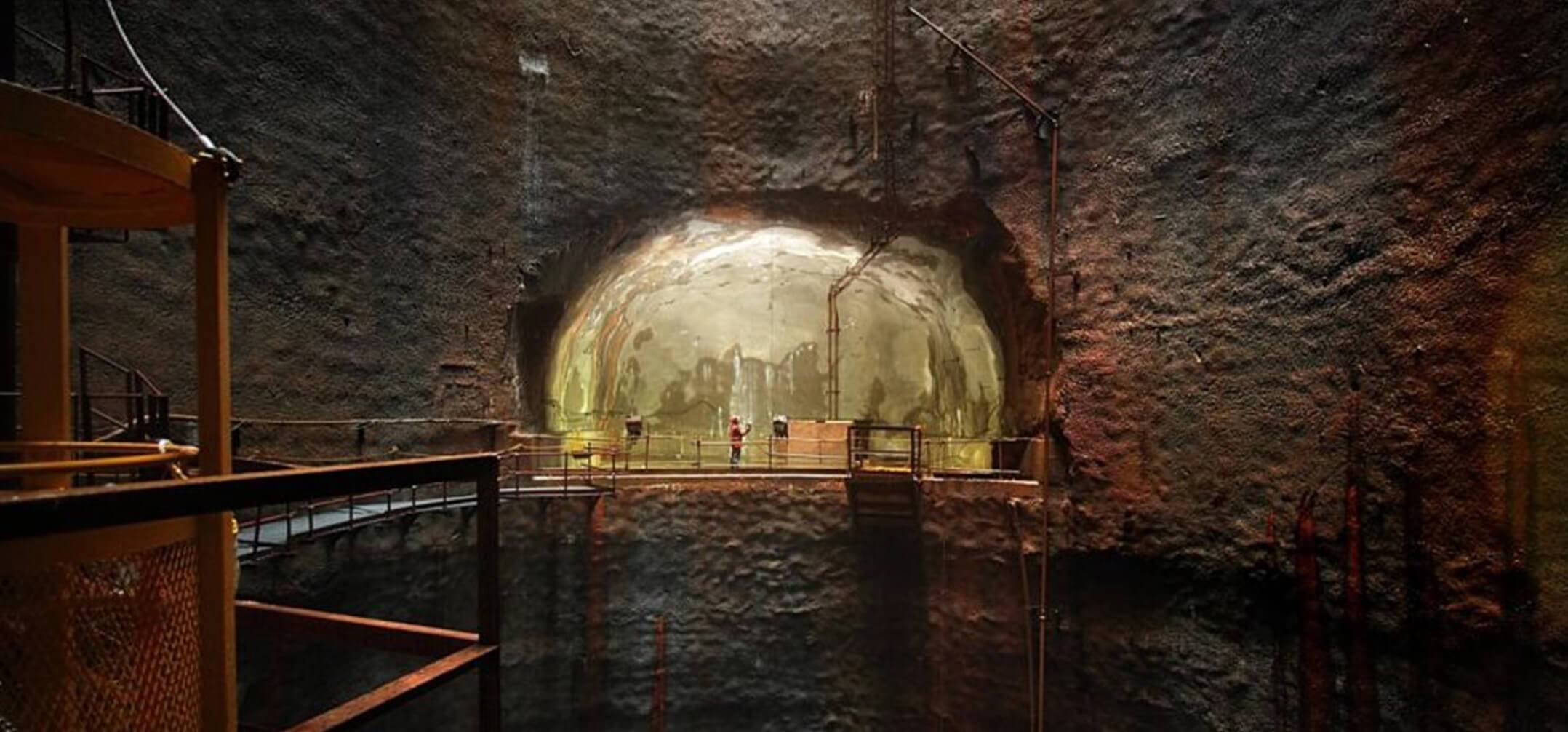
Under the proposed arrangements, Saudi crude would be stored in the Jurong Rock Caverns, an underground facility beneath Jurong Island off Singapore's southern coast.
A joint statement said the plan would strengthen the resilience and reliability of Saudi oil supplies to Southeast Asia while allowing Singapore to draw on the reserves to meet its energy needs during supply disruptions.
Experts said storing Saudi crude at the regional energy trading hub would give the Kingdom more options to manage supplies and meet buyers' needs when shipping routes are blocked or oil flows disrupted. The direct impact on export volumes, however, could be limited.
The bigger prize, they said, is supply security: keeping long-term contracts intact and cementing Saudi Arabia's standing as a dependable supplier to Asian markets.
The initiative could also deepen trade and investment ties between Saudi Arabia and Singapore and pave the way for broader energy cooperation with East Asian countries as geopolitical tensions and shipping risks sharpen the focus on resilient supply chains.
A deal built on trust
For experts, the value of Saudi Arabia's Singapore storage plan goes beyond supply flexibility. It is also about convincing Asian buyers that the Kingdom can deliver even when crises disrupt global oil trade.
Dr. Ibrahim bin Saleh Alomar, professor of economics at Qassim University and organization manager at Sharah for Economic Research and Studies, called the initiative a "deal built on trust."
He said storing crude closer to consuming markets would strengthen guarantees of uninterrupted supplies and help protect Saudi Arabia's market share.
By placing part of its oil reserves near its biggest markets, Saudi Arabia would give Asian buyers access to supplies when shipping lanes are disrupted or tanker traffic stalls, without having to wait for cargoes traveling through crisis-hit routes, Alomar said.
That, he said, is the initiative's central strategic advantage.
Asia relied on the Middle East for roughly two-thirds of its oil imports before the war, making reliable supplies as important as price during crises, he said.
Saudi Arabia is responding to that need by expanding a storage network stretching from Japan and South Korea to Singapore.
Alomar said the strategy would bolster the kingdom's position among major oil suppliers because, during disruptions, markets tend to reward reliability rather than simply the lowest price.
But he played down expectations of a major boost to Saudi export volumes.
The available storage capacity is equivalent to roughly two days of Saudi exports, according to his estimates, and operations are not due to begin until the second half of 2027.
The main payoff, he said, would be protecting market share, preserving long-term contracts and limiting potential losses when supplies are disrupted.
Keeping customers through a crisis, he added, can help cement supply relationships long after it ends.
A strategy for secure oil storage
Beyond reassuring buyers and defending market share, the Singapore plan would give Saudi Arabia more room to manage oil shipments and respond to market disruptions.
Dr. Khaled Ramadan, an economist and head of the International Center for Strategic Studies in Cairo, said storing Saudi crude in Singapore's Jurong Rock Caverns would deepen the Kingdom's Asian presence and give it greater flexibility to manage shipments and secure deliveries.
Bringing oil closer to major consuming markets would allow Saudi Aramco to respond faster to disruptions in trade or maritime shipping routes, he said.
Ramadan described the move as a proactive step to strengthen energy security and shield supply chains from potential shocks.
The Singapore facility would complement existing Saudi storage sites in Japan and South Korea, building a more efficient and reliable network across Asia, which accounts for the bulk of the kingdom's oil exports, he said.
Such a network would help Saudi Arabia defend its reputation as a reliable supplier, particularly during crises when the ability to maintain deliveries becomes critical.
Faster deliveries and less reliance on traditional shipping routes alone would also make Saudi crude more attractive and bolster buyer confidence, Ramadan said.
Still, he cautioned that the immediate impact on export volumes could be modest.
Over the medium term, he said, the benefits would be more significant: steadier exports, gradual growth and stronger prospects for long-term supply deals.
Shielding energy markets from geopolitical shocks
Dr. Abdulrahman Baashen, head of the Al-Shorouk Center for Economic Studies, said the Singapore storage plan reflected a Saudi strategy aimed not only at securing oil supplies but also at supporting stability in global energy markets.
He described the initiative as an economic hedge against sudden market shocks, helping cushion the impact of conflicts and geopolitical tensions worldwide.
By keeping crude closer to key markets, Saudi Arabia would be better positioned to meet demand even under exceptional circumstances, he said.
Baashen said the plan also reflected the Kingdom's sense of responsibility toward global markets and would extend its reach across East, Central and South Asia.
That could strengthen the reliance of major consumers, including China, Japan and India, on Saudi oil during crises, he said.
With the war in the Middle East pushing countries to reinforce energy security and protect supply routes, reserves in Singapore would give Saudi Arabia more flexibility in serving its main markets.
Baashen said the initiative could also ease the pressure of extraordinary events, whether natural disasters or human-made crises.
He added that it would reinforce Saudi Arabia's position among the world's leading oil suppliers, support its economy and international oil trade, and strengthen its ability to cope with disruptions in the Strait of Hormuz and conflicts across the Middle East.
Saudi Arabia's strategic approach strengthens its position
Chairman and Founder of Saudi Excellence Holding Company (SEC) Sheikh Abdullah bin Zaid Al-Meleihi said the Singapore initiative underscored the long-term vision behind the Kingdom's oil policy.
Storing Saudi crude near Asian buyers would send a reassuring message to global energy markets and strengthen the Kingdom's ties with major consumers at a time when supply chains and maritime trade face mounting challenges, he said.
Keeping reserves outside conflict zones would give Saudi Arabia greater flexibility to manage supplies and respond quickly to market demand amid geopolitical tensions and shipping disruptions.
It would also help protect Saudi economic interests while supporting global energy security, Al-Meleihi said.
He said the timing was particularly important given disruptions affecting major waterways.
Positioning oil closer to buyers would create more options to meet demand and reduce the impact of interruptions along shipping routes.
Al-Meleihi said the plan would help maintain the flow of Saudi oil exports and open the door to future growth, depending on global demand and production levels.
It would also help defend the Kingdom's market share and strengthen confidence among regional and international partners.
Saudi Arabia, he said, would remain a central player in global oil production and efforts to balance energy markets, backed by its role in meeting demand and its ability to adapt to changing supply conditions.


