Aramco Confronts Repercussions of War with Emergency System as Markets Await Its Results

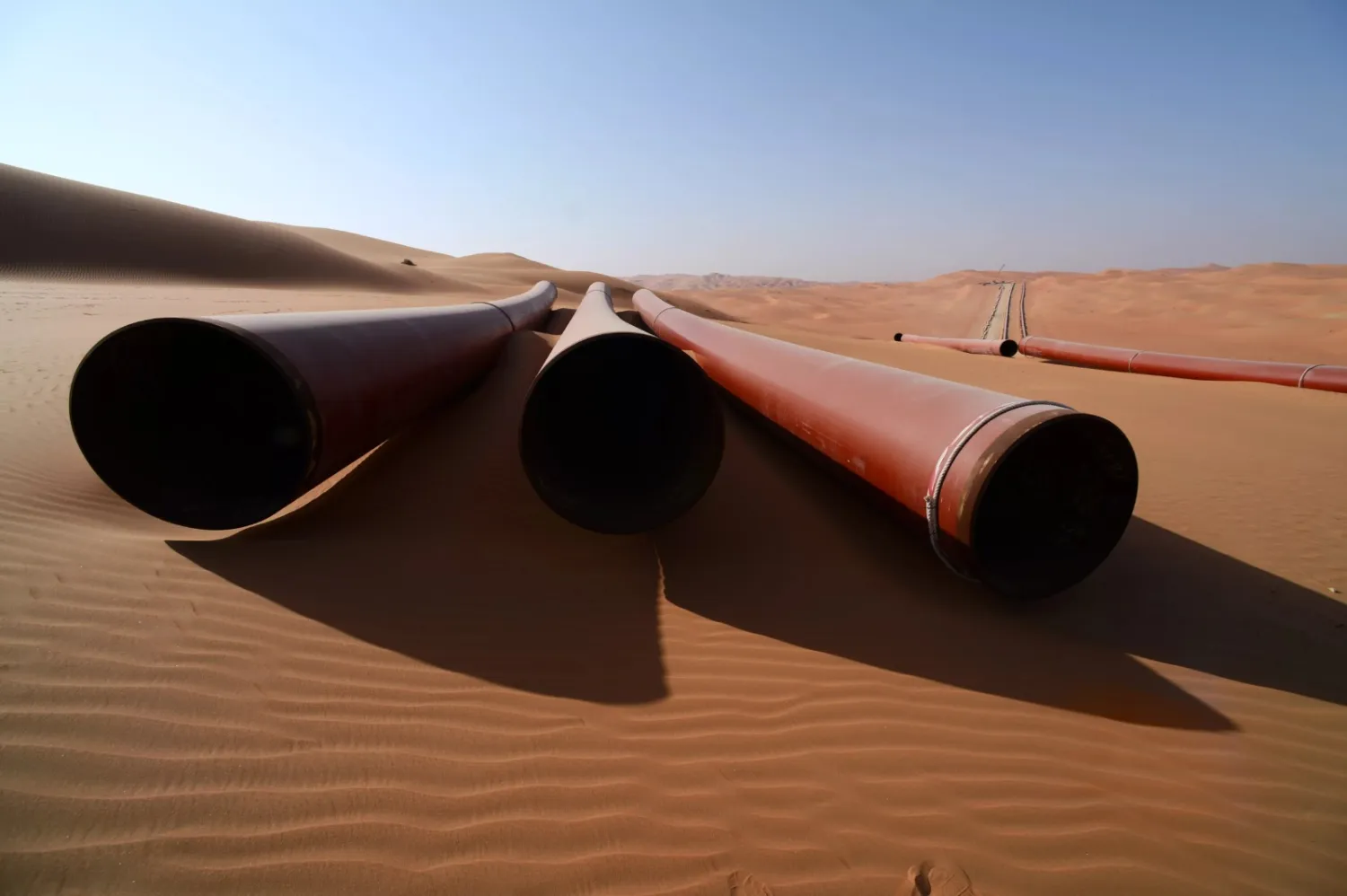
Pipelines in the Saudi desert. (Aramco)
TT

Aramco Confronts Repercussions of War with Emergency System as Markets Await Its Results

Pipelines in the Saudi desert. (Aramco)

As markets anticipate Saudi Aramco's announcement of its financial results for the third quarter of 2026 on Tuesday, the repercussions of the US–Israel war on Iran stand out as one of the most prominent factors testing the company's ability to maintain its operations and the flow of its supplies to global markets.

Despite attacks that struck oil facilities and disruptions to shipping traffic through the Strait of Hormuz since the outbreak of the war on February 28, the company continued to rely on a system of infrastructure and operational alternatives developed over decades. These measures included pipelines, alternative export outlets, and international inventories, alongside accelerating repairs to damaged facilities and sourcing maintenance requirements locally.

Chief among these alternatives is the East–West pipeline, which transports crude oil from the Eastern Region to the port of Yanbu on the Red Sea, bypassing the Strait of Hormuz and providing an export outlet when navigation through the strait is disrupted.

The importance of this route stems from advance planning to diversify export outlets. This was underscored by Saudi Minister of Energy Prince Abdulaziz bin Salman at the International Petroleum Conference in October 2026, when he stressed the need for providing alternatives before crises occur, pointing to the role of strategic infrastructure in boosting the security of energy supplies.

In parallel with these alternatives, Aramco bolstered its measures to manage attacks and disruptions by accelerating the repair of damaged facilities, securing maintenance materials and spare parts locally, and utilizing crude inventories both inside and outside the Kingdom. The company is also studying additional options to transport oil away from maritime corridors that are vulnerable to disruption.
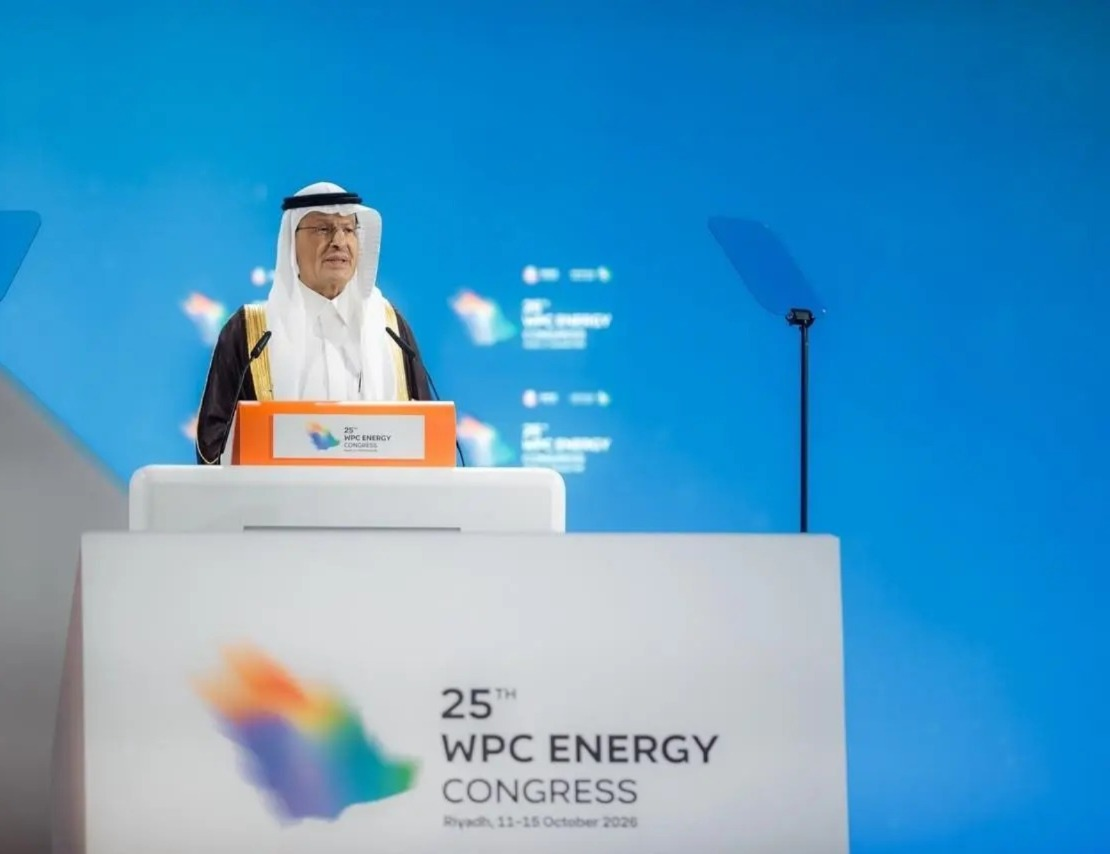
Saudi Minister of Energy Prince Abdulaziz bin Salman at the International Petroleum Conference in October 2026. (SPA)

These measures take on particular significance in light of the repercussions of the war that broke out on February 28, which extended to oil facilities in the Gulf, coinciding with the disruption of shipping traffic through the Strait of Hormuz and escalating concerns over the continuity of supplies to global markets.

Aramco's facilities were among those targeted by the attacks. Two days after the outbreak of the war, the Ras Tanura refinery was targeted by two drones that were intercepted. Their debris caused a limited fire and minor damage, without affecting the supply of petroleum products to the domestic market.

In confronting these risks, the company focused on accelerating damage repair and restoring operations, while ensuring the continuous flow of oil to global markets.

Aramco's President and CEO Amin Nasser revealed aspects of these preparations in a Reuters interview published on October 15. The measures included utilizing drones to assess damage, securing repair materials, and deploying specialized teams to handle multiple incidents simultaneously.

Response teams and repair inventories

Aramco has bolstered its incident response capabilities and accelerated the repair of damaged facilities through an emergency system that includes specialized teams, inventories of repair materials and spare parts, and tools to assess damage and determine technical requirements.

Nasser explained that Aramco developed specialized rapid-response teams following the 2019 attacks targeting the Abqaiq oil processing facility, and has since worked to boost its readiness to handle incidents, including simultaneous ones.

According to Nasser, the company produces locally or maintains in its warehouses approximately 90 percent of the materials required for repairs, which reduces reliance on imports and speeds up the restoration of operations.

Nasser said Aramco's response speed is more than six times the industry average, allowing damaged facilities to resume operations within days in many cases.

The emergency system is not limited to facility repairs, but also encompasses business continuity plans, the utilization of domestic and international inventories, and multiple routes for transporting and exporting crude oil, which helps the company maintain supplies despite production and shipping disruptions.
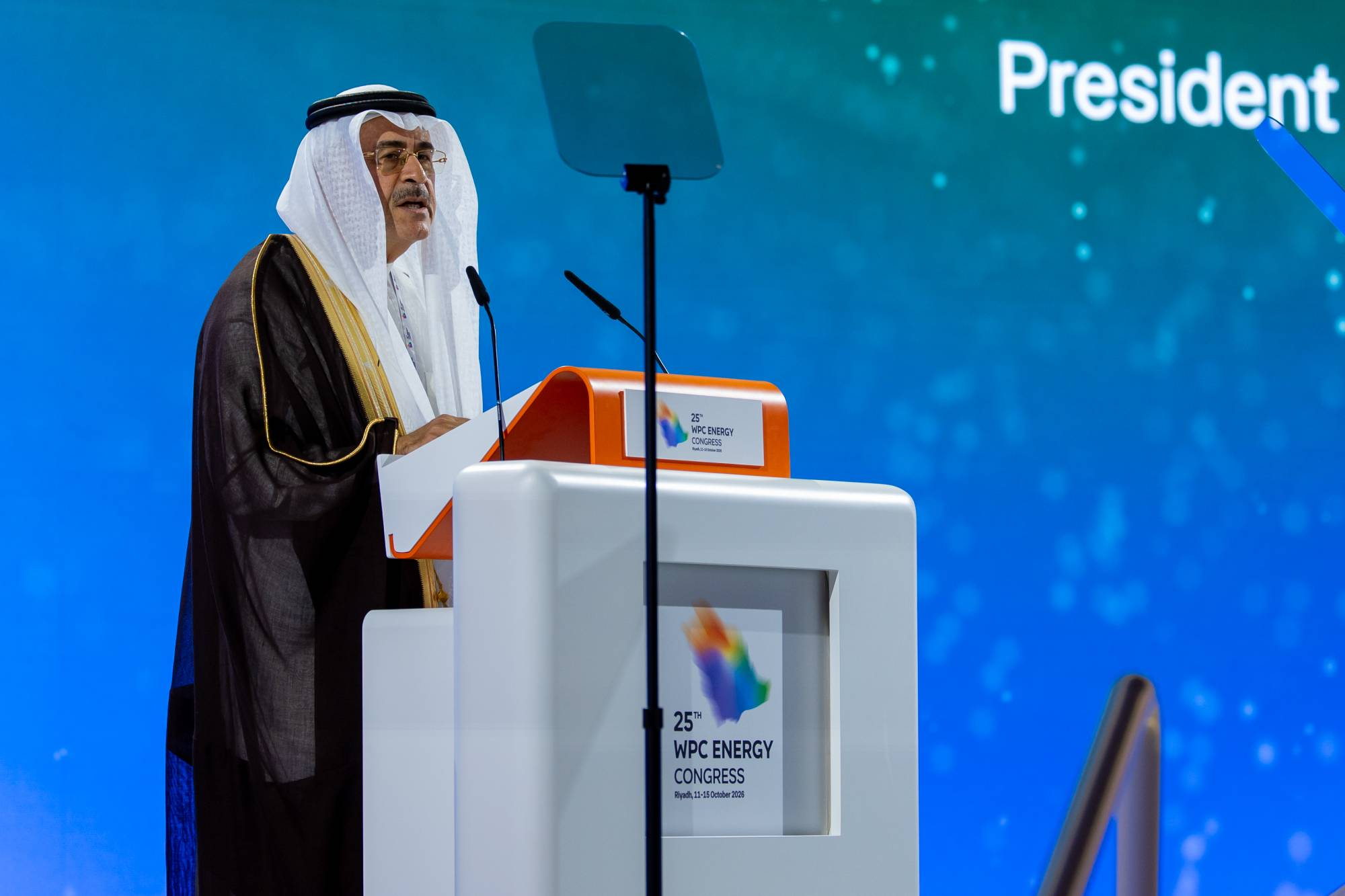
Aramco's President and CEO Amin Nasser at a petroleum conference in Riyadh. (Asharq Al-Awsat)

Restoring the capacity of the East–West Pipeline

With growing reliance on the East–West pipeline to bypass shipping disruptions through the Strait of Hormuz, its role has emerged as a primary corridor for transporting oil from the Eastern Region to the port of Yanbu on the Red Sea, and from there to global markets.

However, this route was not immune to the repercussions of the war; one of its pumping stations was attacked in April, which reduced flows by around 700,000 barrels per day. On April 12, the Ministry of Energy announced the restoration of the pipeline's full operational capacity, which stands at around seven million barrels per day.

The concept of establishing the pipeline dates back to the early 1980s during the Iraq–Iran War, when Saudi Arabia, under the directives of King Fahd bin Abdulaziz, decided to diversify its oil export outlets in anticipation of shipping disruptions in the Gulf. In 1995, its capacity was raised to around five million barrels per day, as reviewed by Energy Minister Prince Abdulaziz bin Salman during the International Petroleum Conference in October 2026.

Infrastructure readiness

On April 9, the Ministry of Energy announced that the targeting of a pumping station reduced pipeline flows by some 700,000 barrels per day, while subsequent attacks also impacted production at the Manifa and Khurais fields. Just three days later, the Ministry confirmed the restoration of full pumping capacity on the East-West pipeline and the recovery of affected production at the Manifa field, with work ongoing at the Khurais field.

In September, the pipeline was preemptively shut down to verify its safety following a new attack. On October 6, the Minister of Energy said operations had resumed within five to six days, with flows reaching around 5.8 million barrels per day, compared to its maximum capacity of seven million barrels per day.

These developments reflect the importance of rapidly repairing pumping stations and restoring operations at a time of increased reliance on export routes via the Red Sea to compensate for shipping disruptions in the Strait of Hormuz.

An integrated system

In its announcement of first-quarter results for 2026, Aramco said that it had activated business continuity plans to manage the repercussions of the war. The company utilized the East–West pipeline along with domestic and international storage capacities, in addition to leveraging the diversity of its assets and infrastructure.

In a speech delivered in London on October 5, Nasser stated that the company's resilience also relies on global strategic inventories, spare production capacity, multiple grades of crude, domestic gas inventories, and the Bahri tanker fleet. Facility preparations also encompass backup equipment and the segregation of critical utilities to limit the impact of disruptions.
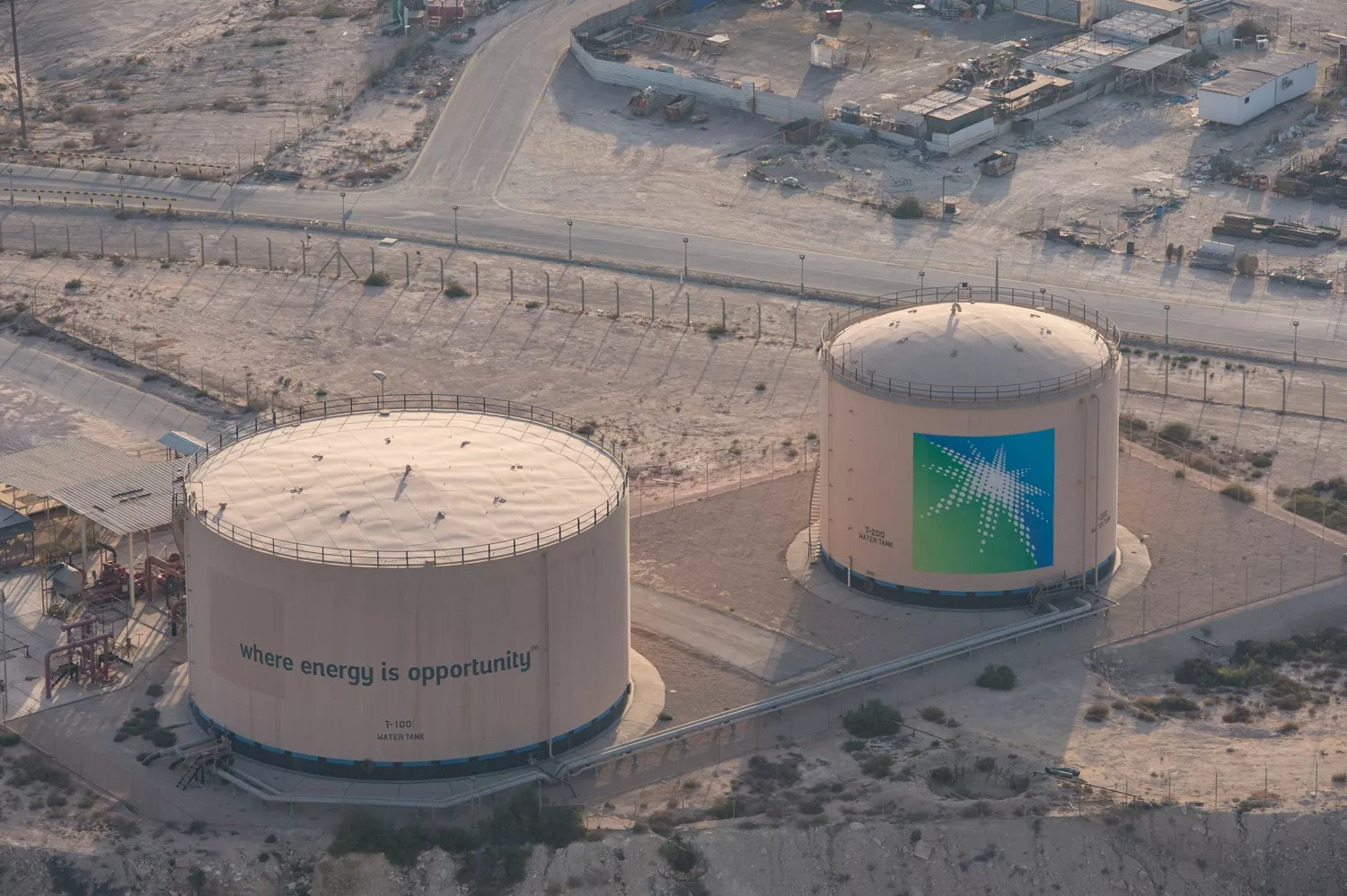
Storage facilities at Ras Tanura. (Aramco)

Additional export options

Alongside boosting the efficiency of existing infrastructure, Aramco is studying additional options to transport oil to global markets, aiming to reduce reliance on maritime corridors vulnerable to disruption.

Nasser stated that the company is exploring alternative routes without disclosing their details, explaining that they will be announced once a final decision is reached.

This coincides with a Saudi push to expand oil transport capacity through pipelines. In statements made in October, the Minister of Energy spoke of a target to increase the capacity of oil export pipeline routes to ten million barrels per day, as part of ongoing efforts to bolster supply security.

Diversifying crude transport options enables the rerouting of exports when certain pathways are disrupted and mitigates dependence on vital maritime checkpoints, while expanding the pipeline network introduces an additional layer of readiness to counter supply disruptions.

Overseas inventories

Supply management options during crises are not limited to altering transport routes. Storing crude oil outside the Kingdom allows volumes to be held close to consumer markets, providing greater flexibility in meeting customer needs when shipping lanes are disrupted or tanker arrivals are delayed. Saudi Aramco is actively seeking to expand these options, with its latest step coming via an initial understanding with Singapore.

On October 26, Saudi Arabia and Singapore announced an initial understanding to store Saudi crude oil in the Jurong Rock Caverns on Singapore's Jurong Island.

The facility is located underground at a depth of around 150 meters, with a total capacity of nearly nine million barrels of liquid hydrocarbons. The storage of Saudi crude oil at the facility is expected to begin during the second half of 2027.

Singapore is not the company's only international storage point, as Aramco maintains storage arrangements in Okinawa and Kiire in Japan, Ulsan in South Korea, Rotterdam in the Netherlands, and facilities linked to the Sumed pipeline system in Egypt. These strategic locations keep crude close to consumption centers and provide vital alternatives for meeting customer demand during shipping disruptions.


Oil Shipped Through Hormuz Falls 15% as Iranian Attacks Increase

In this handout photo provided by the Lewis Pugh Foundation, British endurance swimmer and UNEP Patron of the Oceans Lewis Pugh dives into the Strait of Hormuz, off the Musandam Peninsula, Oman, Wednesday, Nov. 18, 2026. (Lewis Pugh Foundation via AP)
TT

Oil Shipped Through Hormuz Falls 15% as Iranian Attacks Increase

In this handout photo provided by the Lewis Pugh Foundation, British endurance swimmer and UNEP Patron of the Oceans Lewis Pugh dives into the Strait of Hormuz, off the Musandam Peninsula, Oman, Wednesday, Nov. 18, 2026. (Lewis Pugh Foundation via AP)

The amount of oil being shipped through the Strait of Hormuz has begun to drop in the face of near-daily Iranian strikes on ships, the Financial Times reported.

It quoted the UK Maritime Trade Operations as saying on Friday that a total of 263 vessels passed in and out of the crucial waterway in the week to November 18— some 15 percent fewer than the previous week and 20 percent less than the week before that.

Of those vessels, 37 were oil tankers, down from 52 a week earlier, but on a level with the week before that. Preliminary data from commodities platform Kpler, measured in barrels, showed that oil flows through the strait in the second week of November were close to half those in the first week.

The figures may be revised higher as more vessels undertaking “dark transits” are identified, but the lower volumes suggest Iran’s latest campaign of strikes on merchant shipping is starting to reduce oil exports.

Some analysts had pointed to increased flows of crude out of the Gulf in October as evidence that Middle Eastern producers had found ways to get their product to international buyers. On six days in October, shipments through the strait exceeded pre-war levels.

But Giovanni Staunovo, a strategist at UBS, said in a note on Friday that “the recovery in Middle Eastern exports is looking increasingly fragile.”

Iran’s strikes on shipping began to rise in October after a period of relative calm. They have continued despite ongoing diplomatic efforts to find a resolution to the conflict and restore shipping flows. At least seven tankers have been hit in the past week, while at least three vessels have sunk since the conflict started.

About 135 ships used to pass through the narrow strait each day before the US-Israeli strike on Iran at the end of February, carrying about a fifth of global oil and gas supplies, among other products.


Saudi Arabia Signs 12 Aviation Agreements at ICAO Conference in Montreal

 Saudi Arabia signed bilateral air transport services agreements during the conference - SPA
Saudi Arabia signed bilateral air transport services agreements during the conference - SPA
TT

Saudi Arabia Signs 12 Aviation Agreements at ICAO Conference in Montreal

 Saudi Arabia signed bilateral air transport services agreements during the conference - SPA
Saudi Arabia signed bilateral air transport services agreements during the conference - SPA

Saudi Arabia, represented by the General Authority of Civil Aviation (GACA), has concluded its participation in the 7th Worldwide Air Transport Conference (ATConf/7), organized by the International Civil Aviation Organization (ICAO) in Montreal, Canada, from November 16 to 20.

Led by GACA President Abdulaziz Al-Duailej and comprising 44 representatives from 18 national entities, the delegation achieved key outcomes, including signing 12 agreements, memoranda of understanding, and records of discussion, submitting eight working papers, holding over 32 bilateral meetings, and hosting a special edition of the Future Aviation Forum, SPA reported.

During the conference, Saudi Arabia signed bilateral air transport services agreements with Belize, Samoa, Cambodia, and Jordan; MoUs with Saint Lucia, Antigua and Barbuda, Montenegro, Cabo Verde, and Türkiye; and records of discussion with Macau, the Congo, and Equatorial Guinea to expand international cooperation and air connectivity. The delegation also presented eight working papers addressing economic regulation, sector resilience, investment, innovation, and sustainable growth, while participating in ICAO deliberations shaping the future of global air transport.

Al-Duailej and the delegation held bilateral talks with ICAO Council President Toshiyuki Onuma, ICAO Secretary General Juan Carlos Salazar, Airports Council International (ACI) representatives, Bombardier, and 24 national delegations to explore sector development and exchange expertise. Additionally, in his capacity as Chair of the Executive Council of the Arab Civil Aviation Organization (ACAO), Al-Duailej presided over the eighth coordination meeting of regional civil aviation organizations to align positions ahead of upcoming assembly proceedings.

On the sidelines of the event, Al-Duailej—who also chairs the Steering Committee of the Riyadh-based Regional Safety Oversight Organization for the Middle East and North Africa (MENA RSOO)—received the formal accession documents from Syria and Lebanon, bringing the organization's membership to 10 states.

GACA also organized a special edition of the Future Aviation Forum in Montreal ahead of its next edition in Riyadh from April 19 to 21, 2027, further cementing the Kingdom's standing as a global aviation hub in line with Saudi Vision 2030.


EU Proposes Tax on Big Tech to Boost Budget

European Council President Antonio Costa arrives at the EU Council for a EU-UK Summit, in Brussels on November 20, 2026. (Photo by NICOLAS TUCAT / AFP)
TT

EU Proposes Tax on Big Tech to Boost Budget

European Council President Antonio Costa arrives at the EU Council for a EU-UK Summit, in Brussels on November 20, 2026. (Photo by NICOLAS TUCAT / AFP)

The EU put forward plans to tax the world's biggest digital companies to fund its next budget Saturday, as it seeks to bridge divisions among member states over the bloc's long-term funding.

European Council President Antonio Costa unveiled a new spending proposal that slashes by 204 billion euros ($224 billion) a plan initially put forward by the European Commission, which some countries had slammed as too onerous.

"I believe this proposal can bring us closer to a final agreement," Costa told a press conference in Brussels.

EU countries have been squabbling over the size of the next budget, with Germany leading calls for major cuts after the commission last year proposed a two-trillion-euro budget for the 2028-2034 period.

Berlin criticized a revised proposal published last month that suggested slashing the bloc's future seven-year budget by 140 billion euros.

Costa, who represents the EU's 27 states, is seeking to reach a deal by the end of the year balancing contributions from member states with new sources of revenue for the bloc.

Among these could be a tax on digital firms that the draft Costa presented Saturday says will concern companies with an annual turnover for digital activities of at least 50 million euros in the EU as well as a global turnover of more than 750 million euros.

They would be subjected to "an annual contribution corresponding to 3 percent of the annual net turnover from online advertising, digital intermediation services and user-generated data", according to documents shared by the council.

The plan is likely to provoke US President Donald Trump's ire since his administration has reacted angrily to EU fines and moves against Big Tech under its content and competition rules in recent years.

The draft also includes plans for a levy on electronic waste and higher tobacco taxes, AFP reported.

The document will be at the center of hours of fraught talks when EU leaders meet in Brussels next week.

Costa is pushing for a deal in December, amid EU fears that a delay would push talks into a fraught election year in 2027 with worries about what potential Eurosceptic victories in France and elsewhere would mean for future dealmaking.

Once EU states find an agreement, they will have to negotiate with parliament -- a task that also promises to be difficult.

Key budget lawmaker Siegfried Muresan warned the EU Parliament would block the spending plan if member states continued to ignore its concerns.

"We think that the debate... is focused too much on cuts," he said this week.

Germany is part of a grouping with five other so-called "frugal" EU members, including Sweden, which expressed skepticism this week over new taxes.

"It's money taken from somewhere else. It won't solve the financial equation," Swedish Europe Minister Jessica Rosencrantz said.

"The focus should be on the expenditure side, where the volume needs to go down" and the national contribution "needs to go down", she added on Thursday.

Costa does not only have to contend with the frugals' demands.

France, the second-biggest EU economy and a net contributor to the budget, argues the bloc needs sufficient means to match the rising challenges it faces.

Meanwhile, 17 countries from southern, central and eastern Europe have formed a group known as the "Friends of Cohesion" and are pushing for greater funding to support agriculture and regional development.