
From Aramco's Profits to State Budget Revenue: How Do Oil Proceeds Reach Government Coffers?

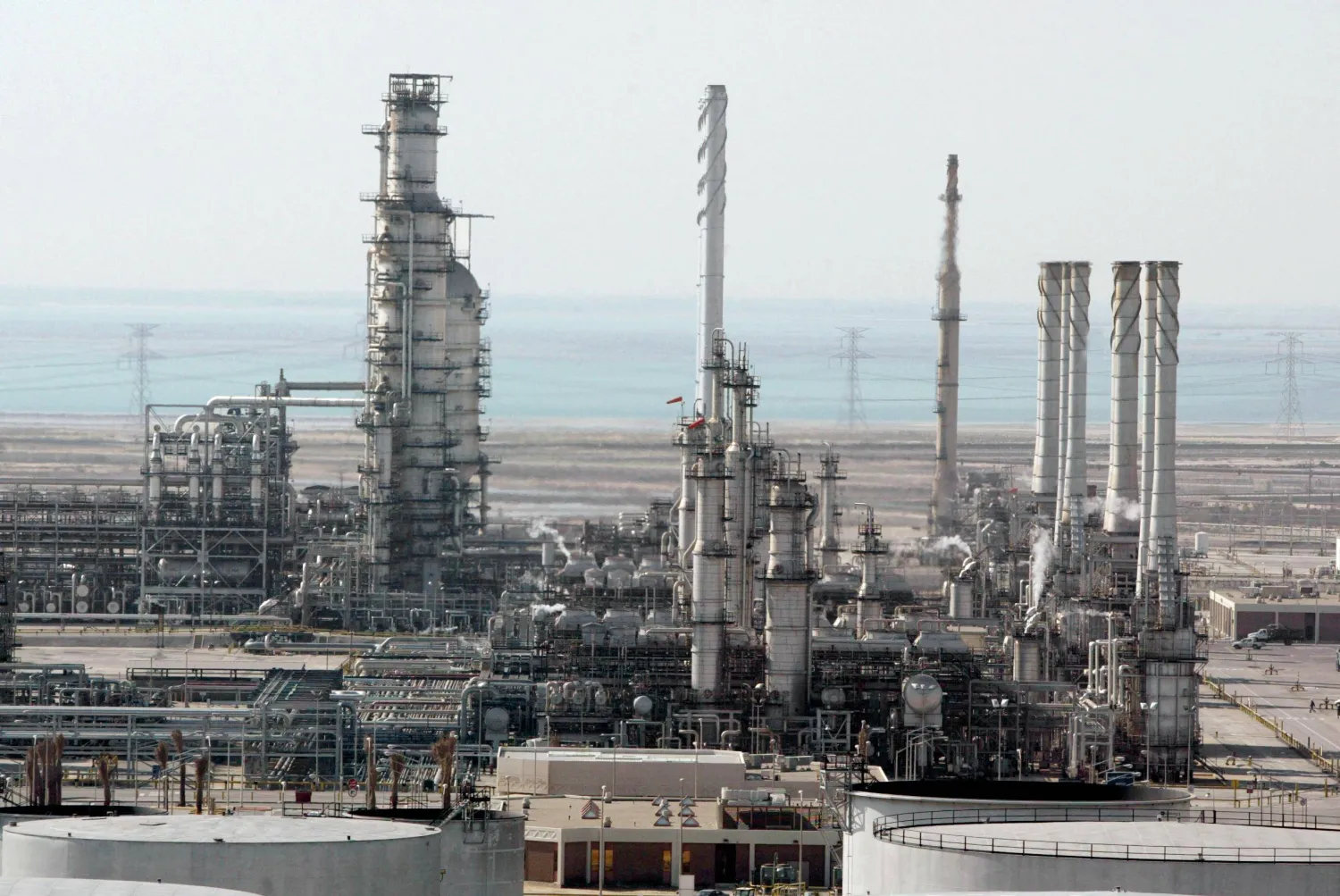
A general view shows Ras Tanura's oil production plant near Dammam in Saudi Arabia's Eastern Province (AFP)
TT

From Aramco's Profits to State Budget Revenue: How Do Oil Proceeds Reach Government Coffers?

A general view shows Ras Tanura's oil production plant near Dammam in Saudi Arabia's Eastern Province (AFP)

Saudi Aramco's financial results and Saudi Arabia's third-quarter budget performance report, released on the same day, revealed a divergence between the company's rising profits and declining government oil revenue recorded in the state budget.

While Aramco's net income rose 34.2% during the first nine months of 2026 to SAR 380.6 billion ($101.5 billion), government oil revenue fell 1.3% over the same period and declined approximately 23% in the third quarter alone.

Comparing the two indicators does not necessarily imply a direct relationship between the company's profits and the revenue flowing into government coffers. Corporate earnings are recognized under different accounting principles from those governing the calculation and collection of government revenue.

The financial relationship between Aramco and the government also involves multiple channels, including taxes, royalties, dividends and offsetting settlements, each with its own payment and collection schedule.

Aramco's Profits and Cash Flows

Aramco reported net income of SAR 380.6 billion ($101.5 billion) for the first nine months of 2026, compared with SAR 283.6 billion ($75.6 billion) in the corresponding period last year, an increase of 34.2%.

Adjusted net income reached SAR 368.9 billion ($98.4 billion), up from SAR 302.3 billion ($80.6 billion) a year earlier.

However, the increase in earnings was not accompanied by a comparable rise in cash generated by the company's operations, according to its financial report.

Cash flow from operating activities totaled SAR 355.8 billion ($94.9 billion), compared with SAR 357.6 billion ($95.4 billion) in the same period last year, remaining largely unchanged.

Aramco attributed this to changes in working capital, which refers to funds tied up in day-to-day operations, including outstanding sales receivables, inventories and amounts owed to or by the company.

These movements limited the extent to which higher earnings translated into operating cash flow.

Meanwhile, free cash flow increased to SAR 221.6 billion ($59.1 billion), compared with SAR 217.3 billion ($57.9 billion) a year earlier.

This metric measures the cash remaining after capital expenditures are deducted from operating cash flow. It benefited from a reduction in capital expenditures to SAR 134.2 billion ($35.8 billion), from SAR 140.3 billion ($37.4 billion) in the comparable period.

Oil Revenue in the State Budget

On the other side of the equation, Aramco's earnings growth was not mirrored by a corresponding increase in government oil revenue.

Ministry of Finance data showed that oil revenue fell 23% year on year in the third quarter to SAR 116.5 billion ($31.1 billion), compared with SAR 150.8 billion ($40.2 billion) in the same period last year.

Over the first nine months of 2026, oil revenue totaled SAR 446.3 billion ($119 billion), down from SAR 452.4 billion ($120.6 billion) in the corresponding period of 2025, representing a relatively modest decline of approximately 1.3%.

By contrast, non-oil revenue increased 8% during the nine-month period to SAR 412.5 billion ($110 billion), helping lift total budget revenue by 3% to SAR 858.9 billion ($229 billion).

In the third quarter alone, non-oil revenue rose 20% to SAR 142.6 billion ($38 billion).

The growth in non-oil revenue therefore helped cushion the impact of declining oil revenue on the government's overall income.

Third-quarter expenditure totaled SAR 343.4 billion ($91.6 billion), against revenue of SAR 259.1 billion ($69.1 billion), resulting in a quarterly budget deficit of approximately SAR 84.3 billion ($22.5 billion).

Why Don't the Figures Move in the Same Direction?

Part of the divergence between Aramco's financial results and government budget revenue stems from the different nature of the figures themselves.

The company's profits are recognized according to its accounting results, while budget figures reflect government revenue actually collected during the reporting period.

Moreover, the government's financial returns from Aramco's operations flow through several channels, including taxes, royalties and dividends, with differences in when these amounts become due and when they are paid.

Accounting profits do not necessarily translate into cash inflows during the same period. Liquidity is affected by the timing of receivables collection, inventory movements and operating payments.

This distinction is also evident in financial transactions between Aramco and the government, which are not limited to direct cash payments but include the settlement of certain mutual obligations through offsets.

For example, Aramco's cash income tax payments fell to SAR 2.8 billion (approximately $747 million) in the third quarter, compared with around SAR 51 billion ($13.6 billion) in the second quarter, as amounts due to the company from the government were settled by offsetting them against its tax obligations.

Under this mechanism, amounts owed to one party are deducted from what that party owes the other, rather than transferring the full amount in cash.

Such offsets affect both the volume of cash payments and the timing of financial transfers between Aramco and the government.

Consequently, government oil revenue does not necessarily move in the same direction as Aramco's financial results, since each is influenced by different factors and accounting mechanisms.

While the company's profits reflect its financial performance during a given period, government revenue recorded in the budget depends on the taxes, royalties and dividends due to the state, as well as the timing of their collection and settlement.

Aramco's profits may therefore increase during a period when government oil revenue is declining.

Overall, the results demonstrate Aramco's continued ability to generate strong profits and maintain substantial cash flows, supporting its capacity to sustain investment and distribute dividends to shareholders, foremost among them the Saudi government.

At the same time, growth in non-oil revenue underscores the importance of diversifying budget income sources to mitigate fluctuations in oil revenue, broaden the sources supporting public finances and advance the Kingdom's economic transformation.


Iraq Resumes Crude Oil Pumping for Export Purposes via Pipeline to Türkiye, Oil Minister Says

A general view of oil tanks at Türkiye’s Mediterranean port of Ceyhan, some 70 km (43.5 miles) from Adana, February 19, 2014. (Reuters)
TT

Iraq Resumes Crude Oil Pumping for Export Purposes via Pipeline to Türkiye, Oil Minister Says

A general view of oil tanks at Türkiye’s Mediterranean port of Ceyhan, some 70 km (43.5 miles) from Adana, February 19, 2014. (Reuters)

Iraq has resumed the pumping of crude oil for export purposes through the Kirkuk-Ceyhan pipeline to Türkiye at an initial capacity of 120,000 barrels per day, with plans to gradually increase flows to 500,000 bpd, the country's oil minister said on ‌Tuesday.

The reopening ‌of the pipeline, which ‌has ⁠been shut for ⁠more than a decade, provides Iraq with an additional export route for oil from the north of the country, alongside a pipeline from the Kurdistan region, ⁠reducing its reliance on ‌southern terminals and ‌shipments through the Strait of Hormuz.

OPEC's ‌second-largest producer has been working ‌to find alternative export routes for its oil since the strait, its usual outlet, was disrupted by the ‌Iran war.

The overall impact on Iraq's exports from the ⁠reopening ⁠of the Kirkuk-Ceyhan pipeline will depend on available supplies and whether the volumes come in addition to existing shipments.

Exports via the 960-km pipeline, which once handled about 0.5% of global supply, were halted in 2014 after repeated attacks by ISIS militants.


EU Sees Eurozone Economy Hold Up Despite Iran War

European Union flags flap in the wind outside EU headquarters in Brussels, Monday, Nov. 16, 2026. (AP Photo/Virginia Mayo)
TT

EU Sees Eurozone Economy Hold Up Despite Iran War

European Union flags flap in the wind outside EU headquarters in Brussels, Monday, Nov. 16, 2026. (AP Photo/Virginia Mayo)

The EU on Tuesday raised its growth forecast for the eurozone this year after the economy weathered the energy shock from the Middle East conflict better than expected, while warning that inflation would remain high.

The European Commission expects GDP in the 21-country single currency area to expand by 1.2 percent this year, up from its forecast of 0.9 percent last spring.

It also expects the euro area to grow by 1.2 percent next year.

"In 2026, Europe's economy is holding up better than expected. But we cannot take this for granted, nor can we be content with resilience alone," EU economy chief Valdis Dombrovskis said in a statement.

Brussels now expects eurozone inflation to hit 3.1 percent in 2027, up sharply from its previous forecast of 2.3 percent.

The EU also revised up its prediction for consumer price rises this year, expecting inflation to reach 3.2 percent after a previous forecast of 3.0 percent, AFP reported.

The US war against Iran launched in late February has sent global energy costs soaring, with Tehran's retaliation against Washington's Gulf allies sharply curtailing oil and natural gas supplies.

The EU said energy inflation would "moderate" next year but food inflation was "set to accelerate" as higher energy and fertilizer costs feed through to prices and extreme weather in summer 2026 disrupted harvests.

Eurozone inflation climbed to a three-year high of 4.0 percent in October, raising expectations of another interest rate hike by the ECB this year.

The commission said economic growth in the first three quarters of 2026 was "driven by steady consumption and a sharp rebound in exports of goods, which benefited manufacturing activity".

But it warned that "risks to the outlook remain linked to the evolution of the ongoing conflicts and their implications for global energy markets".

The EU also pointed to several "sources of uncertainty" including geopolitical tensions, trade policy, financial market turmoil and other technological, security and climate-related risks.

Forecasts for the EU's two biggest economies, Germany and France, also showed a significant divergence. Germany is now expected to grow by 1.3 percent this year, more than double the 0.6 percent predicted in the spring.

But France will only grow by 0.4 percent this year, significantly below the 0.8 percent forecast in spring.

And next year it will fare no better, the EU said, with France expected to grow by 0.6 percent compared to 1.0 percent for Germany.


Specialty Products Chart a New Path for Growth for Saudi Petrochemicals

An engineer carries out his work at a SABIC plant. (SABIC)
TT

Specialty Products Chart a New Path for Growth for Saudi Petrochemicals

An engineer carries out his work at a SABIC plant. (SABIC)

The Saudi petrochemicals industry is entering a phase that requires reorienting its growth compass amid persistent global oversupply and shrinking margins on basic products, even as opportunities expand in specialty products and materials linked to advanced industries.

Growing demand for energy infrastructure supplies, power grids, and data centers is opening up new avenues for Saudi producers, who are capitalizing on the Kingdom's advantages in feedstock availability, industrial infrastructure, and operational expertise, in addition to opportunities to develop more diversified value chains and boost production value-add.

Helder Santos, Managing Director and Head of Infrastructure and Capital Projects in the Middle East at Alvarez & Marsal, believes that the petrochemicals sector is undergoing a transitional phase that coincides with its usual industrial cycle.

He explained that the advantages enjoyed by producers in Saudi Arabia and Gulf countries provide a foundation for improving returns, even though shifts in feedstock costs and global supply make operational performance and product selection all the more critical.

In an interview with Asharq Al-Awsat, Santos said that rising feedstock costs and substantial additions to production capacities require companies to place greater focus on operational efficiency and investment decisions.

Analyses by Alvarez & Marsal indicate that global ethylene plant operating rates remain below pre-2019 levels and are expected to stay at these levels until the end of the current decade amid capacity expansions, particularly in China, which is projected to account for roughly half of global ethylene capacity additions through 2028.

Santos said that persistently low operating rates reflect uneven recovery prospects across products and markets, depending on demand growth, capacity additions, and operating levels, meaning the rebound will not reach all products at the same pace.

However, producers do not need to wait for a market-wide recovery to boost profitability. They can enhance returns by improving operational reliability, increasing capital efficiency, and carefully developing their investment portfolios, as well as optimizing maintenance efficiency, managing working capital, and expanding into higher value-added applications and products.

Engineers at a Yansab plant. (Yansab)

71% surge in ethane prices

On feedstock costs, analysis data from Alvarez & Marsal showed that ethane prices in Saudi Arabia rose from $1.75 per million British thermal units (MMBtu) in 2023 to $3 in January 2025, an increase of nearly 71%.

Despite this increase, Santos stressed that Saudi producers continue to enjoy a competitive advantage in feedstock costs. He explained that comparisons in the firm's analysis demonstrate that Gulf ethane remains competitive with US ethane and is significantly cheaper than the naphtha used in cracking units across Asia and Europe.

He noted that this advantage can be strengthened by boosting operational efficiency and capital productivity, improving production reliability, developing maintenance programs, effectively planning turnarounds and periodic maintenance, and aligning manufacturing schedules with customer needs.

Santos also highlighted the importance of directing investments toward products that generate the highest commercial returns from available feedstock sources and extending the operational lifespan of assets whenever technically feasible, as well as building technical partnerships and expanding into downstream industries to develop higher value-added applications and products.

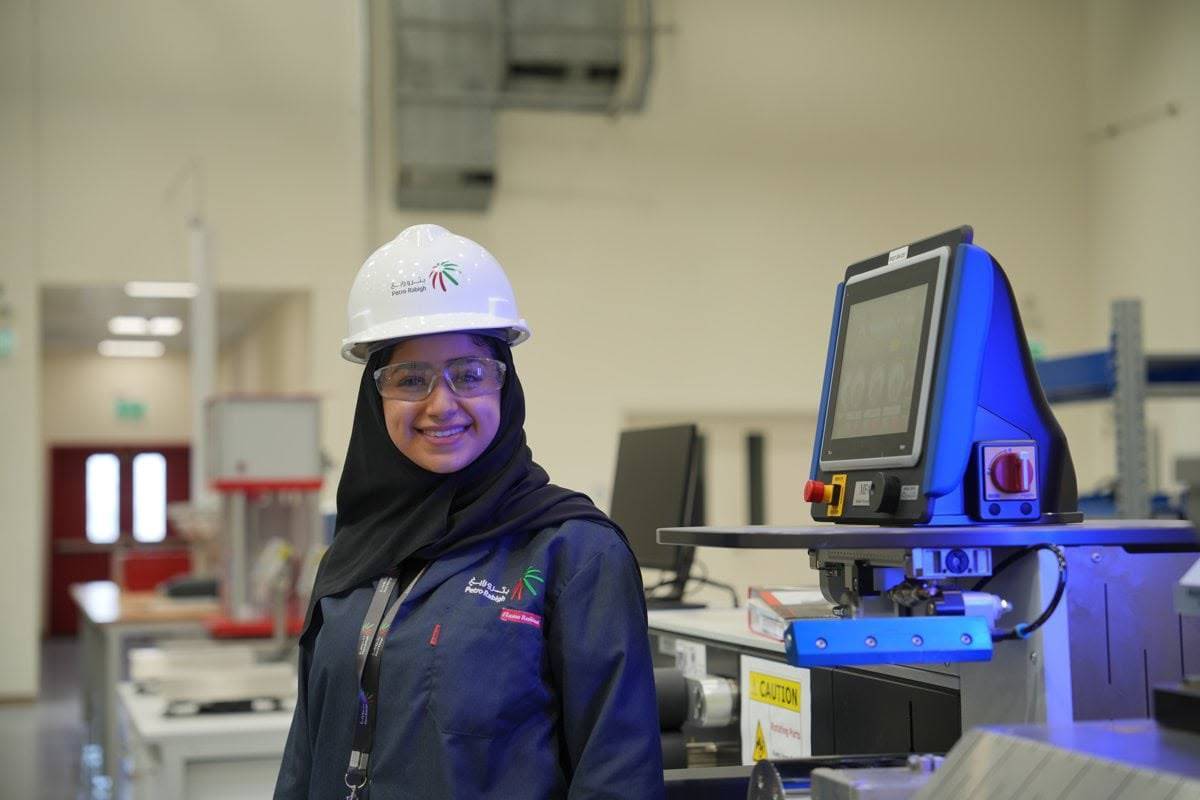
An engineer carries out her duties at Petro Rabigh. (Petro Rabigh)

New markets support expansion opportunities through 2027

On the international competition front, Santos said that Saudi and Gulf producers possess strong fundamentals to strengthen their presence in global markets in the coming phase, capitalizing on production cost advantages, industrial infrastructure, and operational expertise.

However, he noted that certain basic products, foremost among them ethylene, will continue to face pressure from abundant supply and pricing through 2027.

He explained that maintaining and boosting a presence in export markets requires combining competitive production costs with delivery reliability and building sustainable commercial relationships with customers.

Conversely, shifts in the global demand landscape present new opportunities for Gulf producers, particularly in Asian markets.

Santos cited the firm's analysis of forecasts published in 2025, which point to Indian demand for polyolefins growing at an annual rate of between 7.5% and 8.5% over the next decade. He also noted that announcements regarding the closure of several cracking units in Europe could open the door for Gulf suppliers to expand their share in those markets.

Seizing these opportunities requires adopting export strategies tailored to the nature of each product and market, adhering to customer-approved specifications, ensuring logistics efficiency, and aligning commercial terms, he added.

Data centers and power grids open new markets

In the context of the shift toward specialty products, Santos identified chemicals linked to energy infrastructure, electronics, and advanced technologies as among the most promising growth areas over the next five years, driven by the expansion of energy projects, power grid development, and growing investments in data centers.

He explained that compounds for manufacturing high-voltage cables, insulation materials, transformer fluids, and certain composite materials represent opportunities directly tied to energy infrastructure expansion, while additional opportunities are emerging in electronics and data center applications through specialized cooling fluids, ultra-pure chemicals, and specialty gases.

According to the firm's analysis, demand for these specialty chemicals within data center programs in Saudi Arabia and the UAE reaches thousands of tons, while power grid expansion is expected to boost demand for chemicals used in grid components and equipment.

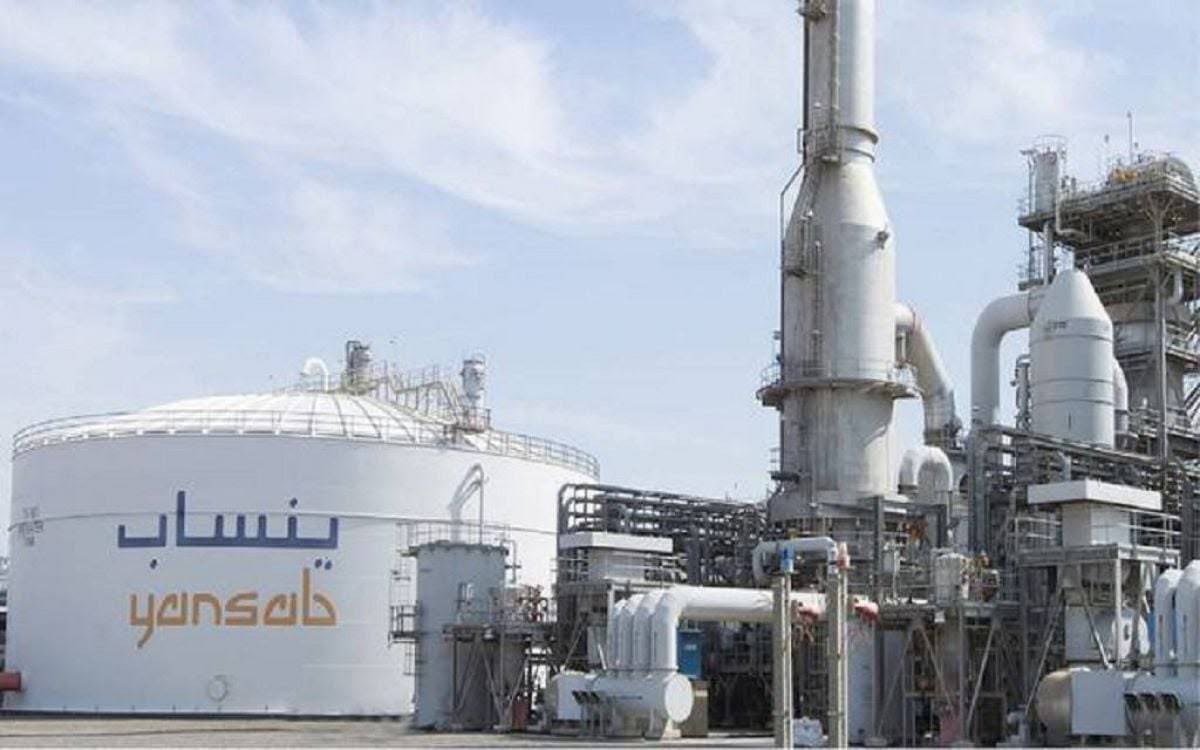
One of Yansab's plants. (Yansab)

Operational efficiency frees up $20 million to $50 million for investment

Opportunities to develop the petrochemicals industry are not limited to expanding into new products and promising markets, but also include improving the efficiency of existing assets and tapping into their available financial resources to provide additional funding for future investments.

Santos said that enhancing the performance of current operations can unlock significant opportunities to bolster companies' liquidity and investment capacity.

He explained that estimates point to the potential to reduce net working capital by 10% to 20%, generating a one-time liquidity boost depending on a company's baseline performance, in addition to achieving recurring savings in overhead and controllable expenditure items.

Investment appeal

On the investment appeal of the Saudi petrochemicals sector amid profitability challenges and rising project costs, Santos stressed that the Kingdom continues to possess strong fundamentals for attracting investments, capitalizing on competitive production economics, a developed industrial ecosystem, and opportunities to expand value chains in downstream industries.

Integration between the refining and petrochemicals sectors reinforces these advantages by providing broader options for feedstock sources and enabling the development of diverse products, he went on to say.

Ethane cracking typically yields between 75% and 80% ethylene, whereas naphtha cracking produces a wider mix that includes propylene, butadiene, and aromatics, creating greater opportunities to develop derivative products and broaden the manufacturing base, he told Asharq Al-Awsat.

He expected companies to increasingly shift toward producing derivatives and composite materials, developing specialized applications, and strengthening customer relationships, while basic product capacities will remain important in projects that demonstrate cost competitiveness and sustained demand.

Santos said that industrial integration broadens options for investors, though achieving viable returns still depends on sound product selection, the availability of necessary technical and manufacturing capabilities, and access to target markets.

He underlined the importance of evaluating investment projects based on returns generated across the entire value chain rather than focusing on the production economics of a single material, while leveraging product qualification arrangements and offtake agreements when making major capital expenditure decisions.

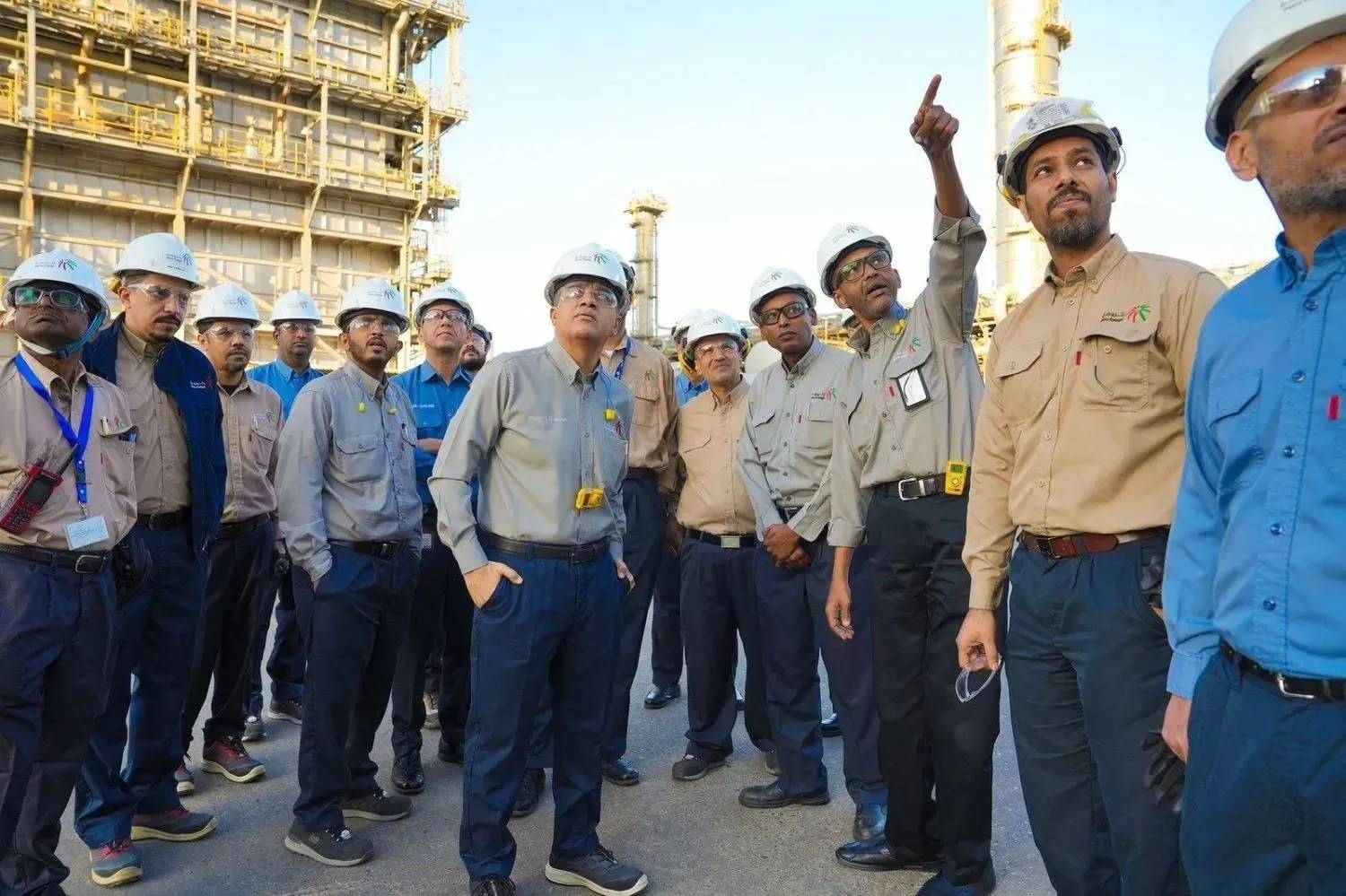
Engineers at a Petro Rabigh plant. (Petro Rabigh)

2030: A more diversified and specialized industry

Looking ahead to 2030, Santos projected that the Gulf petrochemicals industry will move toward greater diversification and specialization by combining highly competitive basic material production with expansion into derivative products, composite materials, and advanced chemical applications.

He said that Saudi Arabia's existing petrochemicals base provides a strong foundation to strengthen the Kingdom's presence in advanced chemical industries, noting that expanding this role requires linking production capabilities with applied expertise and specialized technologies, as well as building long-term customer relationships and securing their product qualifications.

He stressed that early investment in laboratories, specialized material compounding testing facilities, technology licensing, and talent development are essential pillars for expanding product lines and preparing companies to enter new markets.

New product lines entering development in 2026 could begin generating revenue by 2028 at the earliest, depending on the time required to complete qualification requirements and achieve commercial readiness, he continued.

He said that the success of this transformation depends on developing technologies, specialized skills, and infrastructure in parallel with production investments.

Partnerships and selective acquisitions can accelerate the building of these capabilities and help Saudi producers establish competitive positions by 2030, launching from there into additional growth opportunities over the following decade, he said.