‘Historic Jeddah’ Development Project Proceeding According to Int'l Sustainable Standards

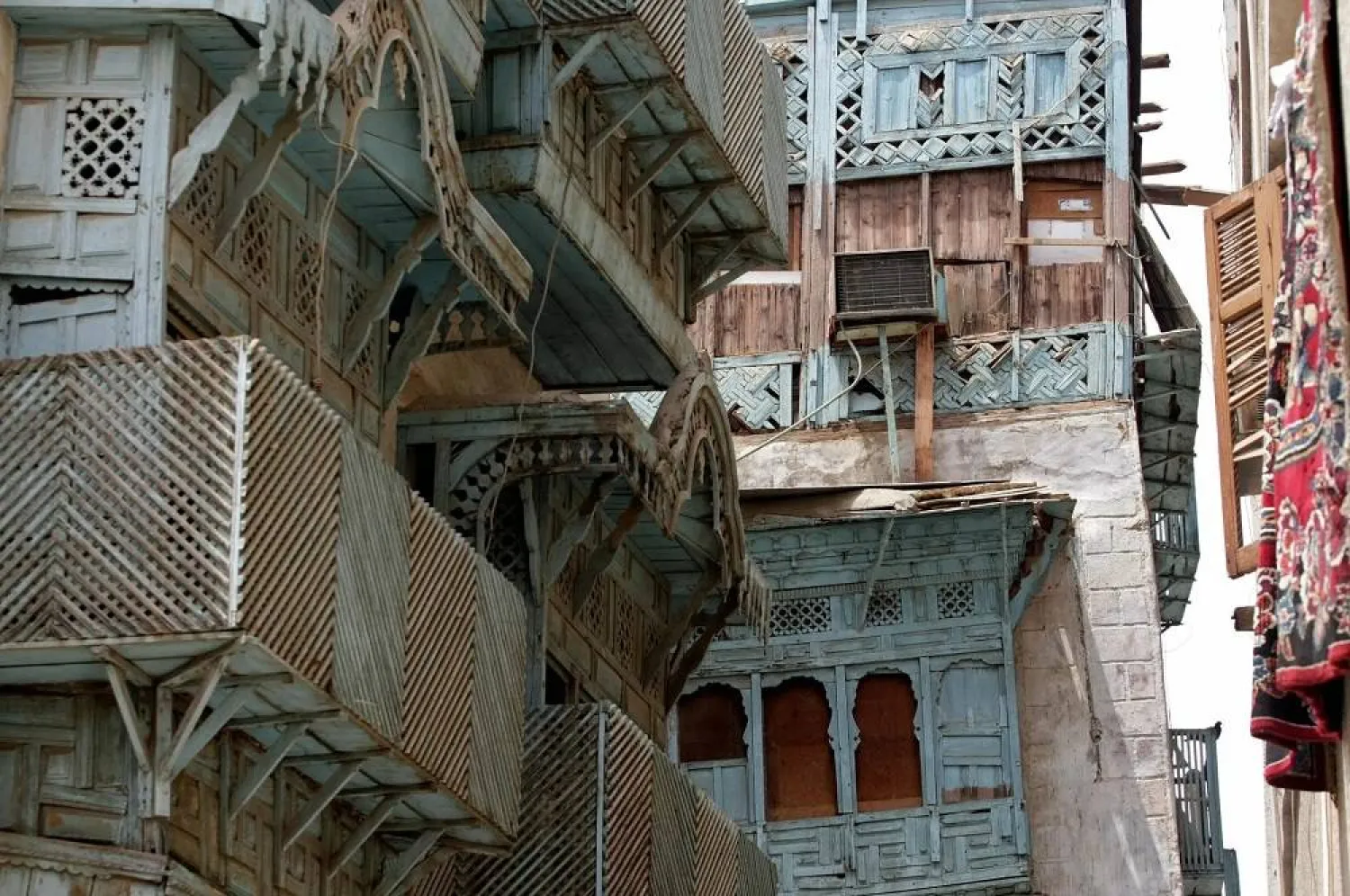
A view shows the carved wood panels decorating the facades of traditional buildings of the Old City in the center of the Saudi Arabian Red Sea port city of Jeddah, 2 August 2007. (Getty Images/AFP)
TT

‘Historic Jeddah’ Development Project Proceeding According to Int'l Sustainable Standards

A view shows the carved wood panels decorating the facades of traditional buildings of the Old City in the center of the Saudi Arabian Red Sea port city of Jeddah, 2 August 2007. (Getty Images/AFP)

The implementation of the “Historic Jeddah” Development Project is progressing steadily according to international sustainability standards, reported the Saudi Press Agency on Saturday.

The project is part of the plan to transform the ancient town into a hub for business, culture, and innovation and a destination for entrepreneurship, and to upgrade the living standards of its residents and visitors.

The first phase of the “Historical Jeddah Rejuvenation” Project calls for carving out the waterfront that had previously been filled to accommodate the city’s urban expansion.

During the second phase, Lake Al-Arbaeen’s water will be treated and purified, and infrastructure will be built for a new urban area and waterfront.

The third phase includes building a marina for luxury yachts, open green spaces, pedestrian overpasses, and public utilities to create a sustainable urban environment for Jeddah’s Al-Balad (downtown) area.

The project is part of the Kingdom leadership’s keenness on preserving and rehabilitating the country’s historic sites as part of the objectives of the Saudi Vision 2030 to reflect the Kingdom's Arab and Islamic heritage.

The Historic Jeddah (Al-Balad) is home to more than 600 heritage buildings, 36 historical mosques, five major historical markets, ancient alleys and squares, and sites of prime historic significance, including the old waterfront, which was a major route for pilgrims since the dawn of Islam.


King Khalid Cultural Center in Buraidah Fosters Cultural Activity in Qassim

The center holds significant cultural and social value, featuring facilities, halls, and theaters that host diverse events, festivals, exhibitions, and forums - SPA
TT

King Khalid Cultural Center in Buraidah Fosters Cultural Activity in Qassim

The center holds significant cultural and social value, featuring facilities, halls, and theaters that host diverse events, festivals, exhibitions, and forums - SPA

The King Khalid Cultural Center in Buraidah is a prominent cultural landmark in Qassim Region. It holds significant cultural and social value, featuring facilities, halls, and theaters that host diverse events, festivals, exhibitions, and forums.

Official spokesperson for the Qassim Region Municipality Nayef Al-Nufai stated that the center serves as a vibrant space for activities and programs that bring together various segments of society, providing an ideal environment for specialized events and professional gatherings, SPA reported.

He added that the municipality is committed to maximizing the utility of such cultural facilities, ensuring they serve the community effectively, align with residents' aspirations, invigorate cultural and tourism activity, and elevate Buraidah's urban landscape.


Northern Borders Region’s Heritage Preserves Cultural Identity

Folk arts are another integral part of the region’s social fabric, characterized by rhythmic performances and communal chants that express courage, enthusiasm, and social cohesion - SPA
TT

Northern Borders Region’s Heritage Preserves Cultural Identity

Folk arts are another integral part of the region’s social fabric, characterized by rhythmic performances and communal chants that express courage, enthusiasm, and social cohesion - SPA

Northern Borders Region preserves a diverse intangible cultural heritage, including social customs, folk arts, and knowledge rooted in desert life that remain deeply embedded in the local community's consciousness and daily practices.

The region evokes its collective memory and cultural heritage through social practices passed down through generations, including generosity, hospitality, and traditional gathering spaces where community members meet to exchange news and ideas, SPA reported.

Saudi coffee is also central, along with the etiquette and traditions surrounding its preparation and service, which embody the values of welcoming others and fostering social connection.

Folk arts are another integral part of the region’s social fabric, characterized by rhythmic performances and communal chants that express courage, enthusiasm, and social cohesion.

The region’s traditional way of life is reflected in various crafts and manual practices developed to meet the needs of desert life. This includes specialized knowledge of camels and traditional methods for traveling and living in the desert, as well as the expertise gained from navigating its challenging climatic conditions.


Jazan’s Traditional Sweets Preserve Culinary Heritage, Cultural Identity

Halqum, meanwhile, has a soft, elastic, gelatinous texture and comes in various flavors and colors depending on its ingredients and preparation methods - SPA
TT

Jazan’s Traditional Sweets Preserve Culinary Heritage, Cultural Identity

Halqum, meanwhile, has a soft, elastic, gelatinous texture and comes in various flavors and colors depending on its ingredients and preparation methods - SPA

Traditional sweets in Jazan Region tell a story that goes beyond their taste, evoking customs passed down through generations, with some varieties becoming familiar and cherished. Mashbak and Halqum are among these sweets, combining visual appeal with familiar flavors.

Mashbak is usually made from a dough mixture shaped into interwoven strands, then fried until golden, SPA reported.

Halqum, meanwhile, has a soft, elastic, gelatinous texture and comes in various flavors and colors depending on its ingredients and preparation methods. Differences in texture and shape give each sweet its own distinctive character within a diverse world of confectionery preparation and presentation.

Food heritage is an important way to introduce the cultural identity of different regions. Understanding a place extends beyond its natural and historical landmarks to include its local products and the customs, skills, and practices passed down through generations.

From this perspective, traditional sweets represent part of the cultural experience through which visitors can discover aspects of daily life and local hospitality.