


From Leaf Crisps to Pudding, India’s ‘Super Food’ Millet Finds Its Way onto the G20 Dinner Menu

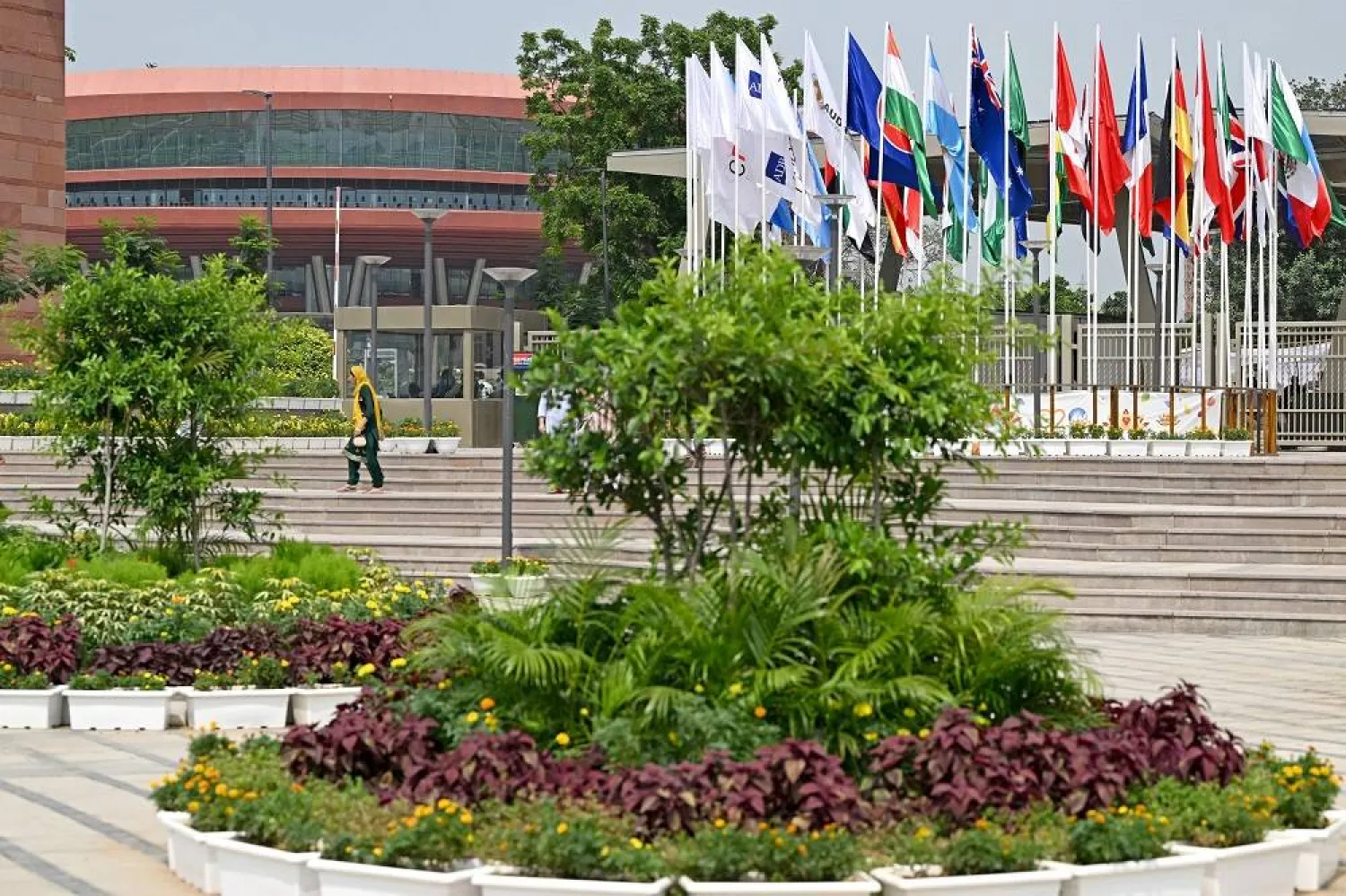
The International Convention Center "Bharat Mandapam" the venue for the upcoming G20 Summit scheduled to be held next month, pictured in New Delhi on August 31, 2023. (AFP)
TT

From Leaf Crisps to Pudding, India’s ‘Super Food’ Millet Finds Its Way onto the G20 Dinner Menu

The International Convention Center "Bharat Mandapam" the venue for the upcoming G20 Summit scheduled to be held next month, pictured in New Delhi on August 31, 2023. (AFP)

When the leaders of the Group of 20 arrived in host country India, they were feted by a classic Indian formula of Bollywood song and dance on the tarmac. Now as they tuck into dinner, they are in for yet another cultural treat: dressed-up versions of a humble, earthy grain that's a staple for millions of Indians.

Millets are a group of grains India has been championing as a super food — versatile, climate-friendly and, if prepared right, presumably delicious enough for world leaders. And after a grueling day of discussions at the summit that saw the African Union added as a new G20 member, delicacies made from it will be rolled out in various forms.

The world leaders will gather for the meal at the Bharat Mandapam building, a sprawling exhibition center in the heart of New Delhi, which twinkled with blinking lights on Saturday night.

Among the vegetarian delicacies are oxtail millet leaf crisps topped with yoghurt and spiced chutney, Kerala red rice tossed with millet crisp and curry leaf, and a cardamom scented barnyard millet pudding with fig and peach compote, according to the menu seen by the Associated Press.

Prime Minister Narendra Modi declared 2023 as the Year of Millets, and so did the United Nations. Even the White House took note of the grain — in June, plant-based courses of millet were on the menu for some 400 guests invited to a White House state dinner for Modi, who is a vegetarian.

The focus on millets is seen as an effort to revive a hardy and healthy crop that has been cultivated for millennia but was largely cast aside by European colonists who favored corn, wheat and other grains.

Rich in proteins, potassium and vitamin B, and gluten-free, the grain's fans tout its flexibility — you can knead it into rotis or flatbreads, make a batter out of it for dosas or savory crepes, or just boil it, like you would rice, and serve it with spiced lentils, or dal.

Over centuries, millets have been cultivated around the world — including in Japan, Europe, the Americas and Australia — but their epicenter has traditionally been India, China and sub-Saharan Africa.

In total, there are about nine types of millet, and India — the largest producer — grows all of them. The South Asian country accounts for 80% of millet production in Asia and 20% globally, according to a report from the ORF.

Millets are more tolerant of poor soils, drought and harsh growing conditions, and can easily adapt to different environments without high levels of fertilizer and pesticide. They also don’t need as much water as other grains, making them a sustainable option especially in dry and arid regions.

Under Modi’s rule, the grain has found a resurgence of sorts. At the G20 meeting focused on agriculture in June, he said India's food and agriculture policy was a mix of “back to basics” and “march to the future.”

Millets, he said, exemplified this. They are not new, they've been cultivated for thousands of years, "but markets and marketing had influenced our choices so much that we forgot the value of traditionally grown food crops.”

After a thrust by the government to promote the grain, various startups across India have rolled out cafes — some even on wheels — that sell only millet-made snacks. On Instagram, chefs and Bollywood celebrities are promoting the grain by sharing recipes, with some focusing on millet's nutritional value and how it helps in weight loss.

Indian ministers are also making sure the humble grain is recognized by global guests.

Prominent among them is billionaire tech mogul and philanthropist Bill Gates, who during a visit to India this year tried his culinary skills at making millet khichdi, an Indian stew typically made with lentils and rice.


Saudi Arabia: King Abdulaziz Library to Launch 26th Free Reading Festival

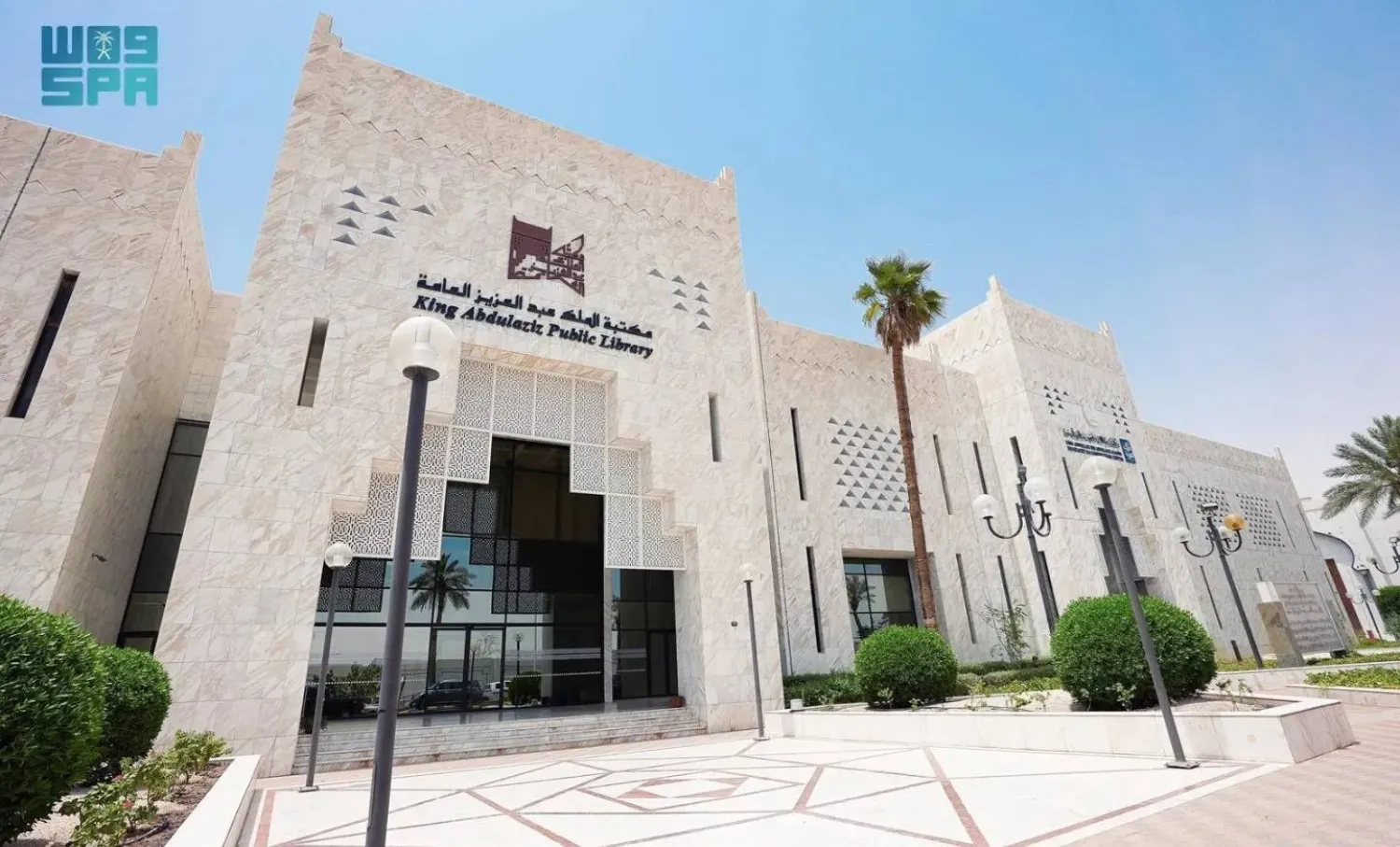
The King Abdulaziz Public Library. SPA
TT

Saudi Arabia: King Abdulaziz Library to Launch 26th Free Reading Festival

The King Abdulaziz Public Library. SPA

The King Abdulaziz Public Library, in cooperation with the Riyadh Education Department, will launch its 26th annual Free Reading Festival for public school students on Sunday.

Running from May 10 to 14 in Riyadh, the festival will bring together more than 100 schools, over 1,550 students, and a number of educators and teachers.

It aims to foster a love of reading and learning, expand students’ literary, scientific, and cultural horizons, and encourage teachers to promote independent reading. It will also provide a platform to showcase student talents and strengthen Arabic language skills.

Through initiatives like this festival, the King Abdulaziz Public Library promotes reading through diverse programs and a wide range of books that foster pride in the Kingdom’s heritage.


Qassim's Monday Market Retains Heritage Role as Economic and Cultural Hub

The Monday market in the governorate of Uyun Al-Jiwa. (SPA)
TT

Qassim's Monday Market Retains Heritage Role as Economic and Cultural Hub

The Monday market in the governorate of Uyun Al-Jiwa. (SPA)

The Monday market in the governorate of Uyun Al-Jiwa, north of Qassim Region, stands as one of the oldest traditional weekly markets, enduring through changing times while maintaining its role as a vibrant economic and cultural hub.

The market draws a growing number of visitors from across Qassim and beyond, supported by the governorate’s strategic location.

During a field tour, the Saudi Press Agency observed lively activity throughout the market, with stalls displaying a diverse range of products. These include agricultural goods such as almonds and dried figs; animal products like ghee and milk, for which the region is renowned; as well as handicrafts and natural items such as henna and sidr.

Visitors noted that the market has retained its authentic character, continuing to serve as a vital source of income for small vendors and families working in the cottage industry, reinforcing its role as a key platform for preserving traditional culture while supporting the local rural economy.


Heritage Commission Revives Al-Nasb Heritage District as Abha Cultural Tourism Destination

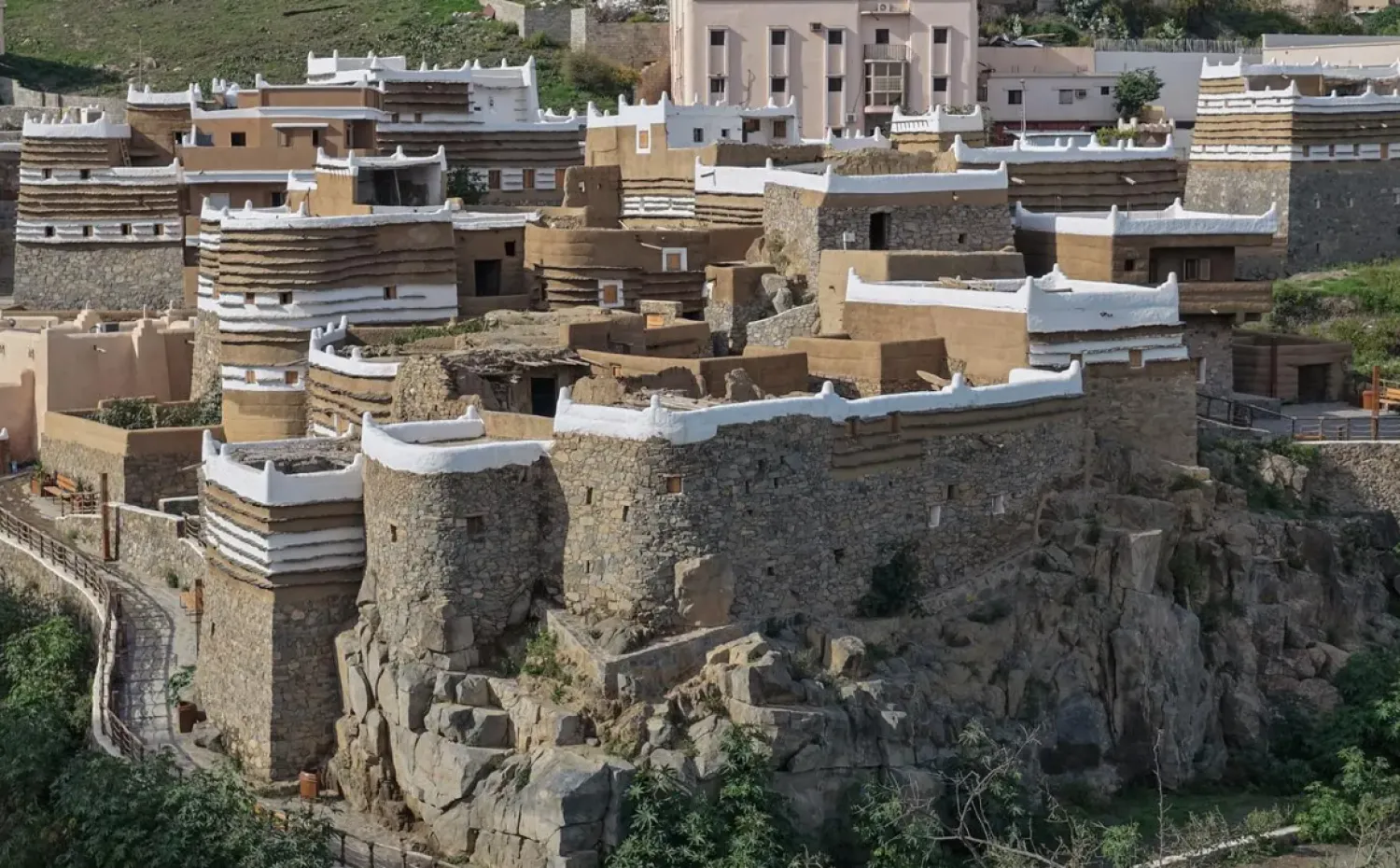
The district’s significance lies in its unique architectural composition - SPA
TT

Heritage Commission Revives Al-Nasb Heritage District as Abha Cultural Tourism Destination

The district’s significance lies in its unique architectural composition - SPA

Al-Nasb Heritage District in Abha is one of the most prominent living examples of traditional architecture in Aseer Region, preserving its long history and architectural details that embody people’s connection to their local environment and document the social and cultural patterns that have shaped the identity of the place across generations.

The district’s significance lies in its unique architectural composition, where mud and stone buildings stand side by side in visual harmony. They were built using local materials such as stone, clay, and juniper trunks, while the narrow alleyways and closely set buildings give the district a cohesive social character that reflects the spirit of past communities in the region and the close relationship between people and place.

The Heritage Commission has revived the district through an integrated restoration and rehabilitation project aimed at preserving its original elements and enhancing its sustainability, as part of national efforts to protect urban heritage and highlight it as a cultural and tourism asset, SPA reported.

The site is also distinguished by its natural setting, as the district overlooks the banks of Abha Valley and surrounding farms, giving it a distinctive visual and aesthetic dimension. Its narrow passageways and closely set buildings illustrate a traditional urban pattern that strengthens ties among residents and captures the nature of social life in that era.

The district is now a growing destination for culture and tourism in Abha, attracting visitors and heritage enthusiasts who come to explore the details of authentic architecture and learn about the traditional ways of life that have shaped Aseer Region’s identity across generations. The project helps raise awareness of the importance of preserving archaeological sites as a key pillar in forming national memory.

The project is part of the Kingdom’s efforts to protect and effectively manage cultural heritage, in line with the targets of Saudi Vision 2030, which gives special attention to the cultural sector. It seeks to turn heritage sites into vibrant spaces that support cultural tourism and sustainable development while reconnecting society with its historical roots.