


Culture Ministry Inaugurates Saudi Film Confex in Riyadh

The “Saudi Film Confex” is a platform that brings together relevant parties to enhance and promote filmmaking - SPA
TT

Culture Ministry Inaugurates Saudi Film Confex in Riyadh

The “Saudi Film Confex” is a platform that brings together relevant parties to enhance and promote filmmaking - SPA

Saudi Arabia's Deputy Minister of Culture Hamed bin Mohammed Fayez inaugurated the first edition of the Saudi Film Confex on Sunday at the Riyadh Front EXPO.

The event, which was held under the patronage of Minister of Culture and Chairman of the Board of Directors of the Saudi Film Commission Prince Badr bin Abdullah bin Farhan Al Saud, draws select Arab and international filmmakers and several national, regional and international directors and industry experts in the Kingdom.

In the opening speech, Fayez stressed that art and culture continue to represent the spirit of Saudi society and are fundamental pillars of the Kingdom’s development.

According to SPa, he pointed to the efforts of the Ministry of Culture and the Saudi Film Commission to build a bright future for filmmaking and arts, in line with the Saudi Vision 2030, which was launched by His Royal Highness Prince Mohammed bin Salman bin Abdulaziz Al Saud, Crown Prince and Prime Minister.

“Over the past few years, the film industry has been changing rapidly. Saudi films have placed our country onto the cultural world map in national and international arenas, and continue to highlight the creativity and talent available throughout the Kingdom,” Fayez said.
He stressed that the Ministry of Culture seeks to support filmmaking by establishing and developing industry-specific forums, such as the Saudi Film Confex, to ensure the exchange of experience, and facilitate communication among artists, local creators and international filmmakers.

He added: “We believe in the power of cinema and films and their prominent role in changing reality for the better and spreading our culture throughout the world. Therefore, the Film Commission will continue to support artistic and cinematic initiatives, contribute to developing skills, and expand the horizons of creativity, all of which come within the framework of our firm commitment to developing the art and cinema sector in our country.”

The “Saudi Film Confex” is a platform that brings together relevant parties to enhance and promote filmmaking and to publicize its importance to the national economy and investment opportunities in this field through three main pillars: industry trends, global practices, and challenges and opportunities in filmmaking; more than 100 experts and international figures in the field of filmmaking take part in it.

Some 50 speakers, including executives, investors and specialists from all over the world, will discuss the latest topics and technologies that support the film industry and its operations, and organize workshops, training sessions, and displays of cinematic products, projects and innovations related to filmmaking in the Kingdom and globally.


'Moon Spotter': AlUla's Enduring Tradition of Crescent Sighting

The people of AlUla in Saudi Arabia have long maintained a close relationship with nature, reflected in their careful observation of crescent moons. (SPA)
TT

'Moon Spotter': AlUla's Enduring Tradition of Crescent Sighting

The people of AlUla in Saudi Arabia have long maintained a close relationship with nature, reflected in their careful observation of crescent moons. (SPA)

The people of Saudi Arabia’s AlUla have long maintained a close relationship with nature, reflected in their careful observation of crescent moons and the determination of lunar months, particularly Ramadan and Shawwal (Eid). This tradition was carried out through a role locally known as the “Moon Spotter,” reflecting inherited astronomical knowledge passed down through generations.

Known for sharp eyesight and precise knowledge of celestial timings, the Moon Spotter relied on traditional methods, including placing a copper vessel filled with water at an elevated position to observe the reflections of the sun and moon, which helped determine the crescent's position with accuracy.

Upon sighting the crescent, he would mark the reflected point with a palm frond before notifying the relevant court to contribute to the official announcement, the Saudi Press Agency said.

This heritage is closely tied to AlUla's historically clear skies, which enabled residents to observe celestial bodies with clarity and fostered a lasting connection to astronomy as part of their cultural legacy.


Dutch Museum Makes ‘Needle in a Haystack’ Confirmation of Rembrandt Painting

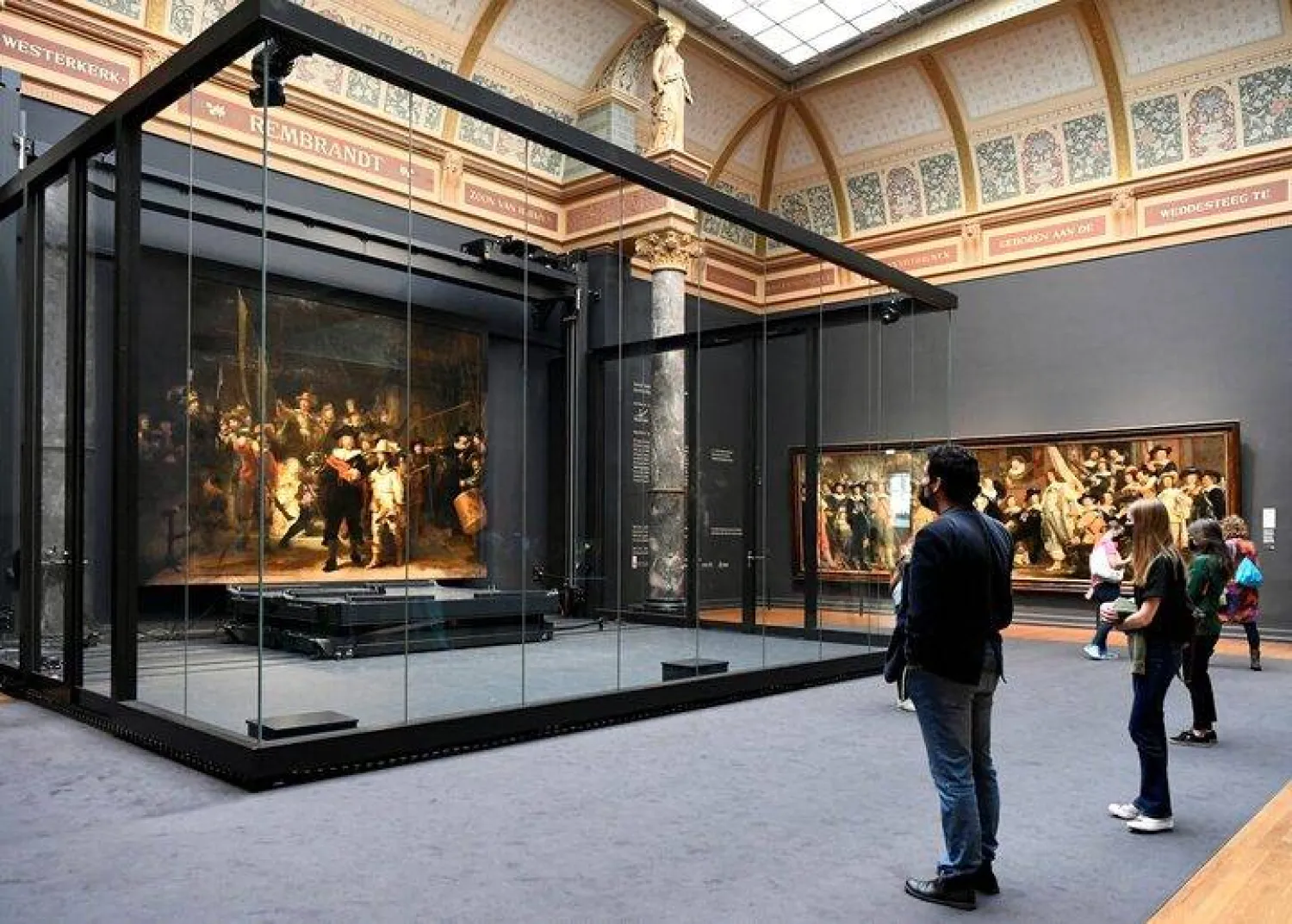
Poeple look at Rembrandt's famed Night Watch, which is back on display in what researchers say in its original size, with missing parts temporarily restored in an exhibition aided by artificial intelligence, at Rijksmuseum in Amsterdam, Netherlands June 23, 2021. REUTERS/Piroschka van de Wouw/File Photo
TT

Dutch Museum Makes ‘Needle in a Haystack’ Confirmation of Rembrandt Painting

Poeple look at Rembrandt's famed Night Watch, which is back on display in what researchers say in its original size, with missing parts temporarily restored in an exhibition aided by artificial intelligence, at Rijksmuseum in Amsterdam, Netherlands June 23, 2021. REUTERS/Piroschka van de Wouw/File Photo

A painting that was once rejected as a work by Rembrandt van Rijn has now been acknowledged as a work by the Dutch master, thanks to two years of scrutiny in the city where the then-27-year-old artist painted it in 1633, a museum announced Monday. 

The Netherlands' national art and history museum, the Rijksmuseum, unveiled the work, “Vision of Zacharias in the Temple,” and said painstaking analysis including high-tech scans has confirmed it was painted by Rembrandt after he moved to the capital, Amsterdam. 

The painting hasn't been on public display in decades after being bought by a private collector in 1961, a year after it was deemed not to be a Rembrandt, the museum said in a statement. From Wednesday, will go on show among other masterpieces at the Rijksmusuem, where it is on long-term loan. 

Director Taco Dibbits said the museum often gets emails from people asking if the painting they own might just be by the Golden Age master. 

“We always hope to find a new Rembrandt, but this happens rarely," he told The Associated Press. He said making such a discovery “is just like (finding) a needle in a haystack.” 

The owner, who has remained anonymous, initially asked the museum only if the painting was Dutch. 

“He really didn’t know what he had. And then to discover that it’s a Rembrandt is something that’s amazing to experience,” Dibbits said. 

An in-depth study of the work, including macro X-ray fluorescence scans and comparisons with other works by the artist, confirmed Rembrandt painted it, said the museum’s curator of 17th century Dutch paintings, Jonathan Bikker. 

“So the wood that was used for the panel on which it’s painted, that is definitely from a tree that was cut down before 1633, the date on the painting,” he said. 

"All the pigments, the paint in the painting were used by Rembrandt in other paintings. And the layers of paint and how he painted it, that is also precisely the same as in other works by Rembrandt,” he added. 

The work joins about 350 known Rembrandt paintings and raised the hope that there may be more. 

“We’re not actively looking for new paintings by Rembrandt, but I think this gives us hope — not just us, but everyone who’s interested in Rembrandt,” Bikker said. 


UNESCO-listed Golestan Palace in Tehran Damaged in Strikes

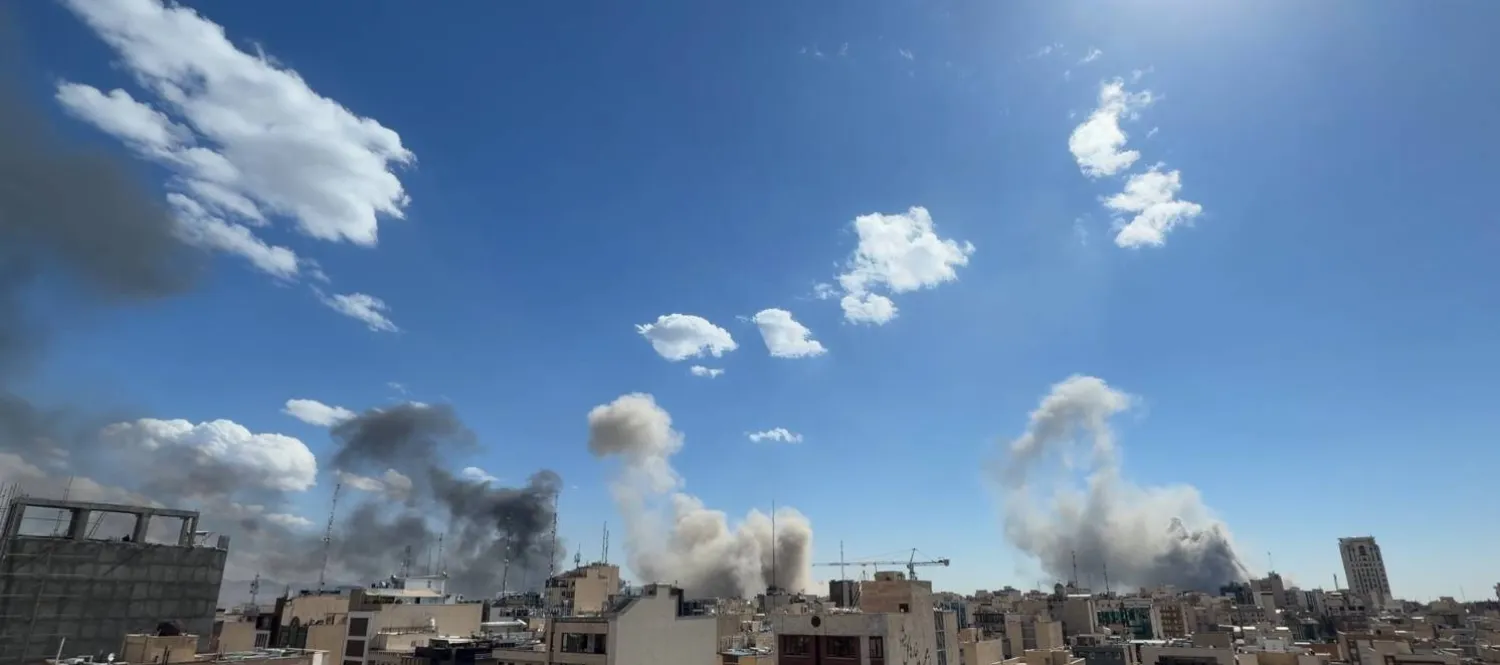
Plumes of smoke rise after a strike in Tehran, Iran, Sunday, March 1, 2026. (AP Photo)
TT

UNESCO-listed Golestan Palace in Tehran Damaged in Strikes

Plumes of smoke rise after a strike in Tehran, Iran, Sunday, March 1, 2026. (AP Photo)

Iran's UNESCO-listed Golestan Palace in Tehran has been damaged in US and Israeli strikes, local media reported Monday.

"Following the joint US-Israeli attack on Arag square in southern Tehran on Sunday evening, parts of the Golestan Palace... were damaged," the ISNA news agency reported, adding that windows, doors, and mirrors were hit by reverberations from blasts.

Iran's Mehr news agency carried a similar report.