Royal Commission for AlUla, France’s Center Pompidou Sign Cultural Cooperation Agreement

The program aims to expand cultural cooperation in preparation for the establishment of the contemporary art museum in AlUla by 2027 - SPA
TT

Royal Commission for AlUla, France’s Center Pompidou Sign Cultural Cooperation Agreement

The program aims to expand cultural cooperation in preparation for the establishment of the contemporary art museum in AlUla by 2027 - SPA

The Royal Commission for AlUla (RCU) signed a partnership program agreement with France’s Center Pompidou.
The program aims to expand cultural cooperation in preparation for the establishment of the contemporary art museum in AlUla by 2027, SPA reported.
The new executive program agreement is based on the principles of a long-term partnership, focusing on the exchange of expertise, skills transfer, and building a comprehensive cooperation strategy to enhance and preserve arts, culture, science, and heritage for mutual benefit.
The program provides an opportunity to develop cultural cooperation between the RCU and Center Pompidou, establishing a framework for priorities, new proposals, and collaborative activities in the coming years.
Through a defined technical and organizational strategy, the program enables the exchange, acquisition, lending, and exhibition of artworks and handicrafts between the RCU and the French center. It also promotes various scientific and cultural initiatives that rely on the participation of unique shared elements.
The new program complements the agreement signed between the RCU and Center Pompidou last March, which aimed to develop the contemporary art museum in AlUla over several stages, leading to its planned opening in 2027.
The RCU has made great strides in its plan to establish the new museum, including the appointment of Lina Ghotmeh as the lead architect for the museum’s design.



Saudi Heritage Commission Announces 2025 Excavation Results at Al-Serrain Archaeological Site

Saudi Heritage Commission Announces 2025 Excavation Results at Al-Serrain Archaeological Site
TT

Saudi Heritage Commission Announces 2025 Excavation Results at Al-Serrain Archaeological Site

Saudi Heritage Commission Announces 2025 Excavation Results at Al-Serrain Archaeological Site

The Saudi Heritage Commission announced on Tuesday the results of the 2025 archaeological excavation season of the Saudi-Chinese mission at the Al-Serrain archaeological site in Al-Lith Governorate, Makkah Region. The mission was part of its efforts to document and study coastal archaeological sites and deepen understanding of Islamic historical cities and ports along the Red Sea coast.

Excavation works during the season revealed architectural extensions, including documentation of residential, service, and storage units, as well as pottery kilns reflecting daily life activities.

The season documented diverse archaeological finds, including various types of pottery, ceramic incense burners, stone tools, agate beads, and glass, alongside organic materials such as shells and animal bones, reflecting the diversity of the site's inhabitants' economic and daily activities.

Among the most notable discoveries was a fragment of a Chinese ceramic jar dating to the Northern Song Dynasty (960–1127 CE), bearing remnants of a decorative seal with partially damaged, illegible Chinese script, serving as an archaeological testament to commercial contact between southern China and the Red Sea coast during the Islamic era.

The Heritage Commission underscored its commitment to ongoing excavation and study at Al-Serrain in the coming seasons, aiming to build a comprehensive scientific understanding of the site's settlement history and urban development, and to highlight its value as one of the most important historical ports on the Red Sea coast.


Ancient Mughal Tradition of Pigeon-Rearing Thrives in India’s Capital

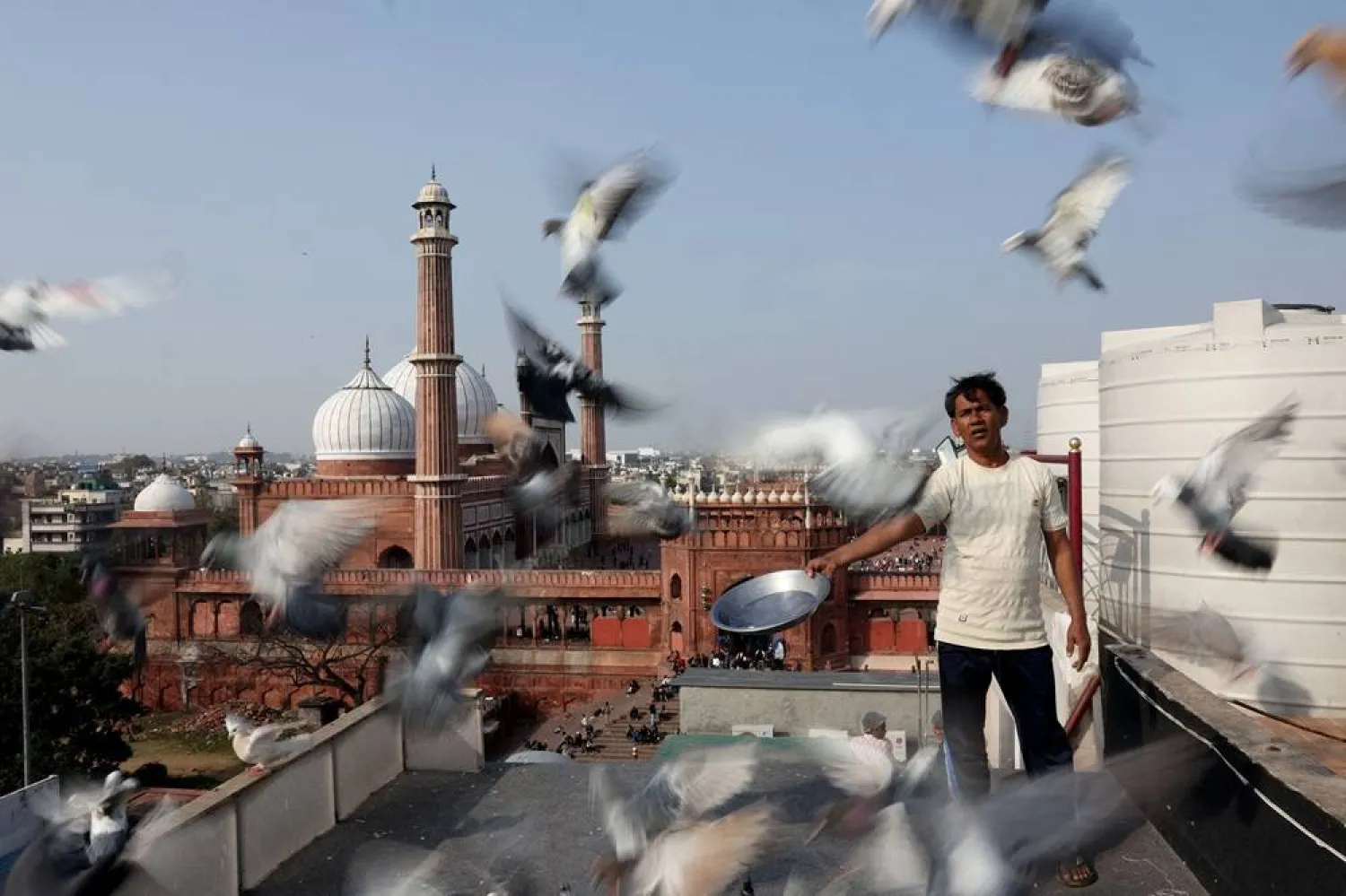
 Mohammed Rashid, alias "Rambo", a kabootarbaaz (pigeon keeper) feeds his pigeons as he trains them, on the rooftop of a restaurant in the old quarters of Delhi, India, January 24, 2026. (Reuters)
Mohammed Rashid, alias "Rambo", a kabootarbaaz (pigeon keeper) feeds his pigeons as he trains them, on the rooftop of a restaurant in the old quarters of Delhi, India, January 24, 2026. (Reuters)
TT

Ancient Mughal Tradition of Pigeon-Rearing Thrives in India’s Capital

 Mohammed Rashid, alias "Rambo", a kabootarbaaz (pigeon keeper) feeds his pigeons as he trains them, on the rooftop of a restaurant in the old quarters of Delhi, India, January 24, 2026. (Reuters)
Mohammed Rashid, alias "Rambo", a kabootarbaaz (pigeon keeper) feeds his pigeons as he trains them, on the rooftop of a restaurant in the old quarters of Delhi, India, January 24, 2026. (Reuters)

In the ‌heart of India's capital city New Delhi, a few men are practicing the ancient Mughal tradition of pigeon-rearing, training the birds to navigate long distances, as they preserve a skill passed on for generations.

Every day, among the packed lanes near the Jama Masjid, in the old part of the city and a few kilometers away from its toniest areas, Azhar Udeen, 30, gathers with his younger brother and friends at ‌his terrace, ‌letting more than 120 pigeons of various ‌breeds ⁠out of their ⁠cages.

The birds are then fed and trained to fly in different formations, and are sometimes raced, as men cheer them on.

"I saw my grandfather doing this when I was a child, and after I grew up, I watched and learned from ⁠my ustad (teacher)," Udeen told Reuters.

Kabootarbaazi, as the ‌tradition is known, comes ‌from the Hindi/Urdu word for pigeon, and was patronized by ‌the many Mughal kings who ruled in India, ‌when men kept a flock, taught them to fly in formation, and used them as messengers.

Training the birds how to fly straight against the wind and return after covering ‌a long distance takes nearly four months, and involves beating a whip against ⁠a ⁠hard surface to create loud sounds that will scare the birds into flying farther out, the trainers said.

For many, the rooftop gatherings are as important as the flying itself. Practitioners describe kabootarbaazi as a stress reliever that creates a pocket of calm and community in a crowded city.

"We sit with our friends and students, and all the tensions from our work or homes, all of it disappears and that’s what the main intention behind pigeon keeping is," Kahlifa Mohsin, another pigeon-keeper, said.


Rare 19th-Century Octagonal Quran Goes on Display at Makkah’s Holy Quran Museum

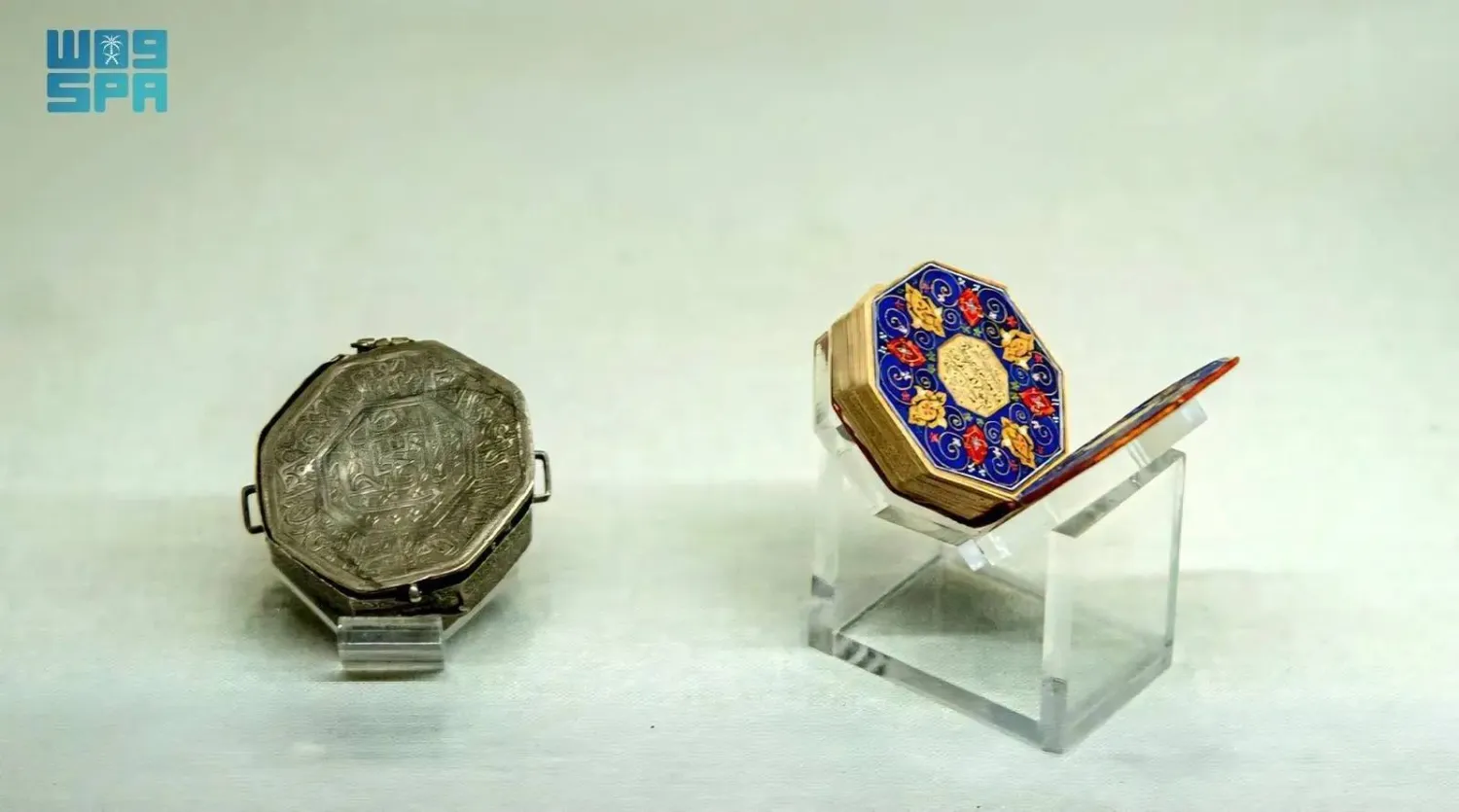
The manuscript, featuring a unique octagonal design and compact size, was written in India during the 19th century. (SPA)
TT

Rare 19th-Century Octagonal Quran Goes on Display at Makkah’s Holy Quran Museum

The manuscript, featuring a unique octagonal design and compact size, was written in India during the 19th century. (SPA)

The Holy Quran Museum in Makkah is showcasing a rare and unique historical Quran written in India during the 19th century, reported the Saudi Press Agency on Sunday.

The manuscript features a unique octagonal design and compact size, offering easy portability while reflecting a blend of practicality, artistic precision, and innovation in Quranic production.

The exhibit supports the museum’s mission to educate visitors about the history and evolution of Quranic calligraphy, while contributing to the growing cultural and tourism landscape of the Hira Cultural District and reinforcing Makkah’s global cultural significance.