Qiddiya Announces Pioneering Sports, Entertainment and Culture Stadium in Qiddiya City

Qiddiya Sign (file photo/Asharq Al-Awsat)
TT

Qiddiya Announces Pioneering Sports, Entertainment and Culture Stadium in Qiddiya City

Qiddiya Sign (file photo/Asharq Al-Awsat)

The Board of Directors of the Qiddiya Investment Company (QIC) announced the launch of the Prince Mohammed bin Salman Stadium, an iconic multi-use venue set to further enhance Qiddiya’s philosophy of the Power of Play. Upon opening, it is anticipated to host some of Saudi Arabia’s biggest sports, entertainment, and cultural events, SPA reported.
Located in Qiddiya City atop the breathtaking 200m-high Tuwaiq cliff and just 40 minutes from Riyadh, this futuristic venue is anticipated to become a must-visit destination. It aims to draw visitors from across the globe and revolutionize the traditional stadium experience with its immersive design and unique technological features, putting spectators at the center of the show, according to a press release from the company.
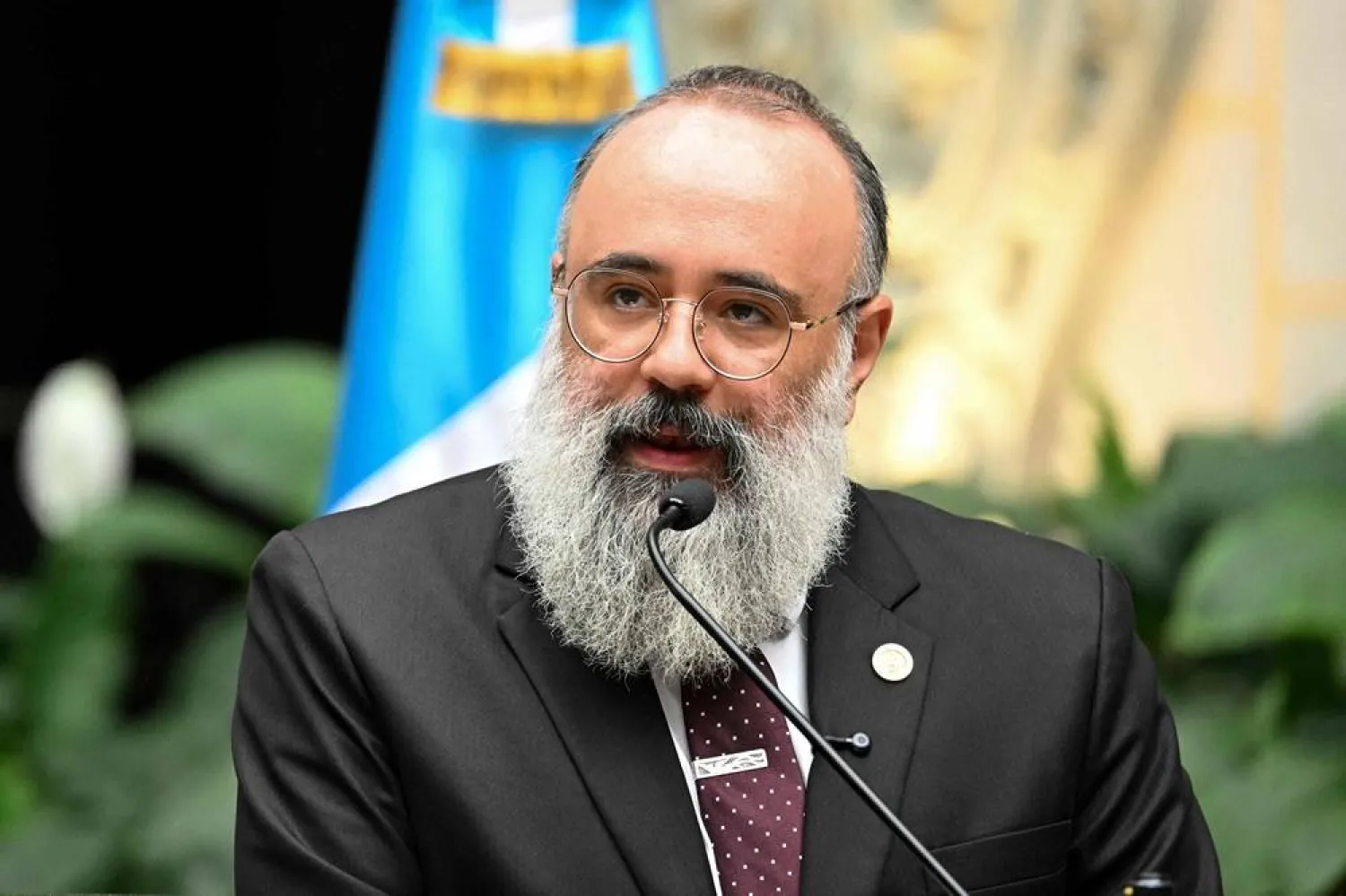
Commenting on the launch, Managing Director of Qiddiya Investment Company Abdullah bin Nasser Aldawood said: “Our ambition is for Qiddiya City to become a global destination for entertainment, sports and culture and this iconic new stadium will be at its very heart. The futuristic venue aims to reinvent the traditional stadium concept and embody the true spirit of Qiddiya’s Power of Play philosophy. It uses state-of-the-art technology and innovative, world-leading design to put the spectator at the centre of the experience”. He added, “It will become a bucket-list destination for fans and enthusiasts across the world, hosting major events from across the world of sport and entertainment.”
Designed by leading global architectural firm Populous, the stadium, according to the release, is set to be the world’s first fully integrated venue with a combined retractable roof, pitch and LED wall – an architectural innovation offering unparalleled versatility and allowing the space to transform into different ‘event modes” in a matter of hours. This LED wall will be a portal to live event broadcasts, high-definition films and laser shows, offering guests a novel, immersive experience with each visit. When not activated, it will open to reveal breathtaking views of Qiddiya City.
Guests will be able to enjoy multiple spectacles in a single day, including football, boxing, esports, concerts, and theatre performances to name a few. The stadium will employ cutting-edge technology to provide fans with instant access to live data and information including the use of state-of-the-art holographic technology, enabling virtual interactions with celebrities and stars.
As a central venue in an urban entertainment district, this uniquely versatile space promises an extended play experience with direct and convenient access to Qiddiya City’s vibrant Gaming & Esport District as well as other city entertainment options. Integrated into the city fabric through a variety of transportation choices including park ’n ride and drop-off zones, the stadium is also within direct proximity to 50,000 square meters of shopping, dining and entertainment spaces as well as hotel options.
Once open, the 45-000 seat multi-functional stadium will serve as the home ground of Saudi Pro League football clubs Al-Hilal and Al-Nassr and is one of the proposed venues for the Kingdom’s 2034 FIFA World Cup bid. It is also poised to host some of the region’s biggest sports events including the Saudi King Cup, the Asian Cup and possibly the 2034 Asian Games.
The venue will be able to host events all year-round in its climate-controlled facilities, where energy consumption will be reduced through an eco-friendly cooling lake built directly under the stadium. The lake will use rainwater capture from the stadium and the surrounding area to pre-cool the air conditioning system.
There will be an estimated 7.6 million annual visits to the stadium, playing a key role in Vision 2030’s targets for a vibrant society, a thriving economy, and an ambitious nation - driving tourism and creating jobs.
The announcement follows the Crown Prince’s recent unveiling of the transformation of Qiddiya and vision for Qiddiya City to become a global destination for entertainment, sports and culture focused on Qiddiya’s power of play philosophy.
The play concept leverages decades of research showing that play is vital for human cognitive development, emotional expression, social skills, creativity, and physical health. Studies have demonstrated the positive effects of recreational activities on society, their ability to bridge differences between individuals, and enhance levels of empathy and social cohesion.
The unveiling of the stadium follows the launch of Qiddiya City’s world first multi-use Gaming & Esports District. More announcements are due in the coming weeks.



Saudi Ambassador to Lebanon Visits Ameen Rihani Museum

Saudi Ambassador to Lebanon Fahd Al-Dosari is seen during his visit to the museum. (SPA)
TT

Saudi Ambassador to Lebanon Visits Ameen Rihani Museum

Saudi Ambassador to Lebanon Fahd Al-Dosari is seen during his visit to the museum. (SPA)

Saudi Ambassador to Lebanon Fahd Al-Dosari visited on Monday the Ameen Rihani Museum in the town of Freike in Matn District, reported the Saudi Press Agency.

The ambassador was received by members of the Rihani family, led by the museum's curator, Ameen Albert Rihani, who welcomed him and praised the historic relations between Saudi Arabia and Lebanon.

They recalled the historic meeting between King Abdulaziz bin Abdulrahman Al Saud and Lebanese writer and historian Ameen Rihani in 1922.

During the visit, Al-Dosari toured the museum's historical and literary sections and viewed the exhibition marking the centenary of the book “Rihaniyyat”.


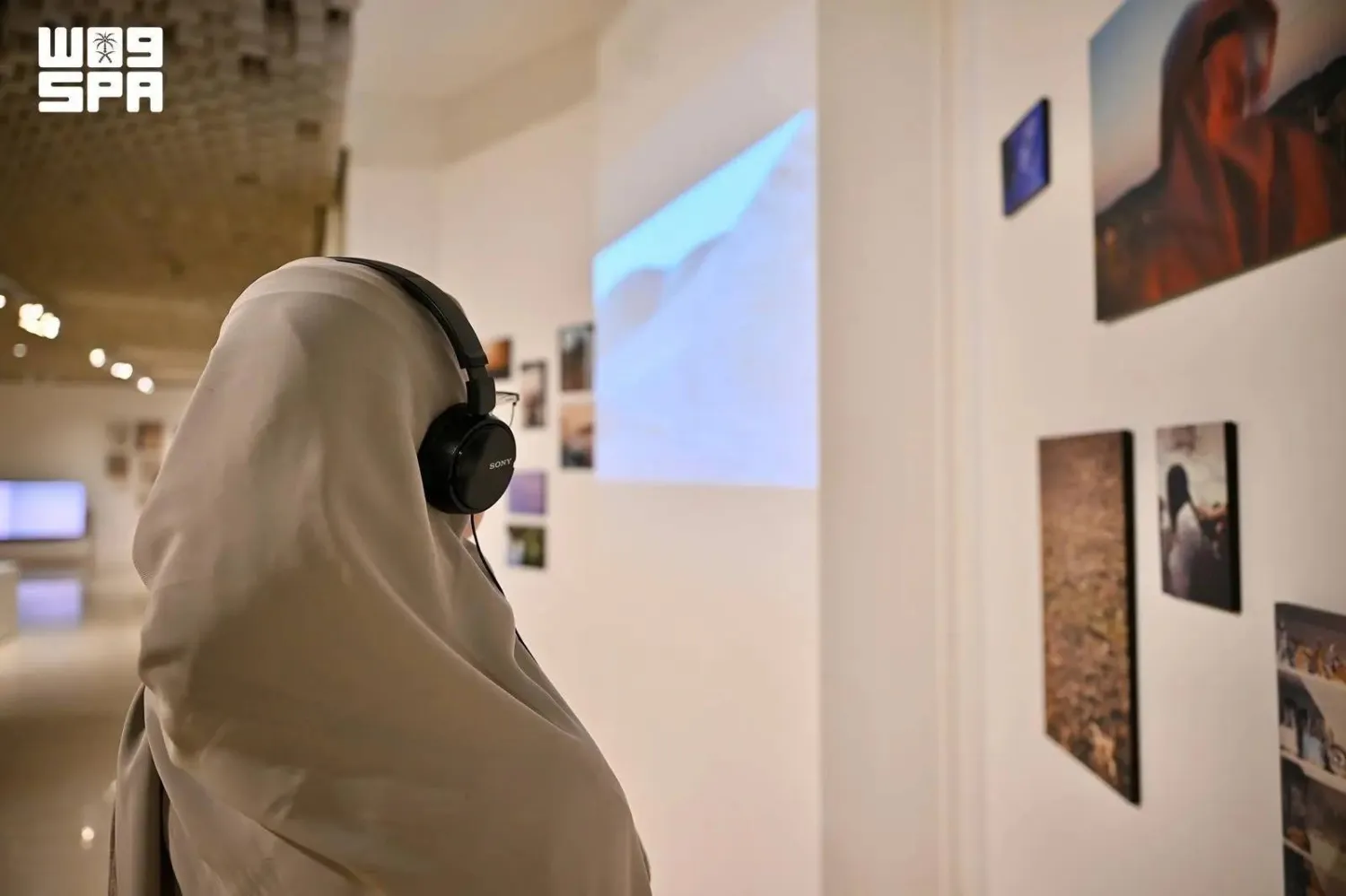
On World Camel Day, Saudi Arabia’s AlUla Celebrates Camel Heritage and Reinforces Its Cultural Identity

In Saudi Arabia, the relationship with camels extends beyond traditional heritage to form an integral part of national identity and collective memory. (SPA)
TT

On World Camel Day, Saudi Arabia’s AlUla Celebrates Camel Heritage and Reinforces Its Cultural Identity

In Saudi Arabia, the relationship with camels extends beyond traditional heritage to form an integral part of national identity and collective memory. (SPA)

World Camel Day, observed annually on June 22, serves as a global occasion to reflect on the enduring relationship between humans and camels throughout history.

The day highlights camels' economic contributions, their role in supporting food security and sustainable development, and their cultural significance, which extends beyond geographical boundaries and has made them a deeply rooted symbol in the collective memory of peoples worldwide, reported the Saudi Press Agency on Monday.

In Saudi Arabia, the relationship with camels extends beyond traditional heritage to form an integral part of national identity and collective memory. This is reflected in the significant attention devoted to the sector through specialized initiatives and events, support for camel owners, and efforts to preserve and sustain this heritage as one of the Kingdom's most prominent cultural assets.

Across AlUla, rock art and inscriptions dating back thousands of years tell the story of the close relationship between humans and camels. (SPA)

Across AlUla, rock art and inscriptions dating back thousands of years tell the story of the close relationship between humans and camels. These animals contributed to the prosperity of trade routes, facilitated mobility, and supported the stability of successive communities.

Camels remain an essential part of AlUla's heritage and a testament to the deep connection between people and their environment since ancient times.

Today, camels in AlUla are more than witnesses to history. They are an integral part of the region's cultural and sporting landscape and a key element of the tourism experience offered by the land of civilizations.

Through a contemporary vision that combines the authenticity of history with the aspirations of the future, AlUla continues to showcase this rich heritage, ensuring that camels remain among the most enduring symbols in the story of people and place across generations.


Najran Sees Growing Interest in Heritage and Archaeological Artifact Collection

These collections also include artifacts illustrating stages of the modern Saudi state, serving as educational platforms that bridge the past and present - SPA
TT

Najran Sees Growing Interest in Heritage and Archaeological Artifact Collection

These collections also include artifacts illustrating stages of the modern Saudi state, serving as educational platforms that bridge the past and present - SPA

Najran Region has witnessed growing enthusiasm among community members and heritage enthusiasts for collecting traditional and archaeological artifacts that document historical eras linked to the region’s civilization and the lives of previous generations, contributing to reconnecting society with its roots and raising awareness of the importance of preserving tangible heritage as an essential part of cultural identity.

Heritage enthusiasts play a significant role in preserving Najran’s cultural legacy by establishing private museums that display archaeological items, traditional tools, clothing, photographs, and historical collections reflecting daily life and customs, SPA reported.

These collections also include artifacts illustrating stages of the modern Saudi state, serving as educational platforms that bridge the past and present.

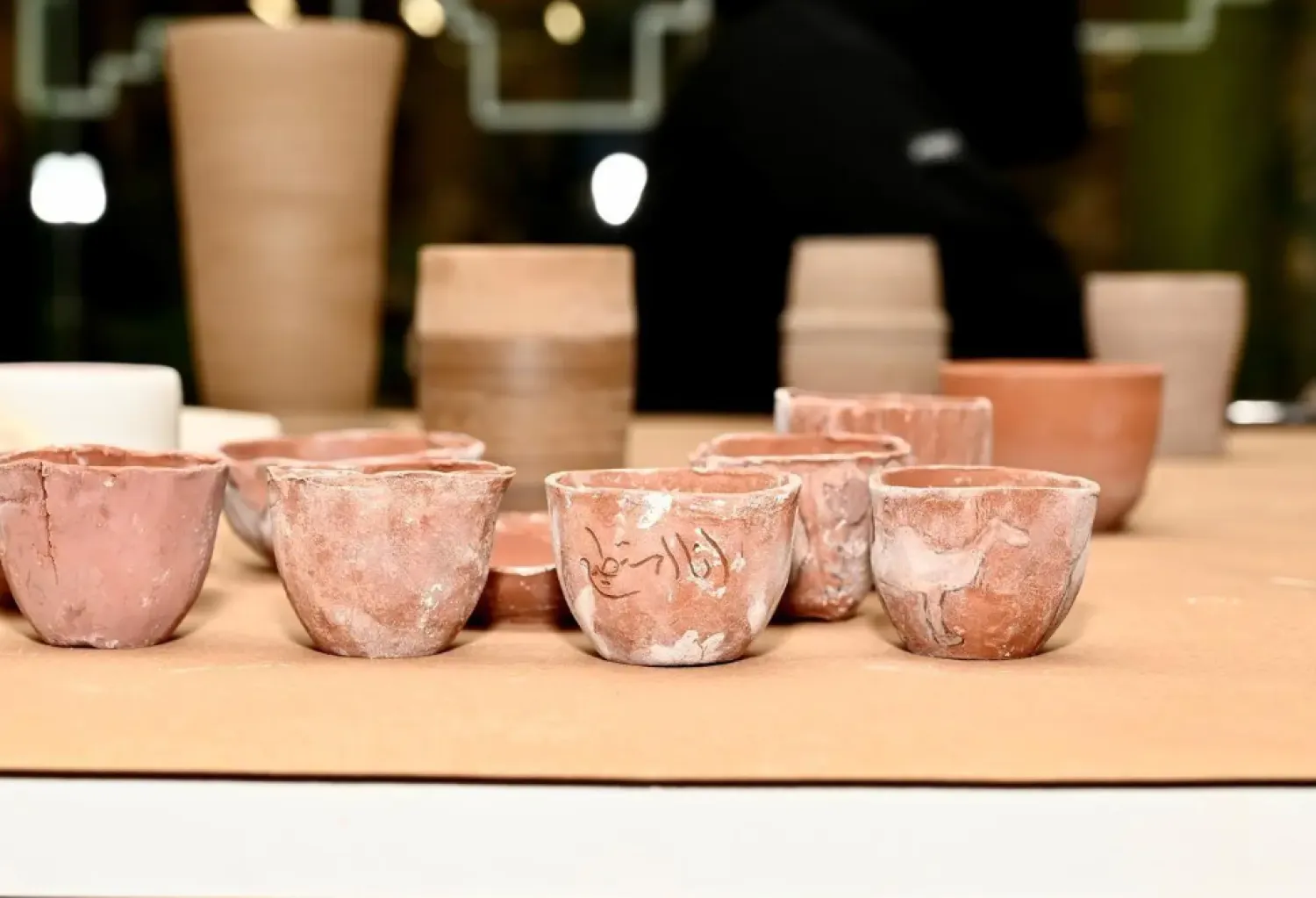
The hobby of collecting heritage items in Najran ranges from gathering everyday tools such as pottery and agricultural equipment to traditional clothing, jewelry, weapons, books, and manuscripts. Motivations vary between personal documentation, preserving family memory, and academic research aimed at understanding historical social and economic practices.

Local markets and seasonal exhibitions, along with digital platforms, have contributed to expanding this hobby, enabling knowledge exchange and increasing awareness of preservation methods and historical value. Community initiatives and workshops further support proper documentation and conservation, ensuring that this passion complements heritage preservation while adhering to scientific and legal standards.