Islamic Grand Muftis and Scholars Adopt ‘Encyclopedia of Islamic Intellectual Consensus’

The second edition of the international conference Building Bridges Between Islamic Schools of Thought and Sects was held in Makkah. SPA
TT

Islamic Grand Muftis and Scholars Adopt ‘Encyclopedia of Islamic Intellectual Consensus’

The second edition of the international conference Building Bridges Between Islamic Schools of Thought and Sects was held in Makkah. SPA

Islamic Grand Muftis, scholars, and intellectuals from across the Muslim world have adopted the Encyclopedia of Islamic Intellectual Consensus and approved the strategic and executive plan for the Document on Building Bridges Between Islamic Schools of Thought and Sects at the conclusion of the second edition of the international conference Building Bridges Between Islamic Schools of Thought and Sects, held in Makkah.
Held under the patronage of the Custodian of the Two Holy Mosques, King Salman bin Abdulaziz Al Saud, the conference gathered representatives of Islamic schools and sects from over 90 countries under the theme Towards an Effective Islamic Coalition on March 6-7.
Participants also witnessed the launch of the Encyclopedia of Islamic Intellectual Consensus, overseen by the Center for Safeguarding Intellect of the Saudi Ministry of Defense and prepared by sixty scholars. The encyclopedia was reviewed by the General Secretariat of the Council of Senior Scholars in Saudi Arabia, along with members of the Islamic Fiqh Academy and the Supreme Council of the Muslim World League, to serve as a guiding framework for inter-sectarian relations based on shared Islamic values.
The conference lauded the MWL’s efforts in redefining sectarian relations through the Document on Building Bridges, ensuring that the initiative is not merely symbolic but reinforced with practical programs and strategic partnerships aimed at fostering unity and cohesion within the Islamic world.



12th Saudi Film Festival Opens at Ithra with Broad International Participation

12th Saudi Film Festival Opens at Ithra with Broad International Participation
TT

12th Saudi Film Festival Opens at Ithra with Broad International Participation

12th Saudi Film Festival Opens at Ithra with Broad International Participation

The 12th edition of the Saudi Film Festival has opened at the King Abdulaziz Center for World Culture (Ithra), an initiative of Saudi Aramco, bringing together prominent figures from the local, regional, and international film communities, as well as filmmakers, film critics, and cinema enthusiasts from across the industry.

Organized by the Cinema Association in partnership with Ithra and supported by the Film Commission, the festival runs from June 26 to July 2, 2026, under the theme “Every Story is a Journey.” The theme celebrates filmmaking as a creative journey that begins with the spark of an idea and scriptwriting, moves through the challenges of production, and culminates in screening, where stories meet their audiences, SPA reported.

This year’s edition received 314 submissions, including 249 films and 65 production market projects. A total of 27 films were selected for the official competitions, while six films will be presented in parallel screenings, bringing the festival lineup to 50 films from more than 15 countries.

Participating films will compete for nine Golden Palm Awards across feature-length fiction, short fiction, and documentary categories, highlighting Saudi, Gulf, Arab, and international cinematic talent.

The festival program also features specialized panel discussions, masterclasses, training workshops, book-signing sessions for publications from the Saudi Cinema Encyclopedia, and the “Meet the Experts” program, which offers one-on-one mentoring sessions with professionals in production, directing, editing, film criticism, festival programming, and project development.


Red Sea Museum Showcases Centuries of Islamic Maritime Navigation Heritage

Among the museum's highlights are Qibla indicators and magnetic compasses used to determine the direction of Makkah - SPA
TT

Red Sea Museum Showcases Centuries of Islamic Maritime Navigation Heritage

Among the museum's highlights are Qibla indicators and magnetic compasses used to determine the direction of Makkah - SPA

The Red Sea Museum in Historic Jeddah showcases a rich legacy of Islamic maritime heritage through a collection of Qibla indicators, compasses, and sundials that reflect the scientific knowledge and craftsmanship behind navigational tools used by sailors, merchants, and pilgrims for centuries.

The collection includes more than 20 historical navigational instruments, some dating back over 400 years, inscribed with Quranic verses, the call to prayer (adhan), and supplications, reflecting a fusion of scientific knowledge and Islamic cultural heritage, according to SPA.

Among the museum's highlights are Qibla indicators and magnetic compasses used to determine the direction of Makkah, as well as sundials that helped calculate prayer times based on the sun's movement.

Through its exhibits, the museum preserves the legacy of Islamic navigation and highlights the Red Sea’s historic role, enriching the visitor experience and supporting efforts to enhance Historic Jeddah’s standing as a global cultural destination.


Majnad: Traditional Hunting Belt Preserves Saudi Arabia's Cultural Heritage

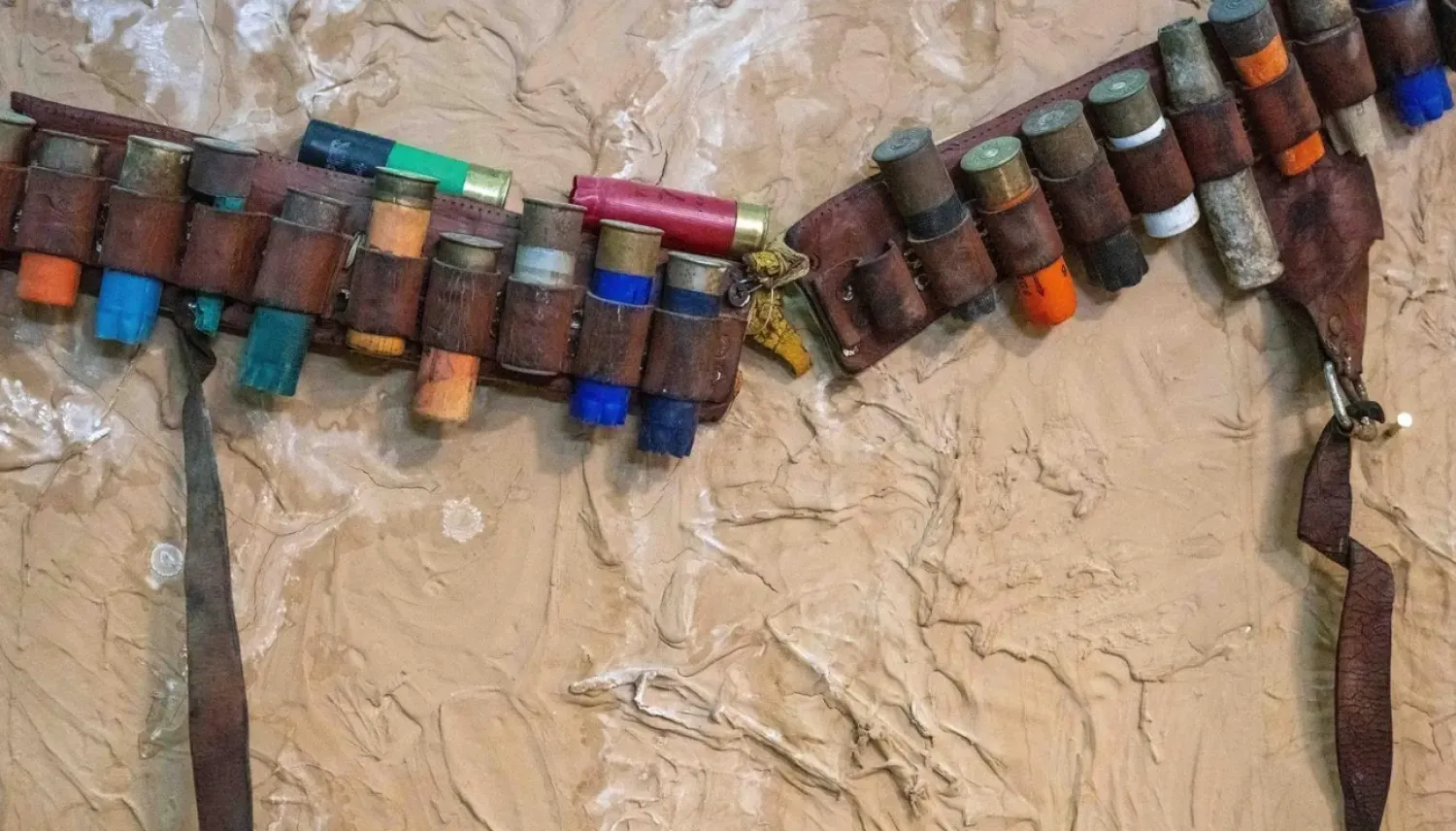
These heritage pieces showcase the exceptional craftsmanship of traditional leatherworking and illustrate the evolution of hunting equipment across successive generations - SPA
TT

Majnad: Traditional Hunting Belt Preserves Saudi Arabia's Cultural Heritage

These heritage pieces showcase the exceptional craftsmanship of traditional leatherworking and illustrate the evolution of hunting equipment across successive generations - SPA

The Majnad, also known as the traditional leather hunting belt, is a heritage item closely associated with hunting expeditions and travel in Saudi Arabia, forming part of the Kingdom’s cultural and social memory and reflecting historical ways of life as well as the equipment once crafted to meet the practical needs of traditional hunters.

The cultural heritage museum in Rafha Governorate, Northern Borders Region, houses a collection of these handcrafted leather belts, documenting an important aspect of traditional hunting practices and the lifestyles that prevailed in earlier times.

Made from durable natural leather, these belts were among the most essential accessories for hunters. They feature pockets of varying sizes for carrying ammunition and other hunting essentials, along with a chest harness that provided greater comfort and freedom of movement. Sturdy metal buckles ensured durability and reliable performance during long hunting trips, SPA reported.

These heritage pieces showcase the exceptional craftsmanship of traditional leatherworking and illustrate the evolution of hunting equipment across successive generations. Today, they stand as valuable cultural artifacts preserved by private museums and heritage enthusiasts committed to safeguarding Saudi Arabia’s rich legacy.

Private museums throughout the Kingdom continue to document and protect these rare heritage objects, helping raise public awareness of the nation’s cultural legacy, strengthen connections between younger generations and the lives of their ancestors, and preserve the Kingdom’s cultural heritage for future generations.