

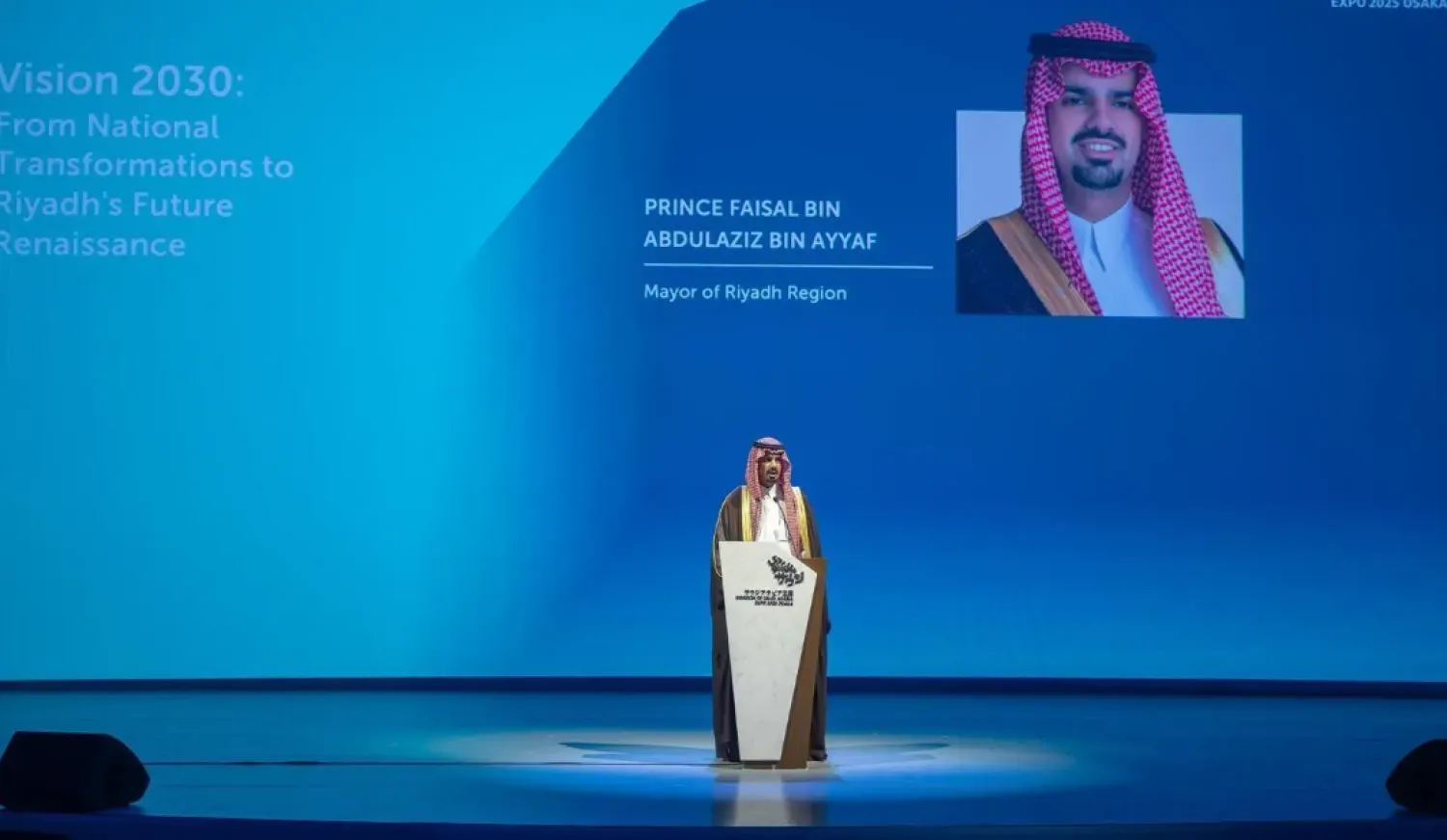

Saudi Arabia Celebrates National Day with Saudi Vision 2030 Forum at Expo 2025 Osaka

The Kingdom is participating in Expo 2025 Osaka through its pavilion, which is hosting a cultural program from September 19 to 24 to celebrate the 95th National Day - SPA
TT

Saudi Arabia Celebrates National Day with Saudi Vision 2030 Forum at Expo 2025 Osaka

The Kingdom is participating in Expo 2025 Osaka through its pavilion, which is hosting a cultural program from September 19 to 24 to celebrate the 95th National Day - SPA

Riyadh Region Mayor Prince Faisal bin Abdulaziz bin Ayyaf inaugurated the Saudi Vision 2030 Forum in Osaka, Japan, as part of celebrations marking the Kingdom’s 95th National Day at Expo 2025 Osaka.

Prince Faisal stated that Saudi Vision 2030 focuses on transformation, aiming to build a vibrant society, a thriving economy, and an ambitious nation, SPA reported.

He said the Saudi-Japan Vision 2030, launched in 2017, has begun to bear fruit, with more than 80 joint projects currently underway. These cover fields such as clean energy, digital transformation, artificial intelligence, and healthcare.

The prince expressed hope that direct investment will play a pivotal role in shaping future relations between the two countries.

The Kingdom is participating in Expo 2025 Osaka through its pavilion, which is hosting a cultural program from September 19 to 24 to celebrate the 95th National Day.

The program highlights the Kingdom’s cultural identity and historical heritage since its unification, while also showcasing its ambitious transformation journey under Saudi Vision 2030, reflecting its contributions to creating a sustainable global impact.


Saudi Ambassador to Lebanon Visits Ameen Rihani Museum

Saudi Ambassador to Lebanon Fahd Al-Dosari is seen during his visit to the museum. (SPA)
TT

Saudi Ambassador to Lebanon Visits Ameen Rihani Museum

Saudi Ambassador to Lebanon Fahd Al-Dosari is seen during his visit to the museum. (SPA)

Saudi Ambassador to Lebanon Fahd Al-Dosari visited on Monday the Ameen Rihani Museum in the town of Freike in Matn District, reported the Saudi Press Agency.

The ambassador was received by members of the Rihani family, led by the museum's curator, Ameen Albert Rihani, who welcomed him and praised the historic relations between Saudi Arabia and Lebanon.

They recalled the historic meeting between King Abdulaziz bin Abdulrahman Al Saud and Lebanese writer and historian Ameen Rihani in 1922.

During the visit, Al-Dosari toured the museum's historical and literary sections and viewed the exhibition marking the centenary of the book “Rihaniyyat”.


On World Camel Day, Saudi Arabia’s AlUla Celebrates Camel Heritage and Reinforces Its Cultural Identity

In Saudi Arabia, the relationship with camels extends beyond traditional heritage to form an integral part of national identity and collective memory. (SPA)
TT

On World Camel Day, Saudi Arabia’s AlUla Celebrates Camel Heritage and Reinforces Its Cultural Identity

In Saudi Arabia, the relationship with camels extends beyond traditional heritage to form an integral part of national identity and collective memory. (SPA)

World Camel Day, observed annually on June 22, serves as a global occasion to reflect on the enduring relationship between humans and camels throughout history.

The day highlights camels' economic contributions, their role in supporting food security and sustainable development, and their cultural significance, which extends beyond geographical boundaries and has made them a deeply rooted symbol in the collective memory of peoples worldwide, reported the Saudi Press Agency on Monday.

In Saudi Arabia, the relationship with camels extends beyond traditional heritage to form an integral part of national identity and collective memory. This is reflected in the significant attention devoted to the sector through specialized initiatives and events, support for camel owners, and efforts to preserve and sustain this heritage as one of the Kingdom's most prominent cultural assets.

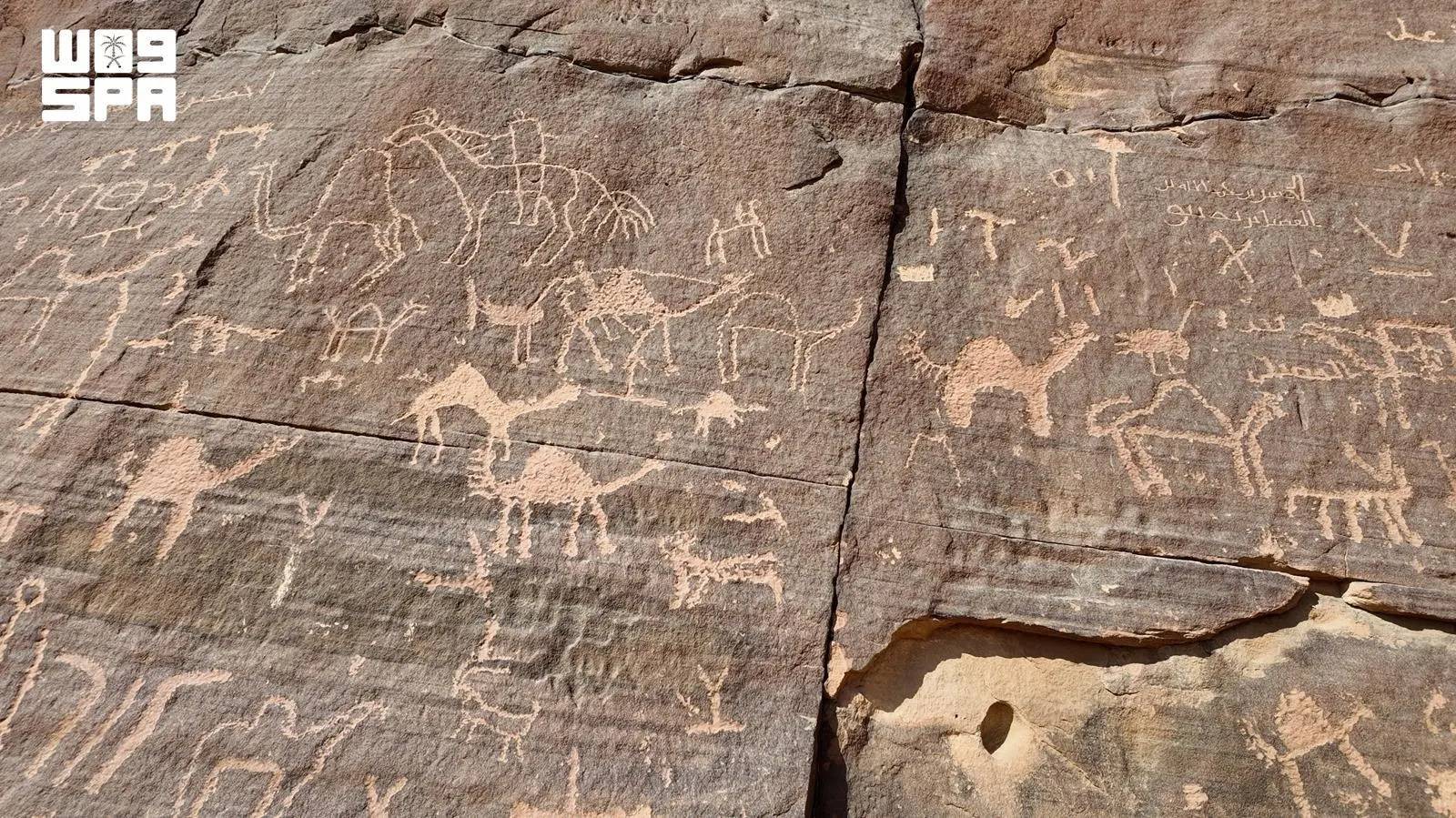
Across AlUla, rock art and inscriptions dating back thousands of years tell the story of the close relationship between humans and camels. (SPA)

Across AlUla, rock art and inscriptions dating back thousands of years tell the story of the close relationship between humans and camels. These animals contributed to the prosperity of trade routes, facilitated mobility, and supported the stability of successive communities.

Camels remain an essential part of AlUla's heritage and a testament to the deep connection between people and their environment since ancient times.

Today, camels in AlUla are more than witnesses to history. They are an integral part of the region's cultural and sporting landscape and a key element of the tourism experience offered by the land of civilizations.

Through a contemporary vision that combines the authenticity of history with the aspirations of the future, AlUla continues to showcase this rich heritage, ensuring that camels remain among the most enduring symbols in the story of people and place across generations.


Najran Sees Growing Interest in Heritage and Archaeological Artifact Collection

These collections also include artifacts illustrating stages of the modern Saudi state, serving as educational platforms that bridge the past and present - SPA
TT

Najran Sees Growing Interest in Heritage and Archaeological Artifact Collection

These collections also include artifacts illustrating stages of the modern Saudi state, serving as educational platforms that bridge the past and present - SPA

Najran Region has witnessed growing enthusiasm among community members and heritage enthusiasts for collecting traditional and archaeological artifacts that document historical eras linked to the region’s civilization and the lives of previous generations, contributing to reconnecting society with its roots and raising awareness of the importance of preserving tangible heritage as an essential part of cultural identity.

Heritage enthusiasts play a significant role in preserving Najran’s cultural legacy by establishing private museums that display archaeological items, traditional tools, clothing, photographs, and historical collections reflecting daily life and customs, SPA reported.

These collections also include artifacts illustrating stages of the modern Saudi state, serving as educational platforms that bridge the past and present.

The hobby of collecting heritage items in Najran ranges from gathering everyday tools such as pottery and agricultural equipment to traditional clothing, jewelry, weapons, books, and manuscripts. Motivations vary between personal documentation, preserving family memory, and academic research aimed at understanding historical social and economic practices.

Local markets and seasonal exhibitions, along with digital platforms, have contributed to expanding this hobby, enabling knowledge exchange and increasing awareness of preservation methods and historical value. Community initiatives and workshops further support proper documentation and conservation, ensuring that this passion complements heritage preservation while adhering to scientific and legal standards.
