
National Museum of Asian Art Director at the Smithsonian Institution Chase Robinson discussed cooperation with the Royal Commission for AlUla (RCU) to promote cultural exchange and mutual understanding between museum professionals and researchers in Saudi Arabia and the United States, while expanding global knowledge of the heritage and ancient civilizations of the northern Arabian Peninsula.
In an interview with the Saudi Press Agency, Robinson described the museum’s relationship with the Kingdom as “long-standing,” formalized through a memorandum of understanding signed in May 2025 with the RCU.
He stressed that the agreement “is built on many years of relations with the Kingdom” and reflects both institutions’ commitment to preserving cultural heritage and boosting cultural exchange between the two countries.
He noted that the agreement marks the beginning of a new chapter of constructive cooperation, highlighting the pivotal role of arts and heritage in strengthening cultural dialogue among peoples of different regions and historical backgrounds, and in making AlUla’s heritage accessible to the world, thereby supporting the objectives of Saudi Vision 2030.
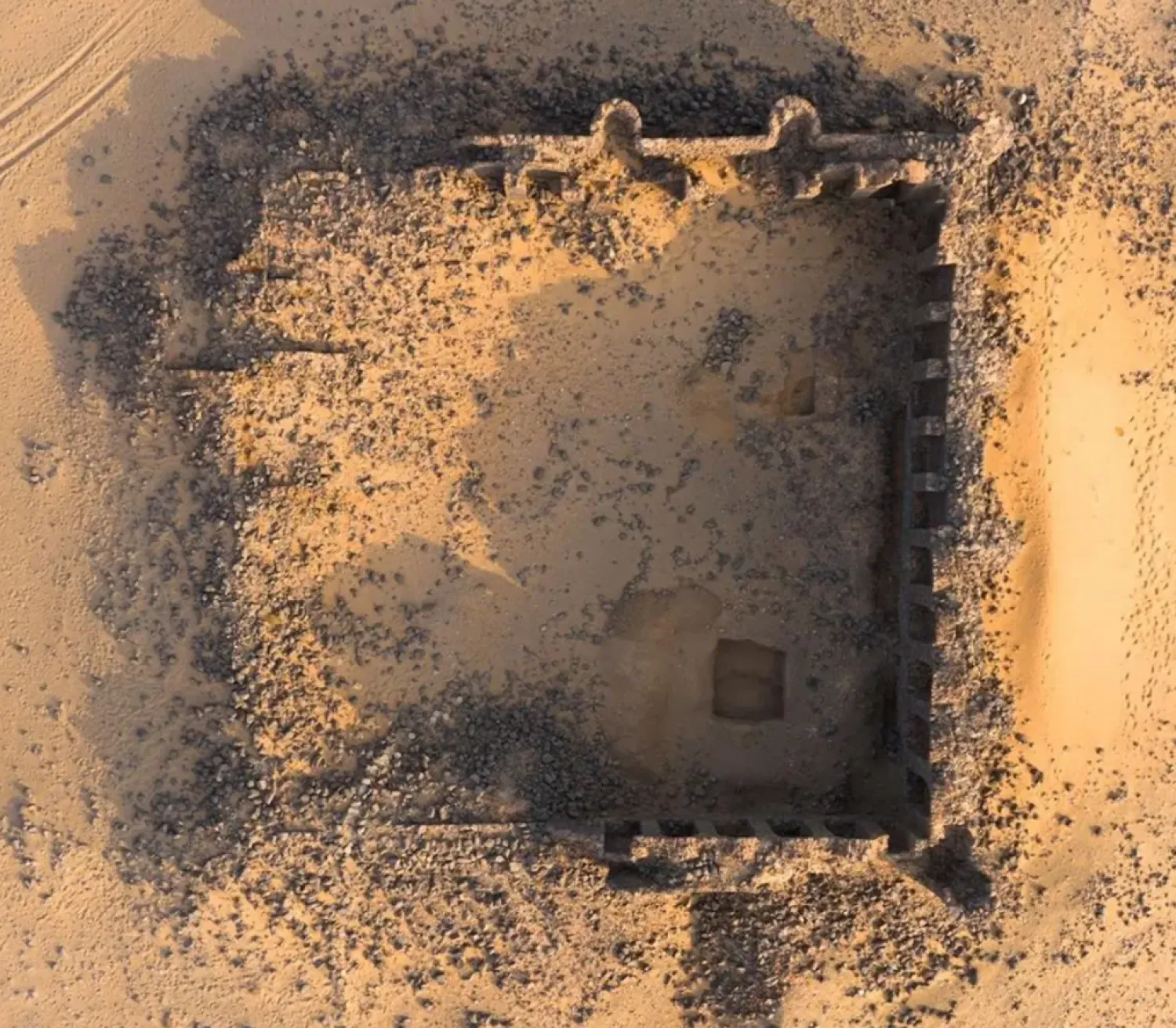
Robinson indicated that the collaboration between the museum and the RCU includes key components such as designing an exhibition centered on the recently discovered monumental statue at the archaeological site of Dadan, conducting scientific research and conservation studies on the newly discovered statue, and examining the archaeological context and historical development of the Dadan site and its connection to the city of AlUla.
He added that the project is expected to culminate in an exhibition likely to be held in 2029.
The museum, which opened in 1923 as the first national art museum in the United States and the country’s first museum dedicated to Asian art, houses collections of Islamic art from Central Asia, the Middle East, and North Africa.
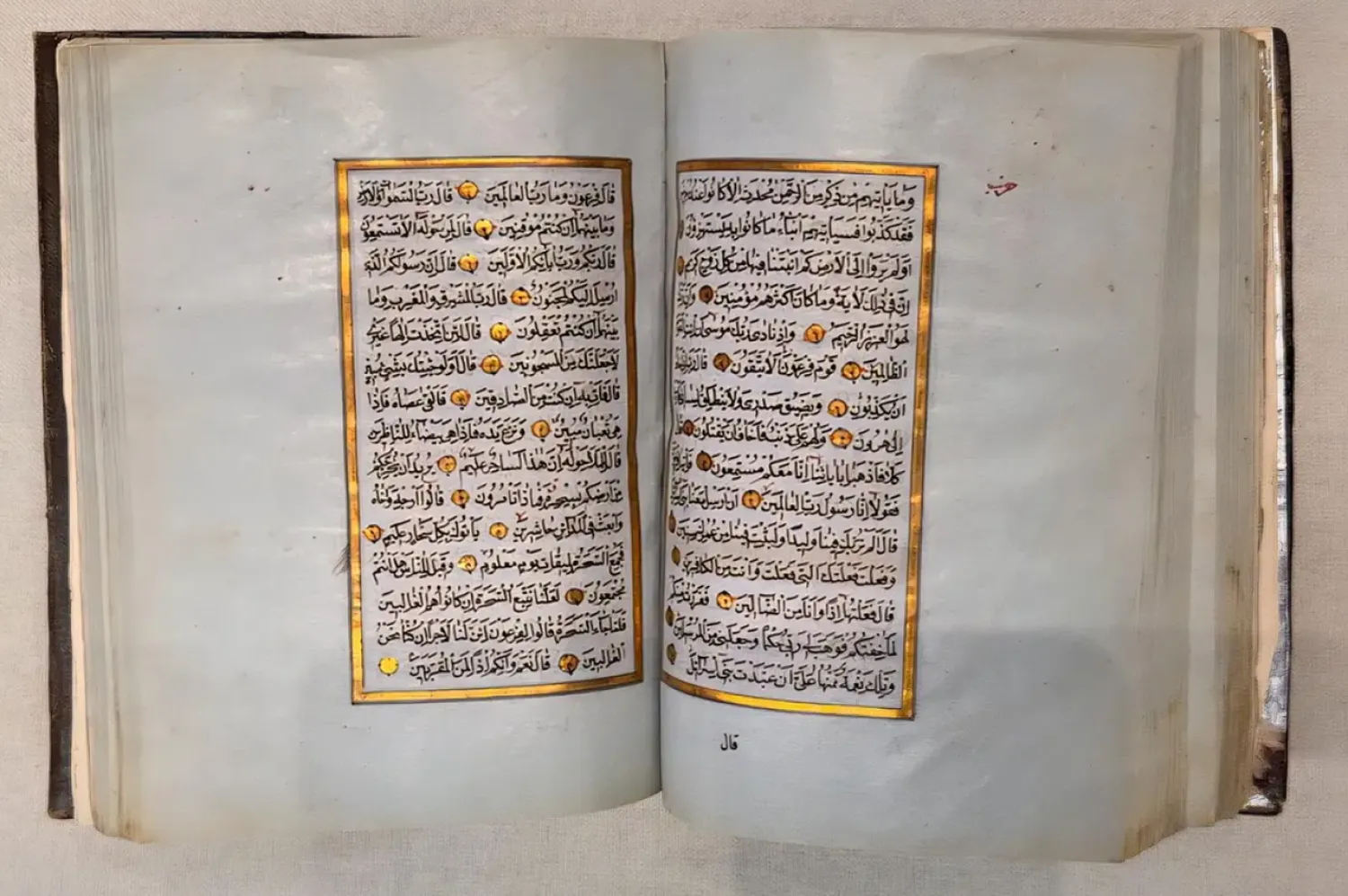
Notable recent exhibitions include “Roads of Arabia: Archaeology and History of the Kingdom of Saudi Arabia” (2012–2013) and “The Art of the Quran” (2016).