Iran Says US, Israeli Strikes Damage 120 Museums, Historic Buildings

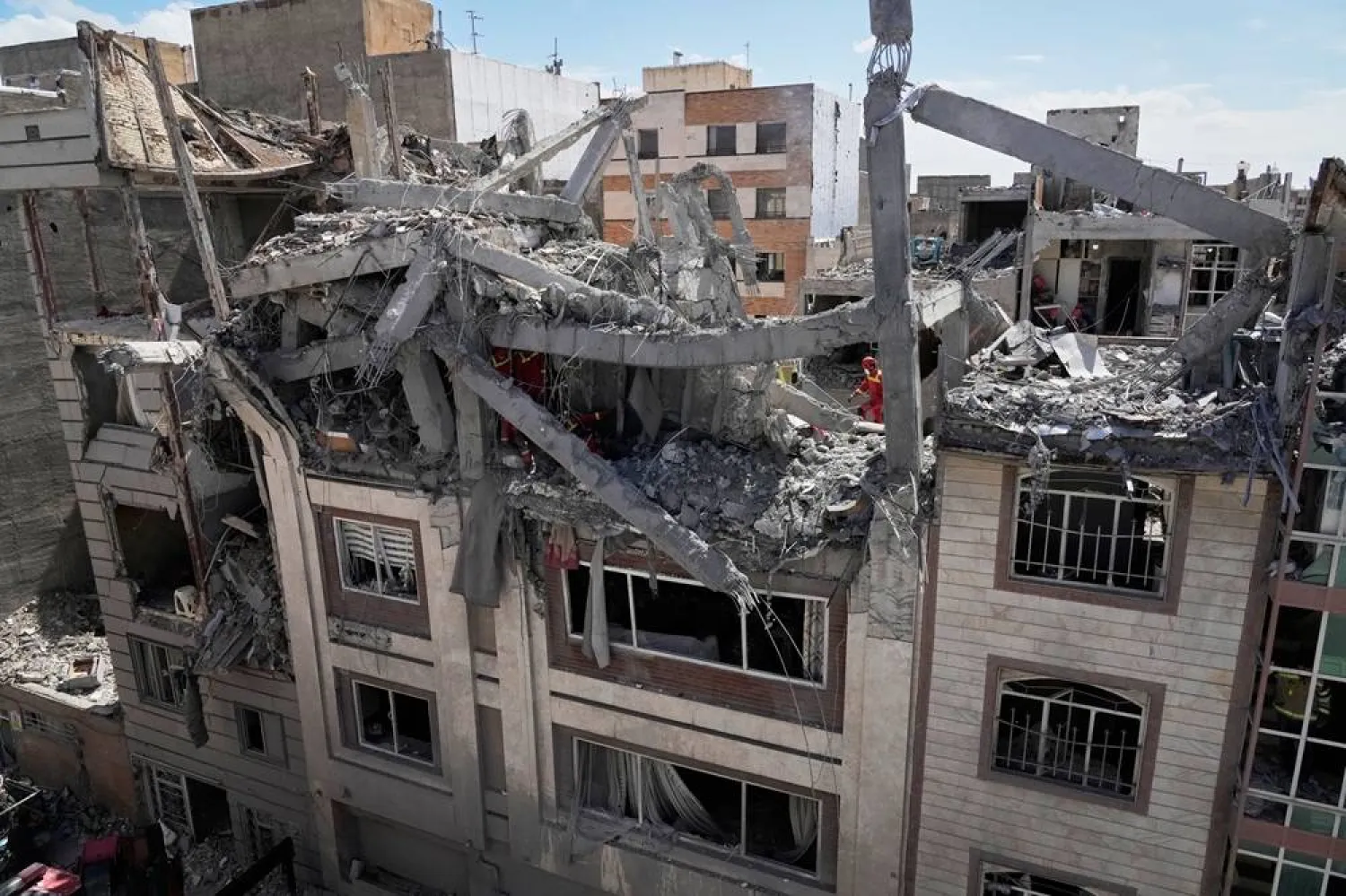
 First responders inspect a residential building hit in an earlier US-Israeli strike in Tehran, Friday, March 27, 2026. (AP)
First responders inspect a residential building hit in an earlier US-Israeli strike in Tehran, Friday, March 27, 2026. (AP)
TT

Iran Says US, Israeli Strikes Damage 120 Museums, Historic Buildings

 First responders inspect a residential building hit in an earlier US-Israeli strike in Tehran, Friday, March 27, 2026. (AP)
First responders inspect a residential building hit in an earlier US-Israeli strike in Tehran, Friday, March 27, 2026. (AP)

US and Israeli strikes on Iran have damaged at least 120 culturally or historically significant sites across the country since the start of the war, the head of Tehran city council's heritage committee said.

"At least 120 museums, historical buildings and cultural sites across various provinces were directly targeted and sustained serious structural damage," said Ahmad Alavi.

He was quoted by state TV as naming UNESCO-listed Golestan Palace -- sometimes likened to Versailles -- as well as Tehran's Marble Palace, Teymourtash house and Saadabad Palace.

One of the capital's most visited sites, the Saadabad Palace complex includes an extensive park and museums dedicated to Iranian history.

In addition to the cultural institutions, it also houses the residences of the Iranian president and governor of Tehran province, with judicial and Revolutionary Guards facilities located nearby.

The United States and Israel launched their campaign against Iran on February 28, killing its supreme leader and setting off a war that has since embroiled practically all of the Middle East.

Iran, whose history spans several millennia, possesses significant cultural heritage that has largely been spared from mass tourism.

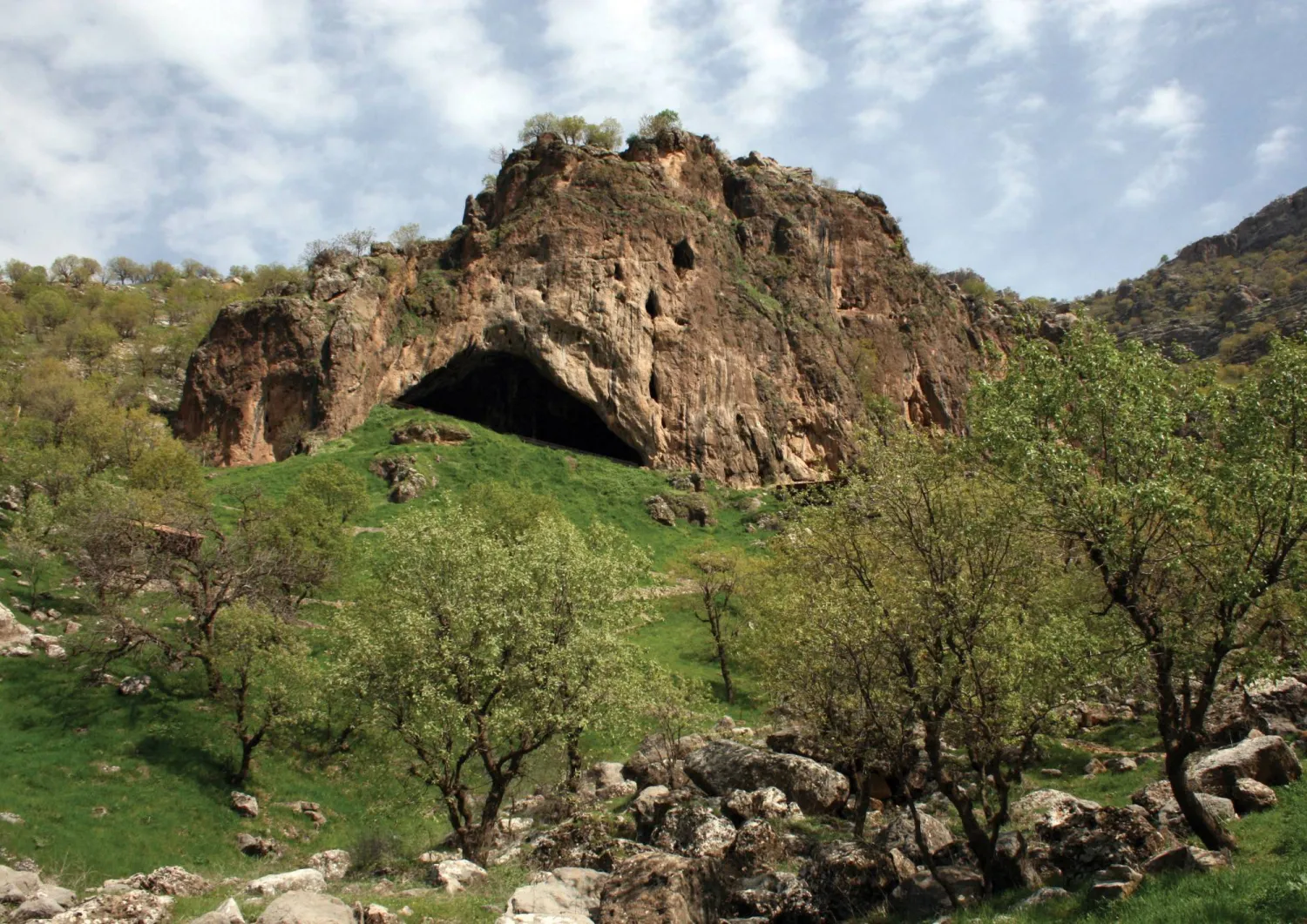
According to the UN, at least four of the country's 29 UNESCO-listed sites have been damaged in the war: Golestan Palace, Chehel Sotoun Palace in Isfahan, the Masjed-e Jame mosque in the same city, and the prehistoric sites of the Khorramabad Valley.


Private Museums in Jazan Offer a Window into the Region's Cultural Past

A number of private museum owners in Jazan stressed that these museums are no longer limited to preserving and displaying heritage collections - SPA
TT

Private Museums in Jazan Offer a Window into the Region's Cultural Past

A number of private museum owners in Jazan stressed that these museums are no longer limited to preserving and displaying heritage collections - SPA

Private museums in Jazan Region are reintroducing local memory through a contemporary cultural vision by preserving collections and artifacts documenting features of old life and bringing details of the past closer to new generations while also enhancing tourist attraction and enriching visitors’ knowledge experience.

As the world celebrates International Museum Day, observed on May 18 each year, these museums emerge as cultural spaces combining documentation and exhibition, allowing visitors to move through different eras, from daily life tools that shaped the details of old homes to collections associated with agriculture, the sea, crafts, and travel, reaching heritage artifacts and coins that reveal the depth of the relationship between humans and their environment throughout the ages, SPA reported.

A number of private museum owners in Jazan stressed that these museums are no longer limited to preserving and displaying heritage collections, but also enhance awareness of local heritage and convey details of old life to new generations through methods that are closer and more interactive. They noted that the increasing presence of heritage enthusiasts and visitors has contributed to transforming the museum into a space for learning and discovering the history of the place through its authentic collections.

With growing national interest in preserving cultural heritage and enhancing the presence of licensed museums within the cultural landscape, these destinations have become part of the tourism and knowledge movement in Jazan Region, receiving history enthusiasts, researchers, students, and visitors as windows overlooking a history that is not read in books alone, but seen in objects and collections that remained witnesses to the life of humans and place.


Rare Inscribed Marble Column Chronicles Grand Mosque Minaret's Construction

This artifact is part of the collection at the Exhibition of the Two Holy Mosques Architecture - SPA
TT

Rare Inscribed Marble Column Chronicles Grand Mosque Minaret's Construction

This artifact is part of the collection at the Exhibition of the Two Holy Mosques Architecture - SPA

The Exhibition of the Two Holy Mosques Architecture in Makkah showcases a rare marble column bearing an inscription documenting the construction of one of the Grand Mosque’s minarets in 1370 CE (772 AH).

The marble column is regarded as a historical, documentary artifact of significant value, bearing inscriptions that highlight an important phase in the construction and restoration of the Grand Mosque and revealing aspects of the evolution of its architectural elements, SPA reported.

The exhibition allows visitors to closely examine the column’s details, along with the Islamic decorations and inscriptions it features, reflecting the artistic style prevalent during that era. It also offers insight into the development of minaret architecture, which has historically been one of the most prominent features of the Grand Mosque.

This artifact is part of the collection at the Exhibition of the Two Holy Mosques Architecture, which documents the historical stages of care for the Grand Mosque and the Prophet’s Mosque through a collection of rare pieces, models, photographs, and artifacts.


Saudi Arabia’s AlUla, the World’s Largest Living Museum, Marks Int'l Museum Day

The Royal Commission for AlUla continues its efforts to protect and promote human heritage on a global scale, reinforcing AlUla’s position as a leading cultural destination. (SPA)
TT

Saudi Arabia’s AlUla, the World’s Largest Living Museum, Marks Int'l Museum Day

The Royal Commission for AlUla continues its efforts to protect and promote human heritage on a global scale, reinforcing AlUla’s position as a leading cultural destination. (SPA)

Saudi Arabia's Royal Commission for AlUla (RCU) is marking International Museum Day, observed annually on May 18, as part of its continued efforts to reinforce AlUla’s position as the world’s largest living museum and a global cultural destination that preserves a civilizational legacy spanning thousands of years, within a comprehensive development vision focused on heritage conservation and cultural and economic growth.

The occasion underscores the role played by RCU in safeguarding human heritage and preserving historical and natural sites, while strengthening AlUla’s presence on the global cultural map through the development of an integrated ecosystem of archaeological sites and cultural experiences that embody the meeting point between history and innovation.

These efforts align with the objectives of Saudi Vision 2030 to develop the cultural sector, diversify the national economy, and reinforce the Kingdom’s status as a leading global destination for culture, heritage, and tourism.

RCU is continuing its efforts to develop and preserve historical and archaeological sites in accordance with the highest international standards. At the forefront is Hegra, the first Saudi site inscribed on UNESCO’s World Heritage List, featuring monumental Nabataean tombs carved into sandstone outcrops that reflect the prosperity of the Nabataean civilization and AlUla’s historic significance along ancient caravan routes.

RCU is also working to highlight the cultural significance of Dadan, one of the oldest Arab kingdoms in northwest Arabia, through archaeological conservation programs, scientific research and development projects aimed at deepening understanding of the site’s historical legacy and enhancing accessibility for visitors and researchers alike.

RCU is continuing its efforts to develop and preserve historical and archaeological sites in accordance with the highest international standards. (SPA)

As part of its commitment to safeguarding human heritage, RCU has given special attention to Jabal Ikmah, recognized as one of UNESCO’s Memory of the World sites for its thousands of ancient inscriptions and writings documenting various aspects of social, religious and economic life in ancient civilizations, making it a living testament to the depth of AlUla’s cultural heritage.

This cultural momentum forms part of RCU’s strategy to deliver an exceptional cultural tourism experience, where archaeological landmarks integrate seamlessly with development projects, reflecting the convergence of past and present in a continuously evolving civilizational landscape.

Through its local and international partnerships, the Royal Commission for AlUla continues its efforts to protect and promote human heritage on a global scale, reinforcing AlUla’s position as a leading cultural destination that celebrates history, nature and humanity, while presenting a global model for sustainable development founded on balancing progress with the preservation of cultural heritage.