


Archaeologists at Pompeii Use AI to Reveal the Face of One of the Victims

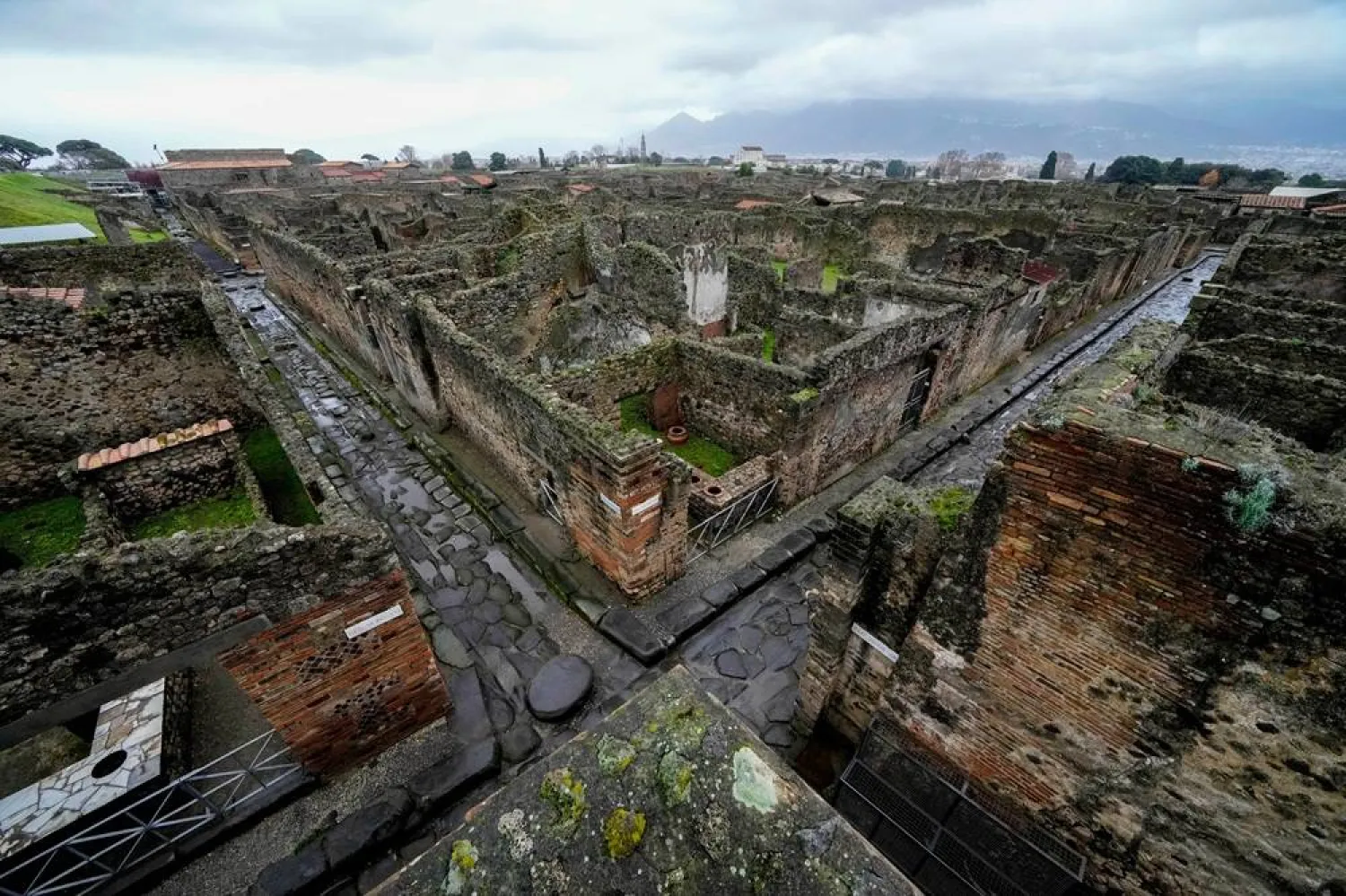
A view of the Pompeii Archeological Park, near Naples, southern Italy, on Dec. 14, 2022. (AP)
TT

Archaeologists at Pompeii Use AI to Reveal the Face of One of the Victims

A view of the Pompeii Archeological Park, near Naples, southern Italy, on Dec. 14, 2022. (AP)

Archaeologists at the ancient Roman site of Pompeii have used artificial intelligence for the first time to digitally reconstruct the face of a victim of the AD 79 eruption of Mount Vesuvius that smothered the city, offering a new way to understand one of history’s most famous natural disasters.

The digital portrait represents an older man who was among two victims discovered as they attempted to flee the city toward the coast of what is now Italy during the volcanic eruption. Researchers believe the man died earlier in the disaster, during a heavy fall of volcanic debris.

The reconstruction was developed by the Pompeii Archaeological Park in collaboration with the University of Padua and is based on archaeological survey data from excavations near the Porta Stabia necropolis, just outside the walls of the ancient city.

Pompeii, a UNESCO World Heritage site near Naples, was buried under ash and pumice when Mount Vesuvius erupted nearly 2,000 years ago, preserving the city and thousands of its inhabitants in remarkable detail.

Archaeologists found the victim holding a terracotta mortar, which they interpret as an improvised attempt to shield his head from falling lapilli, the small volcanic stones rained down during the eruption.

Ancient accounts, including those of Roman writer Pliny the Younger, describe residents using objects to protect themselves as ash and debris blanketed the city.

The man was also carrying an oil lamp, a small iron ring and 10 bronze coins, personal objects that offer insight into his final moments, as well as daily life in Pompeii before the catastrophe.

The digital portrait was created using artificial intelligence and photo-editing techniques designed to translate skeletal and archaeological data into a realistic human likeness.

“The vastness of archaeological data is now such that only with the help of artificial intelligence will we be able to adequately protect and enhance them. If used well, AI can contribute to a renewal of classical studies,” Pompeii park director Gabriel Zuchtriegel said in a statement.

The project aims to make archaeological research more accessible and emotionally engaging for the public while maintaining a scientific foundation, researchers said.



Jeddah’s House of Islamic Arts Marks International Museum Day 2026

The House of Islamic Arts in Jeddah marked International Museum Day 2026 with a special exhibition offering visitors a cultural journey into the past. (SPA)
TT

Jeddah’s House of Islamic Arts Marks International Museum Day 2026

The House of Islamic Arts in Jeddah marked International Museum Day 2026 with a special exhibition offering visitors a cultural journey into the past. (SPA)

The House of Islamic Arts in Jeddah marked International Museum Day 2026 with a special exhibition offering visitors a cultural journey into the past.

The exhibition showcased aspects of traditional life and reflected the atmosphere of old homes through rare collectibles and personal items contributed by collectors and heritage enthusiasts from within the Kingdom and abroad, the Saudi Press Agency reported on Tuesday.

Through several interactive stations, the exhibition highlighted social life inside traditional homes, featuring settings inspired by majlis gatherings, evening social events, home interiors, and offices, alongside collectibles, furniture, and memorabilia associated with daily life and social traditions of the past.

The exhibition included collectibles representing diverse cultures and artistic styles, featuring rare Arab and European pieces, vintage devices, classic furniture, paintings, antiques, and personal household items displayed by their owners as reflections of the memories of people and places.

The exhibition is part of the events celebrating International Museum Day 2026, which aim to highlight the role of museums in preserving heritage and promoting cultural dialogue through interactive experiences that connect generations with their history and shared memory.


Private Museums in Jazan Offer a Window into the Region's Cultural Past

A number of private museum owners in Jazan stressed that these museums are no longer limited to preserving and displaying heritage collections - SPA
TT

Private Museums in Jazan Offer a Window into the Region's Cultural Past

A number of private museum owners in Jazan stressed that these museums are no longer limited to preserving and displaying heritage collections - SPA

Private museums in Jazan Region are reintroducing local memory through a contemporary cultural vision by preserving collections and artifacts documenting features of old life and bringing details of the past closer to new generations while also enhancing tourist attraction and enriching visitors’ knowledge experience.

As the world celebrates International Museum Day, observed on May 18 each year, these museums emerge as cultural spaces combining documentation and exhibition, allowing visitors to move through different eras, from daily life tools that shaped the details of old homes to collections associated with agriculture, the sea, crafts, and travel, reaching heritage artifacts and coins that reveal the depth of the relationship between humans and their environment throughout the ages, SPA reported.

A number of private museum owners in Jazan stressed that these museums are no longer limited to preserving and displaying heritage collections, but also enhance awareness of local heritage and convey details of old life to new generations through methods that are closer and more interactive. They noted that the increasing presence of heritage enthusiasts and visitors has contributed to transforming the museum into a space for learning and discovering the history of the place through its authentic collections.

With growing national interest in preserving cultural heritage and enhancing the presence of licensed museums within the cultural landscape, these destinations have become part of the tourism and knowledge movement in Jazan Region, receiving history enthusiasts, researchers, students, and visitors as windows overlooking a history that is not read in books alone, but seen in objects and collections that remained witnesses to the life of humans and place.


Rare Inscribed Marble Column Chronicles Grand Mosque Minaret's Construction

This artifact is part of the collection at the Exhibition of the Two Holy Mosques Architecture - SPA
TT

Rare Inscribed Marble Column Chronicles Grand Mosque Minaret's Construction

This artifact is part of the collection at the Exhibition of the Two Holy Mosques Architecture - SPA

The Exhibition of the Two Holy Mosques Architecture in Makkah showcases a rare marble column bearing an inscription documenting the construction of one of the Grand Mosque’s minarets in 1370 CE (772 AH).

The marble column is regarded as a historical, documentary artifact of significant value, bearing inscriptions that highlight an important phase in the construction and restoration of the Grand Mosque and revealing aspects of the evolution of its architectural elements, SPA reported.

The exhibition allows visitors to closely examine the column’s details, along with the Islamic decorations and inscriptions it features, reflecting the artistic style prevalent during that era. It also offers insight into the development of minaret architecture, which has historically been one of the most prominent features of the Grand Mosque.

This artifact is part of the collection at the Exhibition of the Two Holy Mosques Architecture, which documents the historical stages of care for the Grand Mosque and the Prophet’s Mosque through a collection of rare pieces, models, photographs, and artifacts.