


Saudi Arabia’s Rafha Heritage Museum Showcases over 3,000 Rare Coins, Currencies from World Civilizations

The collection documents the evolution of civilizations. SPA
TT

Saudi Arabia’s Rafha Heritage Museum Showcases over 3,000 Rare Coins, Currencies from World Civilizations

The collection documents the evolution of civilizations. SPA

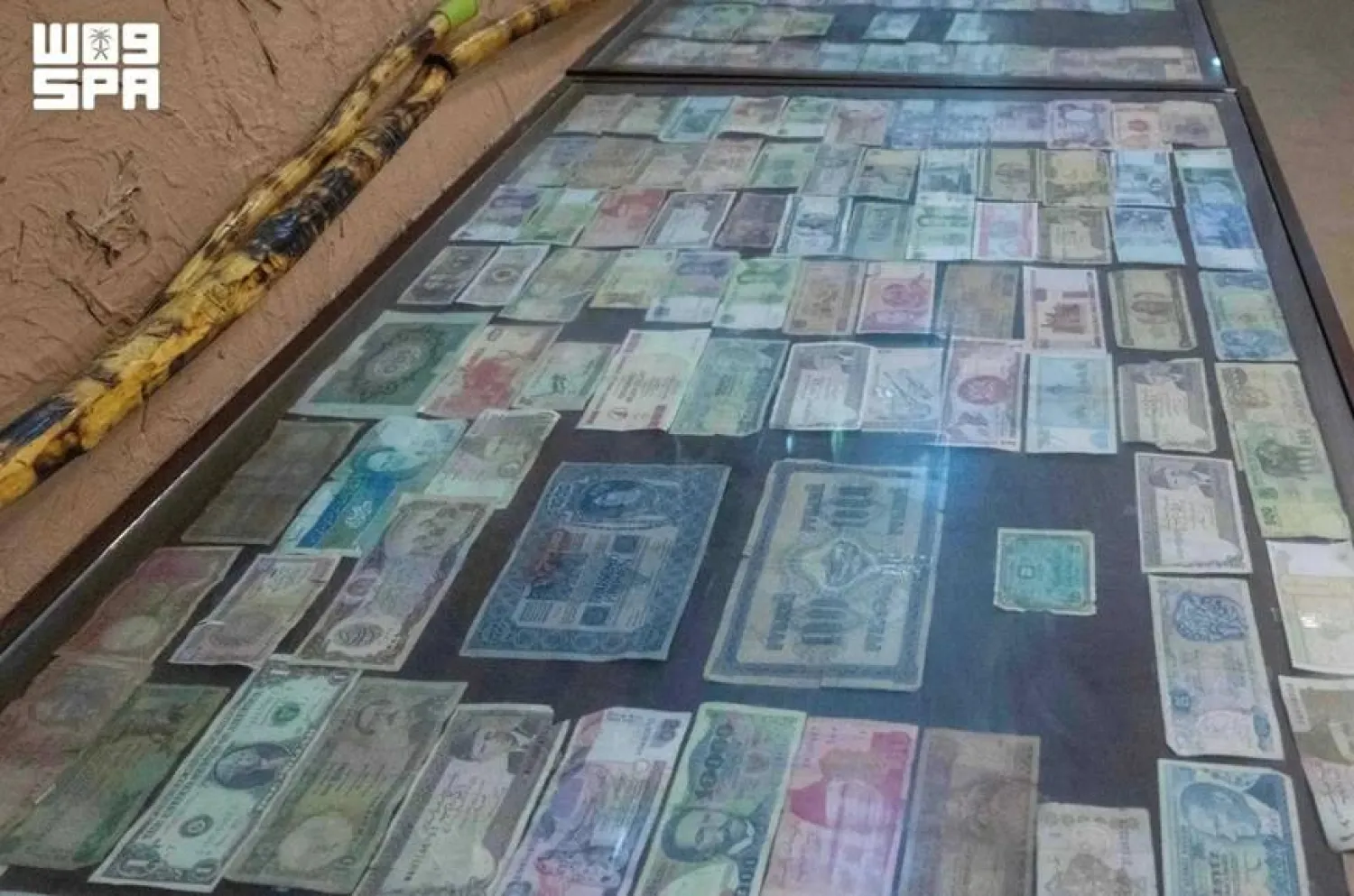
The cultural heritage museum in Rafha Governorate, licensed by the Saudi Museums Commission, houses a collection of more than 3,000 rare coins and currencies, both paper and metal, from around the world.

Spanning successive historical periods, the collection documents the evolution of civilizations and offers insight into the economic and cultural developments that have shaped societies throughout history.

During a tour of the museum, the Saudi Press Agency (SPA) observed a dedicated section featuring coins from a wide range of historical periods.

The collection includes ancient Saudi coins, as well as currency from the Umayyad, Abbasid, and Ottoman eras.

The museum welcomes visitors, heritage enthusiasts, and researchers to explore its extensive collection of coins and other historical artifacts.

Beyond preserving rare collections, heritage museums play a vital role in safeguarding national and human heritage, promoting awareness of civilizational history, and connecting generations to their cultural and historical legacy.


Syrian Culture Minister Visits Madinah Research and Studies Center

Syrian Minister of Culture Mohammed Yassin Saleh at the Madinah Research and Studies Center. (SPA)
TT

Syrian Culture Minister Visits Madinah Research and Studies Center

Syrian Minister of Culture Mohammed Yassin Saleh at the Madinah Research and Studies Center. (SPA)

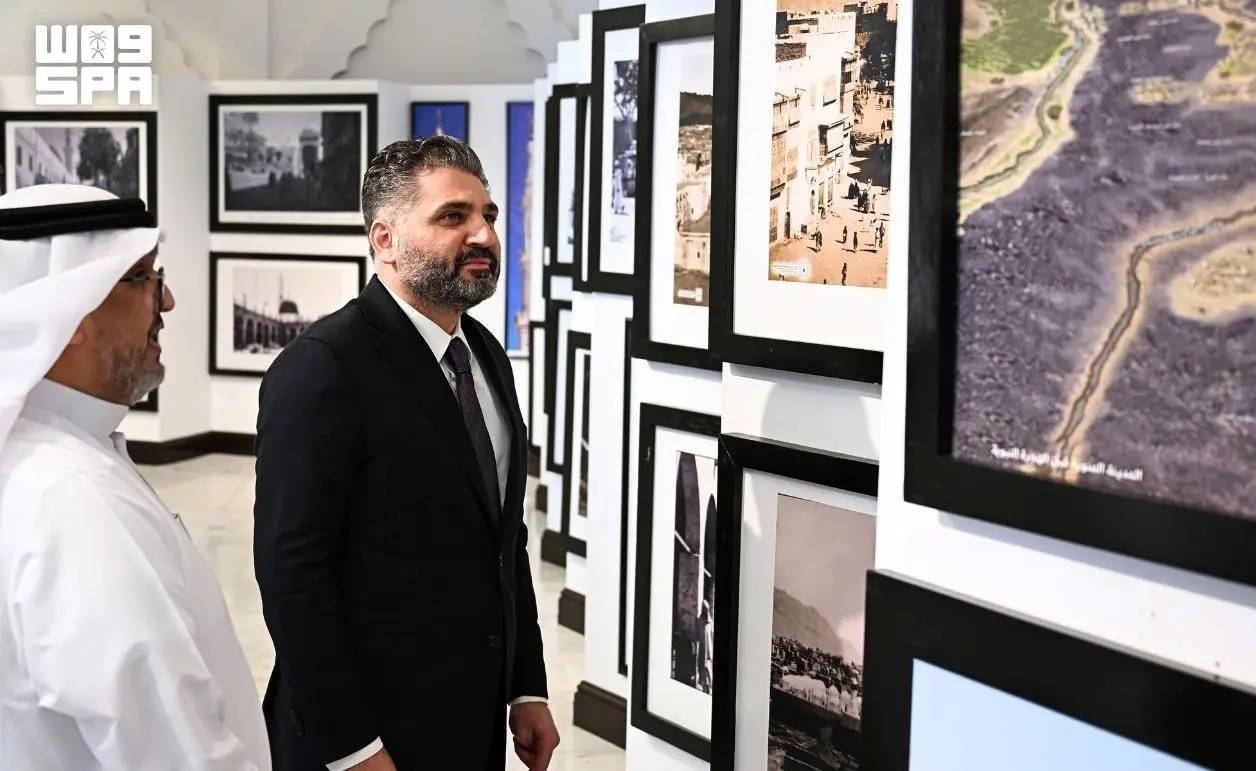
Syrian Minister of Culture Mohammed Yassin Saleh visited on Thursday the Madinah Research and Studies Center, where he reviewed the center's scientific and cultural work and projects, as well as its efforts to document the history of Madinah and preserve its heritage and civilizational legacy.

He toured the center's facilities and specialized library, reviewing its wealth of sources, references, and scholarly collections dedicated to the history, landmarks, and heritage of Madinah, as well as the knowledge and research services it provides to researchers and those interested in the city's history.

He also visited the Rare Photographs of Madinah Exhibition, where he viewed part of its collections documenting the historical and urban developments the city has undergone.

Syrian Minister of Culture Mohammed Yassin Saleh tours the Madinah Research and Studies Center. (SPA)

Saleh was briefed on the center's efforts to collect, preserve, catalog, and make available historical sources, documents, and photographs, in addition to its work in research, documentation, and scholarly publishing.

He reviewed its efforts to preserve the history of Madinah and the Two Holy Mosques, along with their historical, cultural, and civilizational heritage.

The minister praised the center's scientific and cultural role and its efforts to preserve the history and heritage of Madinah and safeguard historical sources and materials related to the Two Holy Mosques.

He commended its contributions to supporting scientific research, enriching knowledge, and preserving cultural heritage.


Saudi Coffee Celebrates Its Cultural Heritage on International Coffee Day

These efforts contribute to preserving this heritage and strengthening its economic and cultural presence - SPA
TT

Saudi Coffee Celebrates Its Cultural Heritage on International Coffee Day

These efforts contribute to preserving this heritage and strengthening its economic and cultural presence - SPA

Saudi Arabia commemorated its cultural heritage as Saudi coffee renewed its authenticity on International Coffee Day, observed worldwide on October 1 each year, reflecting customs and traditions, as well as the values of generosity and hospitality.

Saudi Arabia is among the world's highest coffee consumers, with Saudi coffee served as a cultural element symbolizing the noble values that characterize the Saudi people, including generosity and warm hospitality, according to SPA.

Coffee cultivation and production in Saudi Arabia are receiving growing attention as part of efforts to develop the agricultural sector, promote local products, support farmers, and improve production quality.

These efforts contribute to preserving this heritage and strengthening its economic and cultural presence.

They also promote coffee at events and festivals, highlighting local crops and the experiences of farmers and producers, enhancing communication between producers and consumers, and introducing Saudi coffee to younger generations as part of the cultural heritage.


Royal Institute of Traditional Arts Launches Third Edition of Wrth Camp in Aseer

The camp offers three training tracks: traditional stone building, traditional hand embroidery, and metal art - SPA
TT

Royal Institute of Traditional Arts Launches Third Edition of Wrth Camp in Aseer

The camp offers three training tracks: traditional stone building, traditional hand embroidery, and metal art - SPA

The Royal Institute of Traditional Arts (Wrth) has launched the third edition of Wrth Camp in Aseer Region, running from October 1 to 31, with the participation of 50 trainees from across the Kingdom.

The camp offers three training tracks: traditional stone building, traditional hand embroidery, and metal art.

Participants will learn the fundamentals and techniques of each craft, culminating in three collective artworks inspired by the region's architecture and heritage, and receive an accredited certificate from the institute upon completion.

This edition follows previous camps held in Madinah and Al-Ahsa, reflecting the institute's commitment to diversifying locations across the Kingdom and strengthening trainees' connection to each region's cultural identity.

Founded in 2021, Wrth qualifies national cadres in traditional arts, supporting the sustainability and preservation of Saudi cultural heritage.
