


AI-Powered Cultural Programs to Transform Saudi Arabia’s Creative Sector

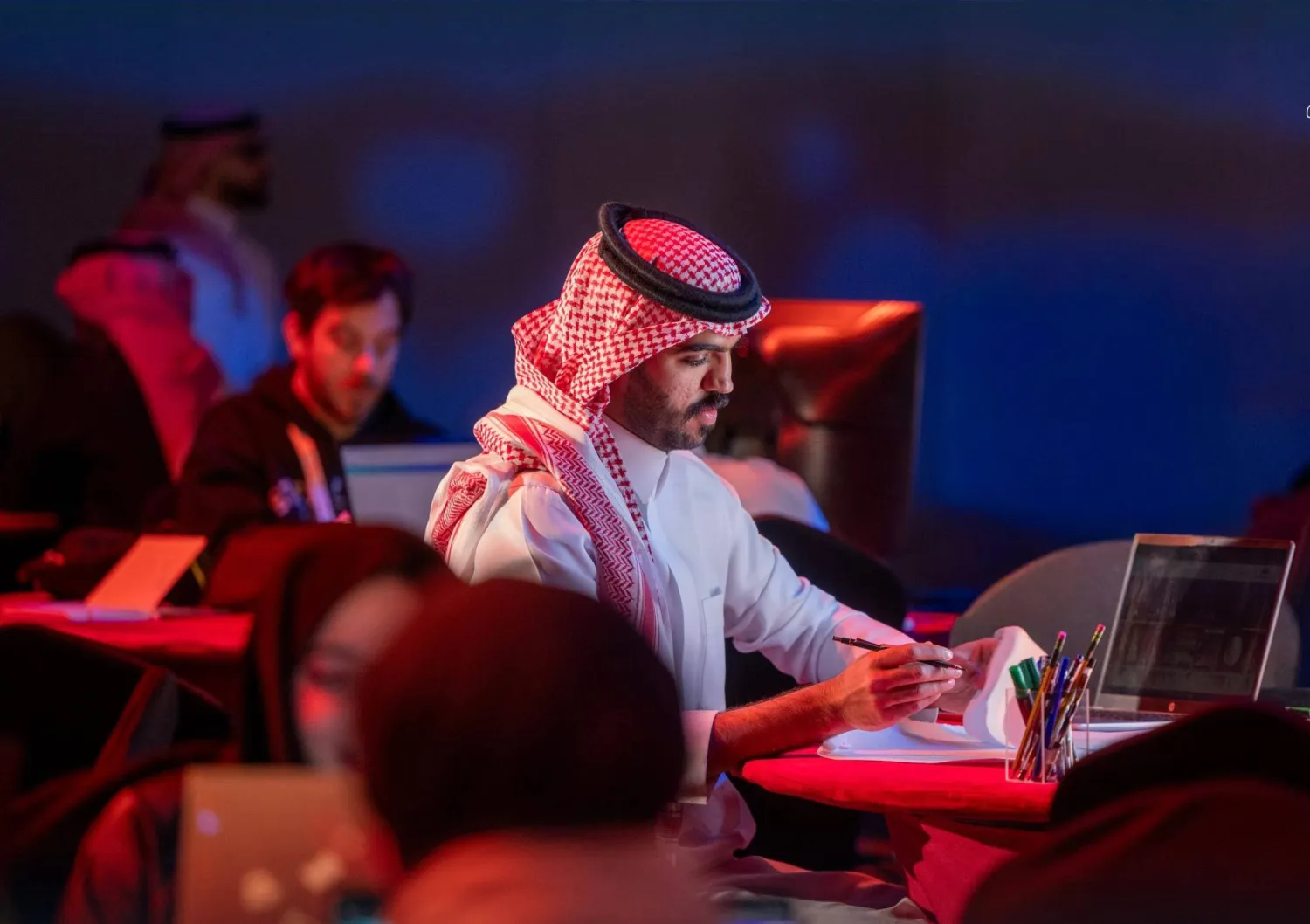
The Ministry of Culture and the Cultural Development Fund signed a memorandum of understanding with SDAIA to explore joint AI programs serving the cultural sector. Photo: Ministry of Culture
TT

AI-Powered Cultural Programs to Transform Saudi Arabia’s Creative Sector

The Ministry of Culture and the Cultural Development Fund signed a memorandum of understanding with SDAIA to explore joint AI programs serving the cultural sector. Photo: Ministry of Culture

Saudi Arabia is preparing to launch a new generation of AI-powered cultural initiatives aimed at reshaping innovation, boosting the efficiency of creative institutions, and helping Saudi artists expand their presence at home and abroad.

On Monday, the Ministry of Culture and the Cultural Development Fund signed a trilateral memorandum of understanding with the Saudi Data and AI Authority (SDAIA) to explore joint AI programs serving the cultural sector, creators, and cultural enterprises.

The move reflects a broader national drive to accelerate the adoption of advanced technologies across the cultural economy as the Kingdom prepares to designate 2026 the Year of Artificial Intelligence.

Building an Enabling Ecosystem

Raed bin Khalil Al Eid, a cultural innovation adviser and founder of the Cultural Management Platform, said the agreement reflects growing recognition of AI’s role in the future of culture.

Although the initiative comes some time after the launch of the Year of AI, he said the delay should not prevent institutions and practitioners from benefiting from the programs expected to emerge.

What matters most, he added, is effective implementation that translates the memorandum into projects with tangible impact.

Al Eid cited a specialized study by the Cultural Management Platform that documented AI applications across all 16 cultural sectors officially recognized in Saudi Arabia, including heritage, museums, libraries, literature, publishing, translation, music, theater, film, architecture, fashion, and culinary arts.

The findings showed that AI has become an enabling technology applicable across the entire cultural ecosystem rather than a tool limited to a single discipline, broadening investment opportunities and making its adoption in Saudi Arabia increasingly practical.

He argued that the Ministry of Culture’s primary role at this stage is to create an enabling environment for AI by establishing policies, regulations, professional standards, and governance frameworks covering intellectual property, data, and ethics.

This, he said, would allow private companies, nonprofit organizations, and community initiatives to develop AI solutions with confidence.

Culture in the Year of AI

Al Eid said cultural innovation is no longer optional but essential as audiences, cultural consumption habits, generational interests, and regional priorities continue to evolve.

He emphasized that coupled with AI, cultural innovation can do more than improve efficiency: it can broaden culture’s reach, engage new audiences, and create more diverse, interactive, and sustainable cultural experiences.

Saudi Arabia’s cultural sector is already undergoing a rapid digital transformation, with further momentum expected as the Kingdom marks 2026 as the Year of Artificial Intelligence. The Ministry of Culture and its affiliated commissions have launched competitions and hackathons to attract innovators and encourage the development of AI applications across the cultural sector.

For Saudi artists and cultural professionals, the initiative is expected to open new opportunities to combine human creativity with advanced AI capabilities across a wide range of creative fields.


Saudi Arabia's King Abdulaziz Foundation Showcases Publications at Moscow Book Fair

King Abdulaziz Foundation (Darah) logo
TT

Saudi Arabia's King Abdulaziz Foundation Showcases Publications at Moscow Book Fair

King Abdulaziz Foundation (Darah) logo

The King Abdulaziz Foundation (Darah) is participating in the Moscow International Book Fair 2026, which began Wednesday in the Russian capital, as part of the Saudi pavilion.

Darah has a dedicated section featuring its publications and scientific and cultural projects, highlighting its efforts to promote the Kingdom's history, heritage, and culture.

The section also provides an opportunity to connect with academics, researchers, and others interested in historical and cultural affairs from various countries.

The section has attracted visitors interested in the Kingdom's history, heritage, and culture, as well as Darah's specialized publications on history, studies, sources, and cultural heritage.

Darah's participation reflects its efforts to promote the Kingdom's history, heritage, and culture internationally and strengthen its presence at cultural events. It also helps build connections with researchers and others interested in Saudi history and culture.


Saudi Coffee Utensils Reflect a Rich Heritage of Hospitality

The dallah, a traditional coffee pot used to serve coffee, is one of the most prominent symbols of Arab hospitality - SPA
TT

Saudi Coffee Utensils Reflect a Rich Heritage of Hospitality

The dallah, a traditional coffee pot used to serve coffee, is one of the most prominent symbols of Arab hospitality - SPA

Saudi coffee utensils form an integral set of tools associated with the various stages of coffee preparation and serving, from roasting the beans in the mehmasah, cooling them in the mibrada, and pounding them in the najr to boiling and serving the coffee in the dallah.

According to SPA, the mehmasah, traditionally made from iron or copper, is a utensil used to roast coffee beans over a fire or hot embers, while the mibrada is used to cool the roasted beans and prepare them for the next stage, and was traditionally made from local wood in various shapes and sizes.

The najr is used to pound and grind the roasted coffee beans, as well as cardamom and other ingredients. Its rhythmic sound has traditionally been associated with welcoming guests and signaling that coffee is being prepared in the gathering place.

The dallah, a traditional coffee pot used to serve coffee, is one of the most prominent symbols of Arab hospitality, and a strainer is used to remove coffee grounds and spices before serving.

Today, these utensils remain an important part of the tangible heritage of Saudi coffee, reflecting the craftsmanship of artisans who created practical tools for everyday use.


Red Sea Museum Concludes Six-Month 'Sunken Treasures' Exhibition

The galleries showcased underwater archaeological discoveries and Saudi Arabia's ongoing efforts to protect and document submerged cultural assets - SPA
TT

Red Sea Museum Concludes Six-Month 'Sunken Treasures' Exhibition

The galleries showcased underwater archaeological discoveries and Saudi Arabia's ongoing efforts to protect and document submerged cultural assets - SPA

The "Sunken Treasures: The Maritime Heritage of the Red Sea" exhibition concluded its six-month run at the Red Sea Museum in Historic Jeddah, offering visitors an educational journey into centuries of maritime trade, navigation, and pilgrimage.

Housed at the historic Bab Al-Bunt building since February 25, the exhibition highlighted the Red Sea's historical role as a vital trade artery connecting the Arabian Peninsula with the Mediterranean, Africa, and Asia.

Structured across four thematic zones, the galleries showcased underwater archaeological discoveries and Saudi Arabia's ongoing efforts to protect and document submerged cultural assets, SPA reported.

Among the exhibition's centerpiece displays was the 18th-century Umluj shipwreck, discovered submerged 20 to 22 meters deep amid coral reefs. Its recovered cargo—including commercial containers, pottery, coins, ceramics, and daily shipboard tools alongside antique navigational instruments and nautical maps—illustrated the vibrant human exchange that traversed regional waters.

Organized in collaboration with the Heritage Commission and the Historic Jeddah Program, the exhibition was also part of the summer season's cultural offerings, combining interactive public programming with scientific research to bolster cultural tourism and raise awareness of the Kingdom's underwater heritage.
