Huge Van Gogh Collection Reunited for First Time Since 1984

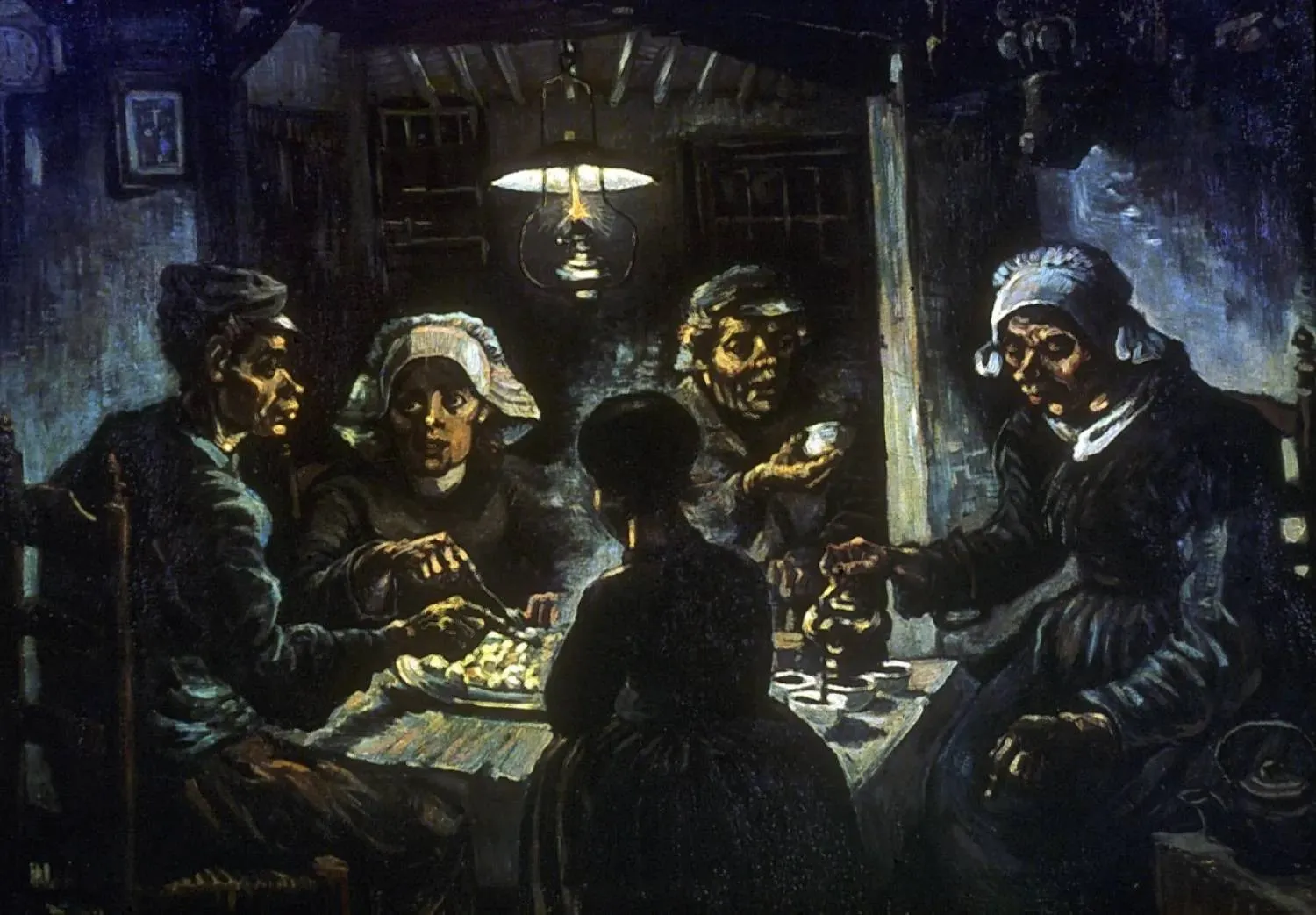
Vincent Van Gogh's "The Potato Eaters." (Getty Images)
TT

Huge Van Gogh Collection Reunited for First Time Since 1984

Vincent Van Gogh's "The Potato Eaters." (Getty Images)

A Dutch museum Tuesday put its entire collection of 88 paintings by Vincent Van Gogh on display for the first time since 1984, featuring masterpieces such as "The Potato Eaters".

The Kroller-Muller museum in central Netherlands holds one of the world's largest private collection of paintings by the 19th century Dutch master, but they are rarely displayed together.

"This makes it one of the largest Van Gogh exhibitions of this century," the museum said in a statement, with the display opening to the public from Tuesday until January.

Alongside "The Potato Eaters", the artist's world-famous depiction of peasant life from 1885, the collection includes "Terrace of a Cafe at Night" (1888) and "The Old Tower at Neunen" (1884).

"The exhibition presents all the paintings in relation to the three divine virtues: faith, hope and love," said the museum.

"These three themes play a central role in Van Gogh's life and work. Through his art, he aims to offer hope and comfort to others."

The post-Impressionist painter is among the most celebrated and prolific artists in history, creating around 900 paintings over a short career.

He produced many of his best-known works during his time in France, where he painted masterpieces, including the famous "Sunflowers" series and a number of well-known self-portraits.

The artist died in 1890 at the age of 37, two days after shooting himself in the chest following well-documented mental health struggles.

Most of the works acquired in Tuesday's exhibition, entitled "Van Gogh, All Our Paintings", were acquired by the museum's founder Helene Kroller-Muller between 1908 and 1930.
European Film Festival Returns to Riyadh for Fifth Edition with 16 Films

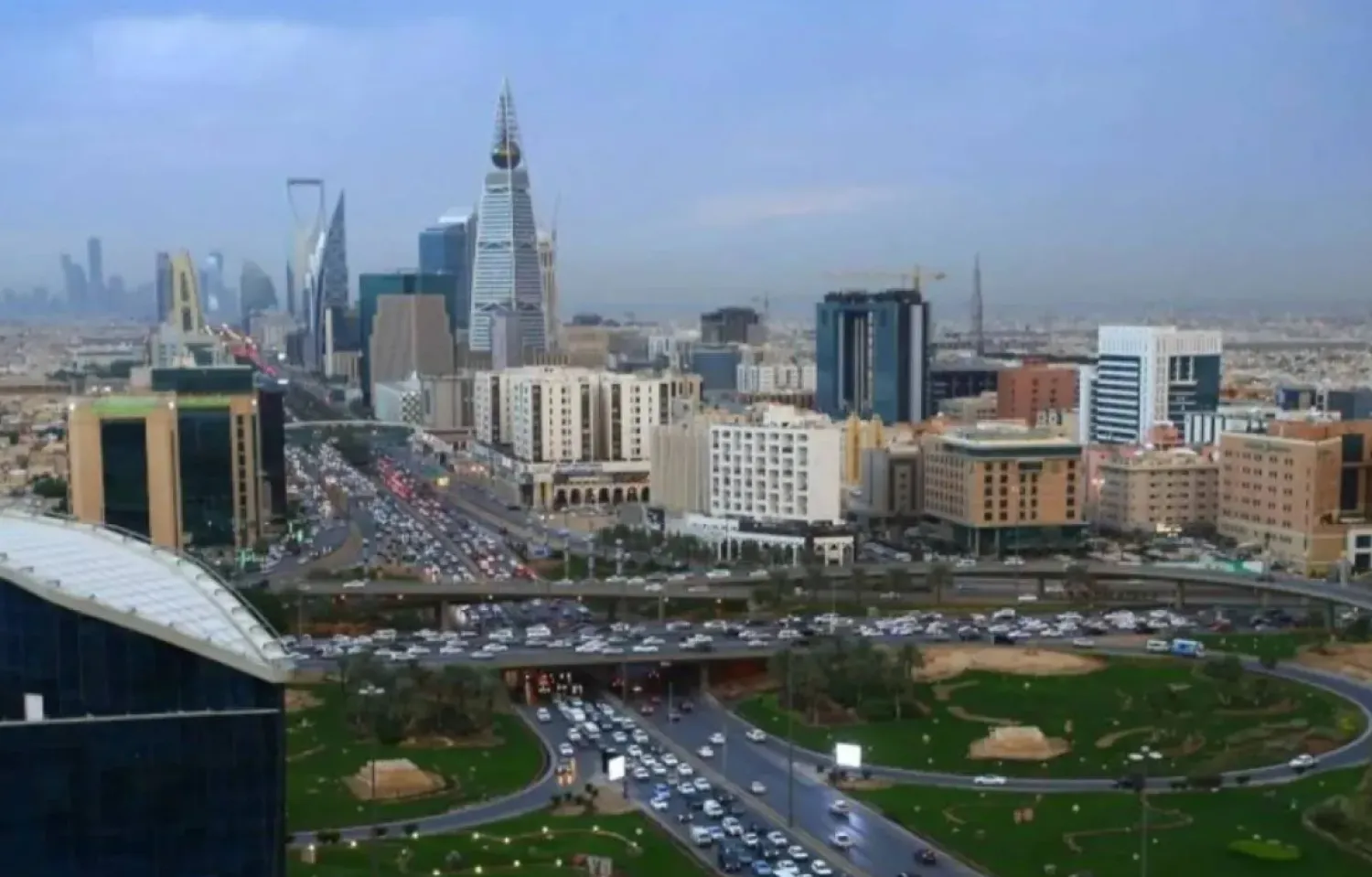
File photo of the Saudi capital Riyadh - File/AAWSAT
TT

European Film Festival Returns to Riyadh for Fifth Edition with 16 Films

File photo of the Saudi capital Riyadh - File/AAWSAT

The Delegation of the European Union to Saudi Arabia, in collaboration with the embassies of its member states and with the support of the Film Commission, has announced the fifth edition of the European Film Festival in Riyadh, featuring 16 films from 16 European countries, SPA reported.

The festival will begin on November 2, with public screenings running from November 3 to 10, building on the success of its four previous editions.

The program includes a diverse selection of cinematic works reflecting the variety of European film schools and traditions. All films will be presented with Arabic and English subtitles.


‘Rashrash’: A Silver Necklace Reflecting Jazan’s Traditional Women’s Jewelry Heritage

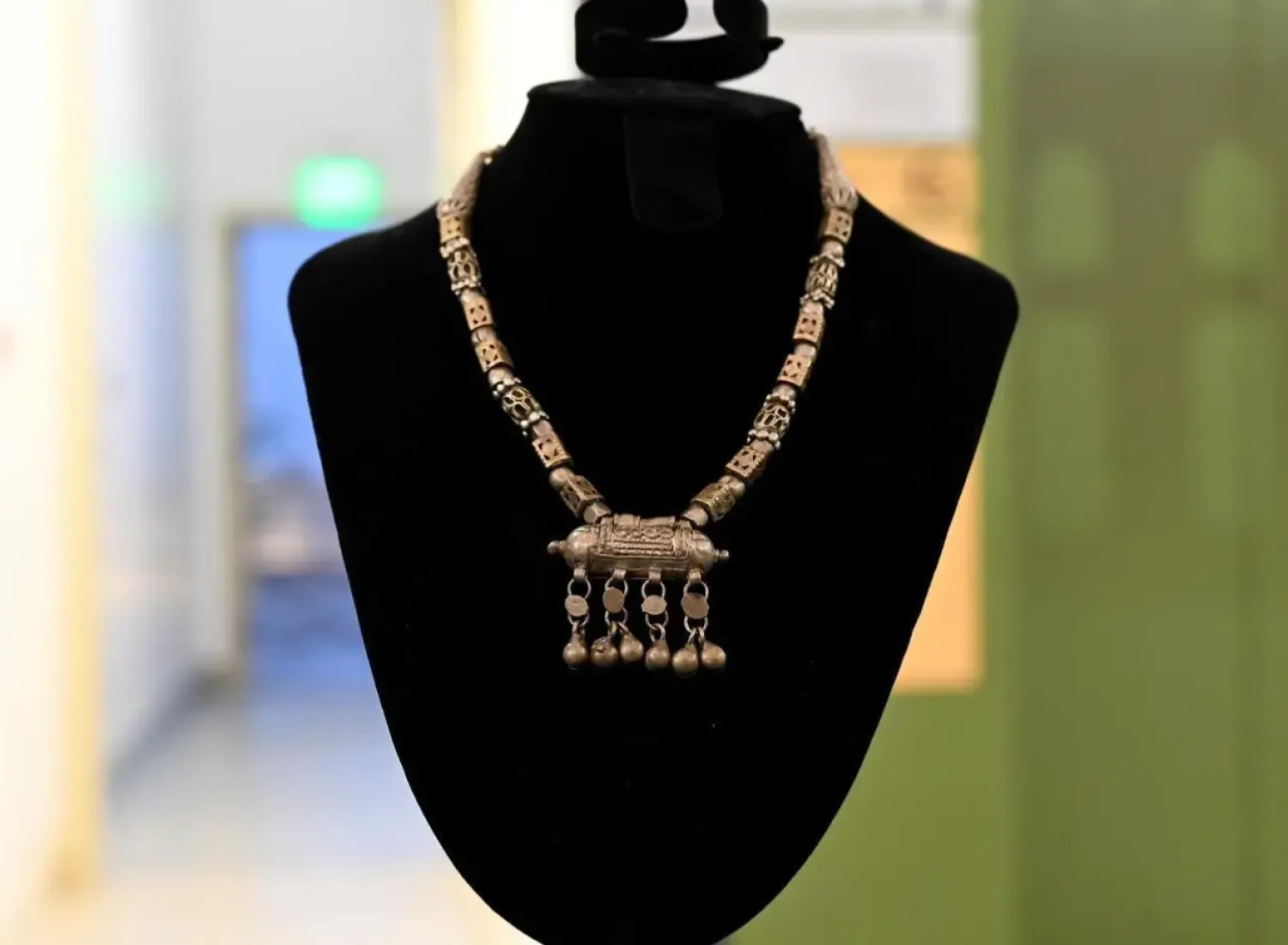
Adornment was not limited to silver jewelry but also included the use of kohl, henna, perfumes and hair-care products - SPA
TT

‘Rashrash’: A Silver Necklace Reflecting Jazan’s Traditional Women’s Jewelry Heritage

Adornment was not limited to silver jewelry but also included the use of kohl, henna, perfumes and hair-care products - SPA

Traditional jewelry in Jazan Region preserves part of the memory of women and reflects aspects of their social lives in the past.

Among these ornaments is the Rashrash necklace, a silver piece worn around women’s necks, valued for its aesthetic appeal and cultural significance, which are deeply rooted in the community’s customs and heritage.

According to SPA, silver held a prominent place in traditional Jazan women’s adornment, with jewelry ranging from necklaces, earrings and bracelets to decorative pieces worn on the upper arms and feet.

The Rashrash was among the ornaments worn by women in Jazan and was one of the pieces worn by brides as part of traditional wedding customs. Together with other jewelry, it formed the bride’s adornment for the occasion, reflecting the attention women paid to aesthetic details and the variety of silverwork used for personal adornment.

Adornment was not limited to silver jewelry but also included the use of kohl, henna, perfumes and hair-care products.

Women also used local plants and flowers to adorn their hair on special occasions. These practices were closely linked to the natural environment, which provided the plants and materials women used in their daily lives and social gatherings.


The Black Stone: Sacred Landmark at the Heart of the Holy Kaaba

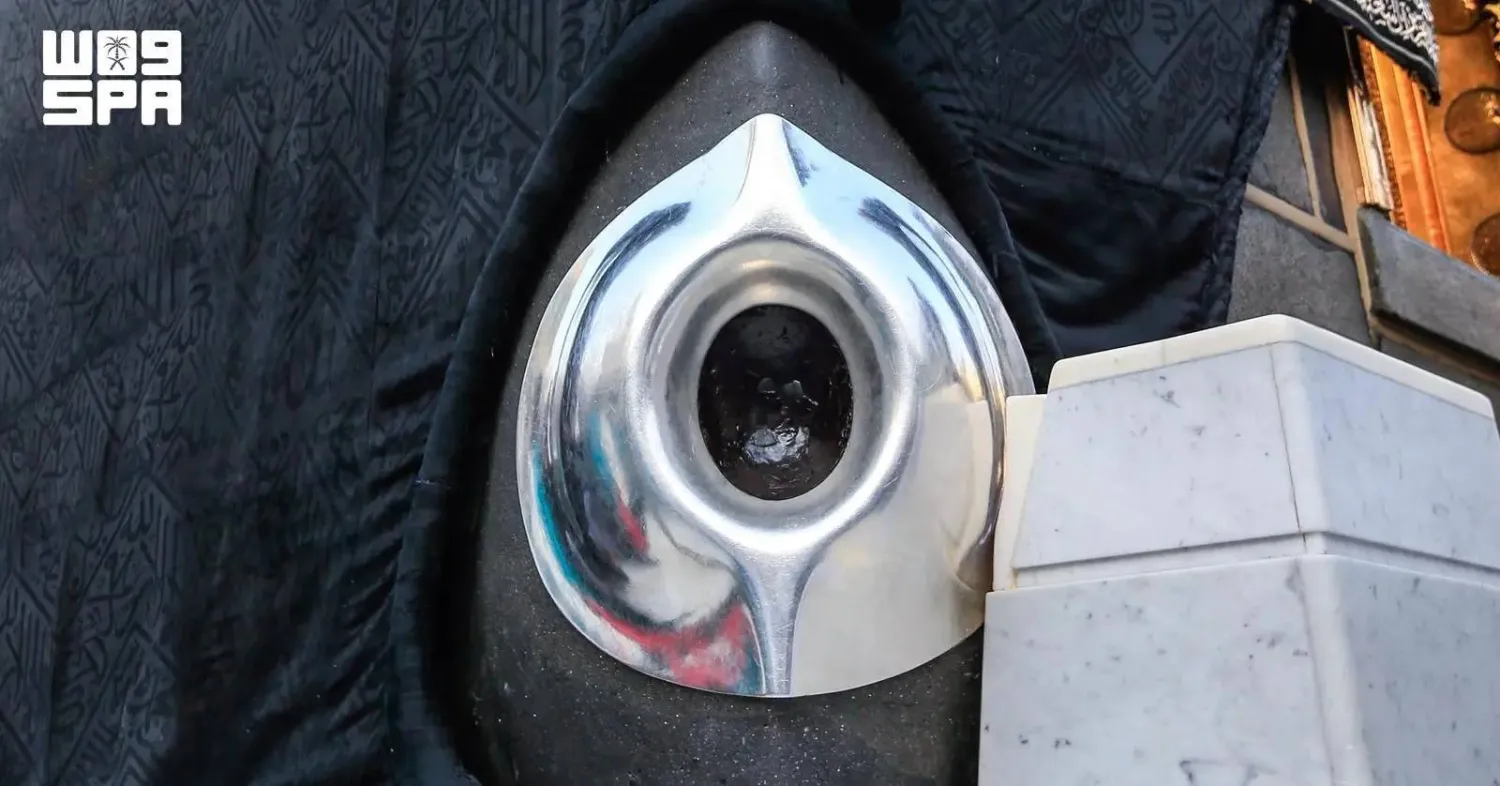
The Black Stone is located at a height of about one and a half meters from the Mataf surface. (SPA)
TT

The Black Stone: Sacred Landmark at the Heart of the Holy Kaaba

The Black Stone is located at a height of about one and a half meters from the Mataf surface. (SPA)

In the southeastern corner of the Holy Kaaba stands the Black Stone, the faith-filled landmark from which Tawaf begins and ends, drawing the hearts and eyes of millions of Muslims performing the sacred ritual, the Saudi Press Agency said on Thursday.

The Black Stone is located at a height of about one and a half meters from the Mataf surface. It appears black with a reddish tint, surrounded by a pure silver frame, and appears inside in the form of small cohesive parts held together by a binding substance.

During Tawaf, Muslims seek to kiss or touch the Black Stone, if feasible without hardship or crowding, or to point to it while reciting the Takbir, in adherence to the prophetic Sunnah, added the news agency.

The Kingdom of Saudi Arabia gives special care to the Holy Kaaba and its landmarks, driven by its dedication to serving the Two Holy Mosques. The General Authority for the Care of the Affairs of the Grand Mosque and the Prophet’s Mosque conducts periodic maintenance, cleaning, and perfuming of the Black Stone using specialized personnel and modern technologies, including high-resolution imaging to document its features with precision.