Netflix's Recipe for Success Includes 'Secret Sauce' Spiced with Silicon Valley Savvy

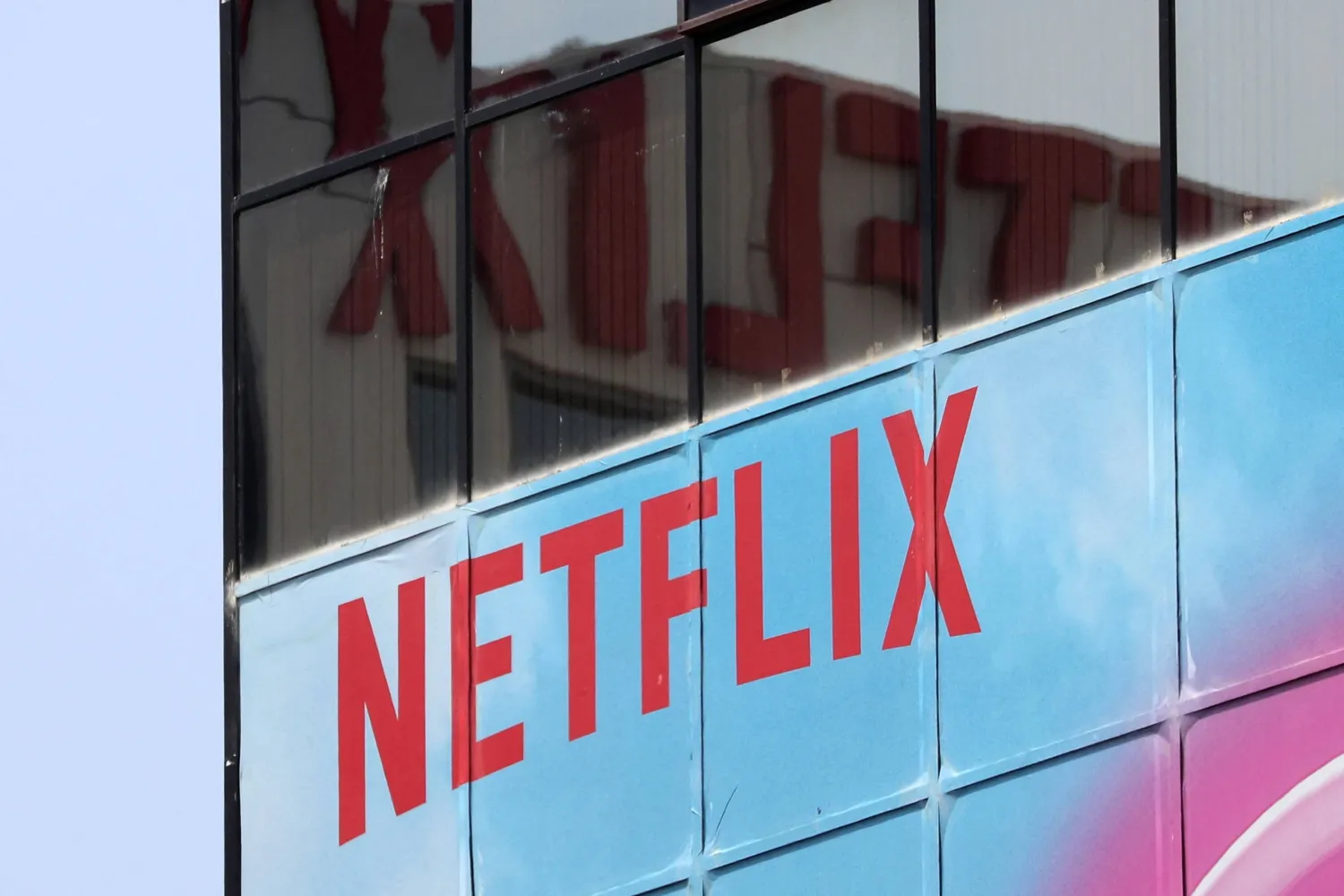
FILE PHOTO: The Netflix logo is seen on their office in Hollywood, Los Angeles, California, US July 16, 2018. REUTERS/Lucy Nicholson/File Photo
TT

Netflix's Recipe for Success Includes 'Secret Sauce' Spiced with Silicon Valley Savvy

FILE PHOTO: The Netflix logo is seen on their office in Hollywood, Los Angeles, California, US July 16, 2018. REUTERS/Lucy Nicholson/File Photo

Although its video streaming service sparkles with a Hollywood sheen, Netflix still taps its roots in Silicon Valley to stay a step ahead of traditional TV and movie studios.
The Los Gatos, California, company, based more than 300 miles away from Hollywood, frequently reaches into its technological toolbox without viewers even realizing it. It often just uses few subtle twists on the knobs of viewer recommendations to help keep its 270 million worldwide subscribers satisfied at a time when most of its streaming rivals are seeing waves of cancellations from inflation-weary subscribers.
Even when hit TV series like “The Crown” or “Bridgerton” have wide appeal, Netflix still tries to cater to the divergent tastes of its vast audience. One part of that recipe includes tailoring summaries and trailers about its smorgasbord of shows to fit the personal interests of each viewer.
So someone who likes romance might see a plot summary or video trailer for “The Crown” highlighting the relationship between Princess Diana and Charles, while another viewer more into political intrigue may be shown a clip of Queen Elizabeth in a meeting with Margaret Thatcher.
For an Oscar-nominated film like “Nyad,” a lover of action might see a trailer of the title character immersed in water during one of her epic swims, while a comedy fan might see a lighthearted scene featuring some amusing banter between the two stars, Annette Bening and Jodie Foster.
Netflix is able to pull off these variations through the deep understanding of viewing habits it gleans from crunching the data from subscribers' histories with its service — including those of customers who signed up in the late 1990s when the company launched with a DVD-by-mail service that continued to operate until last September.
“It is a secret sauce for us, no doubt,” Eunice Kim, Netflix's chief product officer, said while discussing the nuances of the ways Netflix tries to reel different viewers into watching different shows. “The North Star we have every day is keep people engaged, but also make sure they are incredibly satisfied with their viewing experiences.”
As part of that effort, Netflix is rolling out a redesign of the home page that greets subscribers when they are watching the streaming service on a TV screen. The changes are meant to package all the information that might appeal to a subscriber's tastes in a more concise format to reduce the “gymnastics with their eyes,” said Patrick Flemming, Netflix's senior director of member product.
What Netflix is doing with its previews may seem like a small thing, but it can make a huge difference, especially as people looking to save money start to winnow the number of streaming services they have.
Last year, video streaming services collectively suffered about 140 million account cancellations, a 35% increase from 2022 and nearly triple the volume in 2020, when the COVID-19 pandemic created a boom in demand for entertainment from people corralled at home, according to numbers compiled by the research firm Antenna.
Netflix doesn't disclose its cancellation, or churn rate, but last year its streaming service gained 30 million subscribers — marking its second-biggest annual increase behind its own growth spurt during the 2020 pandemic lockdowns.
Part of last year's subscription growth flowed from a crackdown on viewers who had been freeloading off Netflix subscribers who shared their account passwords. But the company is also benefiting from the technological know-how that helps it to keep funneling shows to customers who like them and make them think the service is worth the money, according to J. Christopher Hamilton, an assistant professor of television, radio and film at Syracuse University.
“What they have been doing is pretty ingenious and very, very strategic,” Hamilton said. “They are definitely ahead of the legacy media companies who are trying to do some of the same things but just don’t have the level of sophistication, experience nor the history of the data in their archives.”
Netflix's nerdy heritage once was mocked by an entertainment industry that looked down at the company's geekdom.
"It’s a little bit like, is the Albanian army going to take over the world?” former Time Warner CEO Jeff Bewkes said of Netflix during a 2010 interview after being asked about the threat Netflix posed at the time.
Not long after that put-down, Netflix began mining its viewing data to figure out how to produce a slate of original programming that would attract more subscribers — an ambitious expansion that forced Time Warner (now rolled into Warner Bros. Discovery) and other long-established entertainment companies such as Walt Disney Co. into a mad scramble to build their own streaming services.
Although those expansions initially attracted hordes of subscribers, they also resulted in massive losses that have resulted in management shakeups and drastic cutbacks, including the abrupt closure of a CNN streaming service.
What Netflix is doing with technology to retain subscribers to boost its fortunes — the company's profit rose 20% to $5.4 billion last year — now is widening the divide with rival services still trying to stanch their losses.
Disney's 4-year-old streaming service recently became profitable after an overhaul engineered by CEO Bob Iger, but he thinks more work will be required to catch up with Netflix.
“We need to be at their level in terms of technology capability,” Iger said at a conference earlier this year. “We’re now in the process of creating and developing all of that technology, and obviously the gold standard there is Netflix.”
Netflix isn't going to help its rivals by divulging its secrets, but the slicing and dicing generally starts with getting a grasp on which viewers tend to gravitate to certain genres — the broad categories include action, adventure, anime, fantasy, drama, horror, comedy, romance and documentary — and then diving deeper from there.
In some instances, Netflix's technology will even try to divine a viewer's mood at any given time by analyzing what titles are being browsed or clicked on. In other instances, it's relatively easy for the technology to figure out how to make a film or TV series as appealing as possible to specific viewers. If Netflix's data shows a subscriber has watched a lot of Hindi productions, it would be almost a no-brainer to feature clips of Bollywood actress Alia Bhatt in a role she played in the U.S. film, “Heart of Stone” instead of the movie's lead actress, Gal Gadot.
“We want to do a really good job putting the things that you prefer in front of you,” Kim said. “Part of that is the content recommendations themselves, but it’s also about how we present the content to you.”



Taylor Swift Bags Best-selling Artist of 2025 Award

FILE PHOTO: Taylor Swift poses at the red carpet during the 67th Annual Grammy Awards in Los Angeles, California, US, February 2, 2025. REUTERS/Daniel Cole/File Photo
TT

Taylor Swift Bags Best-selling Artist of 2025 Award

FILE PHOTO: Taylor Swift poses at the red carpet during the 67th Annual Grammy Awards in Los Angeles, California, US, February 2, 2025. REUTERS/Daniel Cole/File Photo

US pop star Taylor Swift was crowned the biggest-selling global artist of 2025, industry body IFPI announced Wednesday, the fourth consecutive year and sixth time she has claimed its annual prize.

The 36-year-old's success was turbo-charged by the October release of her latest album, "The Life of a Showgirl", which set several streaming records, as well as the release of a docuseries about her record-breaking The Eras tour.

"2025 was another landmark year (for Swift), driven by exceptional worldwide engagement across streaming, physical and digital formats with the release of her 12th album ... and the documentary of her tour," IFPI said.

The body, which represents the recorded music industry worldwide, noted Swift had now won its top annual artist prize as many times as all other artists combined over the past 10 years, AFP.

IFPI hands out the Global Artist of the Year Award after calculating an artist's or group's worldwide sales across streaming, downloads and physical music formats during the calendar year and covers their entire body of work.

Swift beat out Korean group Stray Kids, which came in second -- its highest-ever ranking and the third consecutive year in the global top five.

Fresh from his Super Bowl halftime show, Puerto Rican artist Bad Bunny placed fifth in the rankings, his sixth consecutive year in the chart.

American rapper Tyler, The Creator marked his first appearance on the chart, in 12th place, with IFPI noting he had "continued to generate strong vinyl sales across his catalogue".

Meanwhile Japanese rock band Mrs. Green Apple entered the rankings for the first time one place below him, following what IFPI called "the success of their anniversary album '10'".


Berlin Film Festival Rejects Accusation of Censorship on Gaza

Berlinale Festival Director Tricia Tuttle speaks during the Berlinale Camera award ceremony honoring British composer Max Richter during the 76th Berlin International Film Festival, in Berlin, Germany, 18 February 2026. (EPA)
TT

Berlin Film Festival Rejects Accusation of Censorship on Gaza

Berlinale Festival Director Tricia Tuttle speaks during the Berlinale Camera award ceremony honoring British composer Max Richter during the 76th Berlin International Film Festival, in Berlin, Germany, 18 February 2026. (EPA)

The director of the Berlin Film Festival on Wednesday rejected accusations from more than 80 film industry figures that the festival had helped censor artists who oppose Israel's actions in Gaza.

In an open letter published on Tuesday, Oscar-winning actors Javier Bardem and Tilda Swinton were among dozens who criticized the Berlinale's "silence" on the issue and said they were "dismayed" at its "involvement in censoring artists who oppose Israel's ongoing genocide against Palestinians in Gaza".

In an interview with Screen Daily, the Berlinale's director, Tricia Tuttle, said the festival backs "free speech within the bounds of German law".

She said she recognized that the letter came from "the depth of anger and frustration about the suffering of people in Gaza".

However, she rejected accusations of censorship, saying that the letter contained "misinformation" and "inaccurate claims about the Berlinale" made without evidence or anonymously.

The row over Gaza has dogged this year's edition of the festival since jury president Wim Wenders answered a question on the conflict by saying: "We cannot really enter the field of politics."

The comments prompted award-winning novelist Arundhati Roy, who had been due to present a restored version of a film she wrote, to withdraw from the festival.

Tuttle said the festival represents "lots of people who have different views, including lots of people who live in Germany who want a more complex understanding of Israel's positionality than maybe the rest of the world has right now".

German politicians have been largely supportive of Israel as Germany seeks to atone for the legacy of the Holocaust.

However, German public opinion has been more critical of Israeli actions in Gaza.

Commenting on the row to the Welt TV channel, German Culture Minister Wolfram Weimer defended Wenders and Tuttle from criticism, saying they were running the festival "in a very balanced way, very sensitively".

"Artists should not be told what to do when it comes to politics. The Berlinale is not an NGO with a camera and directors," Weimer said.

Gaza has frequently been a topic of controversy at the Berlinale in recent years.

In 2024, the festival's documentary award went to "No Other Land", which follows the dispossession of Palestinian communities in the Israeli-occupied West Bank.

German government officials criticized "one-sided" remarks about Gaza by the directors of that film and others at that year's awards ceremony.


Over 80 Berlin Film Festival Alumni Sign Open Letter Urging Organizers to Take Stance on Gaza 

12 February 2026, Berlin: President of the Berlinale jury Wim Wenders waves to the audience on the opening night of the 76th Berlin International Film Festival, before the premiere of the opening film "No Good Men" at the Berlinale Palast. (dpa)
TT

Over 80 Berlin Film Festival Alumni Sign Open Letter Urging Organizers to Take Stance on Gaza 

12 February 2026, Berlin: President of the Berlinale jury Wim Wenders waves to the audience on the opening night of the 76th Berlin International Film Festival, before the premiere of the opening film "No Good Men" at the Berlinale Palast. (dpa)

More than 80 actors, directors and other ‌artists who have taken part in the Berlin Film Festival, including Tilda Swinton and Javier Bardem, signed an open letter to the organizers published on Tuesday calling for them to take a clear stance on Israel's war in Gaza.

"We call on the Berlinale to fulfil its moral duty and clearly state its opposition to Israel's genocide, crimes against humanity and war crimes against Palestinians," said the open letter, which was published in full in entertainment industry magazine Variety.

Multiple human rights experts, scholars and a UN inquiry say Israel's assault on Gaza amounts to genocide. Israel calls its actions self-defense after Hamas' October 2023 attack on Israel.

"We are appalled by Berlinale's institutional silence," ‌said the letter, which ‌was also signed by actors Adam McKay, Alia Shawkat and ‌Brian ⁠Cox, and director ⁠Mike Leigh.

It said organizers had not met demands to issue a statement affirming Palestinians' right to life and committing to uphold artists' right to speak out on the issue.

"This is the least it can - and should - do," the letter said.

The festival did not immediately respond to an emailed request for comment.

THE MOST POLITICAL FESTIVAL

The Berlin Film Festival is considered the most political of its peers, Venice and Cannes, and ⁠prides itself on showing cinema from under-represented communities and young ‌talent. However, it has been repeatedly criticized by pro-Palestinian activists ‌for not taking a stand on Gaza, in contrast to the war in Ukraine ‌and the situation in Iran.

Calls have also previously been made for the ‌entertainment industry to take a stance on Gaza.

Last year, over 5,000 actors, entertainers, and producers, including some Hollywood stars, signed a pledge to not work with Israeli film institutions that they saw as being complicit in the abuse of Palestinians by Israel.

Paramount studio later condemned that ‌pledge and said it did not agree with such efforts.

ROY PULLS OUT

Tuesday's letter also condemned statements by this year's ⁠jury president, German director ⁠Wim Wenders, that filmmakers should stay out of politics, writing: "You cannot separate one from the other."

Wenders' comments prompted Indian novelist Arundhati Roy, winner of the Booker Prize in 1997 for her novel "The God of Small Things", to pull out of the festival earlier this week.

Roy, who had been due to present "In Which Annie Gives It Those Ones", a 1989 film which she wrote, in the Berlinale's Classics section, characterized Wenders' comments as "unconscionable."

In response, festival director Tricia Tuttle issued a note on Saturday defending artists' decision not to comment on political issues.

"People have called for free speech at the Berlinale. Free speech is happening at the Berlinale," she said.

"But increasingly, filmmakers are expected to answer any question put to them," she wrote, and are criticized if they do not answer, or answer "and we do not like what they say."