



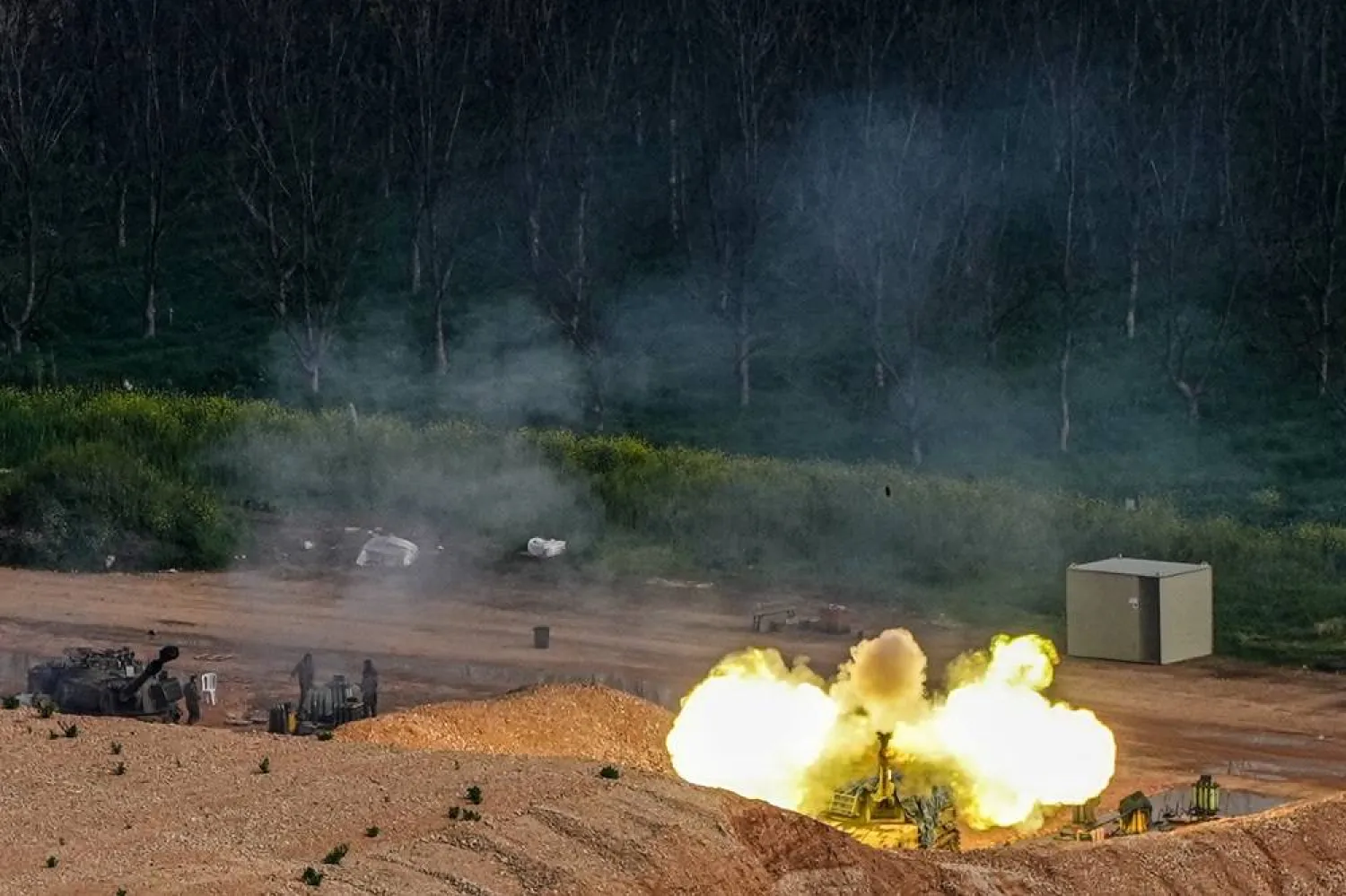

The future of Iran’s regional allies, particularly Hezbollah in Lebanon and armed factions in Iraq, is increasingly uncertain as a widening conflict reshapes the Middle East and tests the limits of Tehran’s long-standing proxy strategy.
Lebanese politician Michel Chiha once outlined a vision of Lebanon as a country open to the world through its coastline, protected internally by its mountainous terrain. He advocated a liberal, service-based economy rather than heavy industry, while emphasizing that Israel represented the primary external threat.
His assessment was largely accurate, but incomplete. Chiha did not fully account for the broader geopolitical system that governs Lebanon, one influenced by global and regional powers.
Lebanon has historically been vulnerable to shifts between these two levels. When global and regional dynamics align, the country experiences relative stability. When they clash, Lebanon often pays a heavy price, including political paralysis, internal unrest, and even civil war. If such conflicts persist without resolution, international powers tend to intervene, often delegating regional actors to impose a settlement.
This pattern has repeated itself at key moments in Lebanon’s modern history: the 1958 crisis at the end of President Camille Chamoun’s term; the outbreak of civil war in 1975; Syria’s 1990 intervention that ended General Michel Aoun’s military government; the 2008 Doha Agreement following Hezbollah’s takeover of Beirut; and more recently, political shifts culminating in the election of President Joseph Aoun after the failure of Hezbollah’s “support war” to meaningfully assist Gaza.
Iran in the region
Iran’s confrontation with the US-led global order dates back to the 1979 revolution. However, the strategic environment changed dramatically after the September 11, 2001, attacks and the subsequent US invasion of Iraq in 2003.
The collapse of Saddam Hussein’s regime reshaped the regional balance of power. For the first time, US forces were positioned directly on Iran’s borders, in both Iraq and Afghanistan. Tehran responded by expanding its influence through a network of allied groups across the region.
This strategy centered on the development of proxies, linked geographically through what became known as the “Axis of Resistance” and the concept of “unity of arenas.” These networks extended across Iraq, Syria, Lebanon and Yemen, allowing Iran to project influence across land, sea and air.
The so-called “Arab Spring” represented both an opportunity and a setback for Iran. On one hand, it enabled Tehran to expand its presence by filling political and security vacuums. On the other, it exposed its intentions, particularly as it mobilized allied groups to support friendly regimes.
Hezbollah’s intervention in Syria marked a turning point. The group became deeply involved in a prolonged and complex conflict, exposing vulnerabilities at multiple levels — security, military and ideological. These weaknesses became evident during subsequent confrontations with Israel, particularly during the Gaza war, when Israel penetrated Hezbollah’s structure and targeted senior leaders.
Iraq enters the picture
Iraq occupies a central place in Iran’s geopolitical thinking. Historically, it has been viewed as a major source of threat to Iranian national security, from ancient times through to the modern era under Saddam Hussein during the Iran-Iraq War.
After 2001, Iran found itself effectively encircled by US forces. The emergence of the ISIS group in 2014, which seized large areas of Iraqi territory, further underscored Iraq’s strategic importance. For Tehran, maintaining influence in Iraq is essential to ensuring internal stability and national security. Control or strong influence over Iraq provides strategic depth and helps prevent potential threats from emerging on its western border.
Following the 2003 invasion, Iran’s regional strategy became more clearly defined: Iraq as the base, Syria as the corridor, and Lebanon — through Hezbollah — as the strategic endpoint or “crown jewel.”
October 7
The October 7, 2023 attack by Hamas on Israel is widely viewed as a “black swan” event, one that disrupts the foundations of the existing order without immediately creating a new equilibrium.
The attack triggered a chain reaction across the region. It exposed the limitations of Iran’s proxy-based strategy and highlighted what is known in political theory as the “principal-agent problem.” In this dynamic, the patron state - Iran - pursues broader strategic goals, while proxies focus on local or ideological objectives.
This misalignment creates inherent risks. When proxies succeed, both sides benefit. When they fail, the proxies bear the immediate consequences.
In the case of October 7, Iran was drawn into a conflict it neither fully anticipated nor sought to escalate. It encouraged Hezbollah to intervene under the banner of a “support war” for Gaza. The result was a cascading deterioration, with both Hamas and Hezbollah suffering significant losses.
The concept of “unity of arenas” began to unravel as the conflict expanded. By 2025, the situation escalated further when Israel and the United States launched a coordinated military campaign against Iran in June, lasting 12 days.
The campaign included strikes on Iranian nuclear facilities using advanced bunker-busting munitions carried by US B-2 bombers. It also reflected an unprecedented level of coordination between Washington and Tel Aviv, not only in execution but also in planning and target allocation.
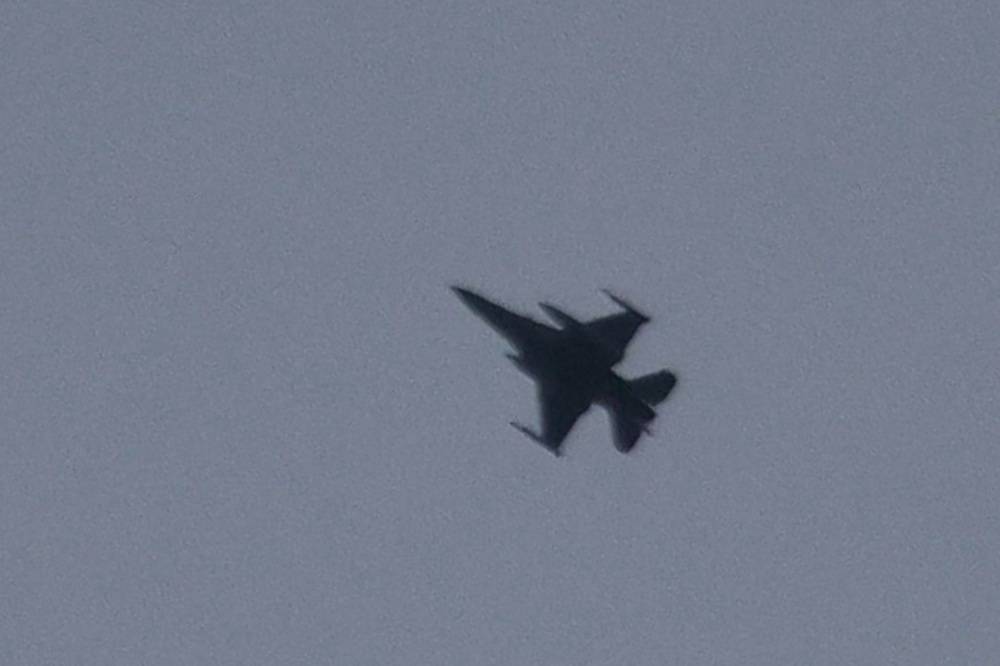
Another defining feature of the conflict has been its reliance on remote warfare. Iran has used missiles and drones to strike Israel and regional targets, while Israel, backed by US capabilities, has relied on air power and technological superiority, including the use of artificial intelligence in target selection and strike coordination.
Lebanon and Iraq in the crossfire
The regional conflict has drawn in multiple actors, though with varying levels of involvement. Yemen’s Houthi militants have played a more limited and delayed role, likely reflecting logistical constraints and strategic calculations.
In contrast, Hezbollah in Lebanon and Iran-aligned factions within Iraq’s Popular Mobilization Forces have been more actively engaged.
In Lebanon, Iran has sought to rebuild Hezbollah following its setbacks in 2024. Reports suggest the group has been retrained in a decentralized form of warfare known as “mosaic warfare,” which emphasizes dispersion, flexibility and the avoidance of large-scale confrontations. This approach relies on a combination of rockets, anti-tank weapons and drones, effectively returning Hezbollah to tactics used prior to Israel’s withdrawal from southern Lebanon in 2000.
In Iraq, the situation differs. Armed factions have conducted attacks against US interests but have also targeted Iraqi state institutions, including intelligence facilities and radar systems. This dual targeting reflects internal divisions and raises concerns about the erosion of state authority.
Lebanon and Iraq’s challenges
Lebanon and Iraq share similarities as internationally recognized sovereign states, yet both face significant challenges in exercising full control over their territories.
In Iraq, militias within the PMF are formally integrated into the state’s security structure. However, some operate according to independent agendas that do not always align with national interests.
In Lebanon, Hezbollah operates as both a military force confronting Israel and a powerful domestic actor. It has often challenged state authority and pursued policies that diverge from official government positions.
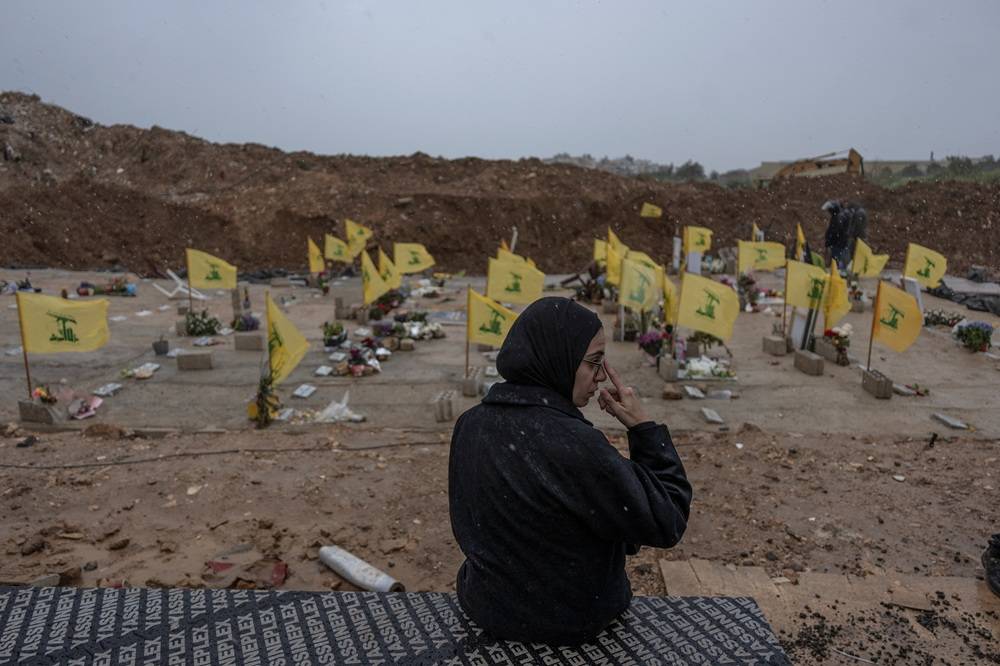
The impact of the conflict has been more severe in Lebanon. The country has experienced displacement, particularly in the south and in parts of Beirut, as well as widespread destruction in Hezbollah strongholds. Israeli forces have also established a presence in southern territories they had not previously occupied.
In contrast, Iraq has not faced large-scale displacement or foreign occupation during this phase of the conflict. However, internal instability remains a concern, particularly as tensions between different political and ethnic groups persist.
Strategically, Iraq continues to serve as a cornerstone of Iran’s regional system. Lebanon, by contrast, has become more isolated, especially following the disruption of supply routes to Hezbollah through Syria.
War outcome
Several scenarios could shape the outcome of the conflict, each with significant implications for Iran’s proxies in Lebanon and Iraq.
Diplomatic solution:
At present, this scenario appears unlikely. The United States is demanding concessions that Iran had previously rejected, while Tehran is putting forward conditions that are seen as difficult to meet. Among these are demands related to control over key maritime routes and broader regional security arrangements.
Iran has also linked any potential ceasefire to developments on the Lebanese front, suggesting an effort to maintain influence there. A diplomatic resolution would raise critical questions about Hezbollah’s future, including the status of its weapons, its fighters and its role within Lebanon’s political system.
Current situation persists:
A prolonged war of attrition is seen as a scenario that could work in Iran’s favor. Time and economic resources, particularly oil revenues, could allow Tehran to sustain the conflict while gradually wearing down its adversaries.
However, this scenario carries significant risks. It could lead to deeper instability across the region, particularly in Gulf states, while exacerbating internal tensions in Iraq. In Lebanon, continued conflict could further weaken state institutions and increase the risk of internal unrest.
War scenario:
A broader military escalation remains a possibility. Reports indicate that the United States has considered expanded operations involving ground, naval and air forces.
Potential targets could include Iran’s strategic oil export facilities, such as Kharg Island, as well as key islands controlling access to the Strait of Hormuz. More complex operations, such as seizing enriched uranium, are considered less likely due to the challenges involved.
For Washington, any such operation would need to achieve a clear outcome. Failure could have significant consequences for the United States and its allies.
If a military campaign were to succeed, Lebanon would face major challenges, including addressing Hezbollah’s future and managing relations with Israel. Iraq, on the other hand, could see an opportunity to strengthen state authority and consolidate internal stability.
If it were to fail, the broader regional situation would likely remain unstable, with limited immediate impact on Iraq but continued uncertainty for Lebanon.


