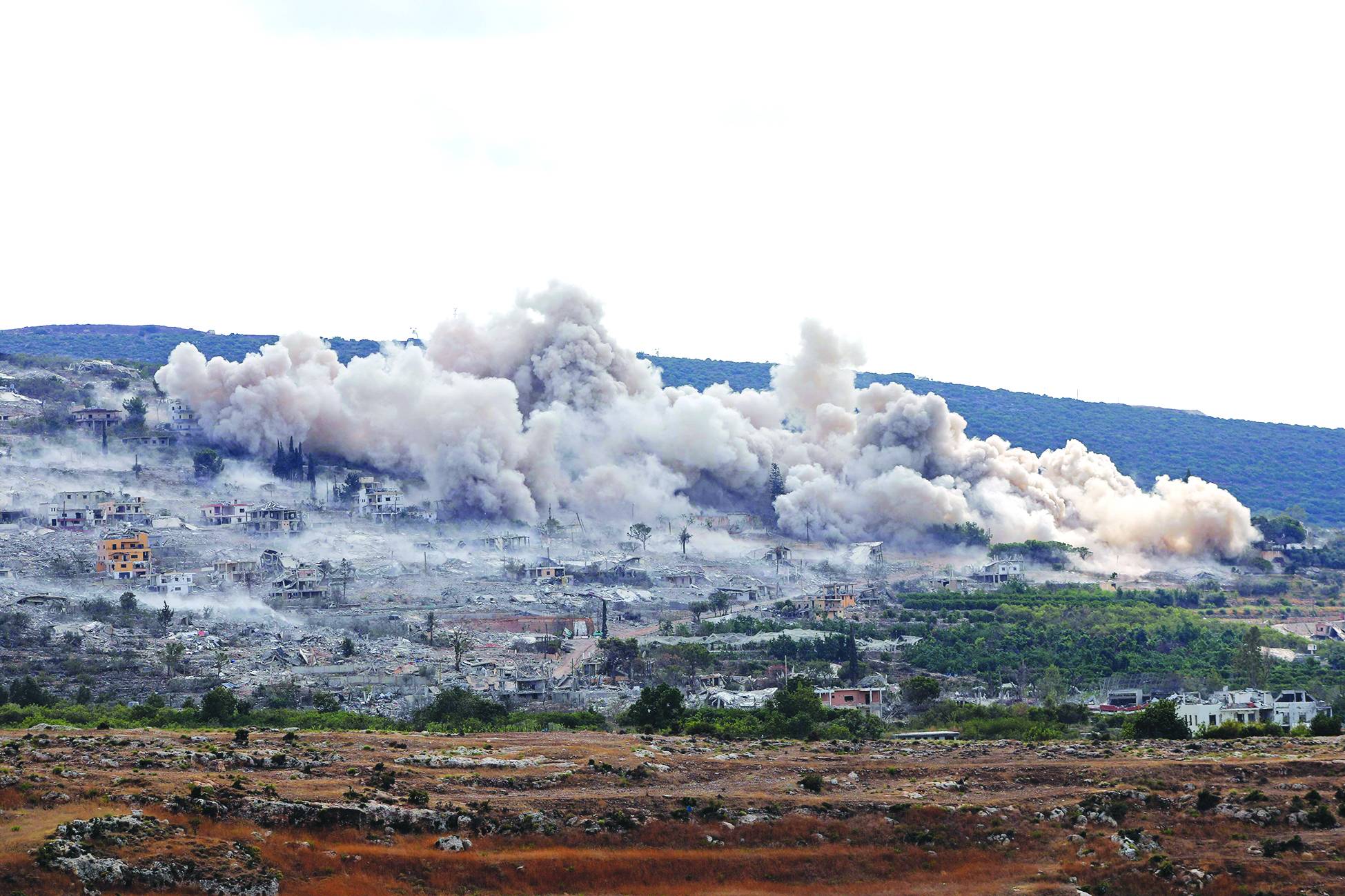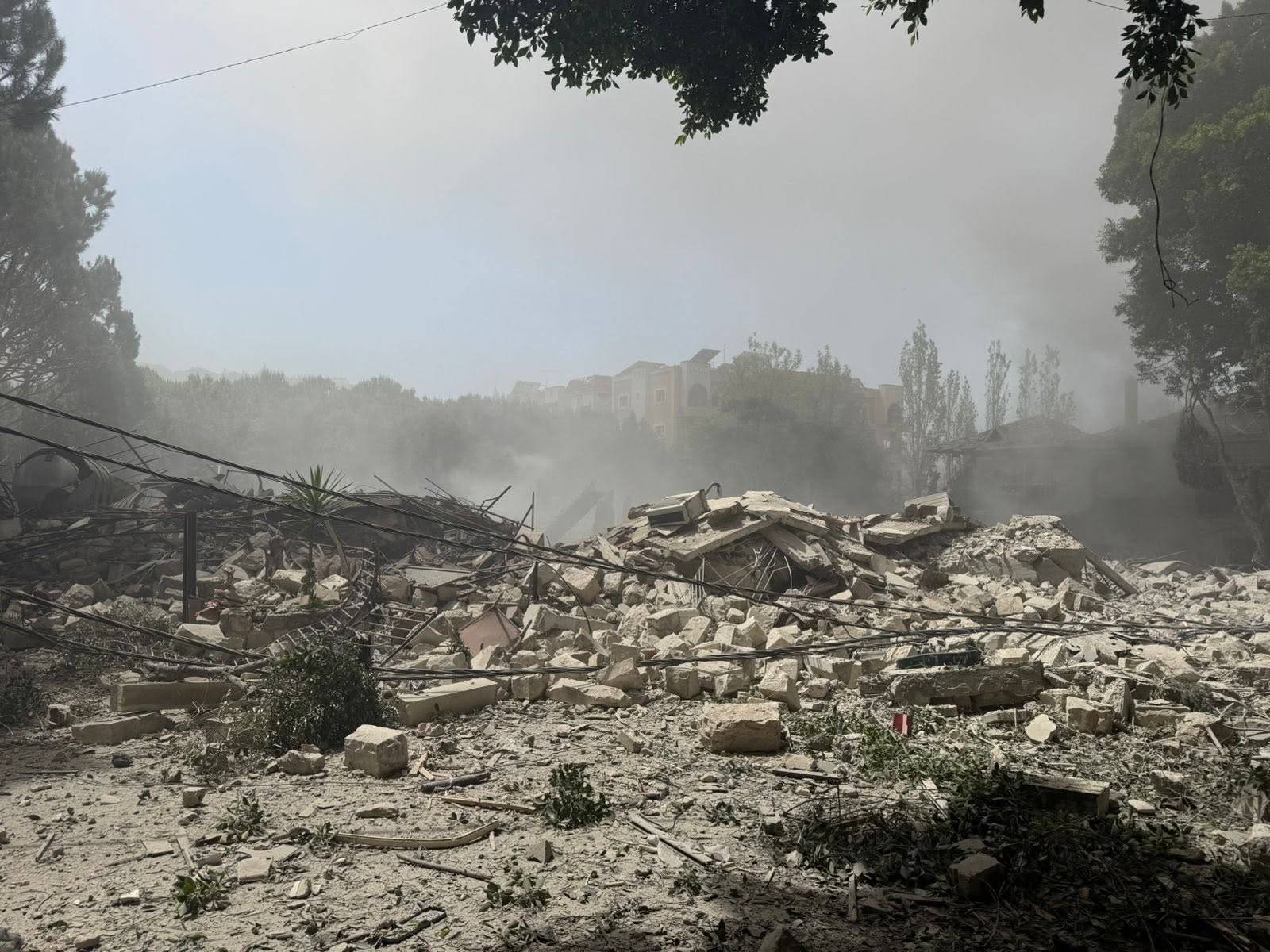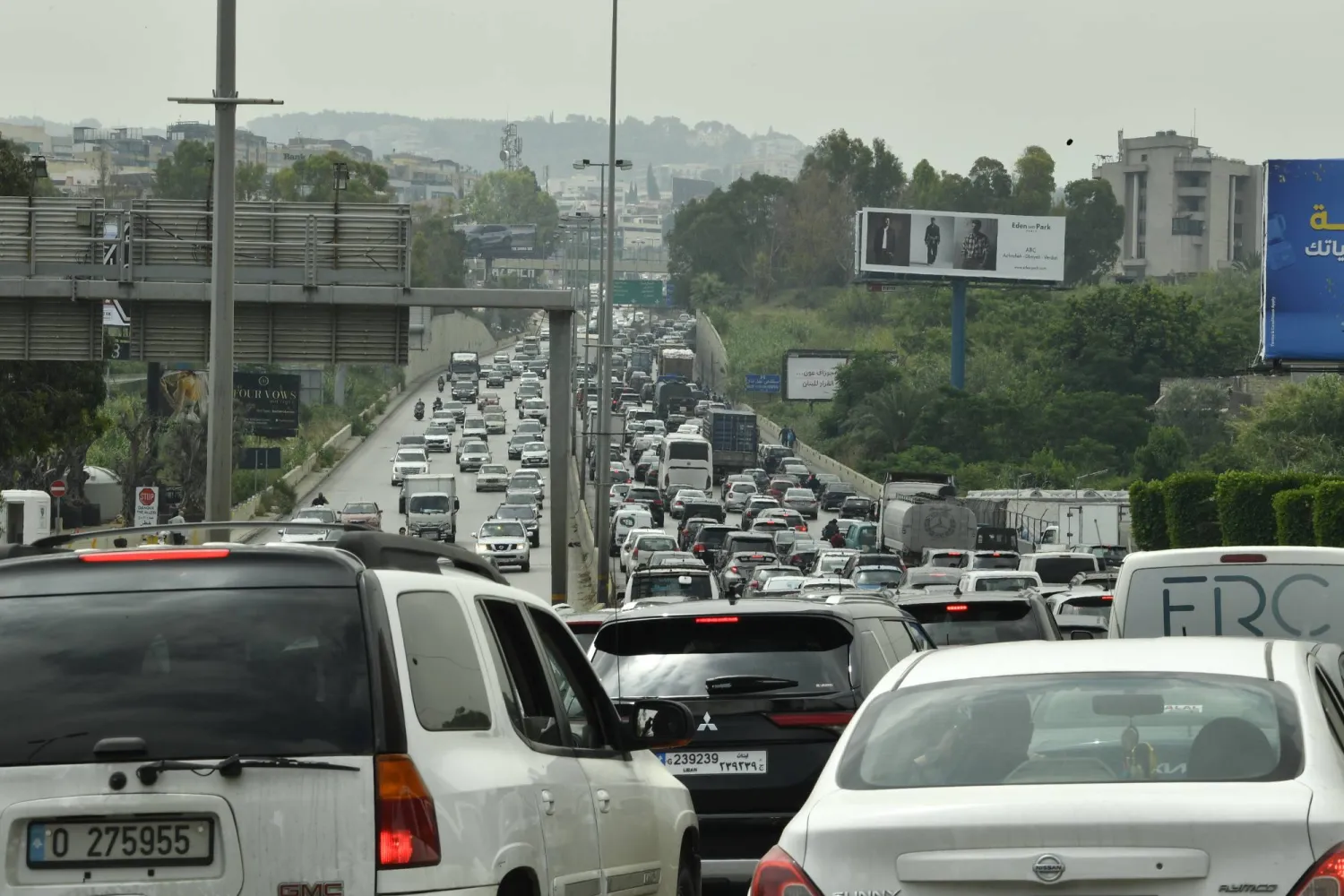

The latest Israeli threat threw Beirut’s southern suburbs into turmoil within hours. Schools were evacuated, parents rushed to pull their children out of classrooms, and many residents fled their homes in haste. Roads filled with a new wave of displacement, reviving scenes the Lebanese have endured repeatedly in recent months.
But the threat did not end when the warning did. The alert was lifted, but the anxiety stayed. Some people returned to work, but not to a sense of safety. For many, the question is no longer when the strike will come, but how to live under the constant expectation of the next warning.
The home that is no longer safe
Layla Hassan told Asharq Al-Awsat that the latest threat to the southern suburbs did not end for her when the warning expired. The feeling it left behind still follows her. The problem, as she sees it, is no longer tied to a single security incident, but to a permanent state of uncertainty.
She said the natural bond between people and their homes has changed radically. “The home, which once represented the safe space people turned to in fear or danger, has now become one of the sources of anxiety.”
The warning, she said, made returning more complicated than leaving, especially for those responsible for children or other family members.
Life in displacement, despite its hardship and lack of services, can sometimes feel less cruel than the anxiety of returning, she said. Electricity, water, cramped spaces and the strain of daily life become secondary details beside one overriding concern, keeping the family safe.
She added that repeated displacement gradually pushes people to adapt to abnormal conditions, until the mere feeling of safety becomes a goal in itself, even at the cost of the life they once knew.
Every day begins with fear
Fatima Shams has not returned to the southern suburbs since Monday’s threat. She told Asharq Al-Awsat that “the Lebanese are living today in a state of constant anticipation that has made fear part of the daily routine. Every morning begins with a different question, but the meaning is the same, will this day pass safely?”
She described how the latest threat disrupted the daily lives of families. Her sister was at school when exams were halted and students were urgently evacuated. Within minutes, parents had to leave work and head to schools, caught between traffic-clogged roads and fear of a sudden security development.
“The hardest thing people are living through is not only the fear of strikes, but the constant feeling of instability,” she said. “Families are no longer able to plan their day or their week, because any new warning can overturn everything.”
She said the danger no longer feels confined to one area after warnings and tensions spread to different parts of Lebanon, making insecurity more widespread than ever.
Anticipation is wearing people down
Ali Noureddine, from the southern town of Toul and a resident of Beirut’s southern suburbs, described life for residents as “deadly anticipation.”
He told Asharq Al-Awsat that “the crisis is no longer linked to the warning itself, but to the psychological state that follows it. After every threat, people remain trapped between the possibility of returning to normal life and the possibility of a new escalation.”
He said this constant anxiety drains residents more than direct security incidents, because it turns life into an open-ended wait that no one knows when it will end.
The anxiety, he added, is not limited to the southern suburbs. It reaches the south as well, where families follow news of their towns, homes and areas with no clarity over what comes next.
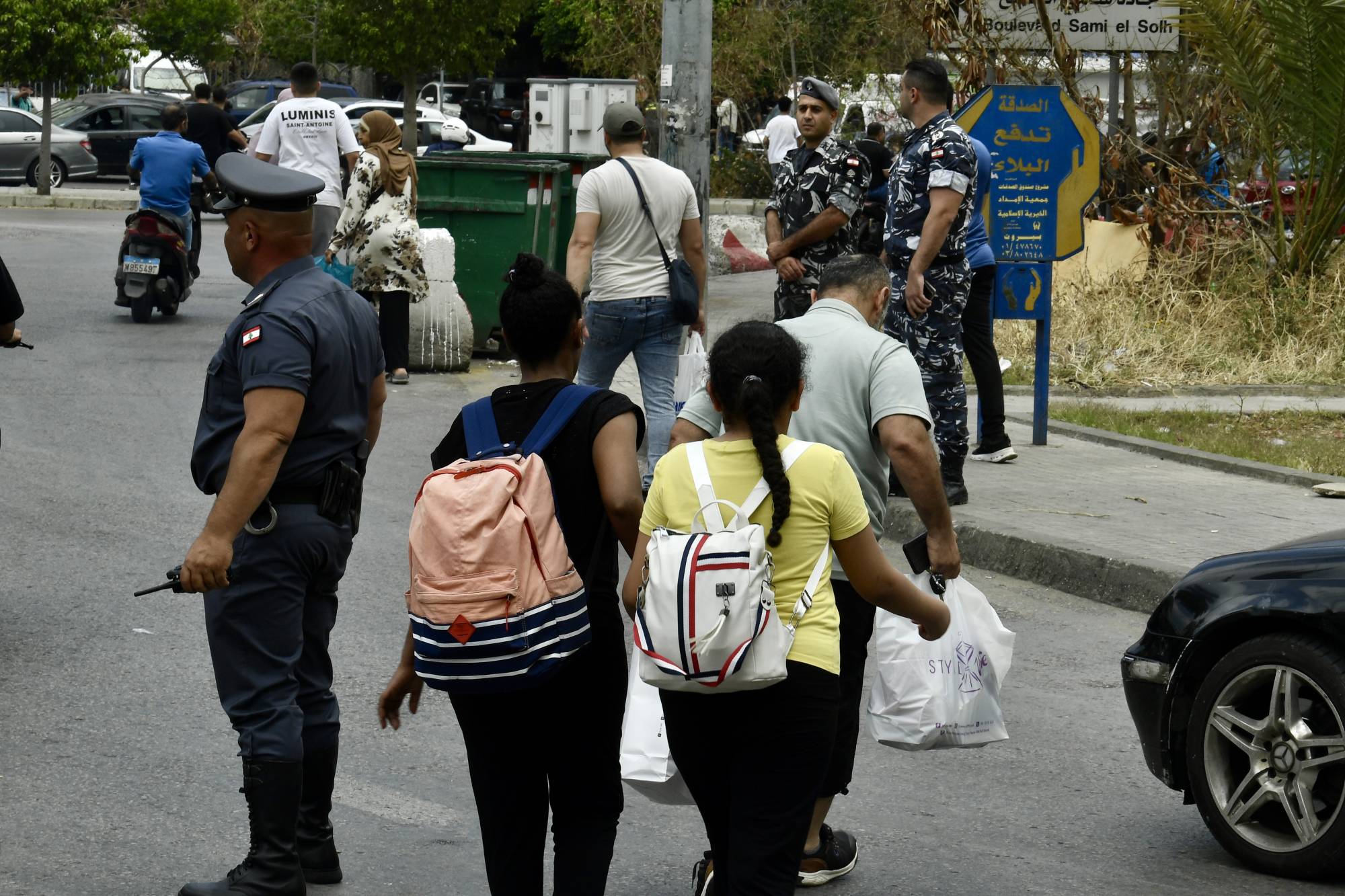
We carry our memories in a bag
Layan Abdullah has not returned to the southern suburbs since the latest threat. For the university student, campus life is no longer about lectures, exams and ambitions. It is about displacement and the search for safety.
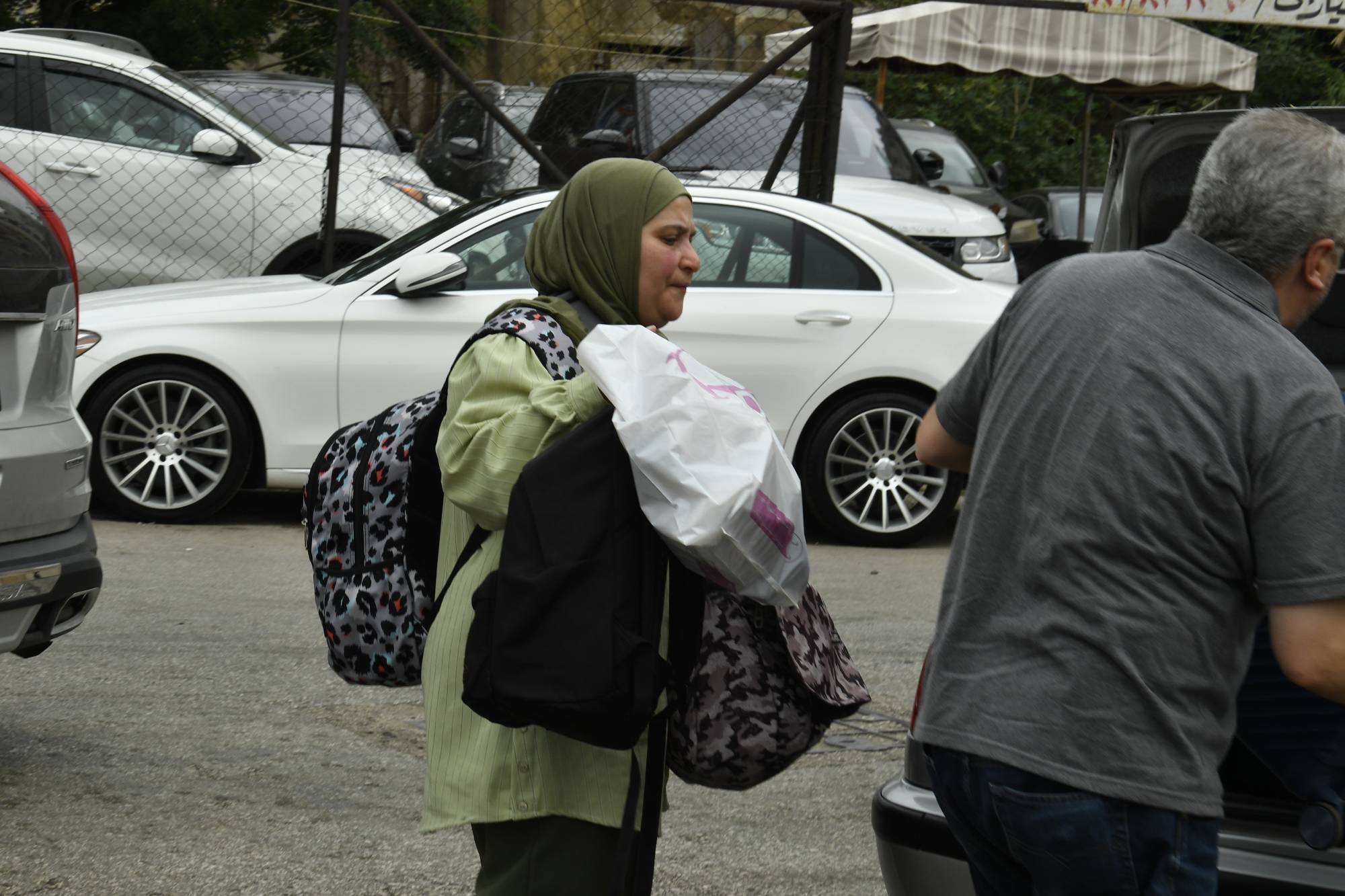
She told Asharq Al-Awsat that “her life has become a matter of packing belongings into a bag, moving to a new place, then preparing for the possibility of doing it again.”
Her generation, she said, can no longer think about future projects or career plans. The priority has narrowed to getting through the day safely.
She spoke of the harsh feeling that accompanies each displacement, reducing an entire life to a single bag. “A person does not leave behind only walls and furniture, but memories, details and relationships tied to a place.”
She also pointed to the added suffering of families with patients who need continuous medical care. Every move brings new questions about safe roads, access to hospitals and securing treatment, adding another layer of pressure to the psychological burden everyone is carrying.
Displacement from the southern suburbs and fear of losing Bint Jbeil forever
Hassan Bazzi does not describe the latest threat to Beirut’s southern suburbs as a passing security incident. For him, it was a moment that revived deeper fears about his future and the future of his hometown, Bint Jbeil.
He told Asharq Al-Awsat that “he found himself, like thousands of others, facing the prospect of another displacement from the southern suburbs, while carrying the feeling that the distance between him and his southern town, where he had spent years planning to return and settle, is growing day by day.”
“After the latest threat to the southern suburbs, the same feeling returned, that our entire lives have become suspended,” he said. “It is no longer only about where we live today or tomorrow, but about an entire future that we do not know whether we will be able to reclaim.”
He said he owns land and property in Bint Jbeil that he had seen as his life project and source of stability after more than three decades of work. But with the war continuing and the political and military scene growing more complicated, he now feels those plans slipping farther away.
“I imagined I would return to live on my land and take care of what I had built over the years. I thought the hardship of 30 years would give me a chance to rest and settle down. Today, I feel all of that has been postponed indefinitely,” he said.
He said repeated threats and continued displacement from the southern suburbs and the south have left people in a state of accumulated psychological exhaustion, making it hard to think about the future or make any long-term plans.
“I fear our children will grow up not knowing these villages as we knew them, and I fear that waiting to return will become a permanent state,” he said. “That is why displacement from the southern suburbs alone is not what worries me. What worries me more is that a day may come when I feel Bint Jbeil has become just a memory.”