


Youths Lead Change in Kuwait Elections

Kuwaiti candidates arrive at the interior ministry's electoral affairs department to register for the upcoming parliamentary election in Kuwait City, on May 6, 2023. (AFP)
TT

Youths Lead Change in Kuwait Elections

Kuwaiti candidates arrive at the interior ministry's electoral affairs department to register for the upcoming parliamentary election in Kuwait City, on May 6, 2023. (AFP)

Kuwait has entered the crucial phase of electoral silence as it prepares for the upcoming parliamentary elections. The polls are scheduled for the 17th legislative term of the National Assembly and are slated to take place on Tuesday.

The elections will be held across 759 polling stations in five electoral districts, with a total of 793,646 registered voters who will elect 50 deputies.

As public electoral campaigns come to a halt, the focus now shifts to the mobilization efforts of representatives and key supporters, as they work tirelessly to rally behind candidates in the final hours before voting commences.

The last elections, held in 2022, led to a 54% change in the composition of the National Assembly.

The results revealed that about 60% of the winning candidates were classified as opposition deputies. Despite their significant involvement, women were only able to secure two seats. Alia Al-Khaled emerged victorious in the second district, while Janan Bushehri succeeded in the third.

As for the current elections, young candidates have made efforts to present programs aimed at convincing the largest demographic group, the youth, to actively participate in shaping change in Kuwait.

Youth programs have focused on breaking free from the influence of traditional forces that have long dominated the landscape.

Some of these programs have attempted to strongly challenge the narratives of traditional forces in society, including the business community, religious factions, and tribal affiliations.

Speaking to Asharq Al-Awsat, two youth candidates stressed that Kuwaiti society draws strong inspiration from the Saudi experience.

“Look at how the dominance of extremist currents, which were keen on exploiting religious sensitivities, has weakened. They have lost their power amid the sweeping changes taking place in the Kingdom,” said the candidates.

According to Dr. Abdullah Sahar, a professor of International Relations at Kuwait University, the political programs of the candidates are almost identical, despite some variation in the terminologies in political speeches and rallies.

Sahar, however, stressed that the core issues are similar, and they include “combating corruption, enhancing freedoms, achieving development, meeting the demands of citizens for a prosperous life, and reforming the country's infrastructure.”

Achieving development and combating corruption are the main concerns that bring the candidates together, emphasized Sahar.

“Kuwait possesses abundant financial and human resources, but they are not effectively utilized to propel the country towards genuine development that can provide us with a diversified and robust economy, sophisticated education, and sustainable growth that can ensure the well-being of our citizens,” he told Asharq Al-Awsat.



Makkah Deputy Governor Carries Out Field Inspection of Grand Mosque Readiness for Ramadan 

Deputy Governor of the Makkah Region Prince Saud bin Mishaal bin Abdulaziz is seen during his inspection tour at the Grand Mosque in the holy city of Makkah. (SPA)
TT

Makkah Deputy Governor Carries Out Field Inspection of Grand Mosque Readiness for Ramadan 

Deputy Governor of the Makkah Region Prince Saud bin Mishaal bin Abdulaziz is seen during his inspection tour at the Grand Mosque in the holy city of Makkah. (SPA)

Deputy Governor of the Makkah Region Prince Saud bin Mishaal bin Abdulaziz inspected the readiness of the Grand Mosque and its facilities, conducting a field tour to review operational and service preparations for receiving worshippers and Umrah performers during the holy month of Ramadan, reported the Saudi Press Agency on Tuesday.

Prince Saud was briefed on the operational plans implemented by the relevant authorities, including crowd management mechanisms, service enhancements, and facility preparations aimed at ensuring smooth movement and enhancing comfort and safety levels for visitors to the Grand Mosque, particularly during peak times.

He reviewed developmental initiatives and smart services supporting the operational system, notably electric mobility carts for transporting the elderly, persons with disabilities, and those in need of assistance within the Grand Mosque.

The tour also included an overview of the efforts of guidance teams deployed across the corridors and courtyards of the Grand Mosque, providing multilingual assistance and direction.

Prince Saud reviewed the interactive map and digital mobility platform, which allows visitors to plan their routes in advance and identify service locations, entrances and exits, and less crowded pathways.

He was briefed on crowd management systems, including the visitor density sensor platform that measures human density in real time, and the Tawaf and Sa’i crowd status display service, which allows worshippers to select appropriate times to perform rituals with ease. Models of the modern multilingual guidance system were also reviewed.

Prince Saud also visited the Smart Engineering Command and Control Center, which serves as an advanced central platform linking operational systems and monitoring performance in real time, boosting operational efficiency and raising readiness levels during Ramadan.


Saudi Leadership Provides Two Donations Worth SAR150 Mln Through Jood Eskan Platform

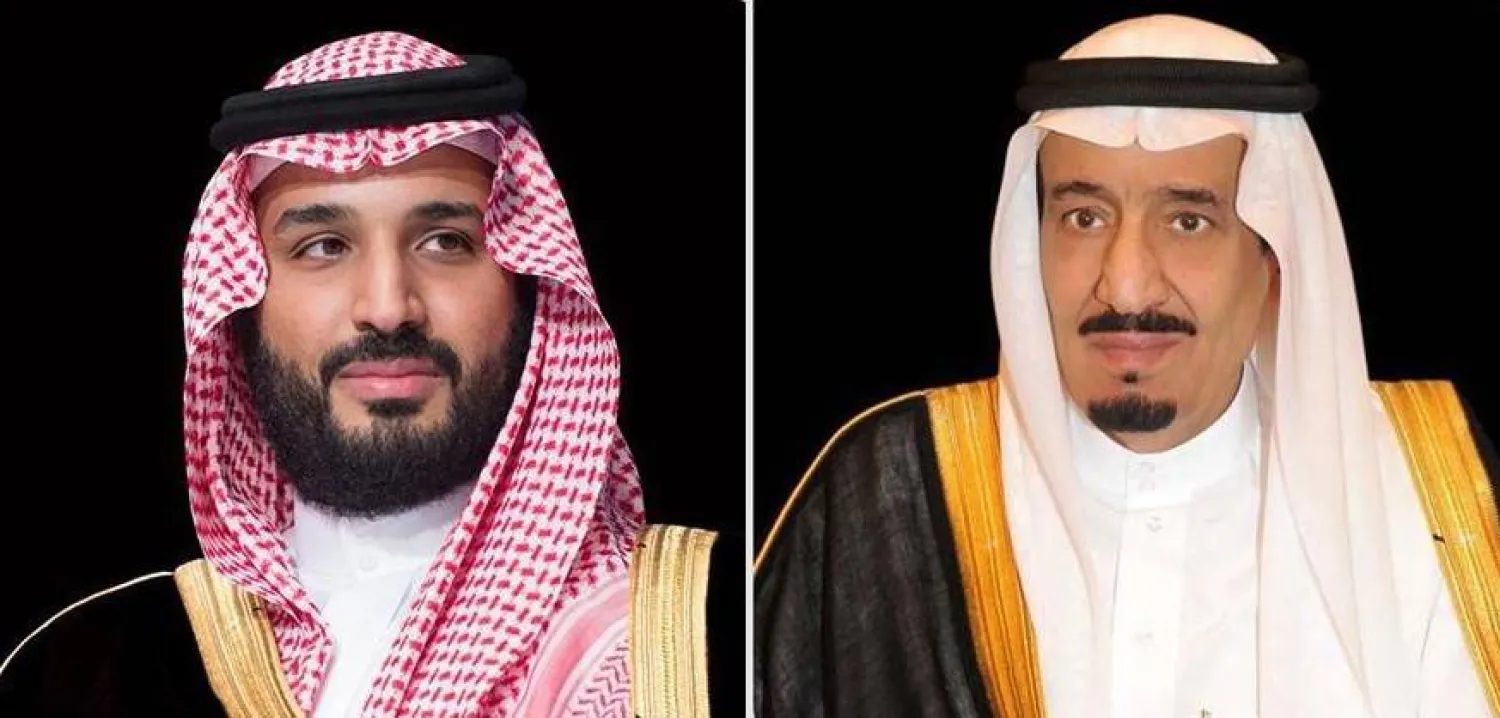
Custodian of the Two Holy Mosques King Salman bin Abdulaziz Al Saud and Prince Mohammed bin Salman bin Abdulaziz Al Saud, Crown Prince and Prime Minister. (SPA)
TT

Saudi Leadership Provides Two Donations Worth SAR150 Mln Through Jood Eskan Platform

Custodian of the Two Holy Mosques King Salman bin Abdulaziz Al Saud and Prince Mohammed bin Salman bin Abdulaziz Al Saud, Crown Prince and Prime Minister. (SPA)

Custodian of the Two Holy Mosques King Salman bin Abdulaziz Al Saud and Prince Mohammed bin Salman bin Abdulaziz Al Saud, Crown Prince and Prime Minister, have provided two generous donations amounting to SAR150 million through the Jood Eskan platform.

The move aligns with the leadership's commitment to supporting all national efforts and initiatives to provide suitable housing for deserving families.

Minister of Municipalities and Housing and Chairman of the Board of Trustees of the Developmental Housing Foundation (Sakan) Majed Al-Hogail expressed his deep gratitude to the leadership for its unwavering support to all national efforts and initiatives aimed at providing suitable housing for eligible families across the Kingdom.

He noted the effective impact of previous generous donations in achieving the goals of housing development, and motivating individuals and institutions to donate through the Jood Eskan platform that is based on community giving that helps provide decent housing and boosts stability and quality of life for deserving families.


Saudi Crown Prince Receives Message on Bilateral Ties from President of Kazakhstan

Prince Mohammed bin Salman bin Abdulaziz Al Saud, Saudi Crown Prince and Prime Minister. (SPA file)
TT

Saudi Crown Prince Receives Message on Bilateral Ties from President of Kazakhstan

Prince Mohammed bin Salman bin Abdulaziz Al Saud, Saudi Crown Prince and Prime Minister. (SPA file)

Prince Mohammed bin Salman bin Abdulaziz Al Saud, Saudi Crown Prince and Prime Minister, received on Tuesday a written message from President of Kazakhstan Kassym-Jomart Tokayev on bilateral relations between their two countries.

The message was received by Minister of Foreign Affairs Prince Faisal bin Farhan bin Abdullah during a meeting with his Kazakh counterpart Yermek Kosherbayev in Riyadh.