Throughout the history of the Kingdom of Saudi Arabia, spanning over 300 years, there are tales of founding, unification, and development, weaving a connected narrative. This history holds bright moments and inspiring stories for those who explore it.
It reveals political shifts, social changes, and intellectual awakenings, reflecting the journey of a nation and the evolution of a state.
This nation, once overlooked, rose from adversity to reclaim its place. The Saudi state restored the Arabian Peninsula’s significance and revived its Arab heritage.
The Kingdom’s story features highs and lows, with its significance experiencing rare fluctuations thrice throughout history.
Modern historians label these phases as the “first, second, and third” epochs, though these terms aren't official.
The division started relatively recently, during King Faisal’s reign, with legal scholar and historian Dr. Munir Al-Ajlani being an early adopter. Even during King Abdulaziz’s era, historians like Amin Al-Rihani and Fouad Hamza referred to these periods as “first” and “second” eras.
But what about the years when the state was weak or absent?
These years are the reason behind this logical division historically, although they could be perceived as times that connected different phases.
Before that, it’s important to understand “the historical legacy established by the first state,” which the second and third eras built upon.
This underscores the importance of recalling the history of the Saudi state in all its stages and changes, reminding observers of its rich legacy and deep roots on its founding day, while also shedding light on lesser-known aspects of the Kingdom’s history.
Principles of the First Era of the Saudi State
According to writer and political researcher Jabran Shamia, the first era of the Saudi state embodied key principles.
These include an emphasis on knowledge and understanding in religious and worldly matters, judicial reform and ensuring security, breaking traditions, promoting the right to interpret texts, adhering to constitutional principles in decision-making and governance, educational and social reform, and striving for unity and expanding connections globally.
Shamia highlights several points about the “first Saudi state”:
Firstly, it was an Arab Islamic state, serving as a strong Arab defense against external powers. Secondly, it emerged in complex global, Arab, and local conditions, resisting repression and defamation. Thirdly, it presented a new image of governance in the Arabian Peninsula, leaving a lasting impact on intellectual and social developments in the region and beyond.
This viewpoint is echoed by Sir Harford Jones Bridges, who emphasized the free nature of the Saudi state’s system and its focus on justice, security, and discipline.
Similarly, historian Dr. Abdul Karim Al-Ghraibeh credits the Al Sauds with transitioning the Arabian Peninsula towards civilization, establishing security, order, and unity in previously unsettled lands.
This introduction is vital to grasp why the Saudi state has endured despite attempts to dismantle it, destroy its capital, erase its heritage, and persecute its people.
What’s remarkable is that observers face a rare case in history regarding the continuity of the Saudi state, both in its presence and absence.
Since Imam Muhammad bin Saud's leadership in Diriyah 297 years ago, the total years of weakness or absence amount to no more than 17 years at most, representing less than 6% of its entire existence.
Even during those times, preparations were underway to reclaim governance and symbolize the state’s presence through its legitimate rulers, regardless of their location.
Historian Abdulrahman Al-Ruwished highlights: “Even in their absence, the Al Sauds proudly carried the Saudi flag, never abandoning it."
Numerous stories, including one from a British navy captain, attest to this, describing the Saudi flag near Kuwait in 1901 as “green in color with the Arabic inscription: There is no god but Allah, Muhammad is the Messenger of Allah.”
Years of Weakness
During times of weakness, the Al Saud family’s absence didn’t mean they were out of the picture. They kept working to regain control. Historians like Dr. Abdel Fattah Abu Alia suggest that the Saudi era is more than just about the state’s existence.
Why did the state return after being absent? According to Dr. Abu Alia, even though the first Saudi state collapsed, its ideas lived on, and people in Najd continued to support the Saudi family.
Despite the state’s absence, people still sent their support to the legitimate ruler.
French historian Felix Mengin predicted the return of rulers like Turki bin Abdullah bin Muhammad bin Saud and Abdulaziz bin Abdulrahman bin Faisal bin Turki. He believed they would tap into the warlike spirit to reclaim their kingdom, and his predictions transpired over time.
King Abdulaziz’s reign was different. He didn’t just rely on his family’s legacy but also learned from history and modernized governance.
He built a strong state while staying true to his roots. His approach to governance set a unique precedent, focusing on justice, security, and religion, which were valued in Najd.
This legacy continues today, as King Abdulaziz’s descendants carry on his principles, adapting to modern challenges while preserving their heritage.
Saudi Arabia's Evolving Traditions
The descendants of the Kingdom's founder, King Abdulaziz, have upheld his legacy, each monarch surpassing the last in fulfilling their duties.
This sets Saudi Arabia apart, showcasing its rich yet adaptable nature. Over centuries, the kingdom has evolved through its royal customs, blending tradition with innovation.
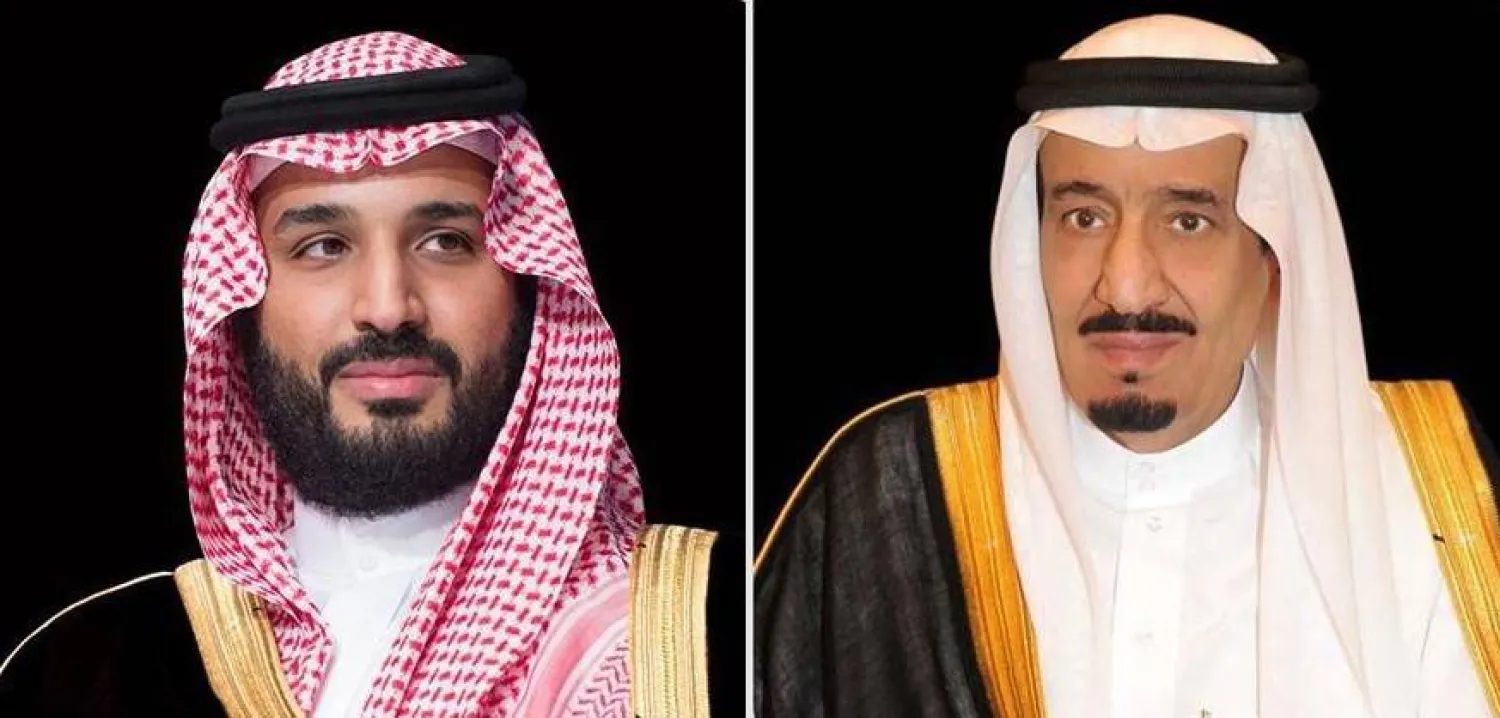
Under King Salman bin Abdulaziz and Crown Prince Mohammed bin Salman’s leadership, Saudi Arabia is undergoing a significant revival. The ongoing social changes are unprecedented.
Trying to isolate these achievements from their historical context ignores their ties to three centuries of royal heritage and a six-century history celebrated on the founding day.
Some historians mistakenly divide the state’s history into three eras. However, it’s a continuous story of a single state enduring different roles and epochs while staying true to its founding principles, despite the challenges it has faced.