


Saudi Humanitarian efforts Support 415 Million Individuals Across 55 Countries

The Kingdom of Saudi Arabia has a long-standing tradition of supporting those in need. SPA
TT

Saudi Humanitarian efforts Support 415 Million Individuals Across 55 Countries

The Kingdom of Saudi Arabia has a long-standing tradition of supporting those in need. SPA

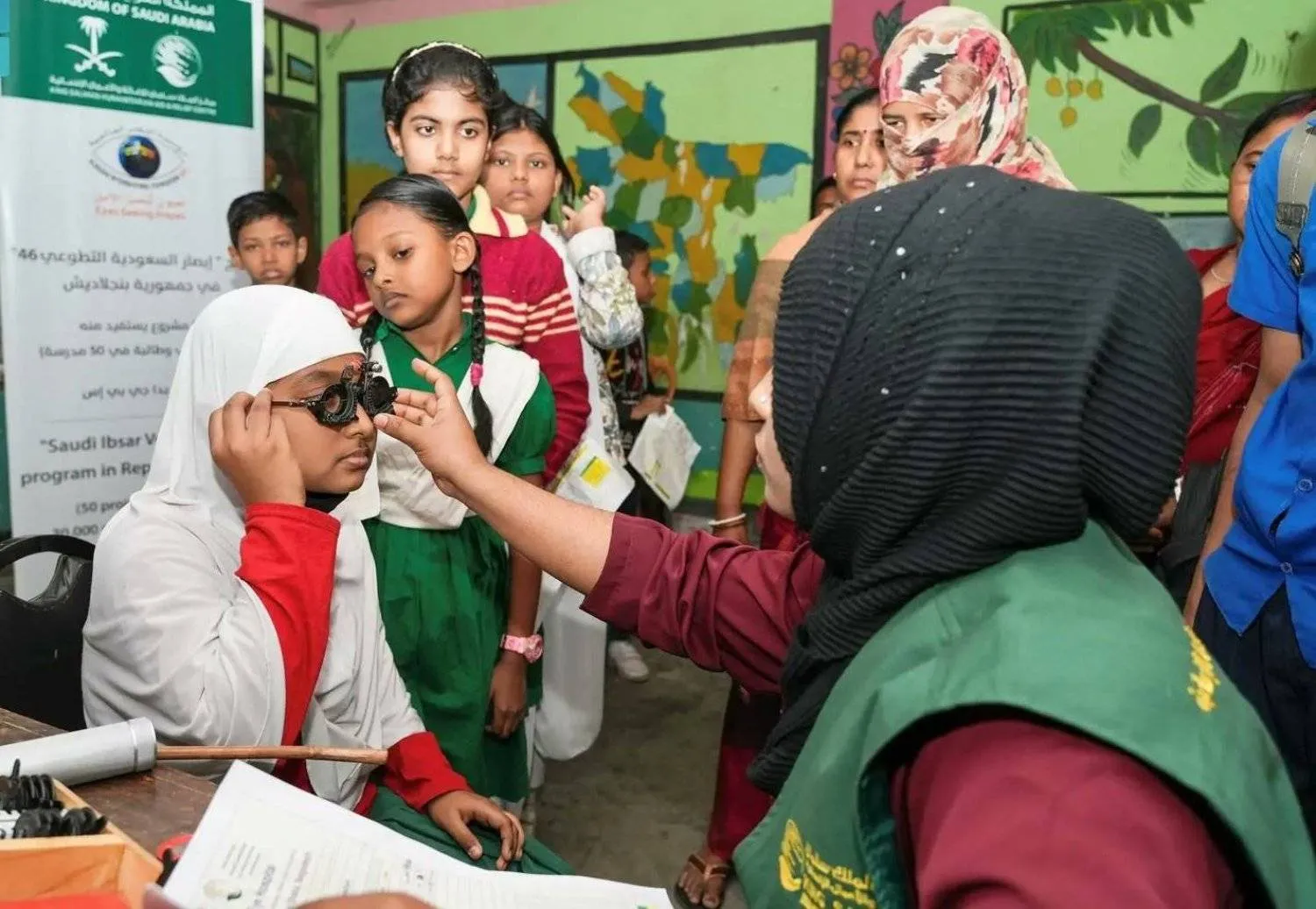
The King Salman Humanitarian Aid and Relief Center (KSrelief) has emerged as a significant force in global humanitarian efforts, providing vital assistance to over 415 million individuals across 55 countries.
The Kingdom of Saudi Arabia has a long-standing tradition of supporting those in need. KSrelief embodies this commitment, actively working to alleviate human suffering, safeguard human life and dignity, and ensure access to essential healthcare. This dedication has solidified Saudi Arabia's position as a pioneer in humanitarian aid, extending a helping hand wherever crises and urgent needs arise.

Driven by this core principle, KSrelief has implemented a diverse range of projects targeting critical sectors. Focusing on health, food security, water, and sanitation, the center has delivered over 501 relief projects with a total value exceeding $1 billion. This vital support has directly benefited more than 415 million individuals worldwide.

For Yemen's health sector, for example, KSrelief has provided vital services for people with special needs, including physical rehabilitation and high-quality prosthetic limbs for those injured in Marib governorate. Additionally, specialized healthcare, including dialysis sessions, has been provided to kidney failure patients in Al-Mahra Governorate.

Support extends to other countries as well. KSrelief has addressed critical shortages of medical supplies in Palestine's Gaza Strip, ensuring vital functions can continue in primary healthcare centers and hospitals. Furthermore, intensive care units in both Palestine and Sudan have been equipped with necessary medical equipment and given maintenance services.
Looking beyond immediate medical needs, KSrelief has also provided financial support to save the lives of Syrian refugee cancer patients in Jordan, covering their treatment costs. In Lebanon's Baalbek governorate, the center has strengthened healthcare services for Syrian refugees and the host community in Arsal, ensuring access to medical care, community outreach, and free psychological support.
The center's efforts extend beyond healthcare. Recognizing the importance of clean water and sanitation, KSrelief has provided safe drinking water sources for many communities through the drilling of wells. Wastewater treatment and safe waste disposal practices have also been implemented to limit the spread of disease and create cleaner living environments across numerous beneficiary countries.
KSrelief tackles malnutrition through targeted nutrition projects. These projects aim to combat malnutrition in children, pregnant women, and breastfeeding mothers. By preparing health facilities to treat malnutrition and implementing awareness campaigns on healthy eating habits, KSrelief works to improve the under-five mortality rate in several countries.
As the world observed World Health Day on Sunday, KSrelief reaffirmed its commitment to safeguarding human health and well-being. The center's extensive portfolio in the health sector underscores its unwavering dedication to alleviating suffering and promoting a healthier future for all.



Saudi Arabia, Arab, and Islamic Nations Condemn Israel’s Death Penalty Law for Palestinians

Logo of the Saudi Ministry of Foreign Affairs
TT

Saudi Arabia, Arab, and Islamic Nations Condemn Israel’s Death Penalty Law for Palestinians

Logo of the Saudi Ministry of Foreign Affairs

The foreign ministers of Saudi Arabia, Egypt, Jordan, Indonesia, Pakistan, Qatar, Türkiye and the UAE strongly condemned on Thursday Israel’s law that allows the imposition of the death penalty in the occupied West Bank and its de facto application against Palestinians, the Saudi Press Agency reported.

The ministers warned against the increasingly discriminatory, escalating Israeli practices that entrench a system of apartheid and a rejectionist discourse that denies the inalienable rights and the very existence of the Palestinian people in the Occupied Palestinian Territory (OPT).

The ministers warned that this legislation represents a dangerous escalation, especially due to its discriminatory targeting of Palestinian prisoners, and emphasized that such measures could intensify tensions and further destabilize the region.

The ministers also expressed deep concern over the conditions of Palestinian prisoners in Israeli detention, warning of mounting risks amid credible reports of ongoing abuses, including torture, inhumane and degrading treatment, starvation, and denial of basic rights. They emphasized that these practices reflect a broader pattern of violations against the Palestinian people.

The ministers reiterated their firm opposition to Israel’s racially discriminatory, oppressive, and aggressive policies directed against Palestinians.

The ministers further emphasized the urgent need to refrain from measures imposed by the occupying power that risk further inflaming tensions on the ground. They stressed the importance of ensuring accountability and called for strengthened international efforts to uphold stability and prevent further deterioration.


Iran Threatens Energy Security with Attacks on Gulf Oil Tankers

Saudi Arabia possesses one of the most advanced missile defense systems in the world (Saudi Ministry of Defense). 
TT

Iran Threatens Energy Security with Attacks on Gulf Oil Tankers

Saudi Arabia possesses one of the most advanced missile defense systems in the world (Saudi Ministry of Defense). 

Iran escalated its military operations in the region on Wednesday, targeting Gulf states and oil tankers in regional waters in attacks widely seen as a direct threat to energy security and international navigation.

Gulf air defenses intercepted dozens of missiles and drones, with officials stressing a high level of readiness to protect airspace and critical infrastructure while minimizing damage.

Saudi Arabia

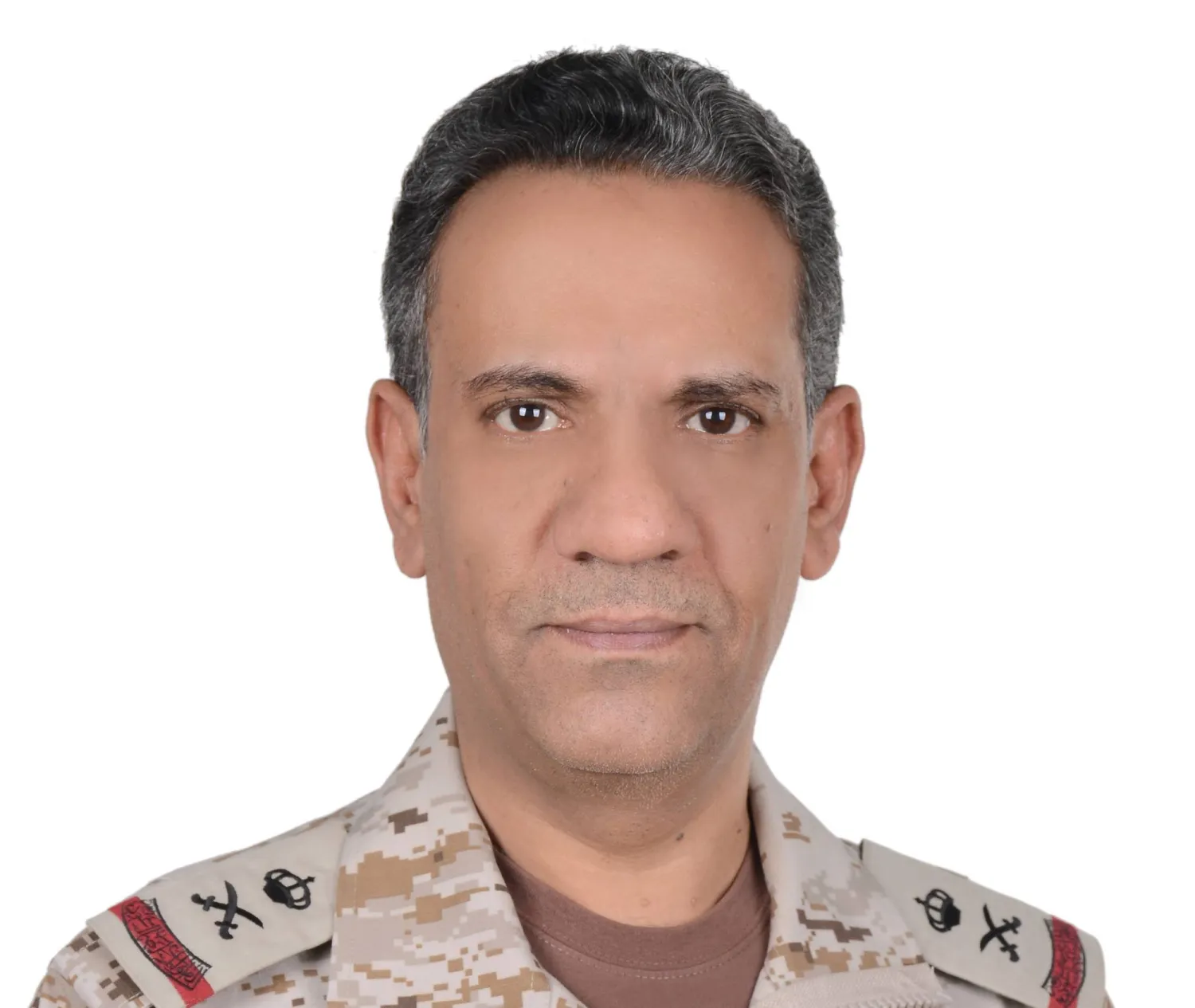
Saudi Arabia’s defense ministry spokesman, Brigadier General Turki al-Maliki, said four drones had been intercepted and destroyed in recent hours.

In two separate statements, al-Maliki confirmed the success of the operations, underscoring the armed forces’ readiness to defend the Kingdom’s airspace and counter various threats, with no damage reported.

Riyadh also reiterated its strong condemnation of what it described as “blatant Iranian aggression” against the Kingdom, Arab states and the wider region during the 43rd session of the Council of Arab Interior Ministers, held via videoconference.

Interior Minister Prince Abdulaziz bin Saud stressed the importance of strengthening Arab security cooperation and coordinating efforts to confront evolving threats and combat crime in all its forms to safeguard regional stability.

Kuwait

A drone attack by Iran and allied groups targeting fuel tanks at the Kuwait International Airport triggered a large fire on Wednesday but caused no casualties.

Kuwait News Agency quoted civil aviation spokesman Abdullah al-Rajhi as saying rescue teams responded immediately, with initial reports indicating material damage to facilities operated by Kuwait Aviation Fueling Company (KAFCO).

Britain affirmed its support for Kuwait’s security amid the current situation, pledging to stand by the country against any threats to its sovereignty, stability and safety.

The message was conveyed from King Charles III to Kuwait’s emir, Sheikh Mishal al-Ahmad al-Jaber al-Sabah, and delivered by British ambassador Qudsi Rasheed to Minister of Amiri Diwan Affairs Sheikh Hamad Jaber al-Ali al-Sabah.

Bahrain

Bahrain’s Defense Force said it intercepted and destroyed four ballistic missiles and 19 drones in recent hours.

The General Command added that since the start of the Iranian attacks, 186 missiles and 419 drones had been intercepted. It said the use of such weapons against civilian sites and private property constitute a “flagrant violation” of international humanitarian law and the UN Charter and pose a direct threat to regional peace and security.

The interior ministry said firefighters had extinguished a blaze at a company facility caused by what it described as Iranian aggression.

Bahrain’s National Communication Center urged the public to follow official guidance, verify information accuracy and avoid spreading rumors amid the ongoing attacks.

United Arab Emirates

The United Arab Emirates said its air defenses intercepted five ballistic missiles and 35 drones launched from Iran.

Falling debris from an intercepted drone killed an Asian national on a farm in Fujairah, authorities said. The victim was identified as a Bangladeshi citizen.

The Fujairah government media office said emergency teams responded to the incident in the Al-Rifaa area following the successful interception.

Official figures showed that since the start of the attacks, UAE defenses had dealt with 438 ballistic missiles, 19 cruise missiles and 2,012 drones. The assaults have killed two members of the armed forces while on duty, a Moroccan civilian contractor working with the military, and nine other civilians.

Qatar and maritime incidents

Qatar’s defense ministry said the country had been targeted by three Iranian cruise missiles. Air defenses intercepted two, while the third struck an oil tanker chartered by QatarEnergy in the country’s exclusive economic zone.

Authorities coordinated the evacuation of the vessel, which carried a crew of 21, with no casualties reported.

In a related development, the United Kingdom Maritime Trade Operations reported a new security incident in Gulf waters.

According to the organization, the incident occurred 17 nautical miles north of Ras Laffan. A company security officer said the tanker was hit on its port side, causing damage above the waterline without injuries among the crew.

In a later update, the organization said the vessel had in fact been struck twice. One impact caused a fire that was later extinguished, while a second projectile remained unexploded in the engine room, with authorities working to secure it and investigate the incident.

On Tuesday, Iran targeted the Kuwaiti crude oil tanker “Al-Salmi” while it was anchored off the United Arab Emirates outside Dubai port. Several vessels in the Strait of Hormuz were also attacked using armed boats, missiles and drones.


Presidents of the UAE, US Discuss Regional Escalation and Global Security Risks

File photo: Emirati President Sheikh Mohamed bin Zayed and US President Donald Trump meet in Abu Dhabi on Thursday (AP)
TT

Presidents of the UAE, US Discuss Regional Escalation and Global Security Risks

File photo: Emirati President Sheikh Mohamed bin Zayed and US President Donald Trump meet in Abu Dhabi on Thursday (AP)

UAE President Sheikh Mohamed bin Zayed Al Nahyan discussed on Wednesday the regional escalations and their impact on regional and global security during a phone call with US President Donald Trump.

The two leaders addressed the implications of rising tensions, including their impact on global markets, international maritime security, the world economy, and supply chains. They exchanged views on the broader consequences of the current escalation.

The two sides also addressed the ongoing Iranian attacks targeting the United Arab Emirates and several countries in the region, including strikes on civilians, critical facilities, and infrastructure. They stressed that such actions represent a breach of national sovereignty and international law and pose a direct threat to regional security and stability.

On Wednesday, the UAE Ministry of Defense said its air defenses intercepted five ballistic missiles and 35 drones launched from Iran on its territories.

It added that a total of 438 ballistic missiles, 19 cruise missiles, and 2,012 drones have been intercepted since the start of these attacks on February 28.

The attacks killed two armed forces personnel and 10 civilians of various nationalities, and injured 190 others. The ministry said it remains on high alert and ready to respond decisively to any threats to national security, sovereignty, and stability.